Improving observation Math Worksheets for 5-Year-Olds
3 filtered results
-
From - To
Welcome to our collection of "Improving Observation Math Worksheets" designed specifically for 5-year-olds! These engaging worksheets aim to enhance young learners' observation skills while introducing foundational math concepts. Through fun activities such as spotting differences, matching shapes, and recognizing patterns, children develop critical thinking and problem-solving abilities. Our worksheets are perfect for classroom use or as at-home learning tools, fostering a love for math in early learners. Each worksheet is crafted to be visually appealing and age-appropriate, making learning enjoyable. Help your child build essential skills and confidence with our thoughtfully designed observation math worksheets today!
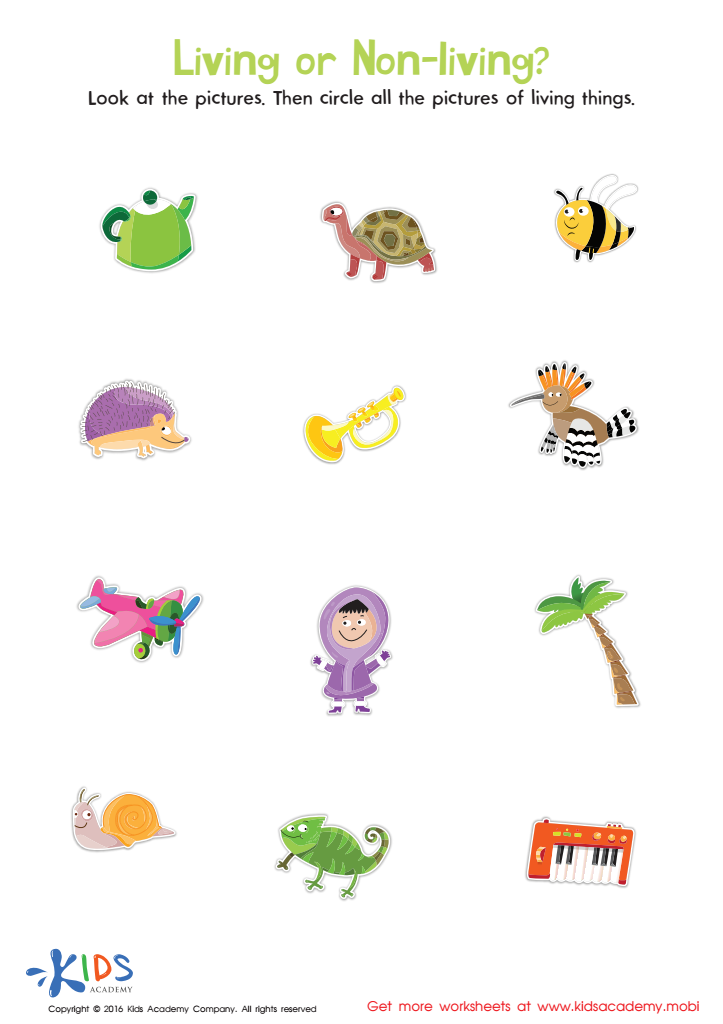
Identifying Living and Non–living Things Sorting Worksheet
 Assign to My Students
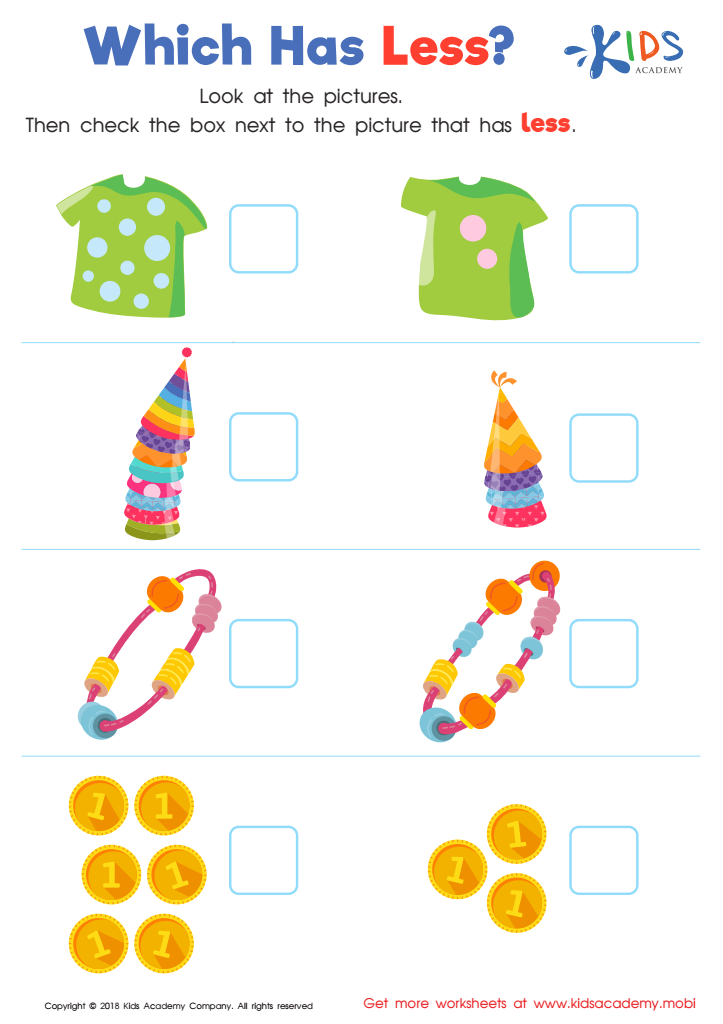
Which Has Less? Worksheet
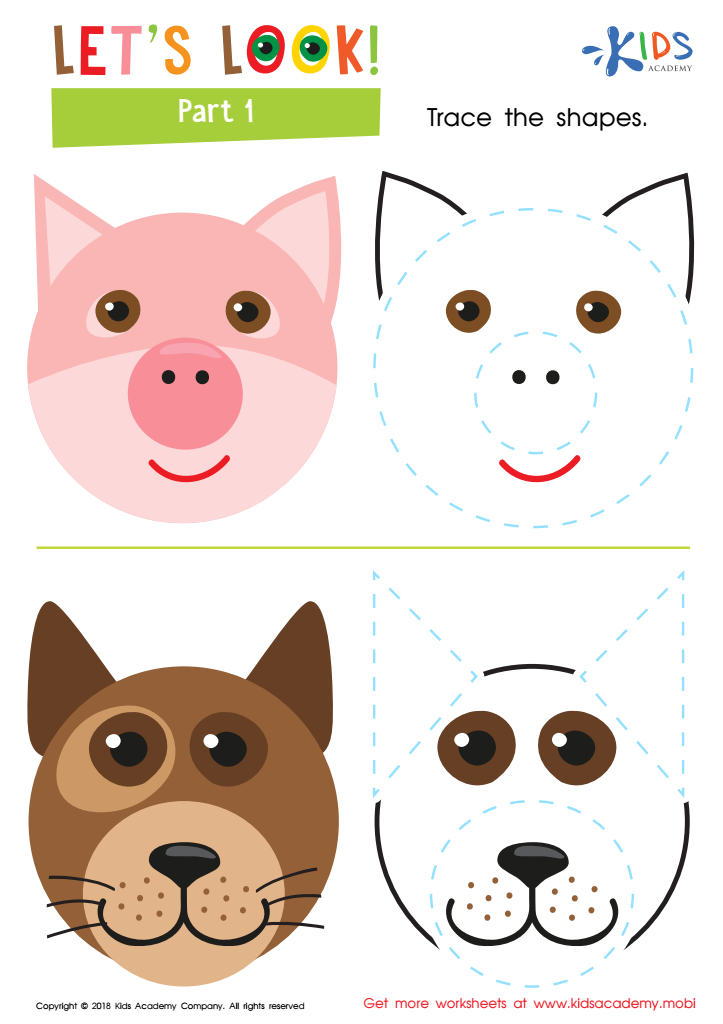
Let's Look! Part 1 Worksheet



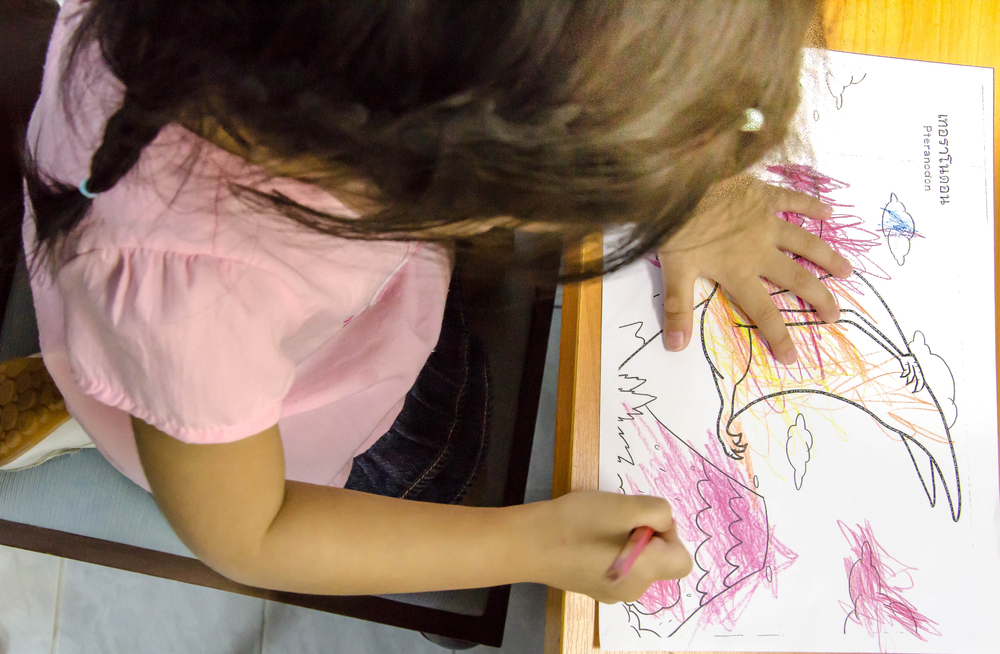



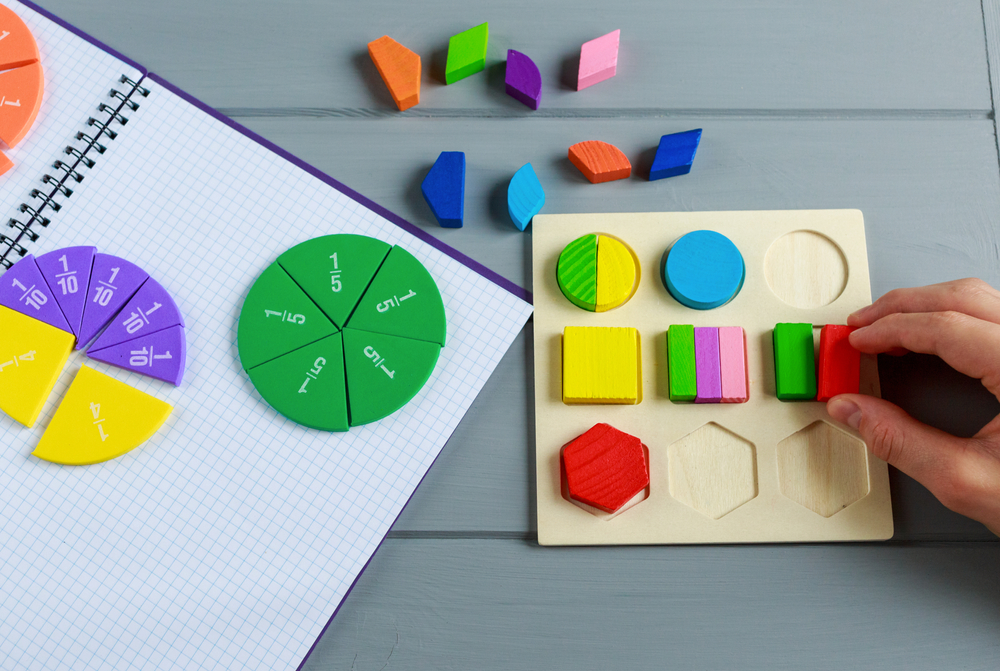
Improving observational math skills in 5-year-olds is crucial for several reasons. First, early childhood is a formative period in a child's cognitive development. During this stage, children begin to make sense of the world around them through observation and hands-on experiences. By fostering observational math, parents and teachers help children recognize patterns, relationships, and spatial awareness, which are foundational skills for later mathematics learning.
Secondly, observational math encourages curiosity and critical thinking. When children engage in activities like counting objects or comparing sizes, they learn to ask questions, make predictions, and draw conclusions—skills that extend beyond math into all areas of learning. Moreover, incorporating observational math into play promotes a positive attitude toward math, reducing math anxiety and fostering a love for learning.
Lastly, strong observational math skills lay the groundwork for more complex mathematical concepts later on. By supporting this development, parents and teachers equip children with the tools necessary to tackle challenges in school and everyday life confidently. Ultimately, nurturing a child's early math skills sets the stage for academic success and a lifelong appreciation for mathematics. This foundational investment in their education is a responsibility that teachers and parents must prioritize.








