Basic counting skills Numbers 0–10 Worksheets for 5-Year-Olds
5 filtered results
Difficulty Level
Grade
Age
-
From - To
Subject
Activity
Standards
Discover our "Basic Counting Skills Numbers 0-10 Worksheets for 5-Year-Olds" on Kids Academy! Specially designed for early learners, these engaging and educational printables help children master counting from 0 to 10. Each worksheet features fun activities, colorful illustrations, and clear instructions to keep young minds interested. Perfect for building foundational math skills, these resources are ideal for homeschooling or extra practice. Boost your child’s confidence and excitement in learning with our interactive counting worksheets today!
Favorites
With answer key
Interactive
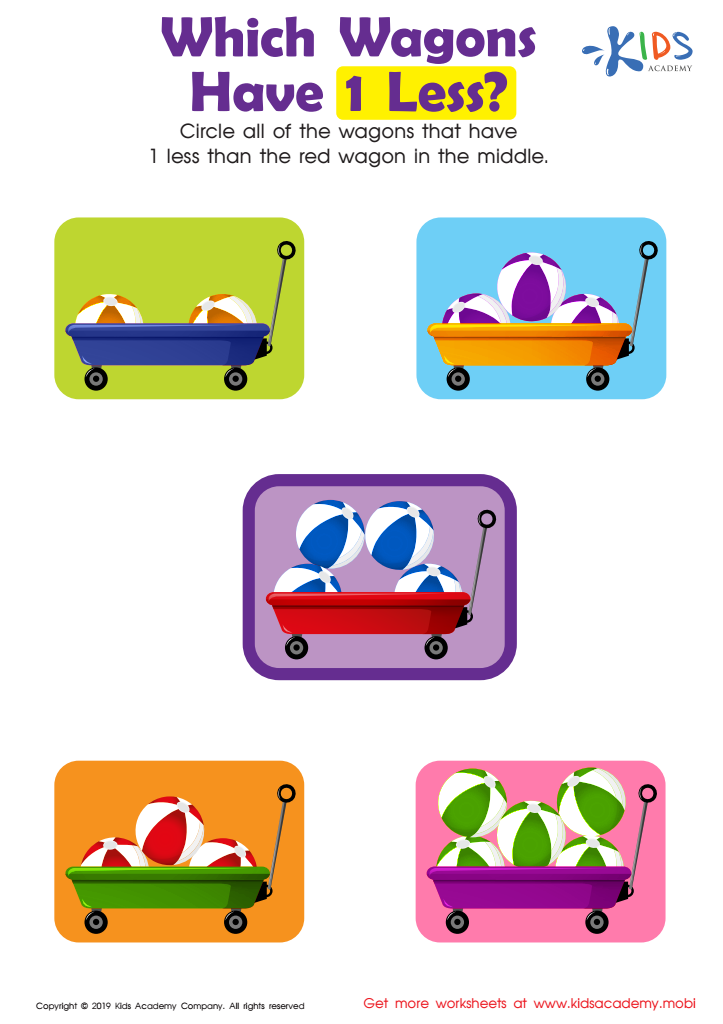
Which Wagons Have 1 Less? Worksheet
Test your kid's counting skills with a simple exercise. Ask them to count the balls in the five wagons shown and to circle the wagons with one less than the red wagon in the middle. This will give their brains a simple task that tests their knowledge of numbers.
 Assign to My Students
Which Wagons Have 1 Less? Worksheet
Worksheet
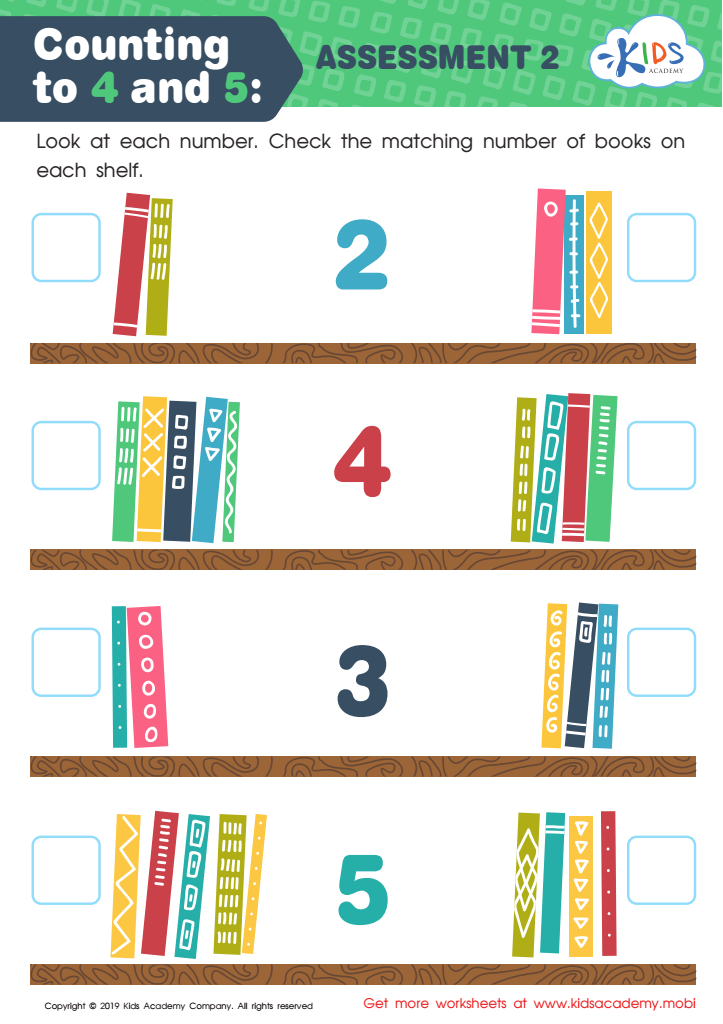
Counting to 4 and 5: Assessment 2 Worksheet
Counting is a key skill for math success. Help your kids get off to a good start by counting the books on each shelf in the pictured printout. Point to each set of books, counting aloud, and then look for the matching number in the centre. With this simple worksheet, your kids can get the practice they need before taking on more advanced math skills.
Counting to 4 and 5: Assessment 2 Worksheet
Worksheet
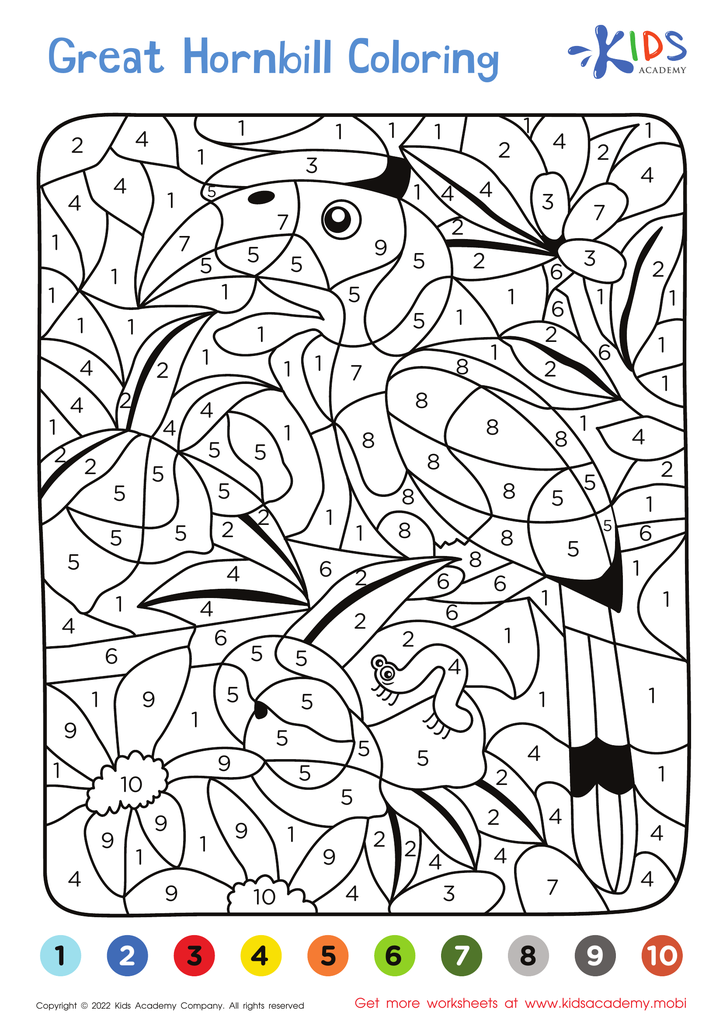
Great Hornbill – Coloring by Numbers
Download our free PDF page, featuring a hornbill for you to color in! Numbers are provided so you can follow along, making the picture come to life. Fun for all ages!
Download our free PDF page and have fun coloring a hornbill according to the numbers! You'll bring the picture to life with every stroke of your creativity. Perfect for all ages!
Great Hornbill – Coloring by Numbers
Worksheet
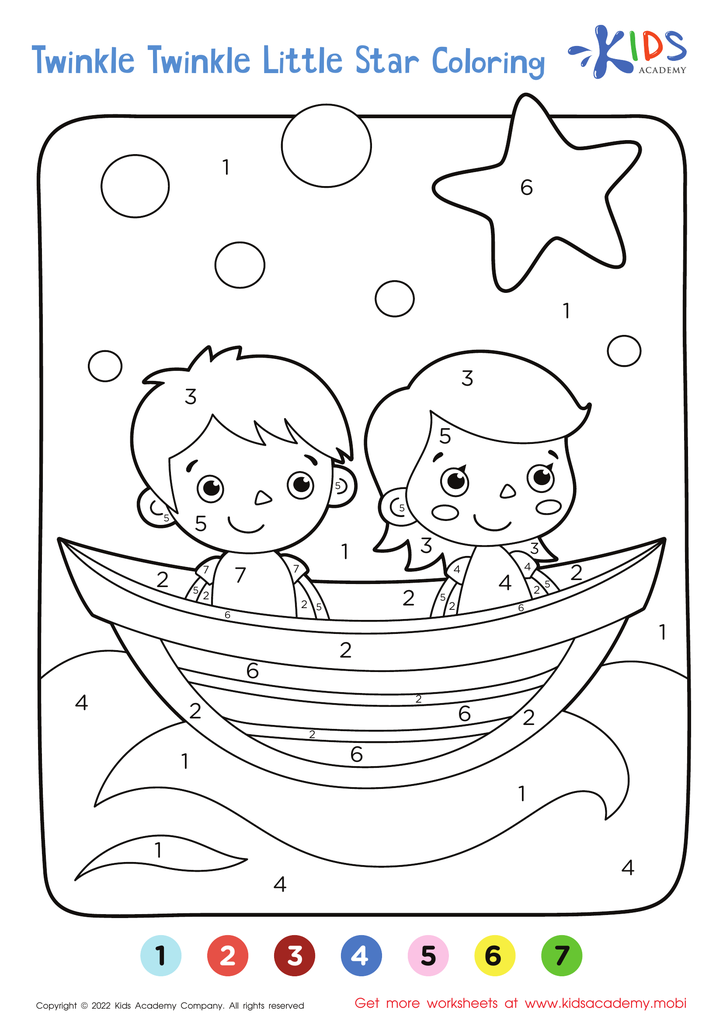
Twinkle, Twinkle, Little Star – Coloring by Numbers
Color a scene from Twinkle Twinkle Little Star with our free coloring page. Download the PDF and use the numbers to bring the nursery rhyme to life. Have fun! (80 words)
Twinkle, Twinkle, Little Star – Coloring by Numbers
Worksheet
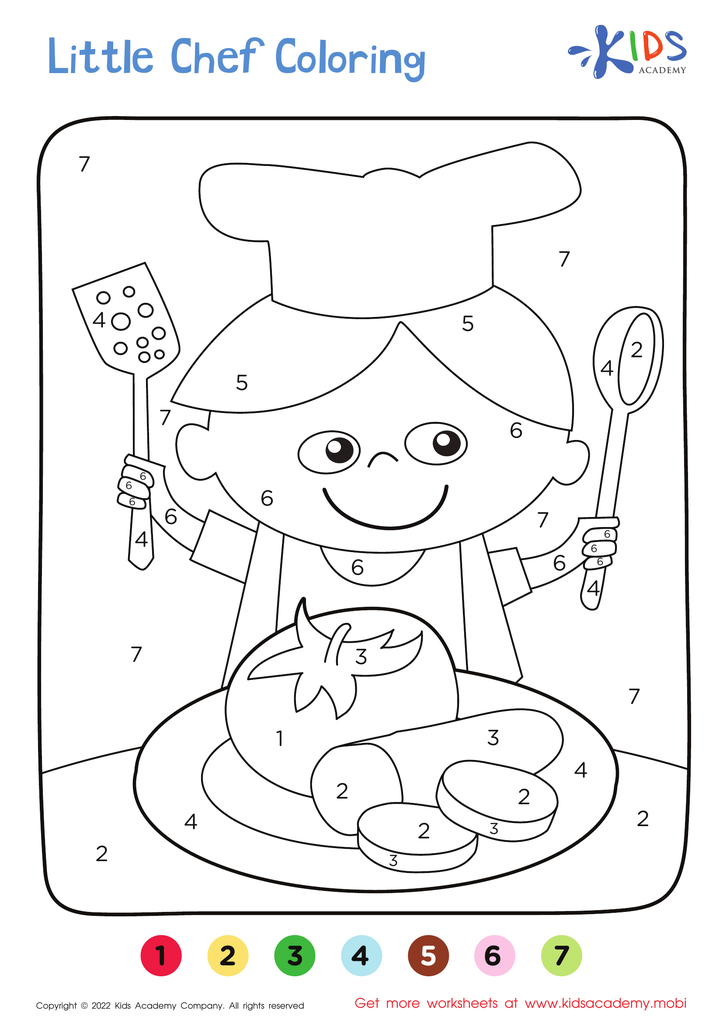
Little Chef – Coloring by Numbers
This PDF page lets you color in a cute little chef! Download it for free and explore your artistic side by using numbers to color in the picture. Let your creativity flow and have some fun!
Little Chef – Coloring by Numbers
Worksheet
Join Kids Academy for Free
Who is primarily going to use this learning content?








Parents and teachers should care about basic counting skills for numbers 0–10 in 5-year-olds because these skills form the fundamental building blocks of mathematical understanding. Early numeracy sets the stage for more complex math concepts like addition, subtraction, and number patterns, which children will encounter as they progress through school. Mastering counting from 0 to 10 helps develop a child's ability to sequence numbers sequentially, understand quantities, and make comparisons, all of which are critical cognitive skills.
At this age, learning to count is not only about remembering the order of numbers but also about grasping the concept that numbers correspond to specific quantities. For instance, recognizing that the number "3" can relate to three apples, not just the third number in a sequence. This one-to-one correspondence connects abstract numbers to real-world objects, enhancing a child's comprehension of math in everyday life.
Moreover, early proficiency in counting contributes to a child’s confidence and eagerness to tackle complex tasks, fostering a positive attitude towards mathematics. This counting practice is essential for overall brain development, promoting logical thinking, problem-solving skills, and even early literacy, as many baseline counting principles also apply to understanding phonemics. Therefore, prioritizing these foundational counting skills equips children with the necessary tools for a successful academic future.