Filters

10 filtered results

Clear all filters
Favorites
With answer key
Interactive

10 filtered results

Difficulty Level

Grade


Discover our engaging "Critical Thinking Building Vocabulary Worksheets for 5-Year-Olds"! Designed specifically for young learners, these worksheets enhance vocabulary while promoting essential critical thinking skills. Kids will explore words through fun exercises that encourage them to make connections, draw conclusions, and engage creatively with language. Each activity fosters curiosity and helps build a strong foundation for future reading and comprehension abilities. With colorful illustrations and age-appropriate challenges, our worksheets make learning enjoyable and effective. Perfect for classrooms or home study, these resources are ideal for nurturing a love for words and confident thinkers. Start your child's vocabulary journey today!

Check out this FREE Trial Lesson on Building Vocabulary for age 5!

Sort Common Objects into Categories

Favorites
With answer key
Interactive
  • 5
  • Critical Thinking
  • Building Vocabulary
Finding the Details and Connections: Assessment 2 Worksheet

Finding the Details and Connections: Assessment 2 Worksheet

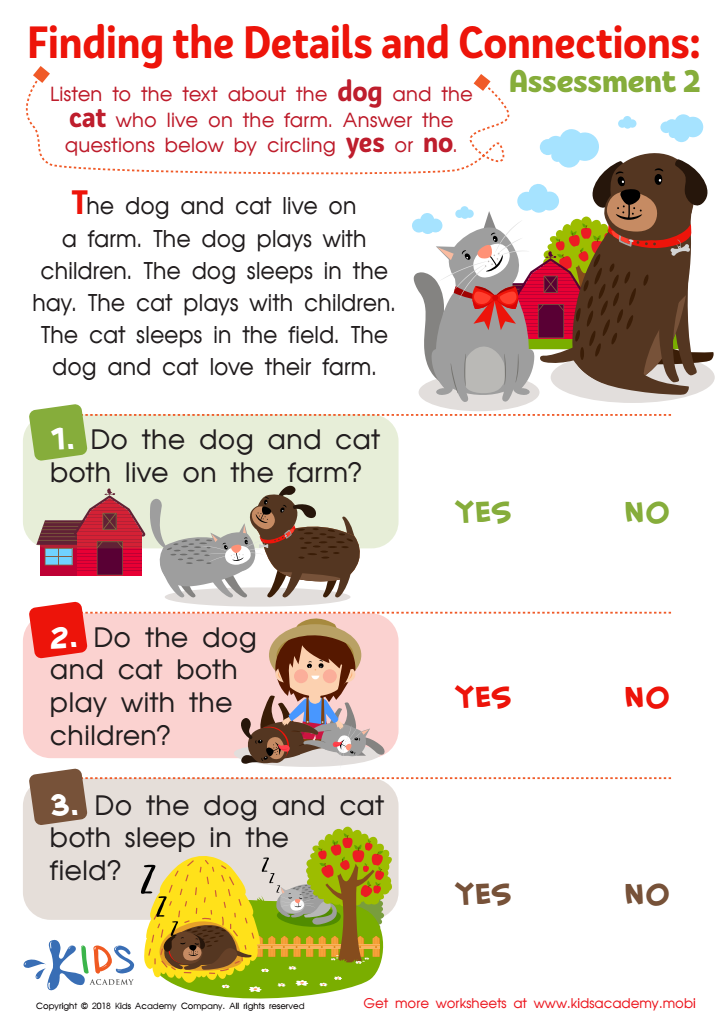
Does your child love animals? If you have pets, they'll relate to the text in this worksheet. Read it aloud to them and help them answer the simple questions by circling yes or no. The story is about a dog and cat living on a farm. Let your child read it aloud to you if they can.
Finding the Details and Connections: Assessment 2 Worksheet
Worksheet
City or Country? Worksheet

City or Country? Worksheet

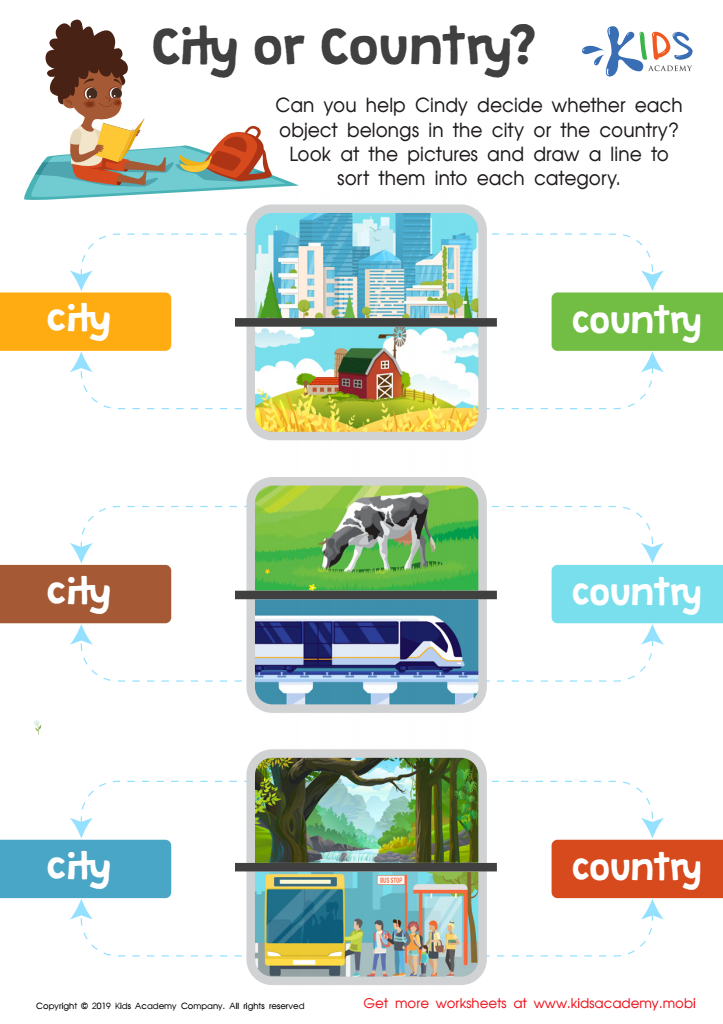
Whether city or country, both have distinct attributes. Cities have skyscrapers, public transport, and many business people, whereas the countryside is rural and full of nature, often farms. Download this PDF to help your child and Cindy use traced lines to decide which picture fits city or country.
City or Country? Worksheet
Worksheet
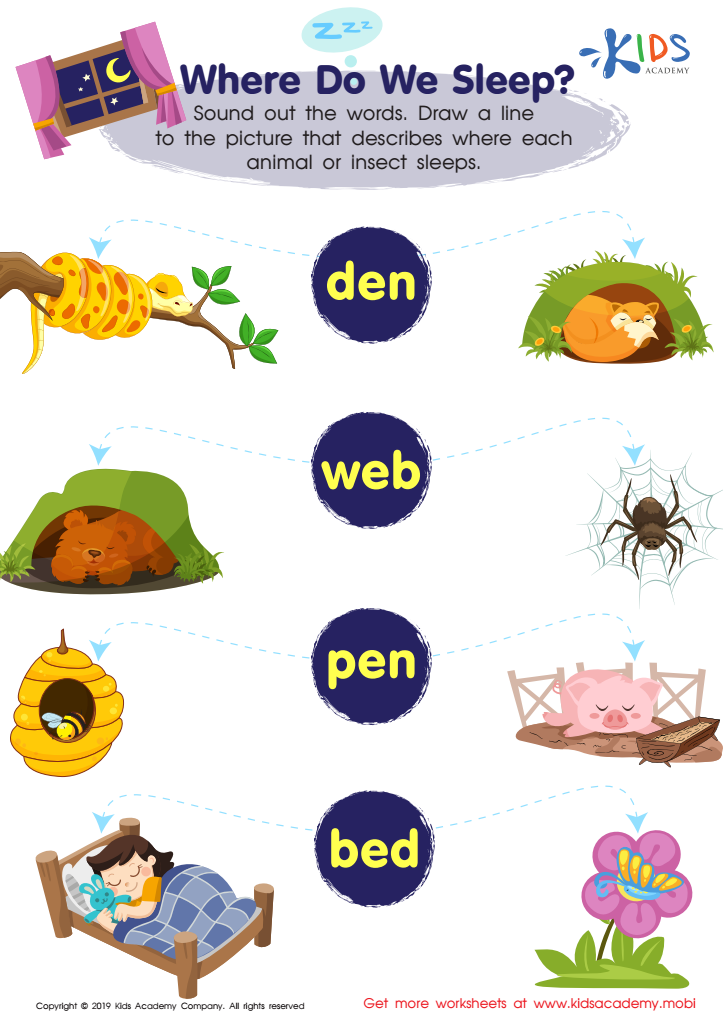
Where Do We Sleep Worksheet

Where Do We Sleep Worksheet

Help your kids understand the importance of a safe space with this activity: Ask them to draw a line connecting the different animals and insects to the words that describe where they sleep. Remind them that everyone needs a sanctuary to rest – like the animals and insects in this printout.
Where Do We Sleep Worksheet
Worksheet
=
=

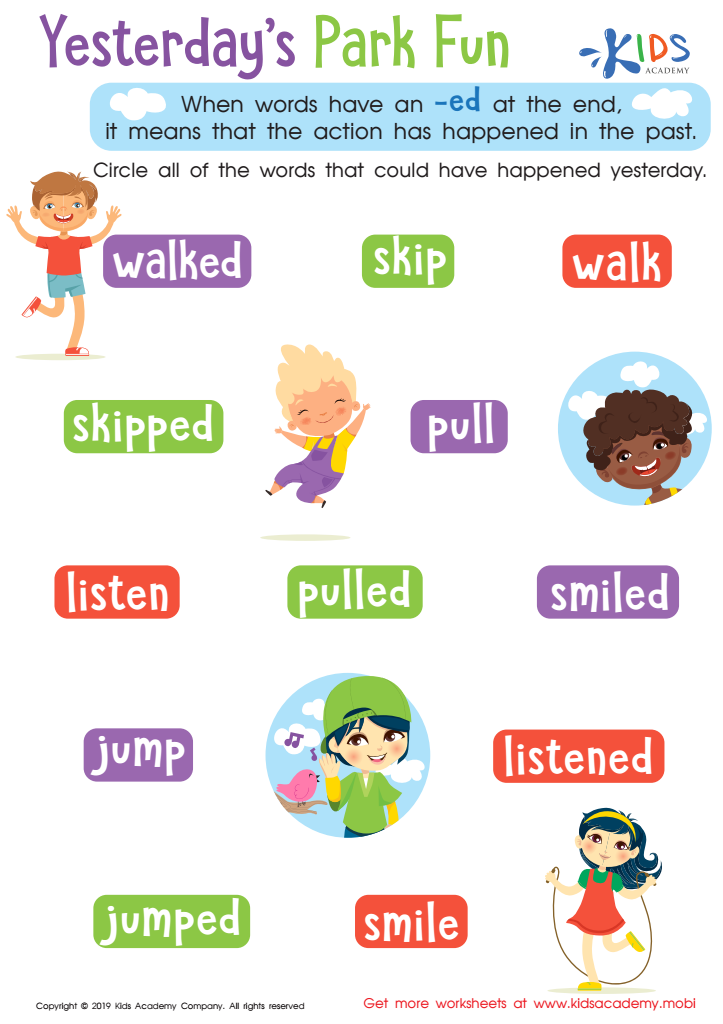
Yesterday's Park Fun Worksheet

Add -ed to the end of words and you get a word that happened in the past. This PDF helps your child understand this concept by giving practice examples: walk, pull, jump and smile can all be transformed into the past tense with a -ed suffix. They'll circle all the words that happened yesterday and learn about the past tense.
Yesterday's Park Fun Worksheet
Worksheet
Picture Books Worksheet

Picture Books Worksheet

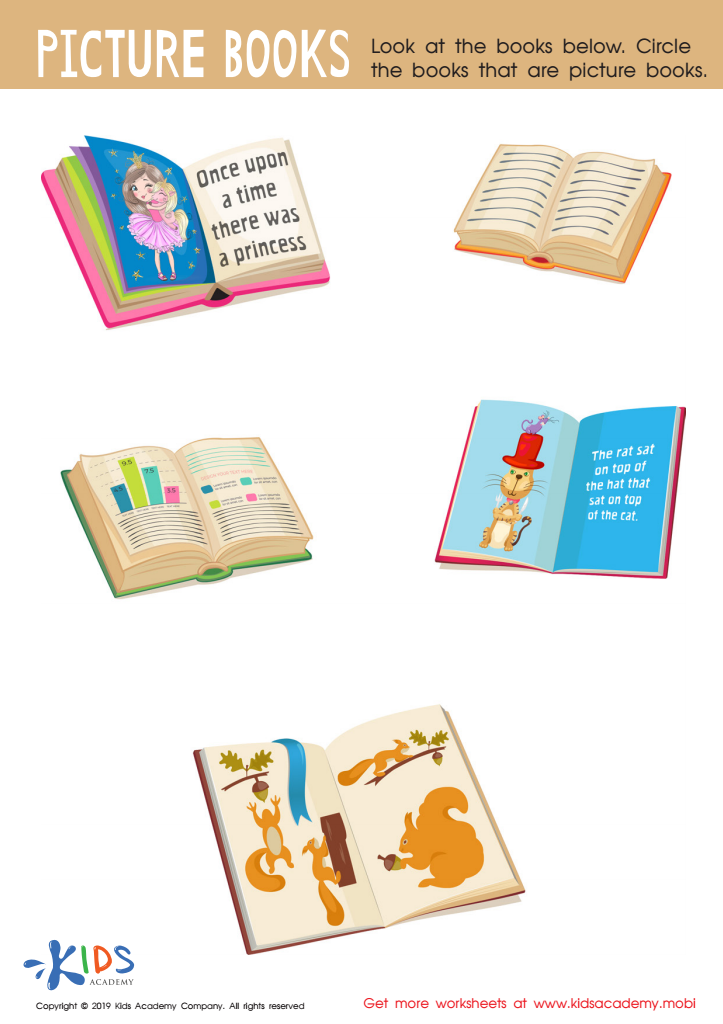
Kids will love this exercise! Get their imaginations going with five colorful picture books. Ask them to circle the books that are picture books and have them enjoy the exciting stories, along with the colorful images. Reading can become that much more enjoyable!
Picture Books Worksheet
Worksheet
Finding the Details and Connections: Assessment 1 Worksheet

Finding the Details and Connections: Assessment 1 Worksheet

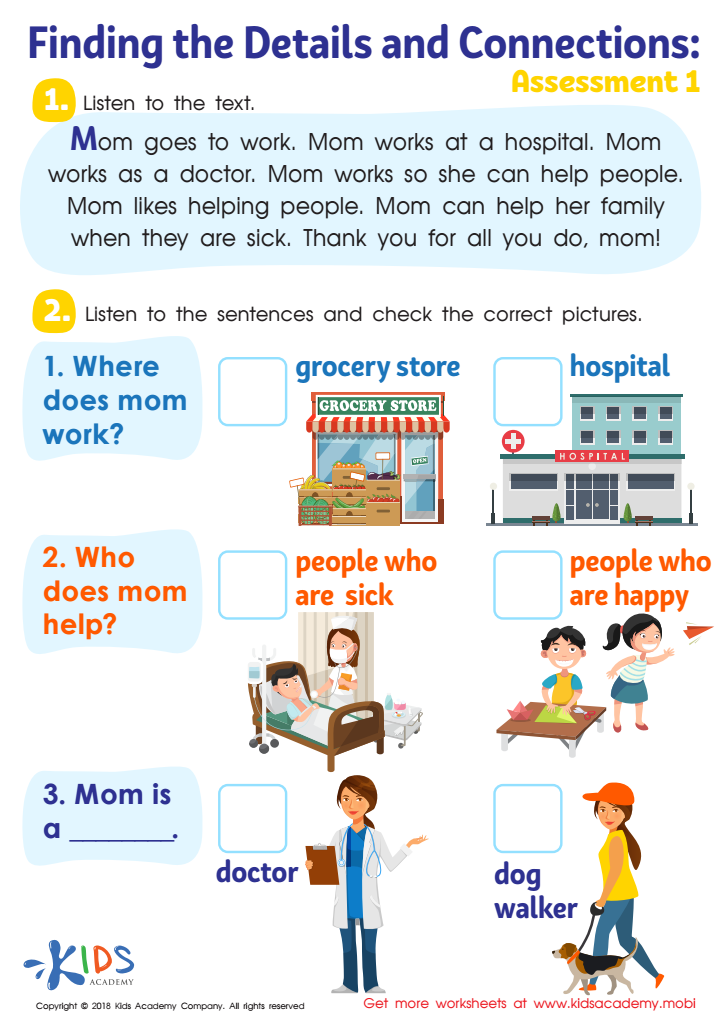
Ask your students what their parents do for a job. Do they know what profession their mom is in and where she works? Professionals have places they go to do their job. In this task, Mom goes to a hospital and is a doctor. Read the text and help them check the right pictures.
Finding the Details and Connections: Assessment 1 Worksheet
Worksheet
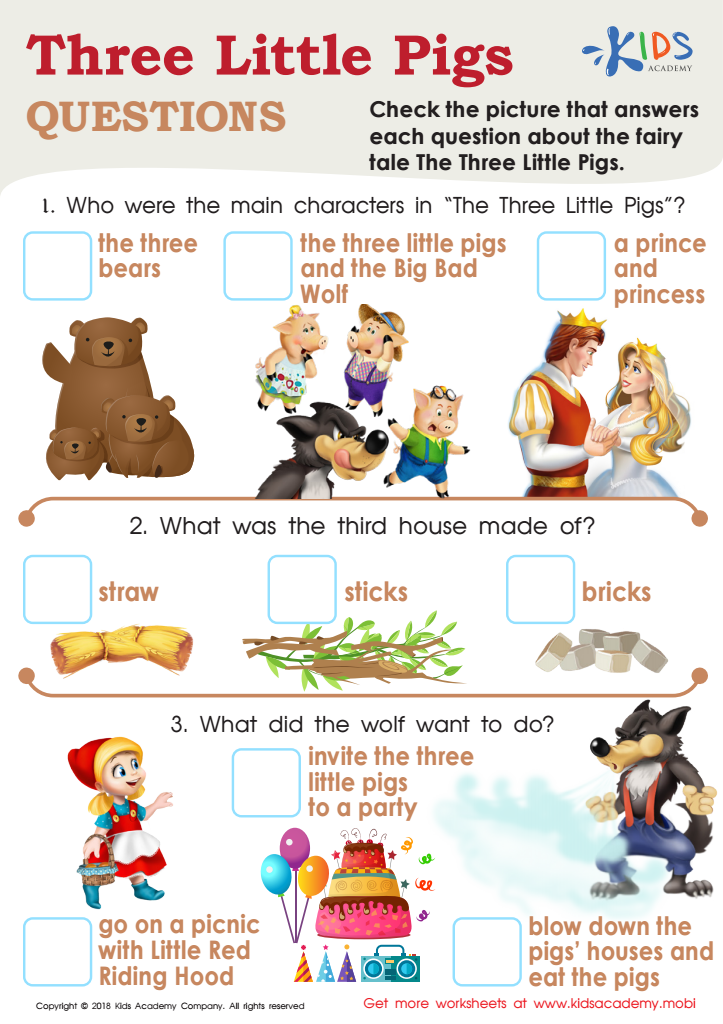
Three Little Pigs Questions Worksheet

Three Little Pigs Questions Worksheet

Does your kid love bedtime stories? Test their classic fairytale knowledge with this worksheet! If they mention The Three Little Pigs, they're in luck - this pdf has them answering questions based off the classic fairytale. They'll check the picture that answers each question about the story. Is their fairytale knowledge up to scratch?
Three Little Pigs Questions Worksheet
Worksheet
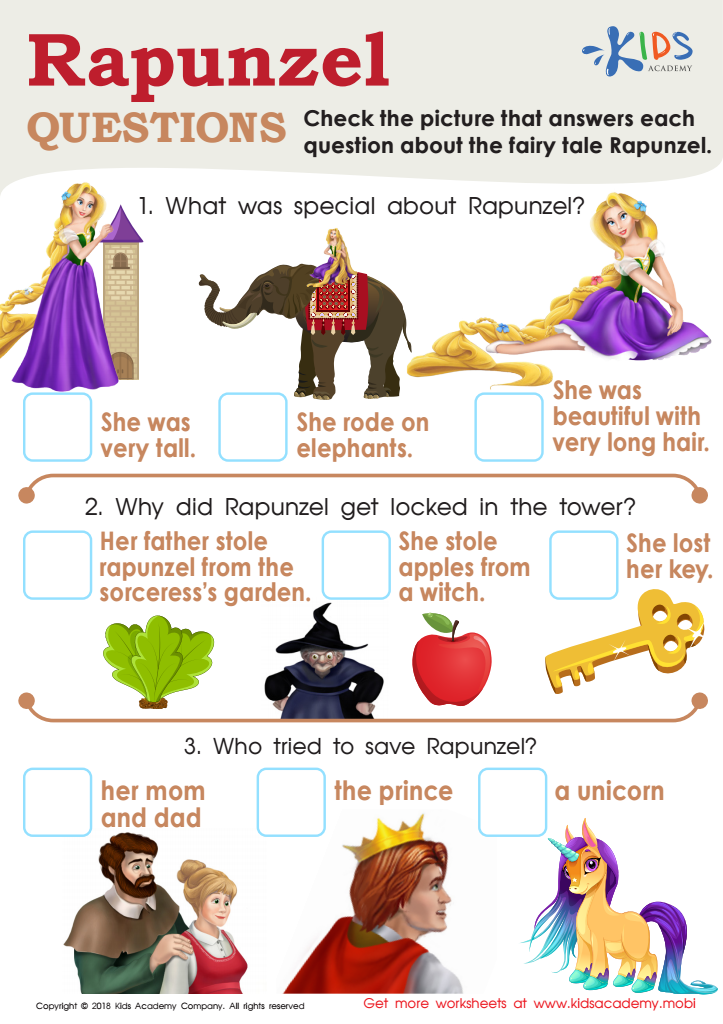
Rapunzel Questions Worksheet

Rapunzel Questions Worksheet

Read the fairy tale 'Rapunzel' to your kids. For those who really enjoyed it, read it twice and ask questions to test their understanding. Then, get them to check the pictures related to the questions to test their comprehension of the story.
Rapunzel Questions Worksheet
Worksheet
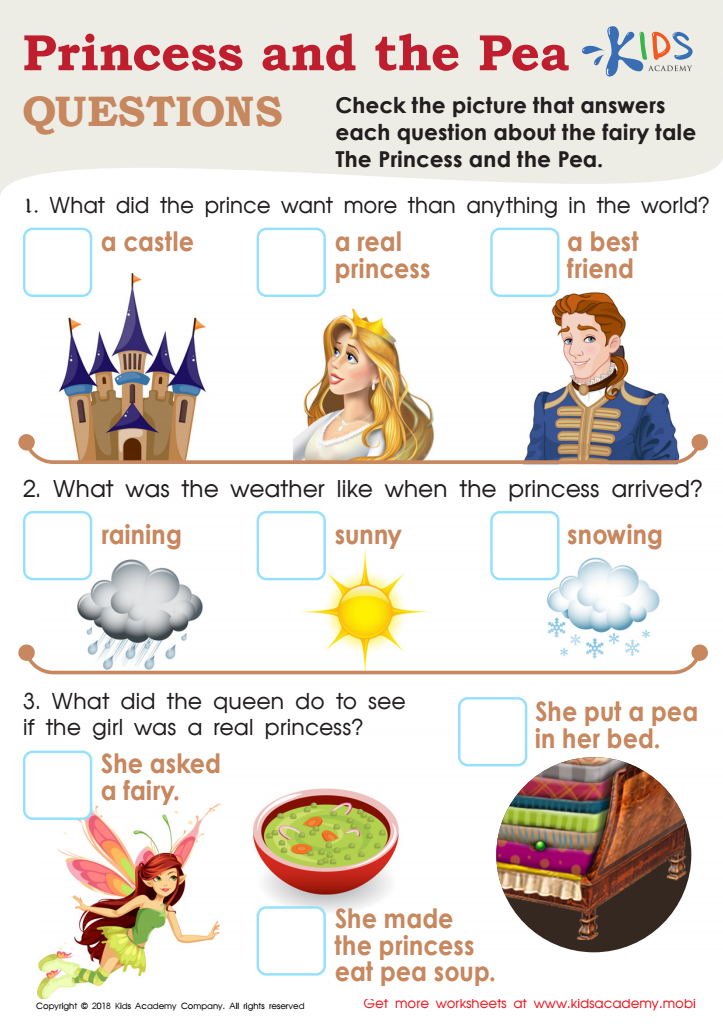
Princess and the Pea Questions Worksheet

Princess and the Pea Questions Worksheet

Your kid knows The Princess and the Pea inside-out? Test their knowledge with this worksheet. Ask your little one to read the questions and match each one to the picture. It's a fun way to see just how much attention they've paid to their bedtime story.
Princess and the Pea Questions Worksheet

Worksheet
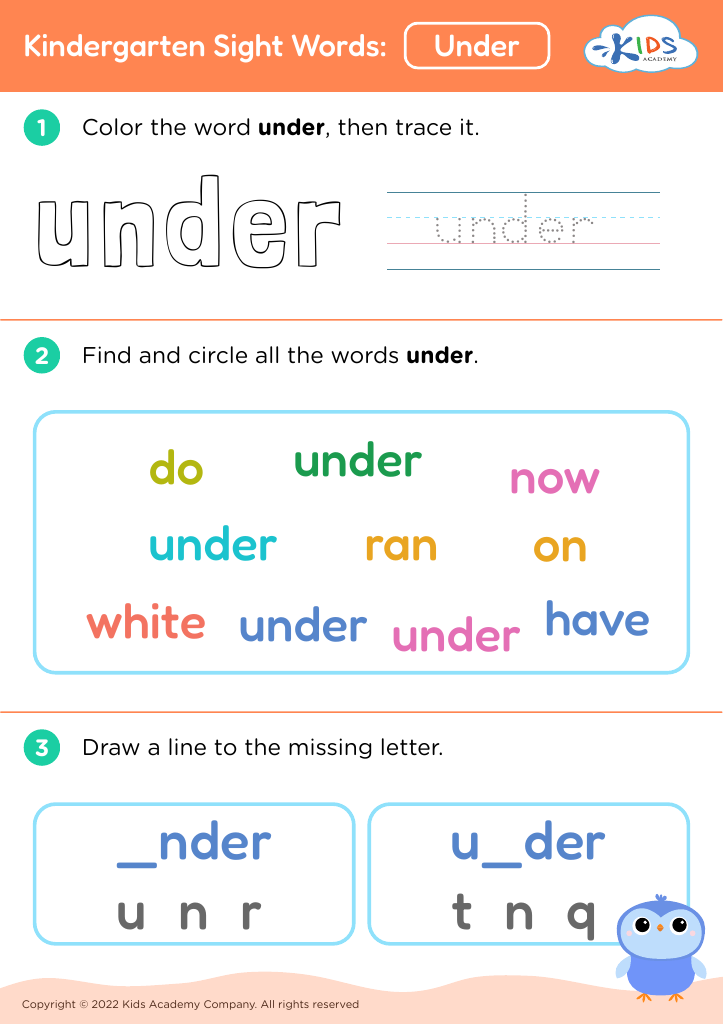
Kindergarten Sight Words: Under

Kindergarten Sight Words: Under

Kindergarten Sight Words: Under
Worksheet


Critical thinking and vocabulary building are foundational skills that significantly impact a 5-year-old’s academic and social development. Parents and teachers should prioritize these areas because they help young children make sense of the world around them. Critical thinking encourages kids to analyze, evaluate, and synthesize information, fostering curiosity and imagination. By asking open-ended questions and engaging in discussions, adults can stimulate a child's cognitive abilities, teaching them how to reason and solve problems effectively.

Equally important, vocabulary building enriches a child's language skills, enabling effective communication. A robust vocabulary allows children to express themselves clearly and persuasively, laying the groundwork for reading and writing proficiency later on. It enhances comprehension, as children with a rich vocabulary can grasp complex concepts more easily.

Moreover, these skills empower children to navigate social interactions confidently, thereby improving emotional intelligence and empathy. Encouraging exploration, discussion, and the use of varied vocabulary in everyday contexts cultivates a love for learning and shapes a child’s critical thinking capability.

By investing in these foundational skills early, parents and teachers facilitate a lifelong capacity for learning, creativity, and effective communication, essential for success in school and beyond.