Enhancing reading skills Building Vocabulary Worksheets for 5-Year-Olds
3 filtered results
-
From - To
Enhancing reading skills with our Building Vocabulary Worksheets for 5-Year-Olds is both fun and educational! These engaging, age-appropriate activities are designed to expand your child's word knowledge, improve their reading comprehension, and foster a lifelong love of reading. Each worksheet is thoughtfully crafted to suit a 5-year-old's learning level, featuring colorful images and simple exercises that make learning to read enjoyable. Perfect for parents and teachers alike, our worksheets aim to seamlessly blend learning and play, helping young learners build a strong vocabulary foundation. Start enhancing reading skills today and watch your child's confidence and abilities grow!
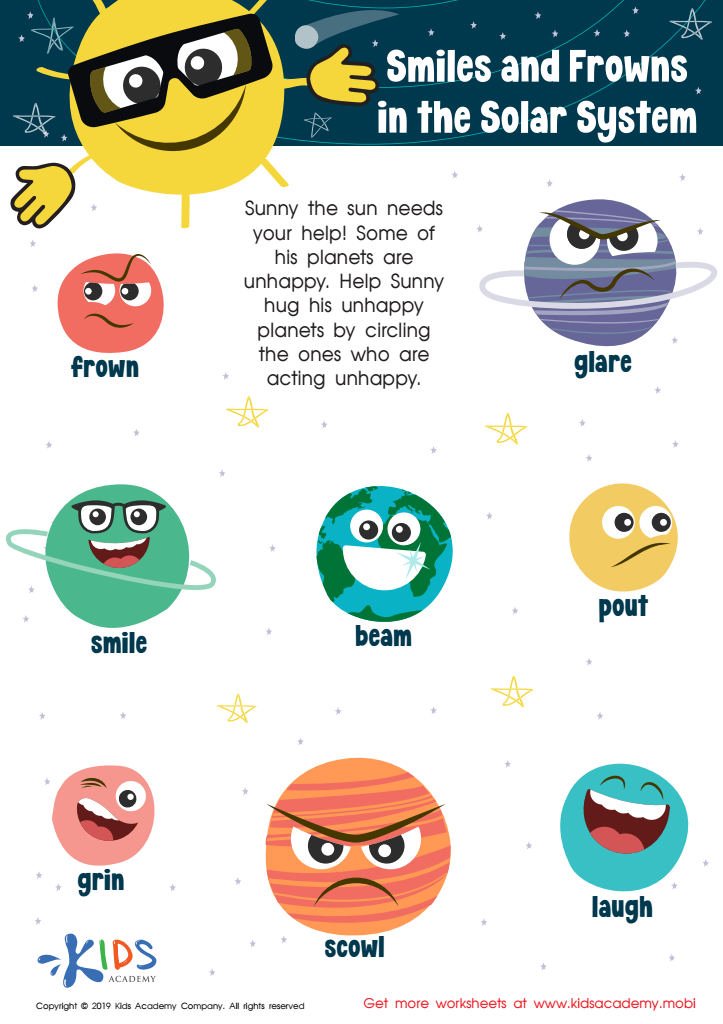
Smile and Frowns in the Solar System Worksheet
 Assign to My Students











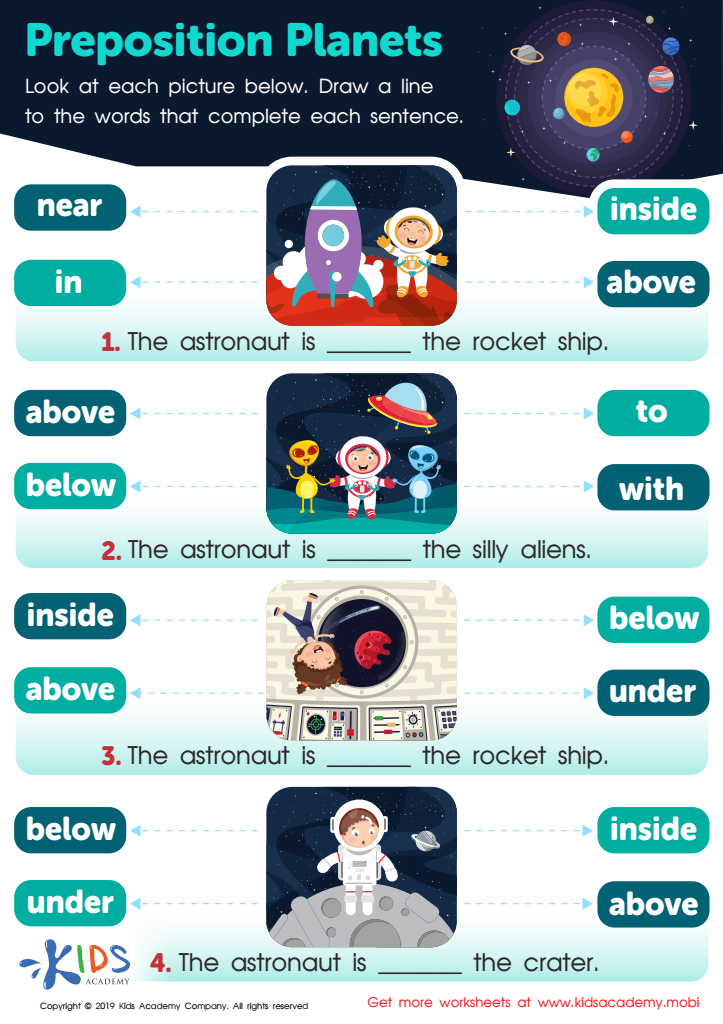
Preposition Planets Worksheet
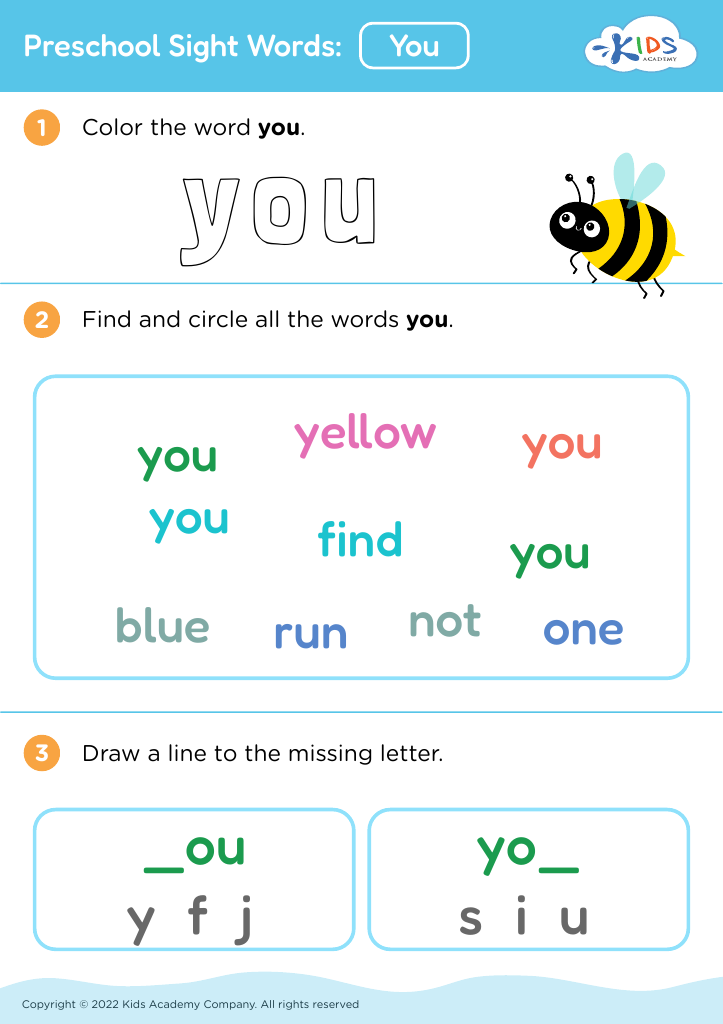



.jpg)




Enhancing reading skills and building vocabulary in 5-year-olds are foundational steps to ensure academic and personal success. At this crucial developmental stage, children's brains are highly receptive to learning new concepts. When parents and teachers focus on fostering reading habits, they lay the groundwork for improved literacy skills, which are critical for future schooling. Early readers tend to perform better across all subjects because reading comprehension aids in understanding complex instructions and materials.
Building vocabulary is equally essential as it directly relates to a child's ability to express themselves, comprehend stories, and engage in more meaningful conversations. A rich vocabulary enhances listening and communication skills, which are pivotal in both social and academic settings. Moreover, children with a broader vocabulary are often more confident in their learning environments, enabling better participation and engagement.
Developing these skills early not only boosts cognitive abilities but also nurtures a lifelong love for learning. Parents and teachers are critical facilitators in this process, creating engaging and multifaceted learning experiences—such as storytelling, interactive reading, and language games—that make literacy and vocabulary learning fun and effective. By investing time and effort now, they can dramatically impact a child's future success and overall relationship with education.








