Following instructions Building Vocabulary Worksheets for 5-Year-Olds
8 filtered results
-
From - To
Enhance your 5-year-old's vocabulary and comprehension skills with our "Following Instructions Building Vocabulary Worksheets." Tailored specifically for young learners, these engaging worksheets encourage children to understand and follow directions while expanding their word recognition. Each activity is designed to make learning fun and interactive, helping kids connect vocabulary with real-world scenarios. The worksheets focus on essential reading and listening skills, fostering confidence as children learn to follow instructions independently. Dive into our collection of colorful, kid-friendly worksheets that make building vocabulary an exciting adventure. Perfect for classrooms or at-home learning, they provide a solid foundation for literacy development.
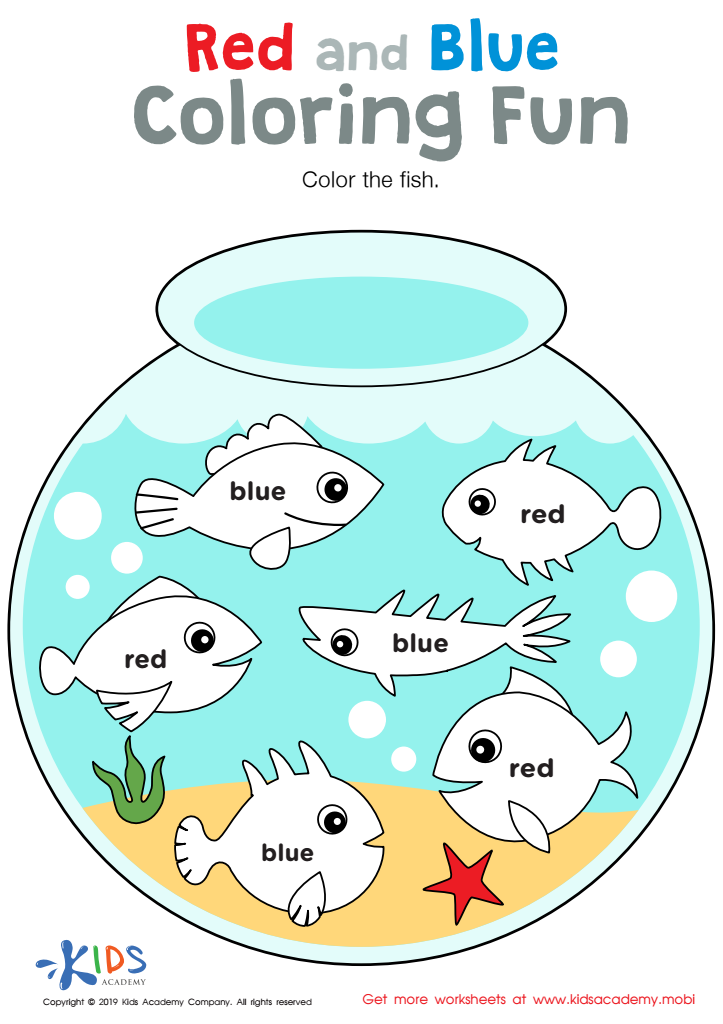
Red and Blue Coloring Fun Worksheet
 Assign to My Students











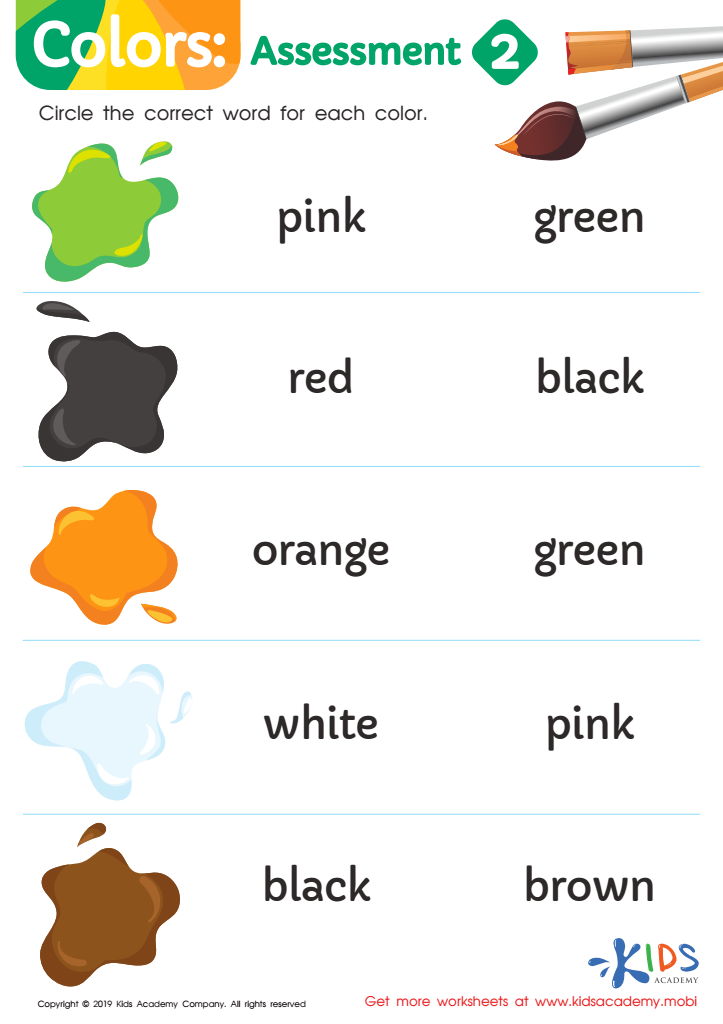
Colors: Assessment 2 Worksheet
Monster's Face Coloring Worksheet
Assign to My Students
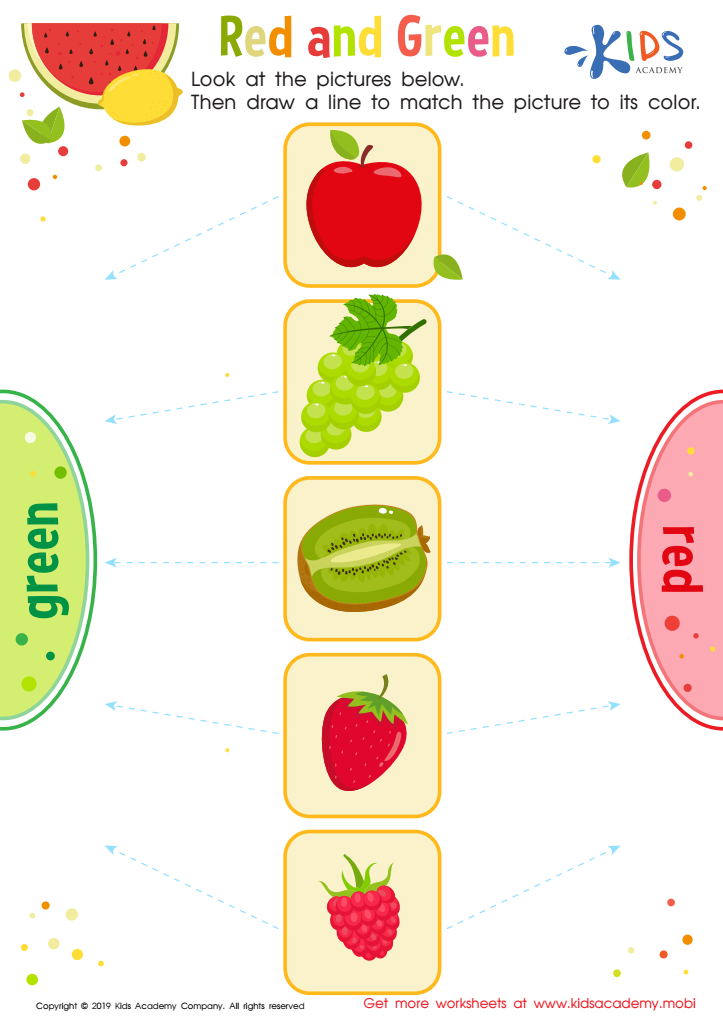
Red and Green Worksheet
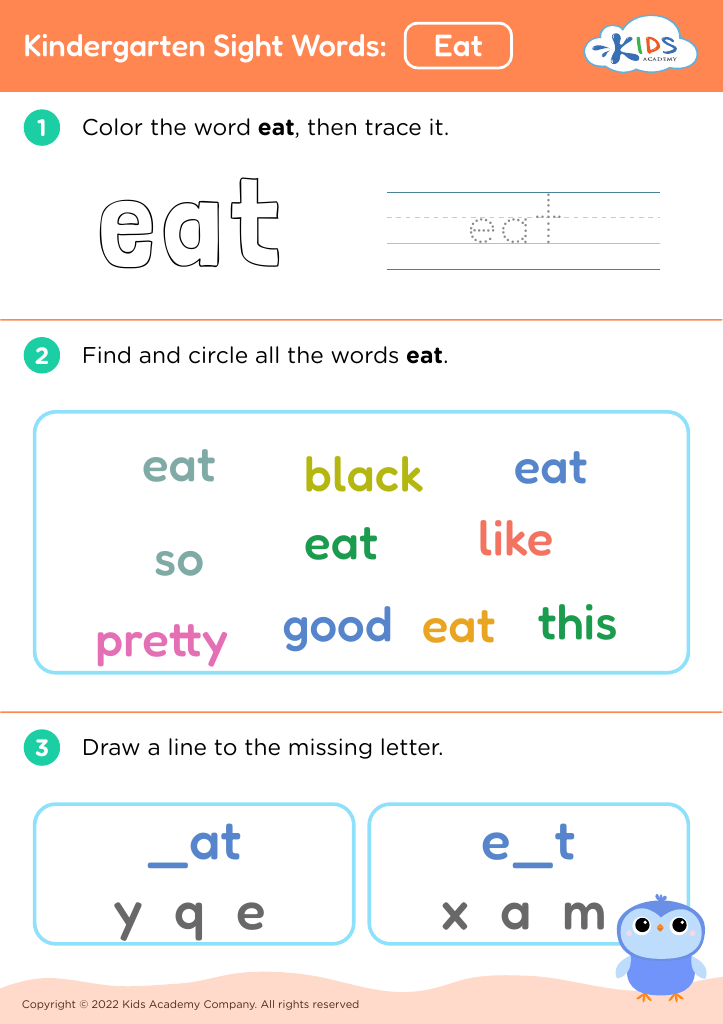
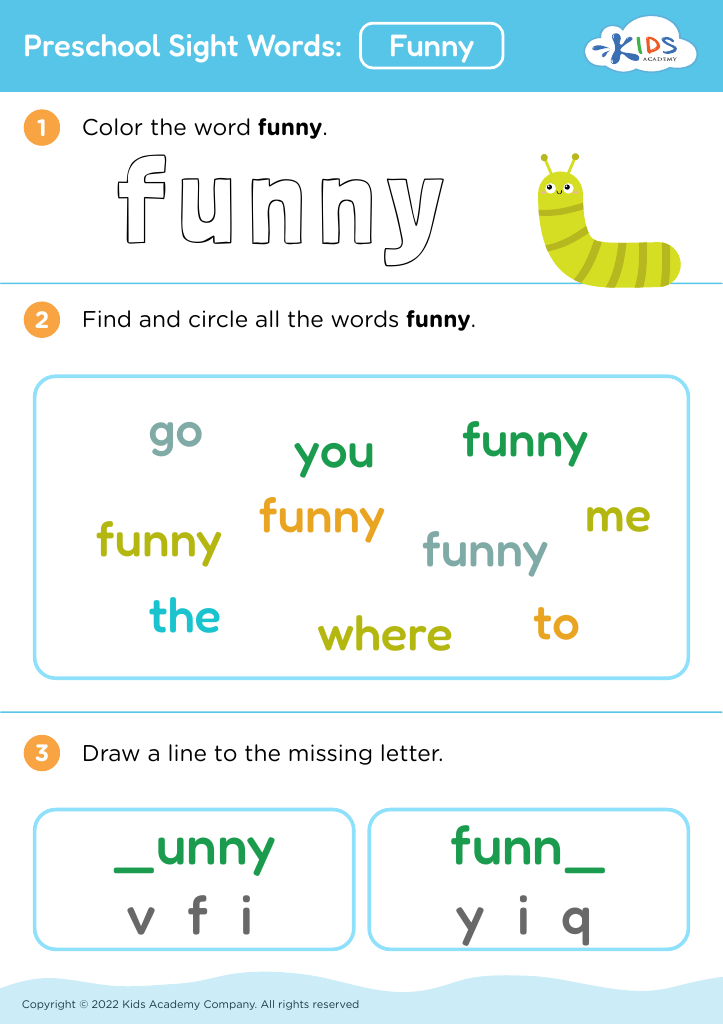
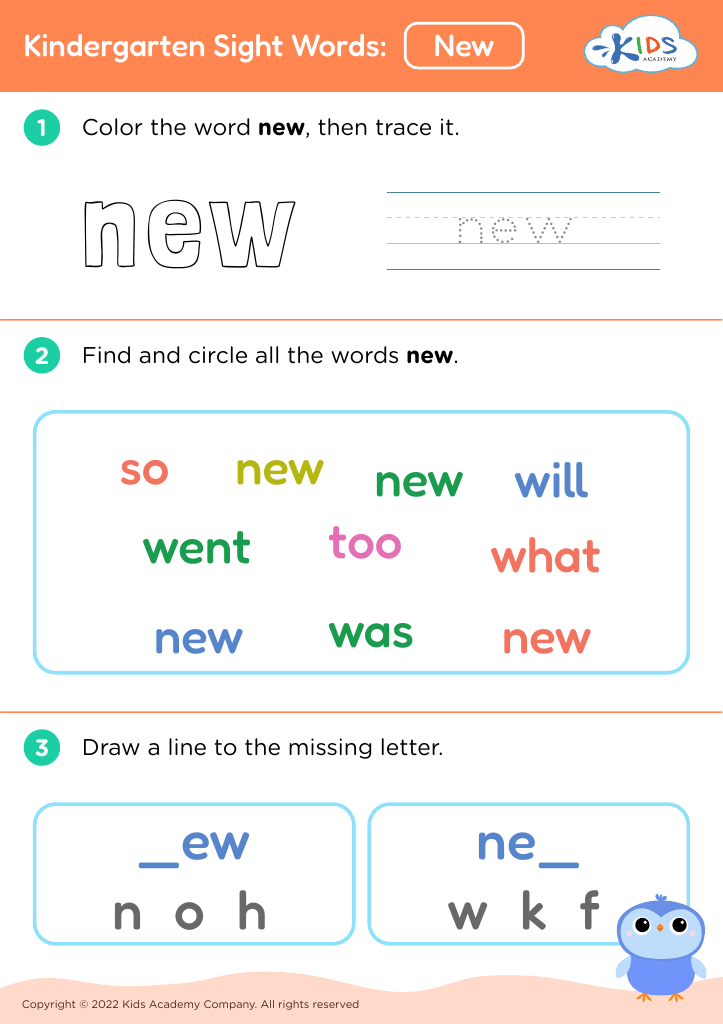
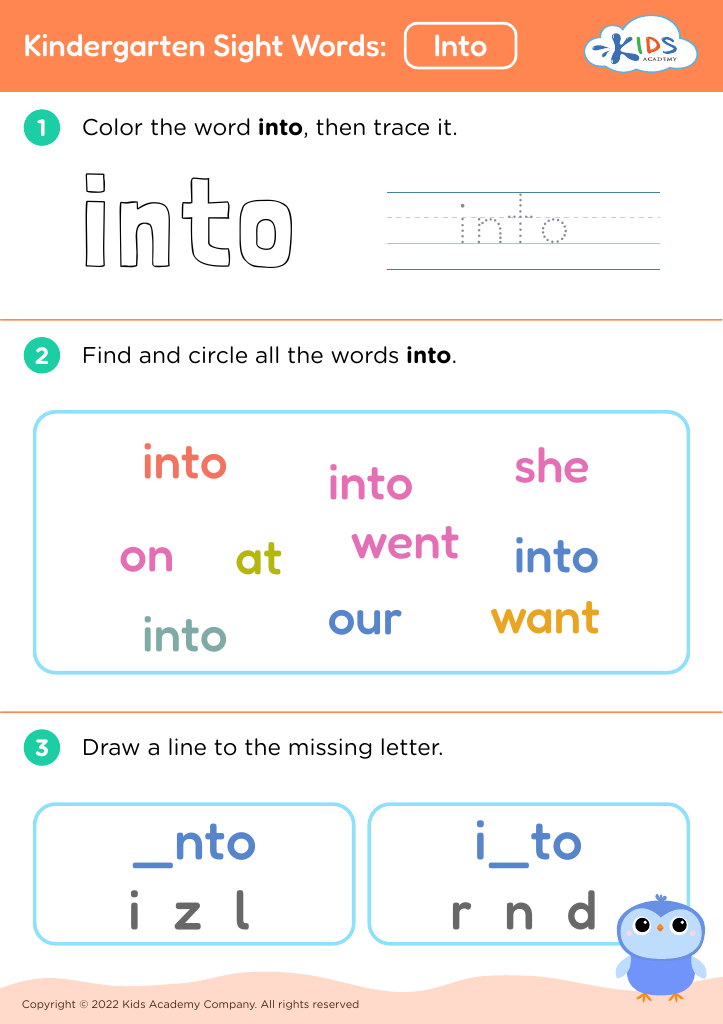








Following instructions and building vocabulary are foundational skills crucial for the development of 5-year-olds. When children learn to follow instructions, they enhance their listening skills and ability to understand verbal and written communication. This skill is essential for classroom success, as it helps children complete tasks accurately, work collaboratively, and foster positive relationships with peers and teachers.
Moreover, building vocabulary at this age is paramount. A rich vocabulary is linked to better reading comprehension and overall academic performance. Exposure to varied words helps children express their thoughts and feelings more effectively. It also plays a crucial role in cognitive development, encouraging critical thinking and creativity.
Parents and teachers should prioritize these skills because they promote independence and self-confidence in young learners. Whether in educational settings or at home, engaging children through games, storytelling, and interactive activities that emphasize following instructions and vocabulary expansion can enrich their learning experience. By investing time and effort into these areas, parents and teachers equip children with the tools they need to navigate their environment, participate actively in their education, and lay a strong foundation for lifelong learning and communication skills. These early investments significantly impact their future academic and social success.








