
Fraction comparison Building Vocabulary Worksheets for 5-Year-Olds
7 filtered results
Difficulty Level
Grade
Age
-
From - To
Subject
Activity
Standards
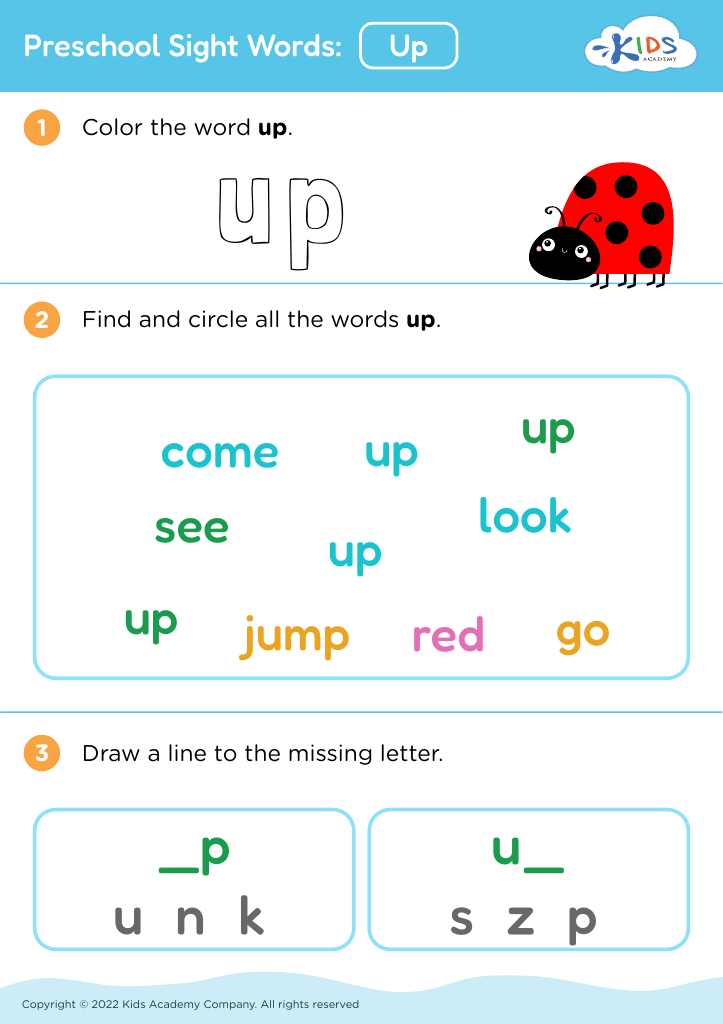
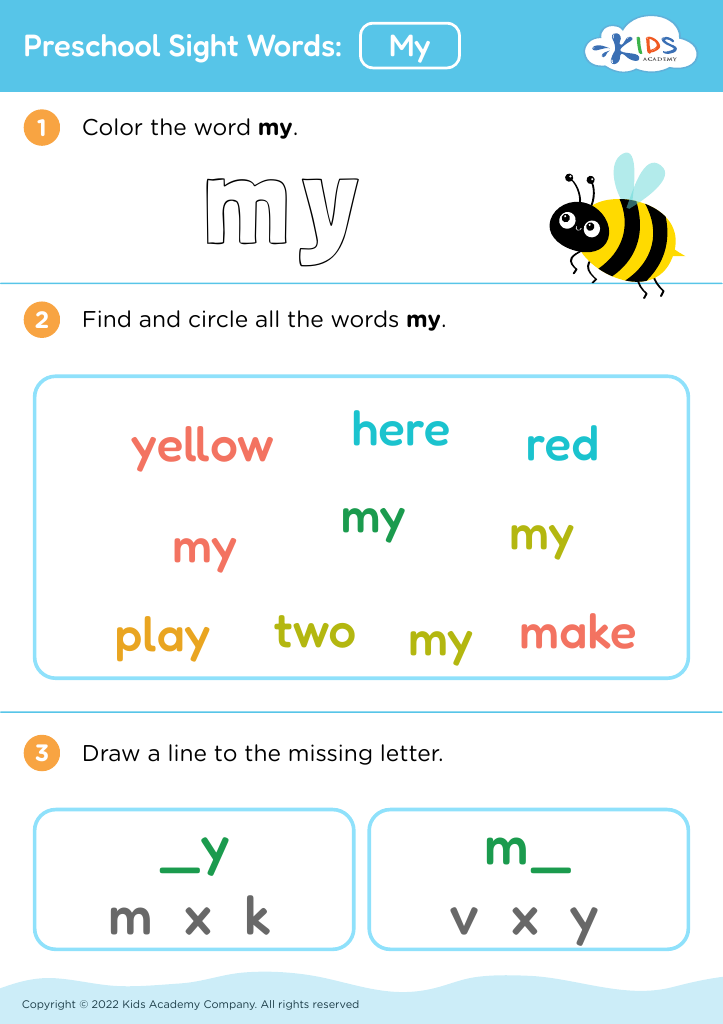
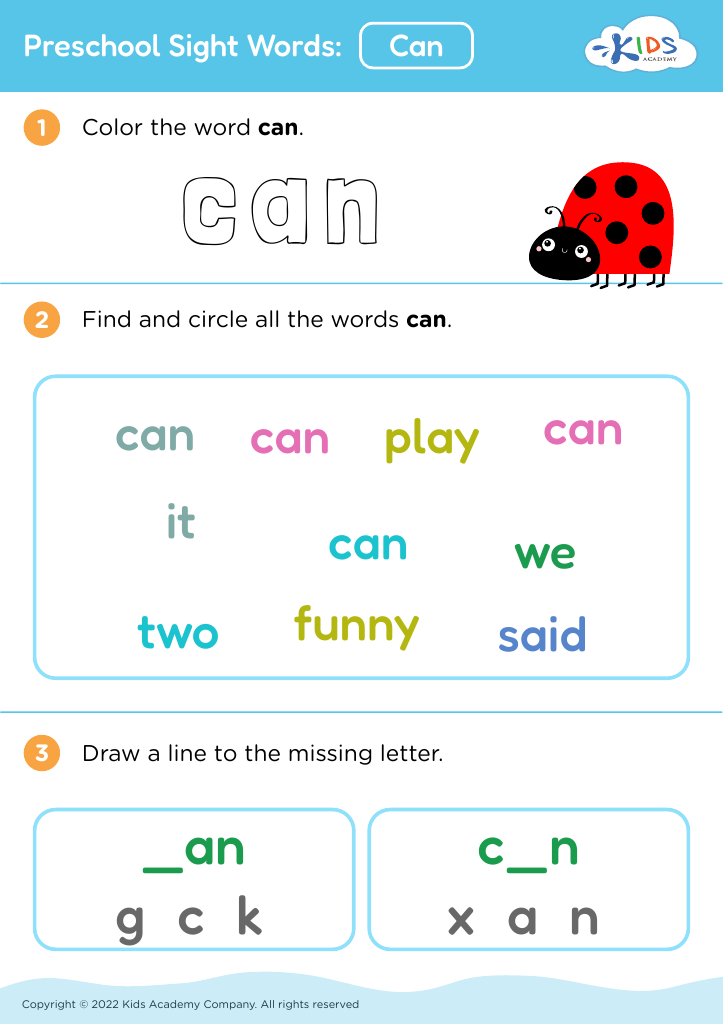
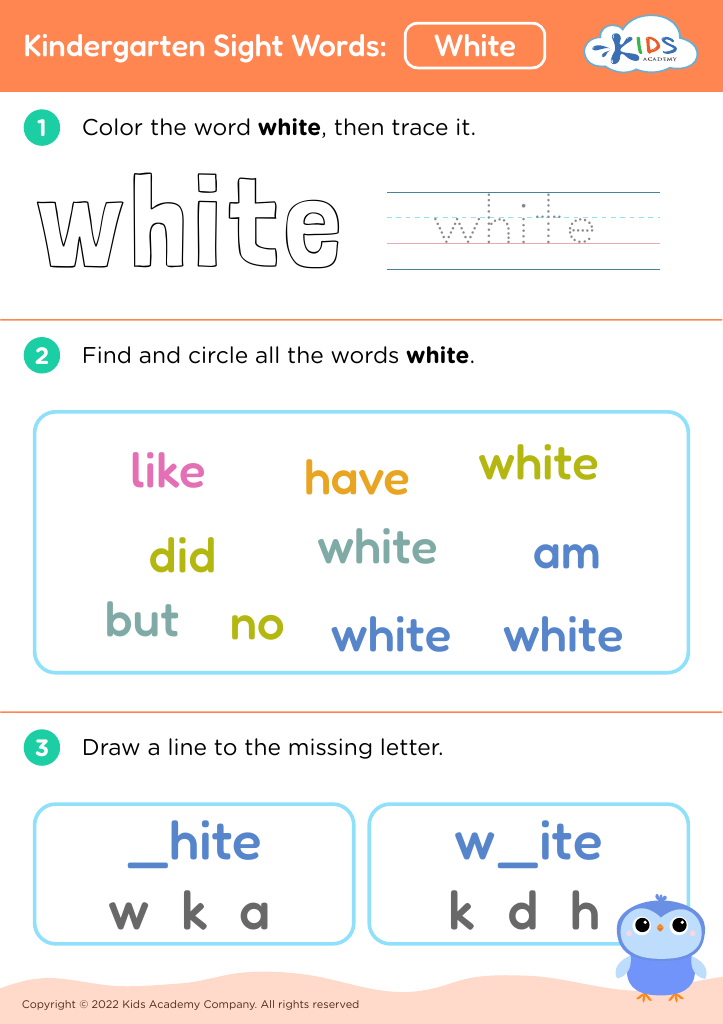
Introducing engaging Fraction Comparison Building Vocabulary Worksheets designed for 5-year-olds! Our fun and interactive worksheets help young learners grasp basic fraction concepts while building essential vocabulary skills. Through colorful visuals and simple instructions, children will learn to compare fractions and expand their math vocabulary. Perfect for classroom use or at-home practice, these worksheets make learning easy and enjoyable. Help your child develop a strong foundation in both math and language arts effortlessly. Dive into the world of fractions with our expertly crafted resources, encouraging a love for learning from an early age!
Favorites
With answer key
Interactive











Join Kids Academy for Free
Who is primarily going to use this learning content?








Introducing fraction comparison and vocabulary building to 5-year-olds is vital for their cognitive and mathematical development. At this tender age, children are highly receptive to learning new concepts and laying down strong foundational skills that will benefit them in the future. Understanding fractions, even in simple terms, enhances a child's number sense, which is crucial for more advanced math learning. It fosters logical thinking as they learn how parts fit into a whole, contributing significantly to their problem-solving abilities.
Moreover, as they compare fractions, children develop critical vocabularies such as "half," "quarter," "whole," "greater than,” and “less than.” These terms are not only fundamental in math but also in real-life scenarios, thus enhancing their comprehension skills. When parents and teachers prioritize building this vocabulary, they help children articulate their thoughts more clearly and confidently.
Engaging in fraction comparison activities encourages hands-on learning and can be quite fun, making math a positive experience. Games, visual aids, and interactive tools piqué their interest and make abstract concepts more tangible. By nurturing this vocabulary and understanding early, parents and teachers set up children for academic success, boosting their self-esteem and enthusiasm toward learning. This early intervention plays a crucial role in a child’s overall educational journey.








