Improve reading comprehension Building Vocabulary Worksheets for 5-Year-Olds
3 filtered results
-
From - To
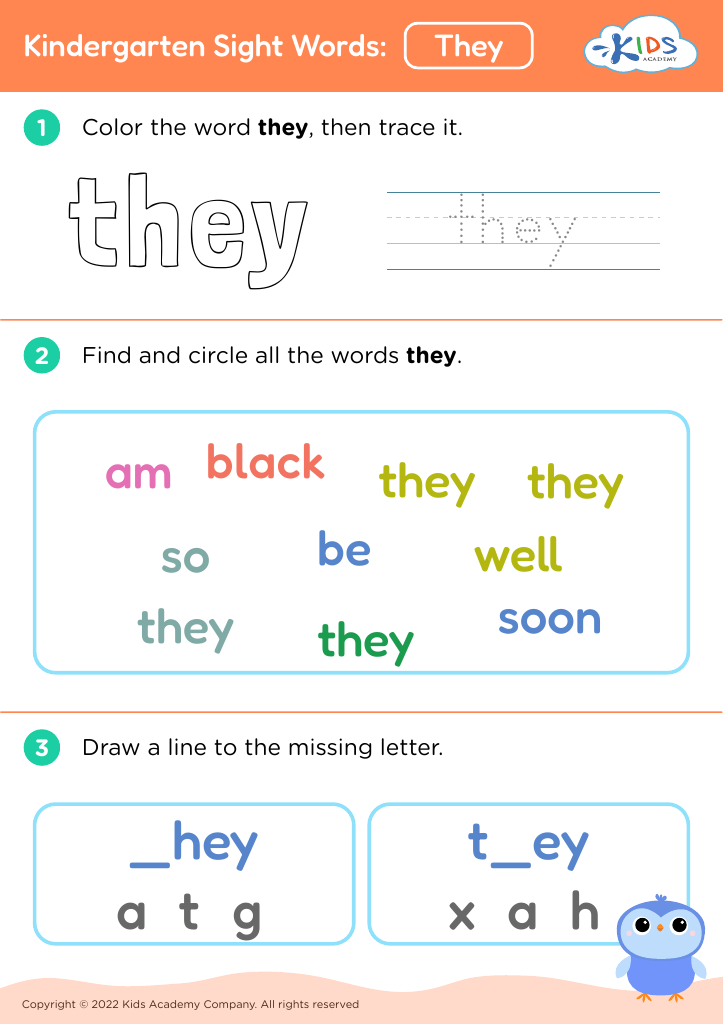
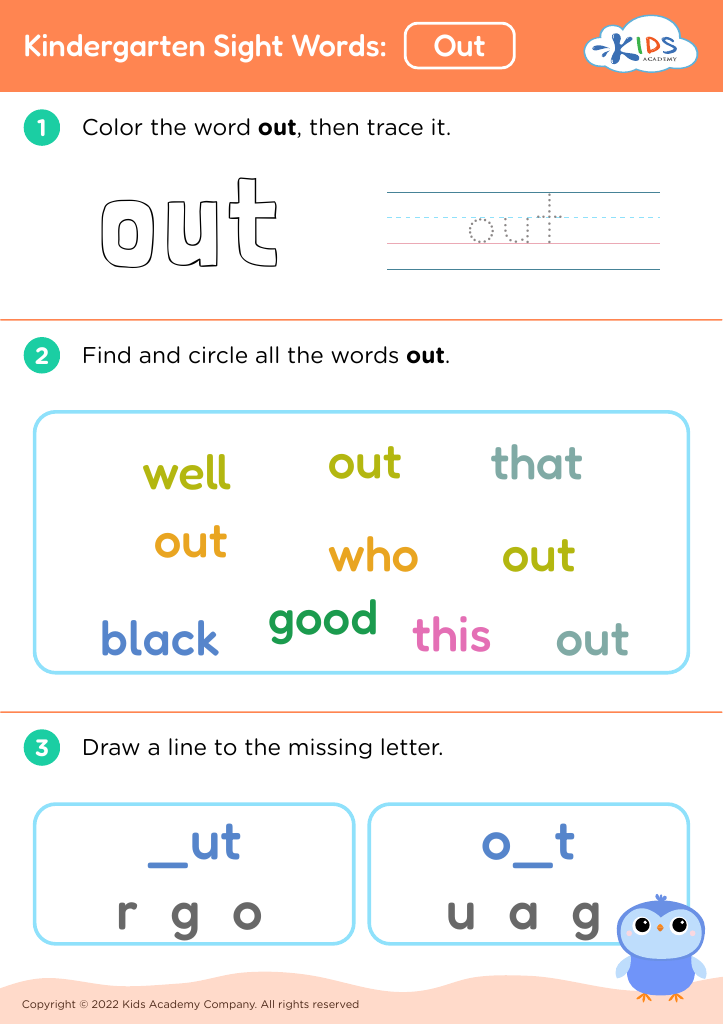
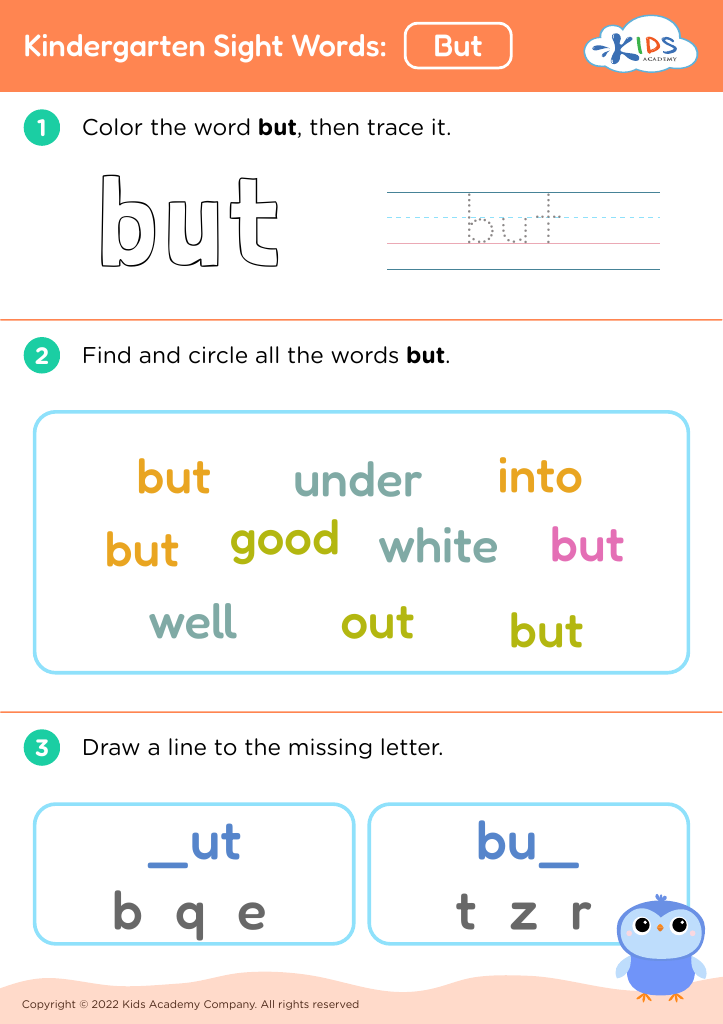
Enhance your child's reading comprehension with our engaging Building Vocabulary Worksheets designed specifically for 5-year-olds. These fun and interactive resources help young learners develop essential vocabulary skills, setting a strong foundation for effective reading and language use. Tailored for early education, our worksheets incorporate colorful illustrations and age-appropriate activities that captivate children's attention while promoting learning. Through games, matching exercises, and word puzzles, kids will explore new words in context, boosting their understanding and retention. Perfect for both classroom and home use, our printable worksheets encourage a love for reading while guiding children towards becoming confident readers! Start nurturing their skills today!















.jpg)


.jpg)
Improving reading comprehension and building vocabulary in 5-year-olds is crucial for their overall educational development. At this age, children are like sponges, eagerly absorbing language skills that will lay the foundation for their future learning. A strong vocabulary enhances their ability to express themselves clearly, understand others, and engage in meaningful conversations. This essential skill is not only vital for communication but also forms the basis for comprehension, which is critical as they move on to more complex texts.
When parents and teachers actively engage in vocabulary-building activities—such as reading together, introducing new words, and encouraging questioning—they foster a love for language. This enthusiasm can provide children with the confidence to explore reading independently. Improved reading comprehension enables young learners to make connections between ideas, navigate storytelling, and extract crucial information from texts, which serves them throughout their academic careers.
Furthermore, well-developed reading skills positively impact other subjects, including math and science, where understanding terminology is essential. By prioritizing these skills in early education, parents and teachers can significantly increase a child's chances of academic success and lifelong learning, ultimately shaping their cognitive and social skills in profound ways.








