Mathematical reasoning Building Vocabulary Worksheets for 5-Year-Olds
5 filtered results
-
From - To
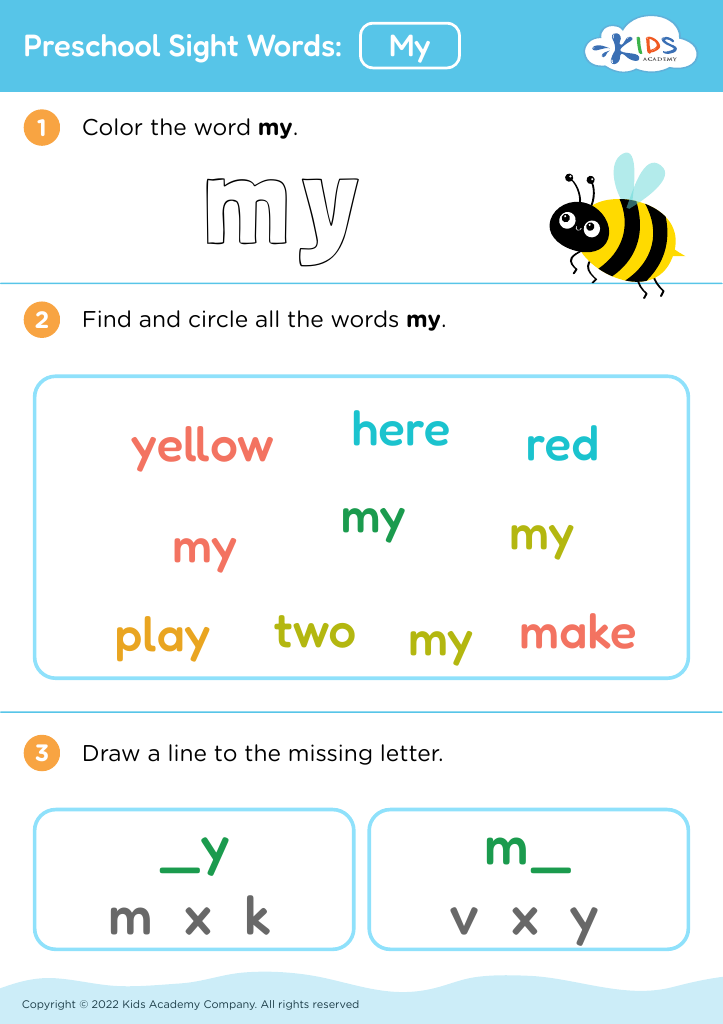
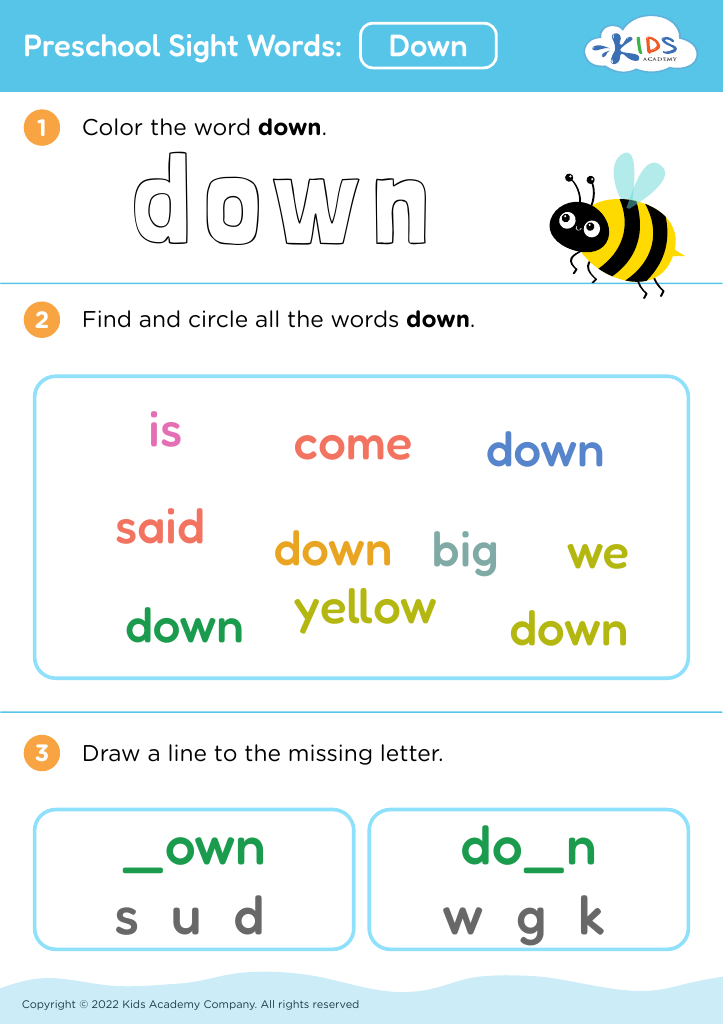
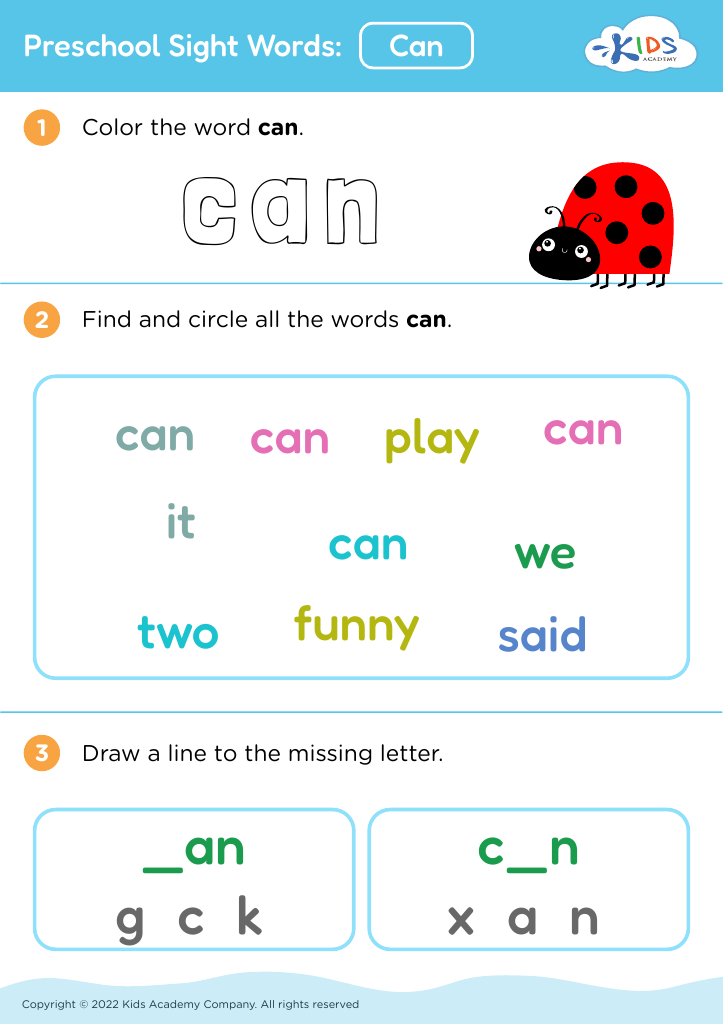
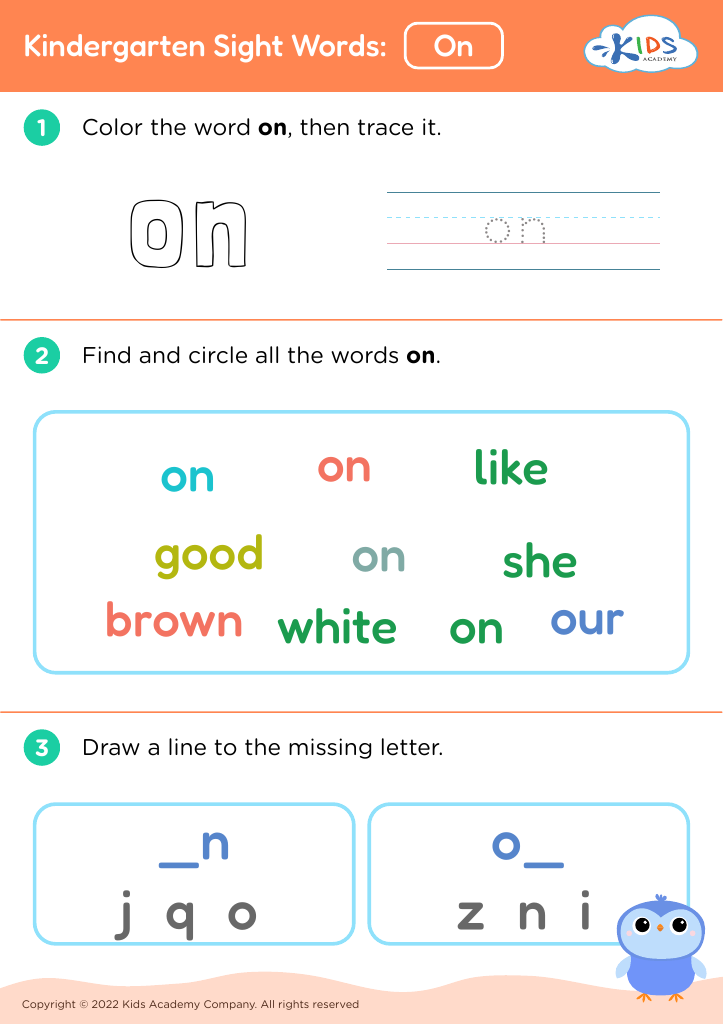
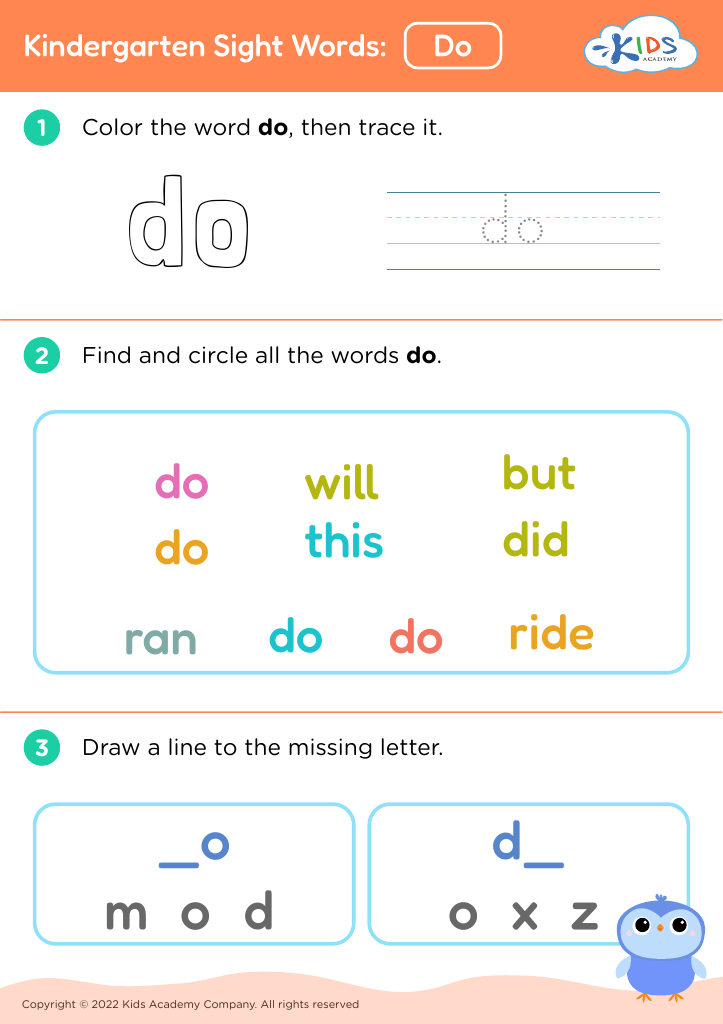
Enhance your child's mathematical reasoning skills with our engaging Building Vocabulary Worksheets designed specifically for 5-year-olds! These worksheets offer a fun and interactive way to introduce foundational math concepts while expanding vocabulary. Each activity encourages critical thinking as young learners practice counting, identifying shapes, and understanding simple patterns in a playful context. With bright illustrations and age-appropriate exercises, children will build confidence in their mathematical abilities and strengthen their language skills. Perfect for at-home learning or classroom use, these worksheets foster a love for math and vocabulary, laying a robust educational foundation for future success. Explore our resources today!



















Mathematical reasoning is a crucial foundational skill for young learners, laying the groundwork for future academic success. For 5-year-olds, developing this reasoning is intricately linked to building a strong mathematical vocabulary. When parents or teachers prioritize this aspect of learning, they enable children to express and understand mathematical concepts more effectively.
A robust mathematical vocabulary allows children to articulate their thoughts, make connections between concepts, and tackle problems with confidence. Terms like "more," "less," "equal," "shape," and "group" help them navigate their world and form important cognitive links. This vocabulary not only enhances their problem-solving skills but also supports their overall literacy, as language and mathematics are interconnected.
Furthermore, fostering mathematical reasoning supports critical thinking and logical progression. By encouraging children to explain their thought processes, adults can help them develop a deeper understanding of numbers, patterns, and relationships—skills that will serve them well beyond the classroom.
Finally, engaging in activities that promote this understanding builds a positive attitude towards math, discouraging the anxiety many learners face later. By nurturing these skills early, parents and teachers provide children with the tools needed to succeed across a range of subjects and in everyday life.








