Color Identification Reading Worksheets for 5-Year-Olds
8 filtered results
-
From - To
Unlock a bright future with our Color Identification Reading Worksheets specially designed for 5-year-olds! These fun and engaging printable sheets combine color recognition with early reading skills, encouraging young minds to match vibrant hues to their corresponding names. Tailored by experts at Kids Academy, each worksheet promotes cognitive development and fine motor skills through playful activities. Perfect for at-home practice or classroom learning, our worksheets make it easy for preschoolers to build a strong foundation in both reading and color identification. Visit Kids Academy to help your child learn and grow through the magic of color!
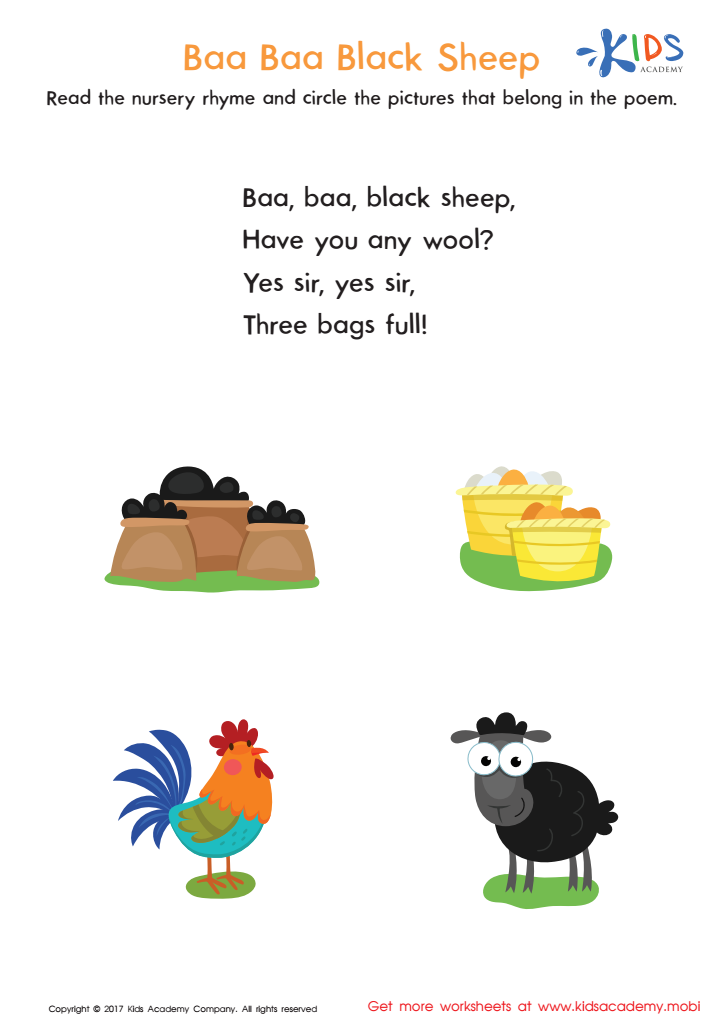
Baa Baa Black Sheep Printable
 Assign to My Students
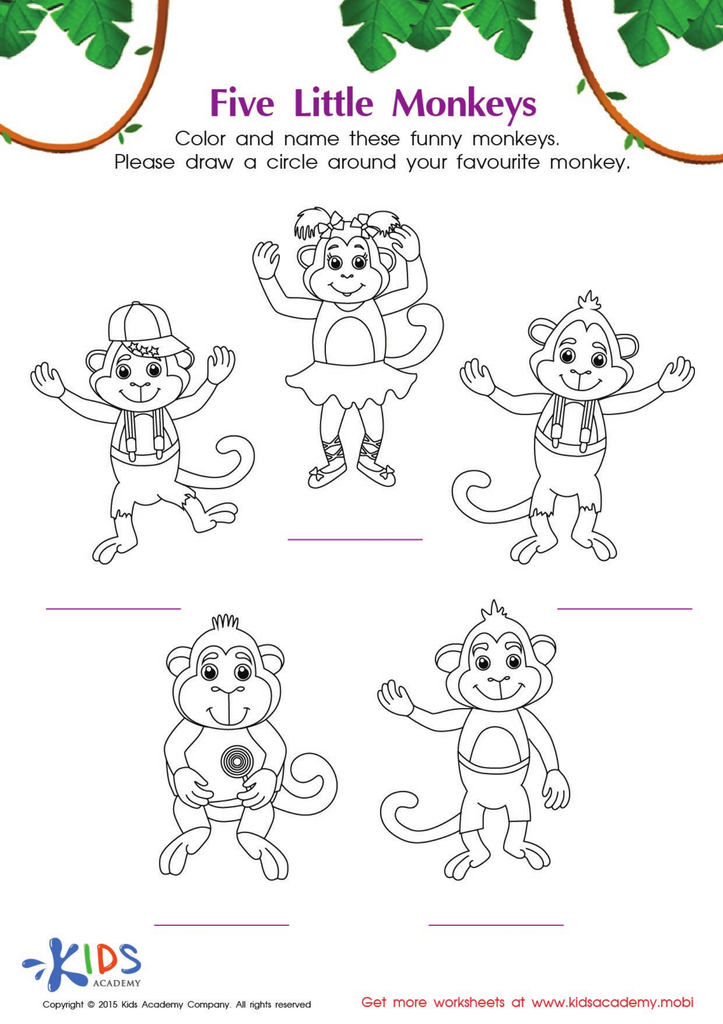
The Five Little Monkeys Coloring Worksheet
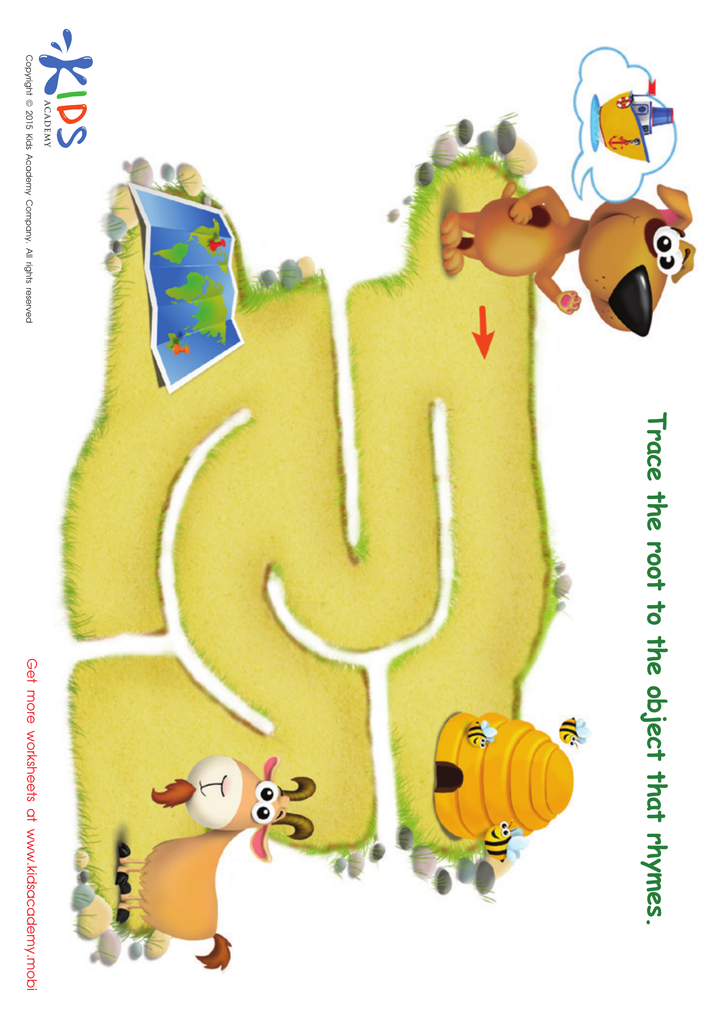
Boat Rhyming Words Worksheet
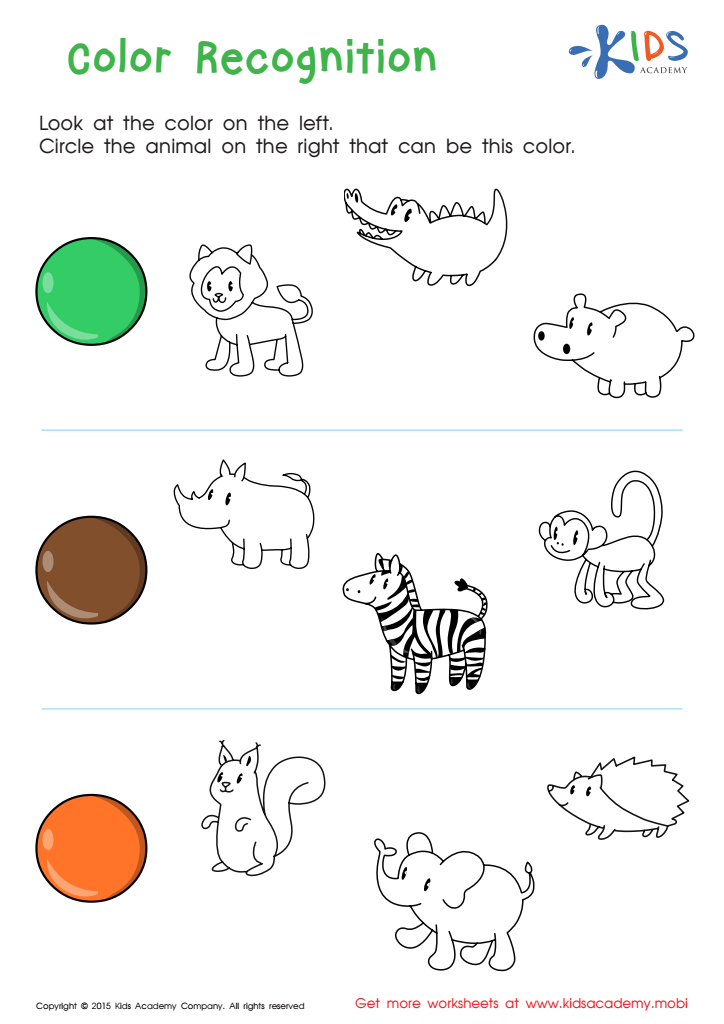
First Words: Color Recognition Worksheet
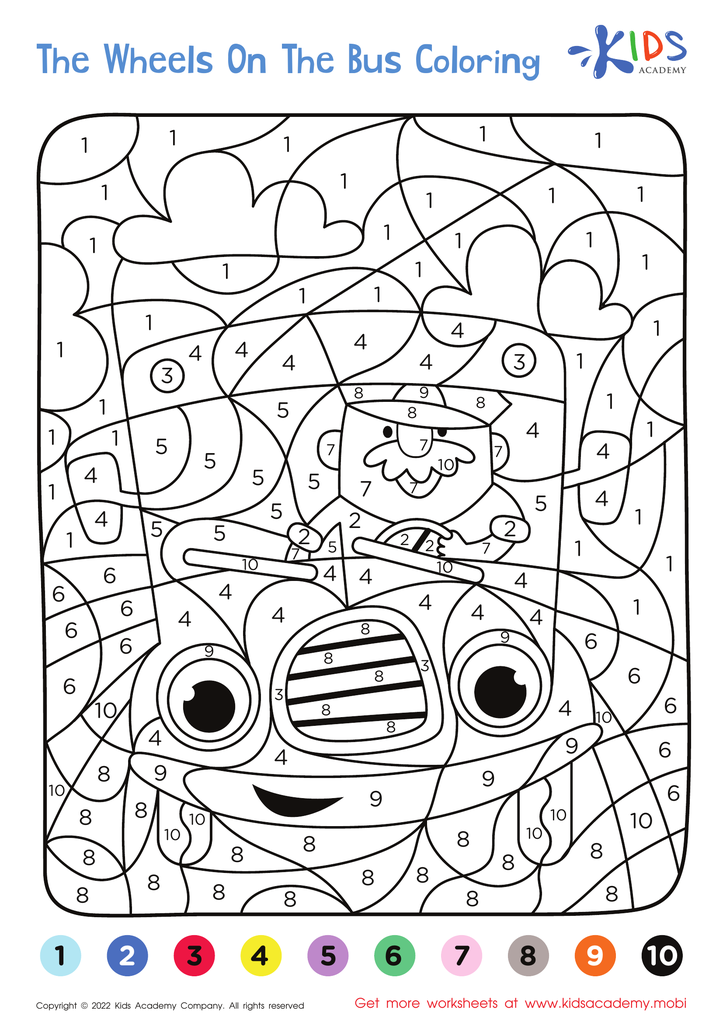
Wheels on the Bus – Coloring by Numbers
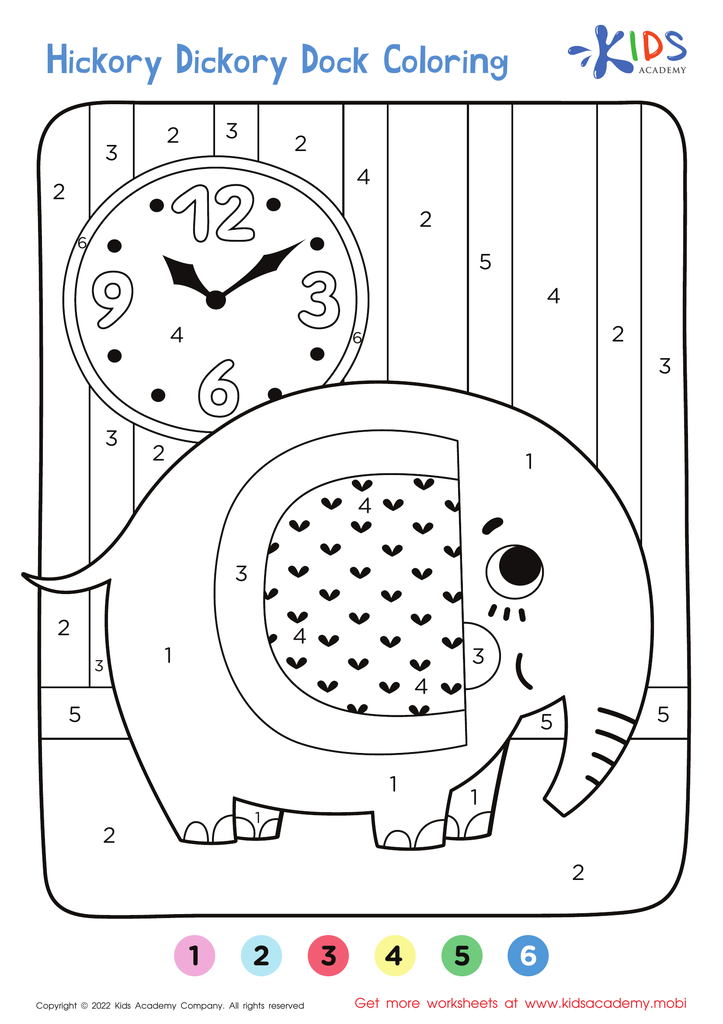
Hickory Dickory Dock – Coloring by Numbers



.jpg)



Color identification is not just about recognizing and naming colors, but a foundational skill that plays a significant role in a child's overall cognitive development. For 5-year-olds, mastering this ability is crucial for several reasons.
First and foremost, color identification helps enhance children’s language skills. Labeling colors allows them to expand their vocabulary and practice using descriptive words. This linguistic development is vital for effective communication and literacy skills.
Secondly, learning about colors aids in cognitive development, specifically in areas like classification and sorting, which are foundational skills for mathematics. When children learn to identify and categorize colors, they are sharpening their logical thinking and problem-solving abilities, translating to better academic performance in various subjects as they progress through school.
Additionally, recognizing and distinguishing colors is an early scientific skill. It helps young learners observe and understand the world around them in a detailed manner, fostering curiosity and investigation. Teachers and parents can nurture this curiosity by engaging children in conversations and activities about the environment, art, and nature, where color plays a pivotal role.
Finally, color identification promotes social development and inclusion. In daily interactions, such as choosing clothes or participating in group activities, being able to discuss and identify colors fosters interaction and collaboration among peers.
By prioritizing color identification reading, caregivers and educators set the child on a path of enriched learning and holistic development.








