
Develop critical thinking Reading Worksheets for 5-Year-Olds
4 filtered results
Difficulty Level
Grade
Age
-
From - To
Subject
Activity
Standards
Unlock the power of critical thinking for your 5-year-old with our engaging reading worksheets! Designed specifically for young learners, these worksheets blend fun and education, fostering essential cognitive skills through captivating stories and questions. Children will enhance their comprehension and reasoning abilities as they interact with imaginative texts and illustrations. Each worksheet encourages thoughtful reflection, teaching kids how to make inferences and connections. Our resources aim to spark curiosity and creativity, setting a strong foundation for lifelong learning. Perfect for home or classroom use, these worksheets make developing critical thinking skills enjoyable and effective. Start your child's journey to becoming an insightful reader today!
Favorites
With answer key
Interactive
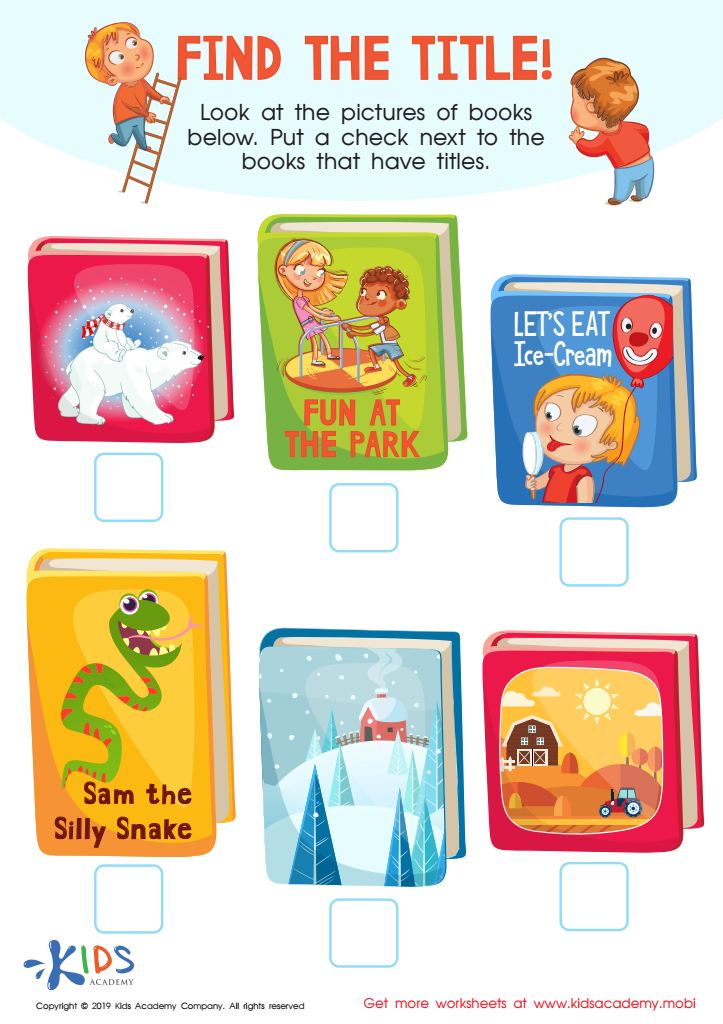
Find the Title Worksheet
Help your kids to identify the colors of the books on this worksheet. Ask them to spot the differences between the six books, such as which ones have titles printed on their covers. Ask them to put a check next to the books with titles. This activity will promote your kids' thinking skills.
 Assign to My Students
Find the Title Worksheet
Worksheet
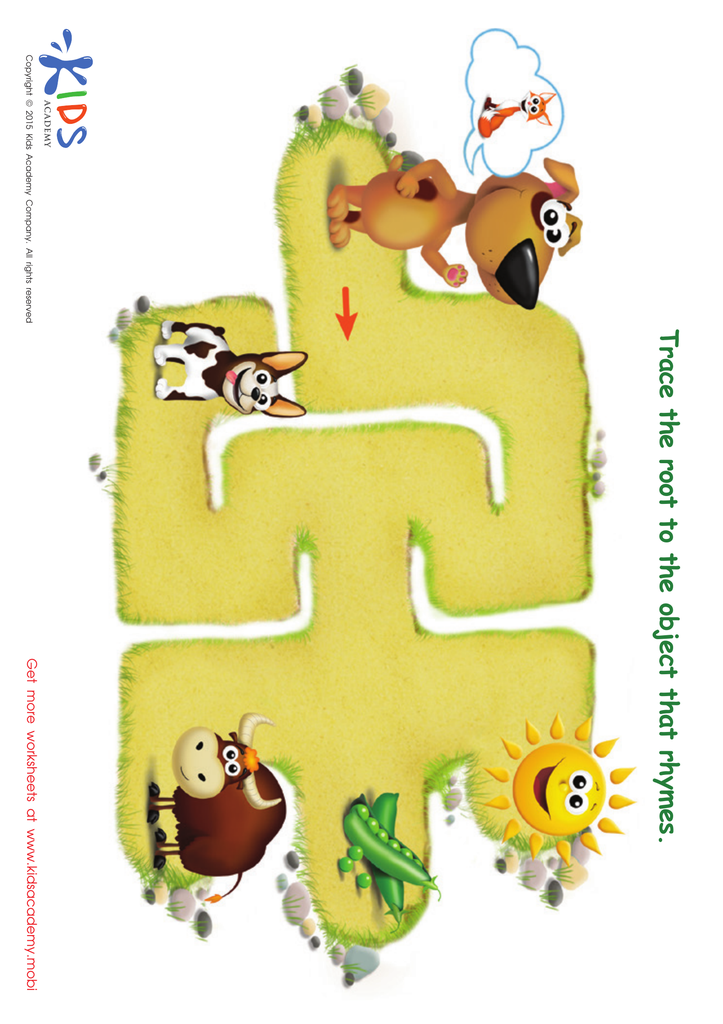
Fox Rhyming Words Worksheet
Can your child rhyme a fox? Listen carefully and see if it's sun, beans, or ox! Help your child recognize rhymes with a pencil or crayon maze. Travel from the dog to the picture that rhymes. This worksheet builds pre-reading skills - a great way to learn!
Fox Rhyming Words Worksheet
Worksheet
Join Kids Academy for Free
Who is primarily going to use this learning content?








Developing critical thinking skills in young children, particularly through reading, is essential for several reasons. At the age of five, children's cognitive abilities are rapidly expanding, and cultivating critical thinking during this formative period helps them become more analytical, independent thinkers. As they engage with stories, children learn to question, infer, and predict, fostering deeper comprehension beyond mere rote memorization of facts.
Moreover, critical thinking nurtures creativity and problem-solving skills. When children read and discuss various narratives, they learn to assess different perspectives, which encourages openness to new ideas and enhances their ability to collaborate with peers. This skillset isn't only foundational for academic success but also vital for social interactions and lifelong learning.
Parents and teachers play a crucial role in guiding this development. By selecting engaging books and encouraging discussions about themes, characters, and morals, adults can create an interactive reading experience. Prompting children to think about "what if" scenarios or alternative endings encourages them to express their opinions and reason through different viewpoints, reinforcing their verbal skills.
Ultimately, fostering critical thinking in reading equips children to navigate complexity in a rapidly changing world, setting the stage for confident, competent individuals in both their academic and personal lives.








