Unlock your child's learning potential with our "Understanding Fractions Reading Worksheets" designed specifically for 5-year-olds! These engaging worksheets introduce the concept of fractions in a fun and relatable way, using vivid illustrations and simple language. With activities that promote reading comprehension and critical thinking, your little one will explore the basics of fractions, including halves, thirds, and quarters. Our dynamic resources not only enhance literacy skills but also lay the foundation for essential math concepts. Perfect for parents and educators, these worksheets encourage independent learning while making fraction concepts clear and enjoyable! Get started on this delightful educational journey today!
Check out this FREE Trial Lesson on Reading for age 5!

D

Favorites
With answer key
Interactive
  • 5
  • Understanding fractions
  • Reading
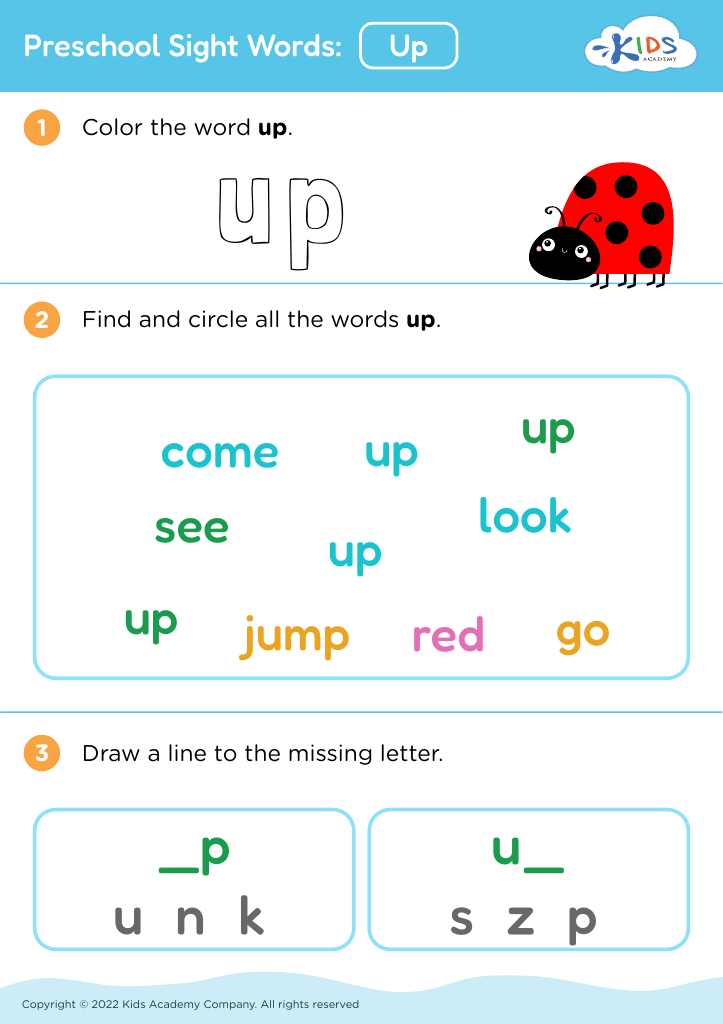
Preschool Sight Words: Up

Preschool Sight Words: Up

Preschool Sight Words: Up
Worksheet
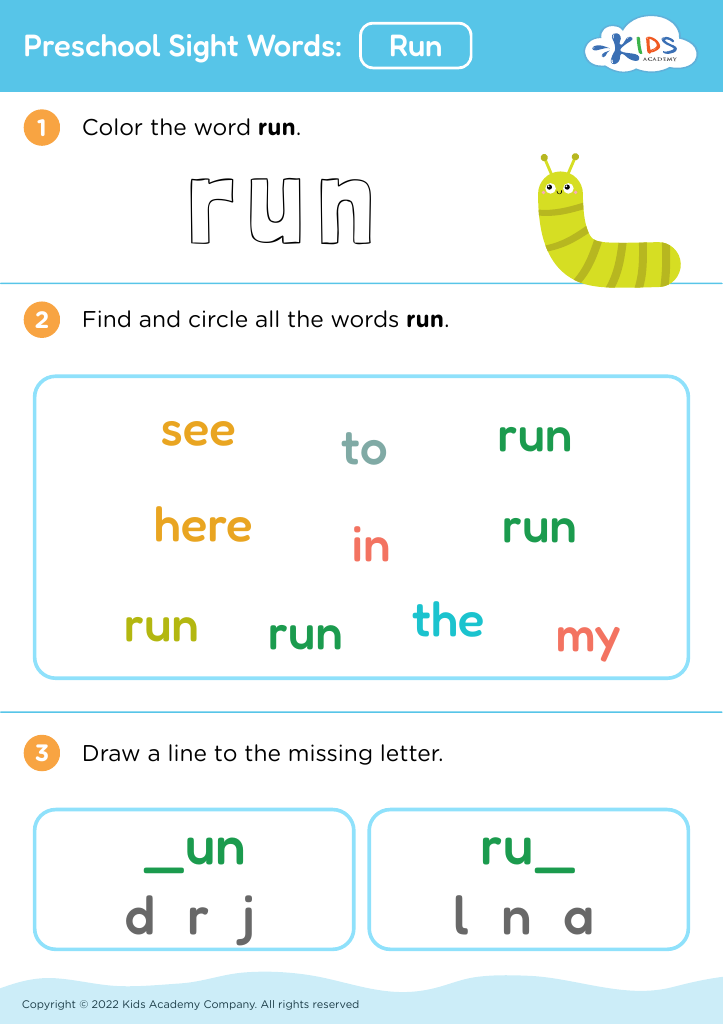
Preschool Sight Words: Run

Preschool Sight Words: Run

Preschool Sight Words: Run
Worksheet
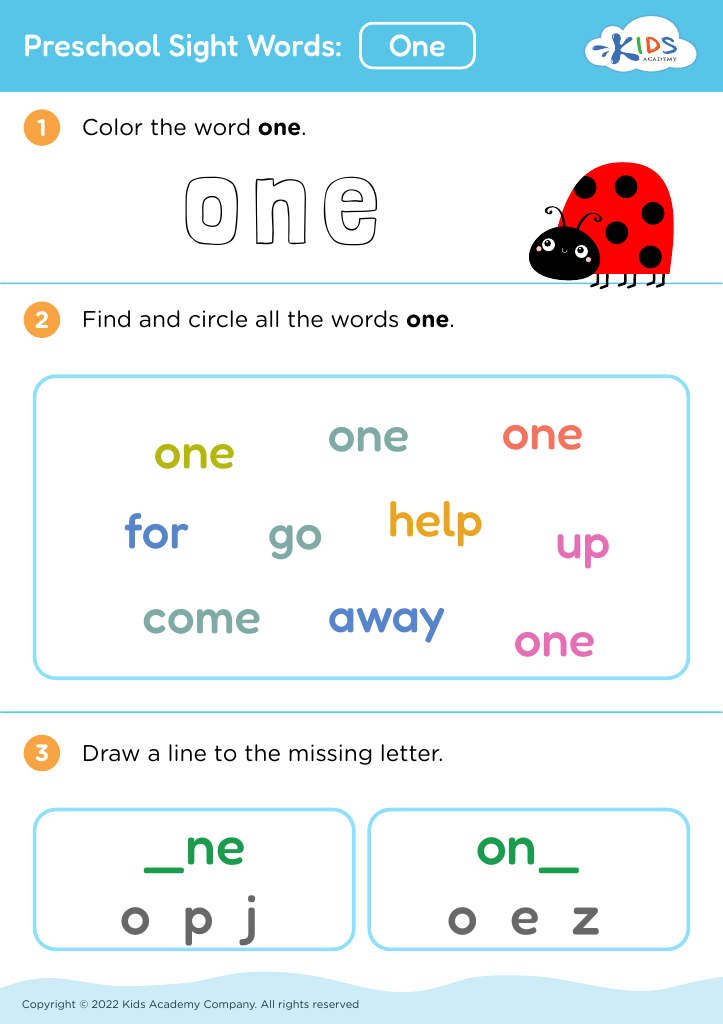
Preschool Sight Words: One

Preschool Sight Words: One

Preschool Sight Words: One
Worksheet
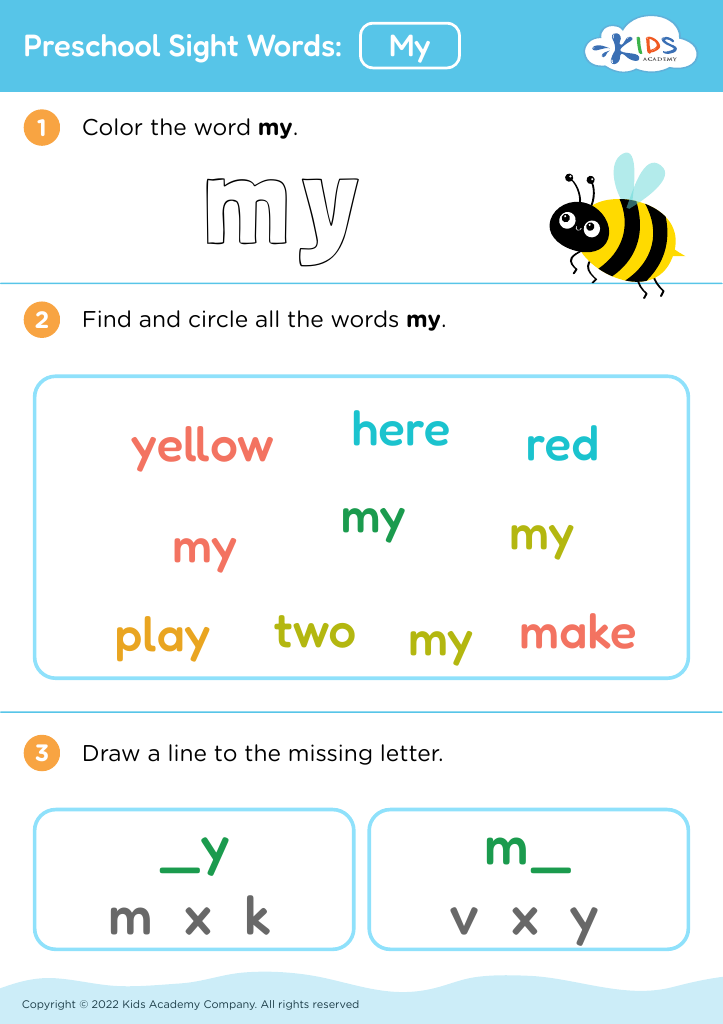
Preschool Sight Words: My

Preschool Sight Words: My

Preschool Sight Words: My
Worksheet
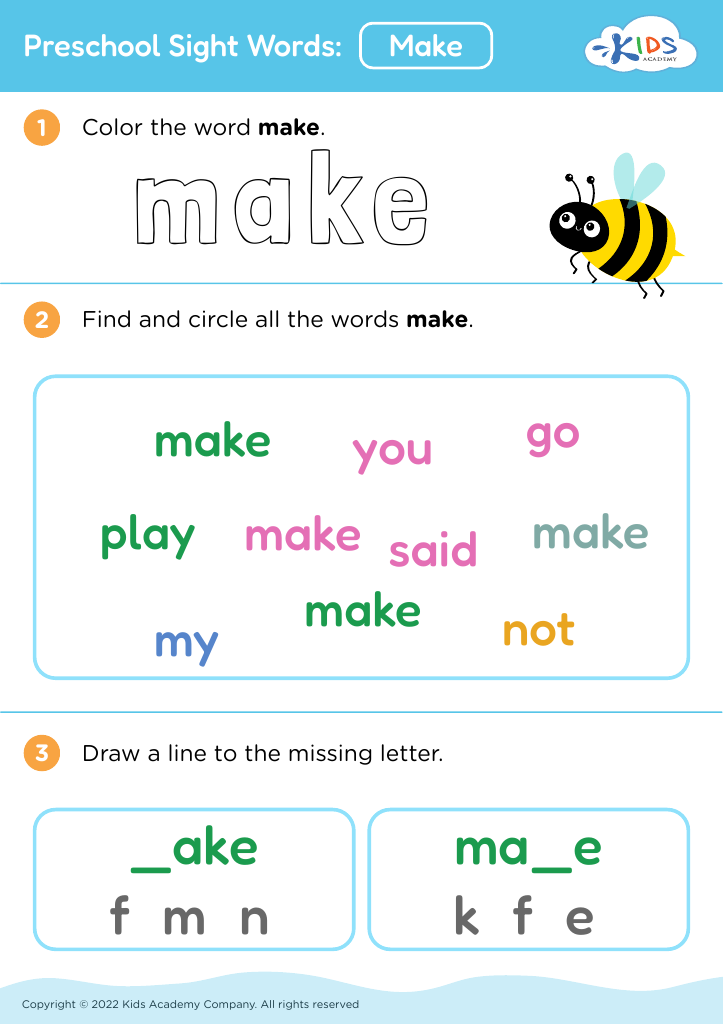
Preschool Sight Words: Make

Preschool Sight Words: Make

Preschool Sight Words: Make
Worksheet
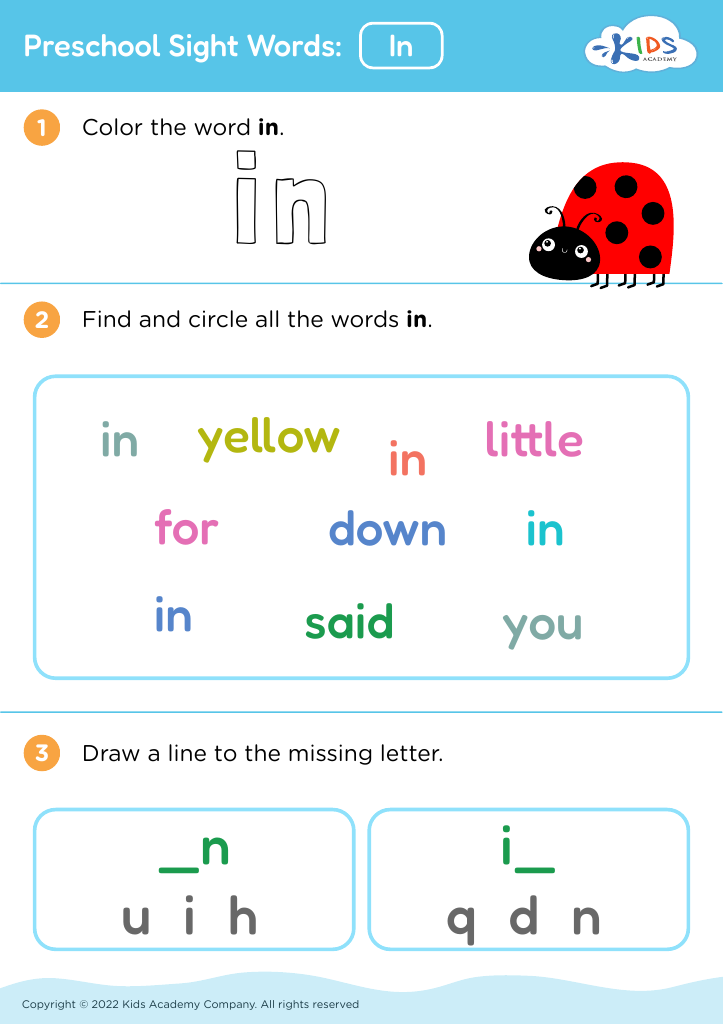
Preschool Sight Words: In

Preschool Sight Words: In

Preschool Sight Words: In
Worksheet
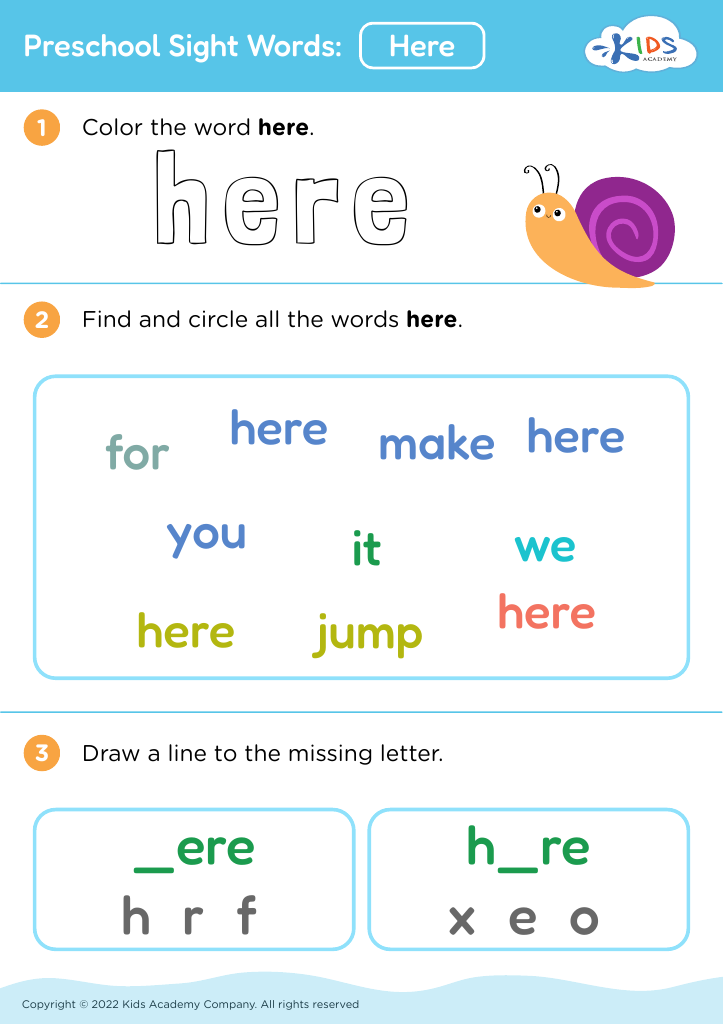
Preschool Sight Words: Here

Preschool Sight Words: Here

Preschool Sight Words: Here
Worksheet
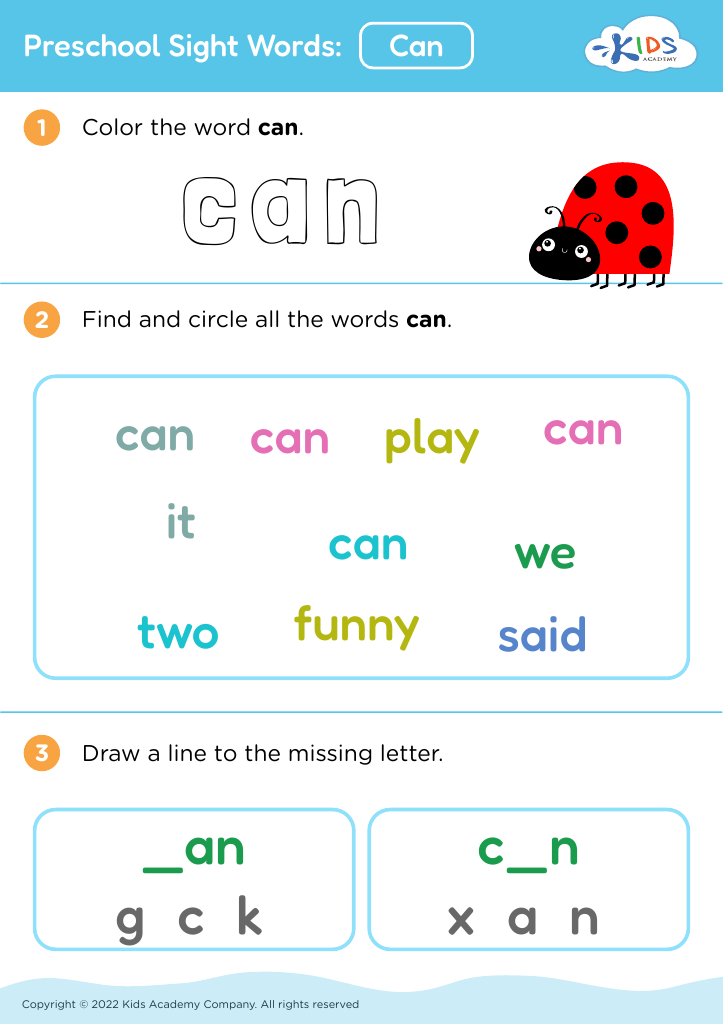
Preschool Sight Words: Can

Preschool Sight Words: Can

Preschool Sight Words: Can
Worksheet
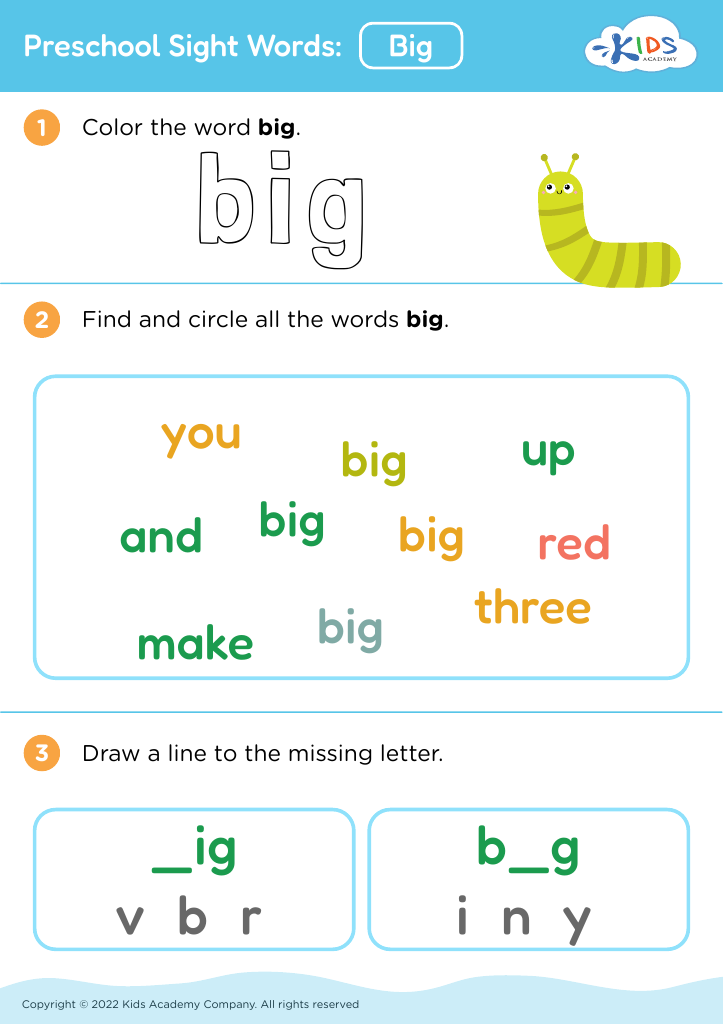
Preschool Sight Words: Big

Preschool Sight Words: Big

Preschool Sight Words: Big
Worksheet
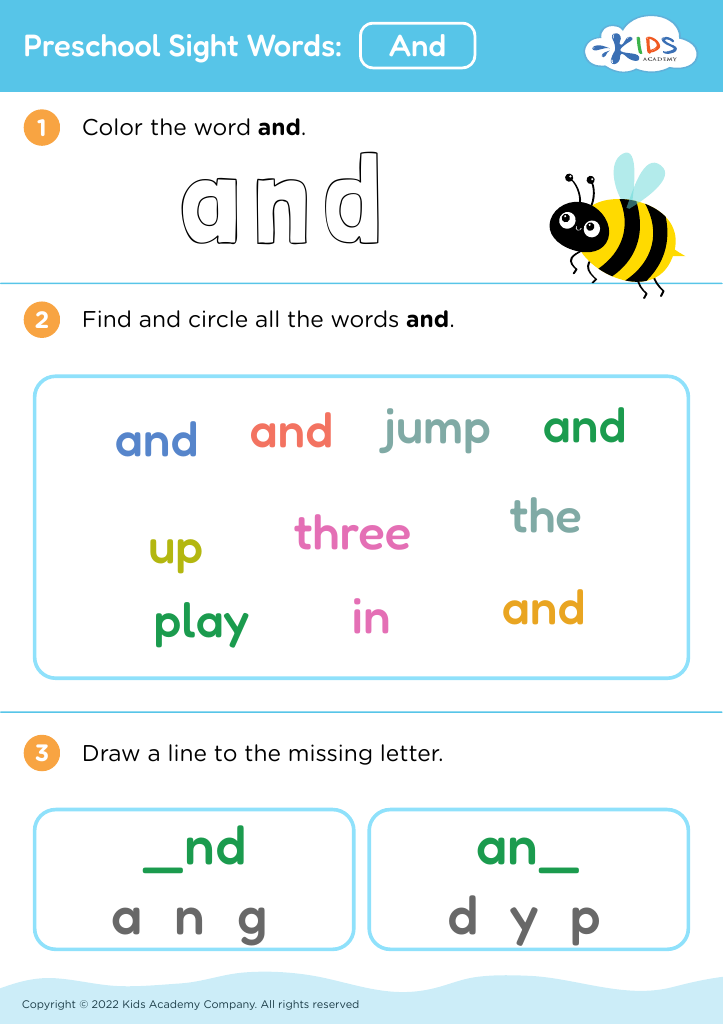
Preschool Sight Words: And

Preschool Sight Words: And

Preschool Sight Words: And
Worksheet
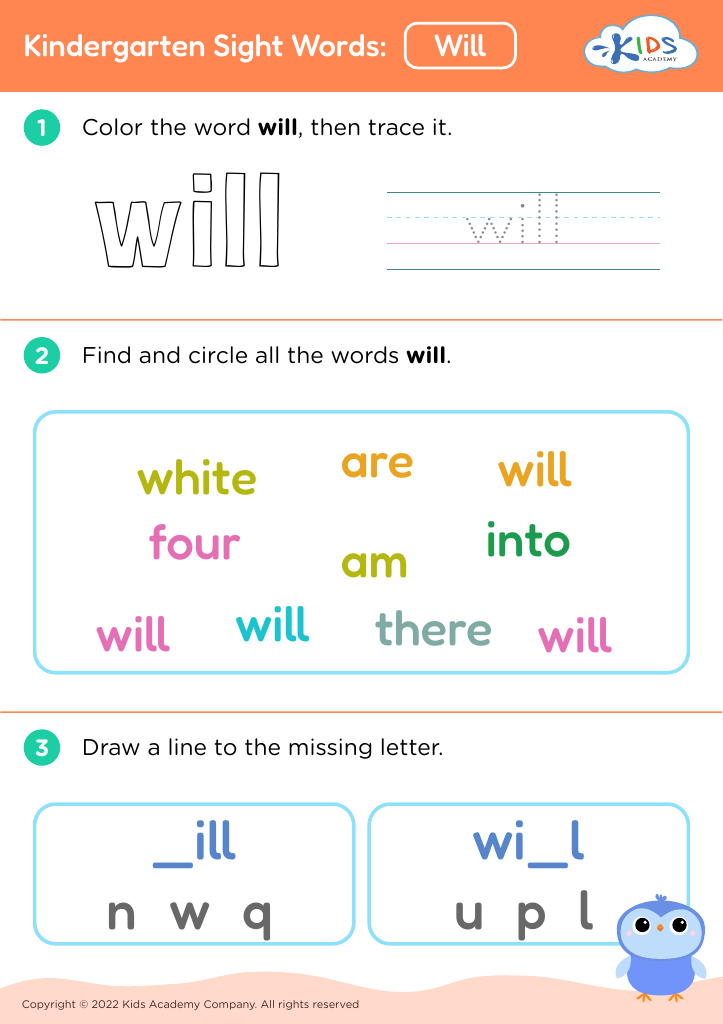
Kindergarten Sight Words: Will

Kindergarten Sight Words: Will

Kindergarten Sight Words: Will
Worksheet
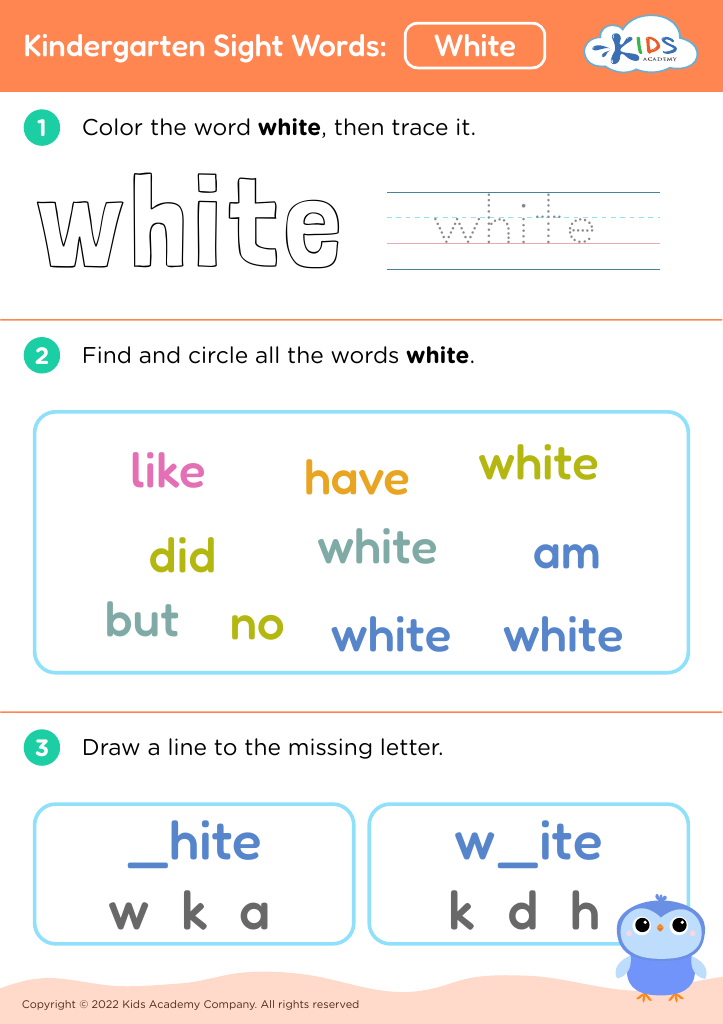
Kindergarten Sight Words: White

Kindergarten Sight Words: White

Kindergarten Sight Words: White
Worksheet
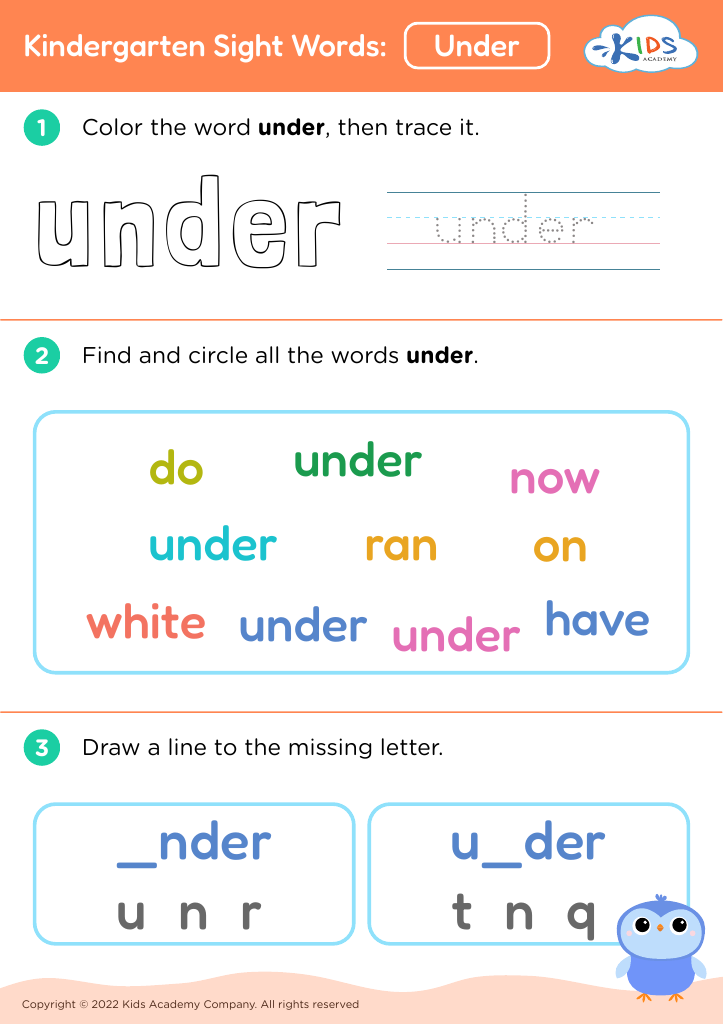
Kindergarten Sight Words: Under

Kindergarten Sight Words: Under

Kindergarten Sight Words: Under
Worksheet
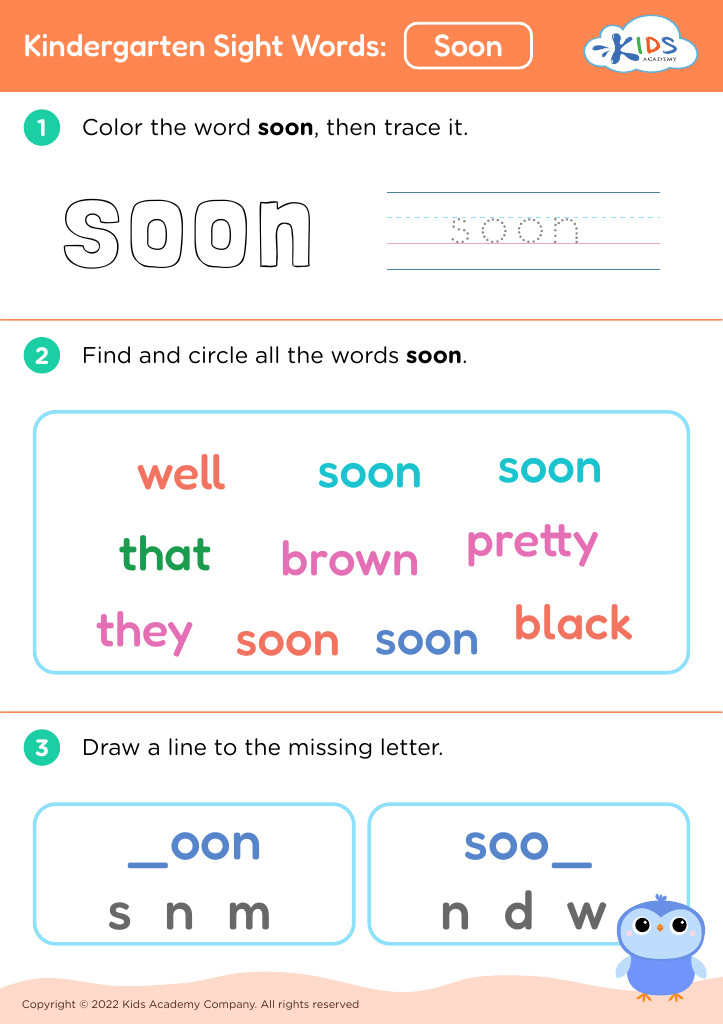
Kindergarten Sight Words: Soon

Kindergarten Sight Words: Soon

Kindergarten Sight Words: Soon
Worksheet
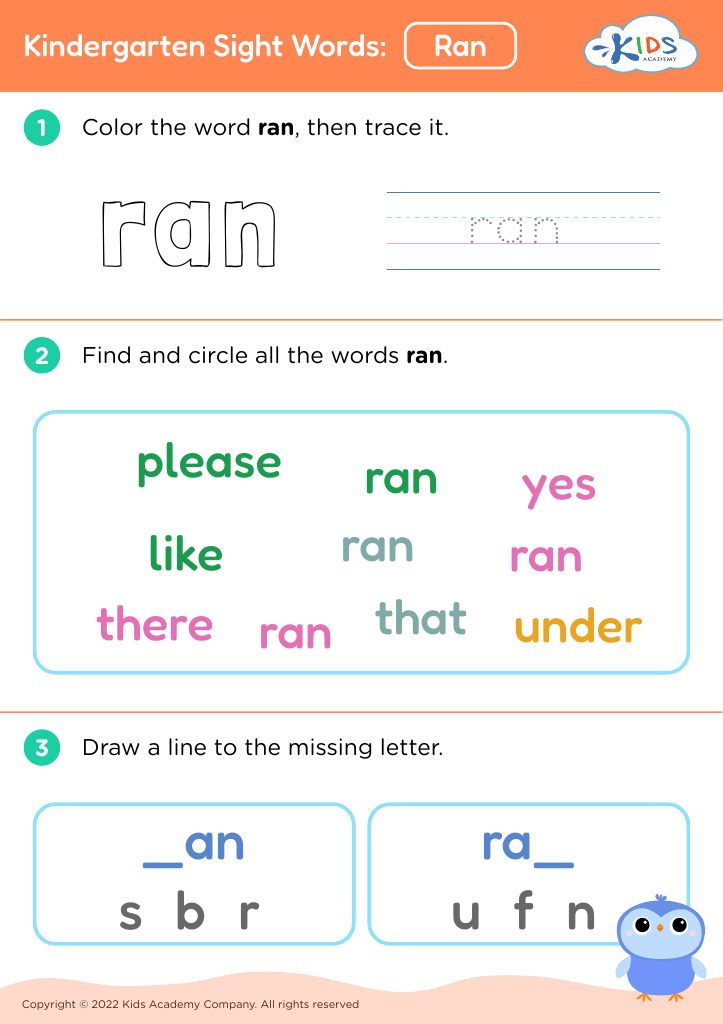
Kindergarten Sight Words: Ran

Kindergarten Sight Words: Ran

Kindergarten Sight Words: Ran
Worksheet
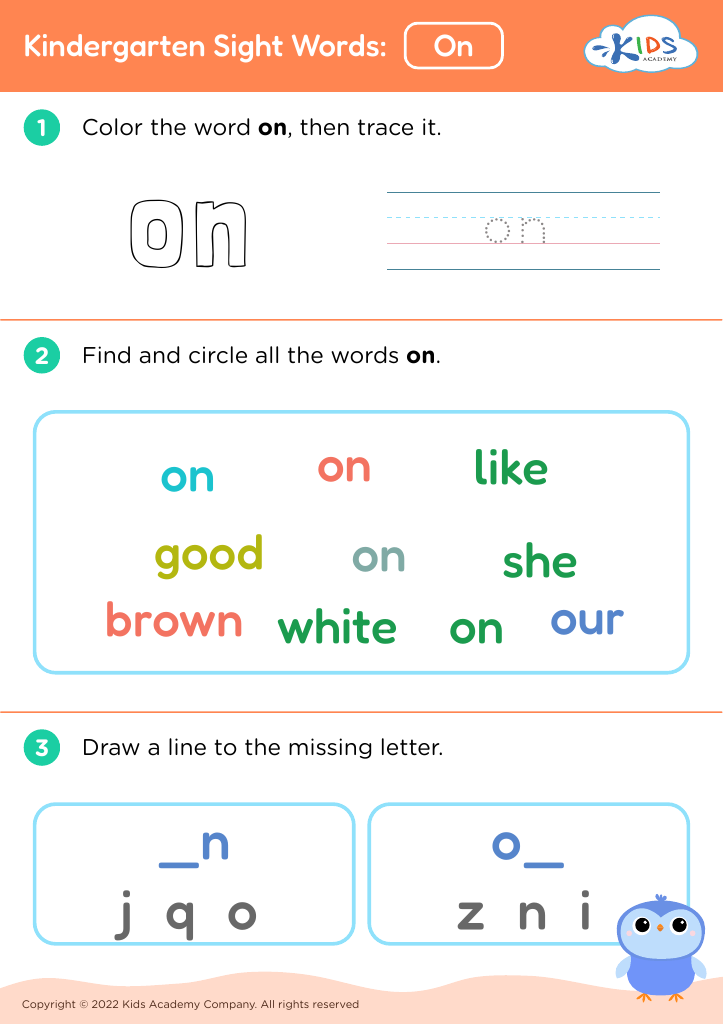
Kindergarten Sight Words: On

Kindergarten Sight Words: On

Kindergarten Sight Words: On
Worksheet
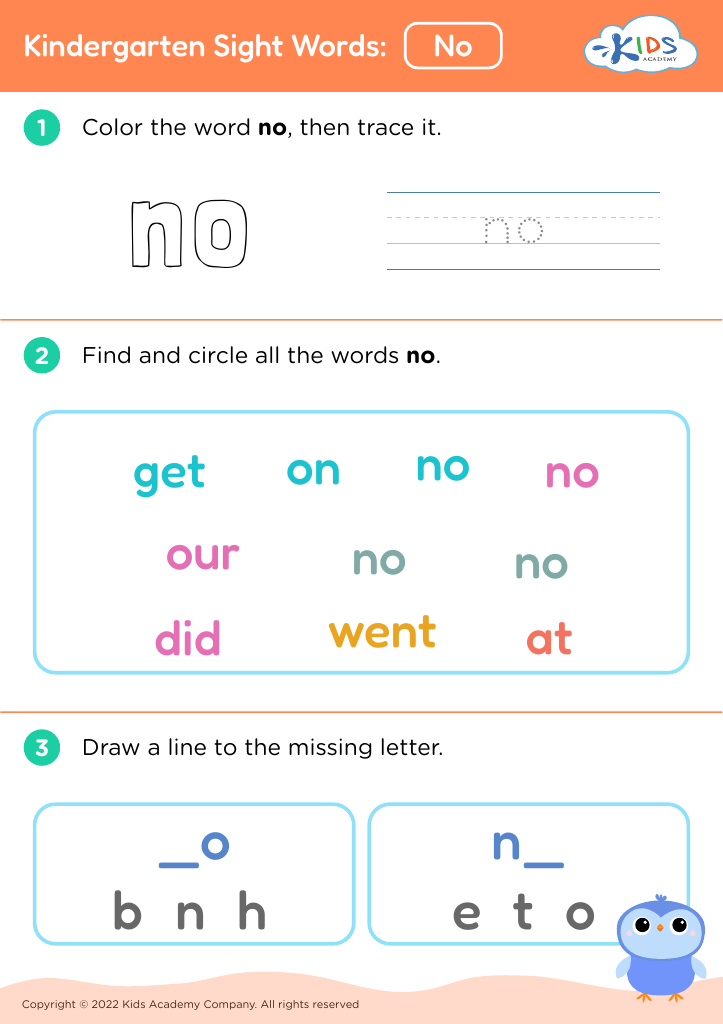
Kindergarten Sight Words: No

Kindergarten Sight Words: No

Kindergarten Sight Words: No
Worksheet
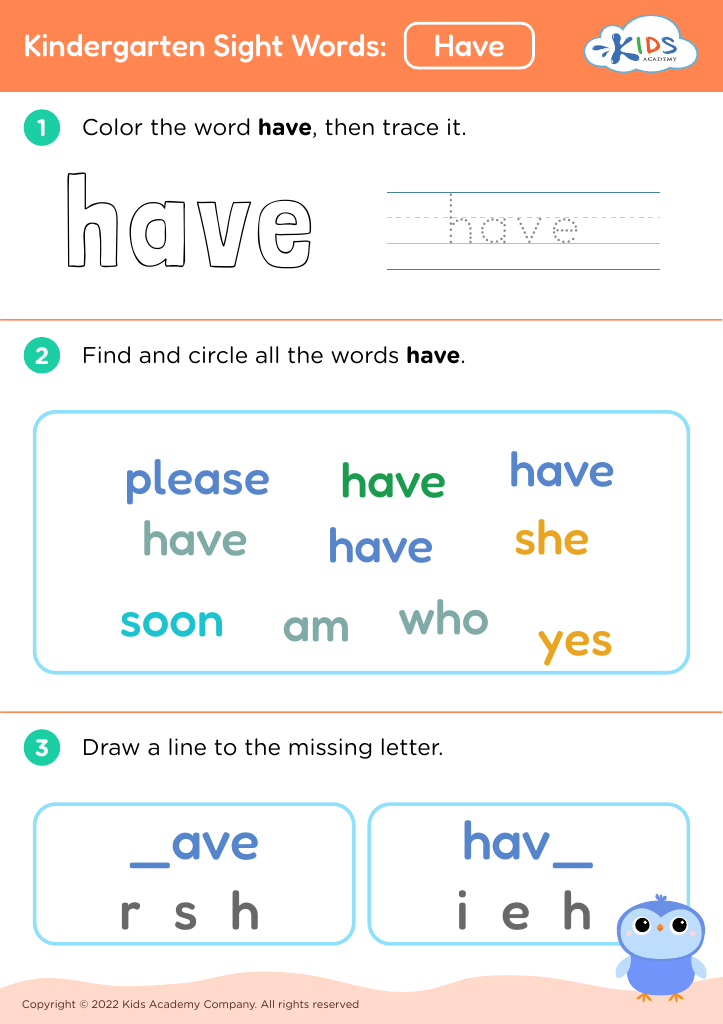
Kindergarten Sight Words: Have

Kindergarten Sight Words: Have

Kindergarten Sight Words: Have
Worksheet
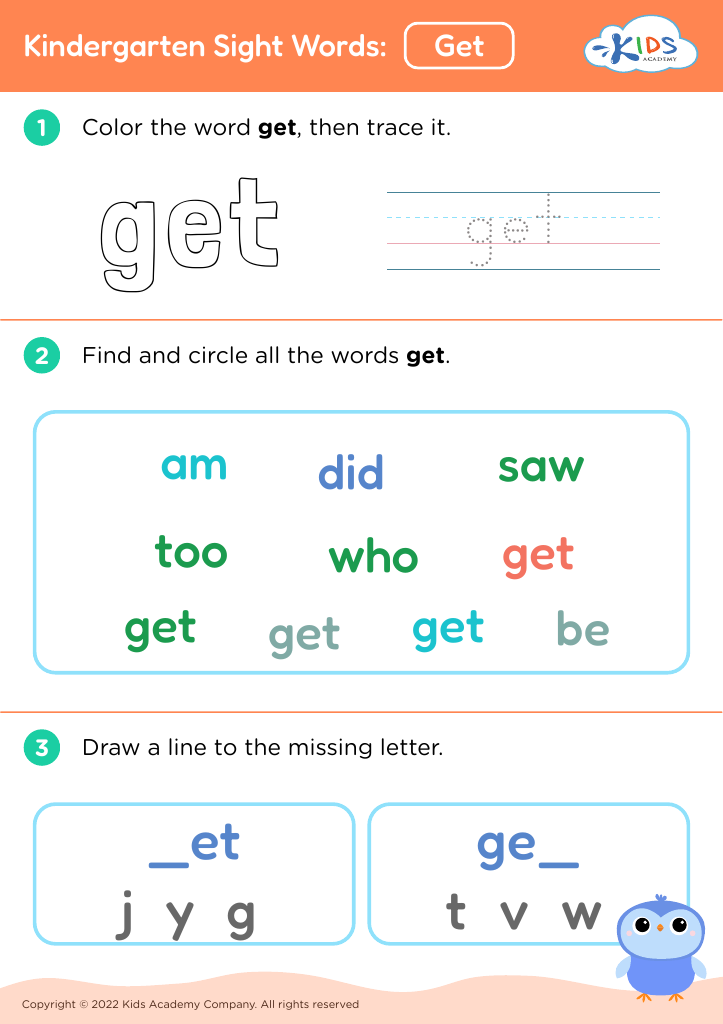
Kindergarten Sight Words: Get

Kindergarten Sight Words: Get

Kindergarten Sight Words: Get
Worksheet
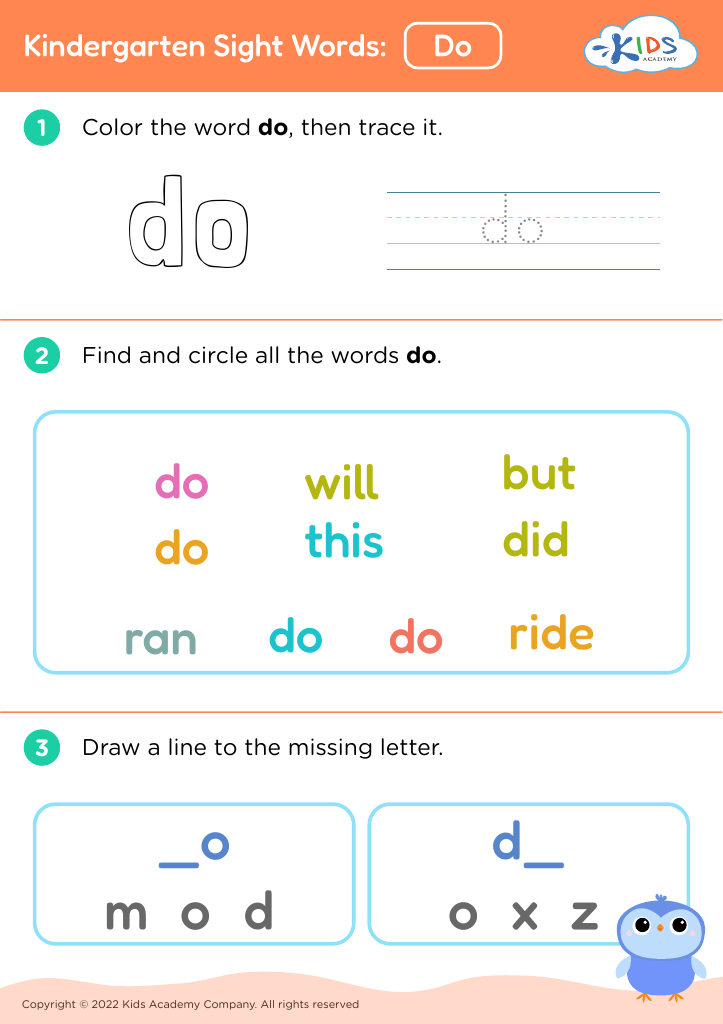
Kindergarten Sight Words: Do

Kindergarten Sight Words: Do

Kindergarten Sight Words: Do
Worksheet
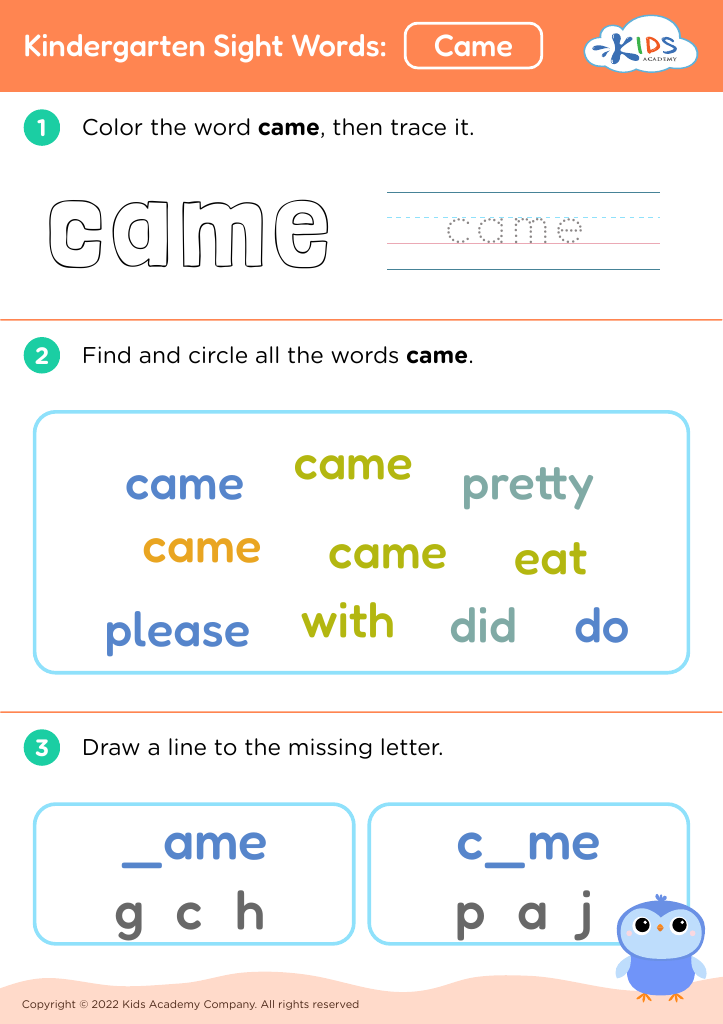
Kindergarten Sight Words: Came

Kindergarten Sight Words: Came

Kindergarten Sight Words: Came
Worksheet
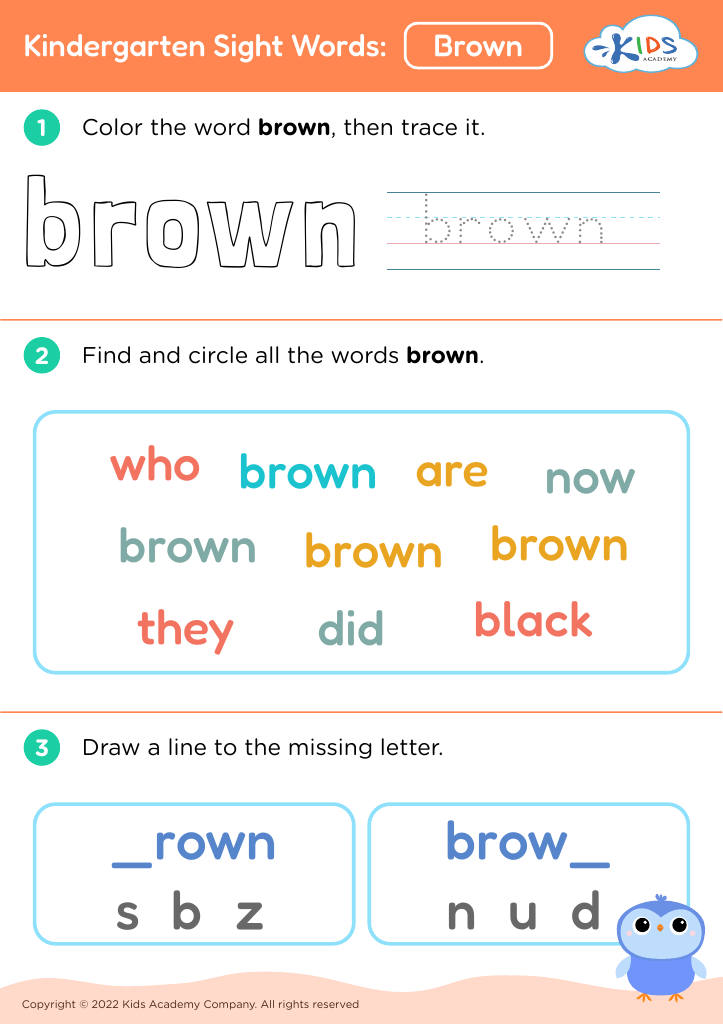
Kindergarten Sight Words: Brown

Kindergarten Sight Words: Brown

Kindergarten Sight Words: Brown
Worksheet
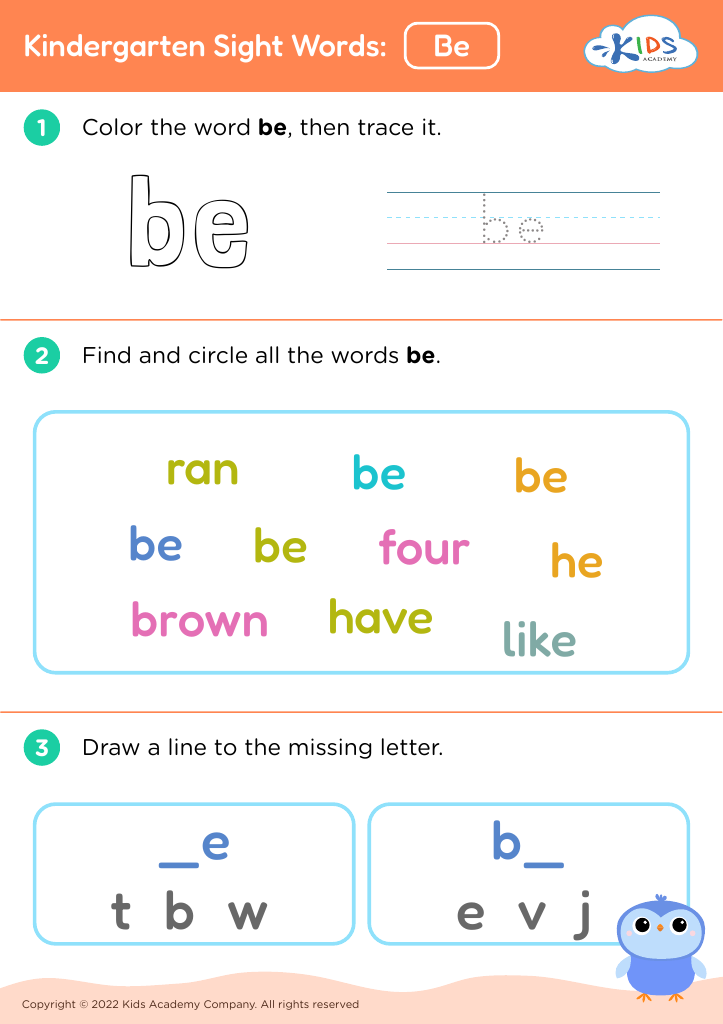
Kindergarten Sight Words: Be

Kindergarten Sight Words: Be

Kindergarten Sight Words: Be
Worksheet
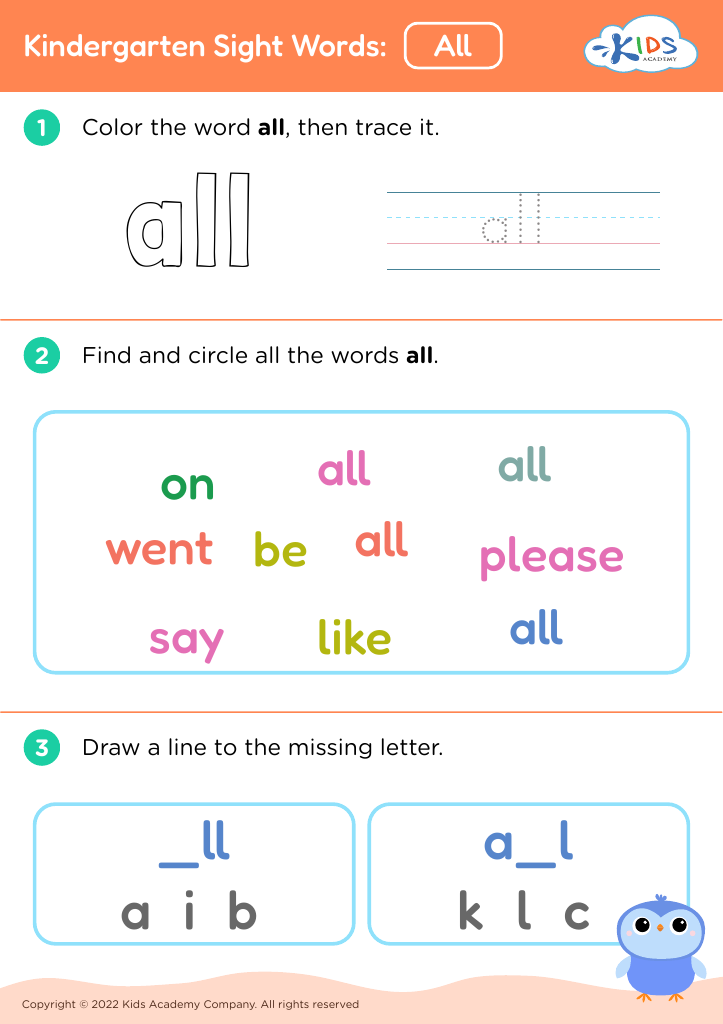
Kindergarten Sight Words: All

Kindergarten Sight Words: All

Kindergarten Sight Words: All
Worksheet


Understanding fractions is a foundational skill that has far-reaching implications for a child's math development, making it crucial for parents and teachers to prioritize this concept for young learners, even as early as age five. At this developmental stage, children begin to grasp the basics of sharing and dividing, laying the groundwork for fractional understanding.

By engaging young learners with hands-on activities like slicing fruit, sharing toys, or using visual aids such as pie charts, educators can help children perceive fractions as a part of their everyday experiences. This contextual learning fosters a sense of collaboration and teamwork as they explore sharing fairly.

Moreover, comprehending fractions enhances numerical literacy, reinforcing skills such as counting, sorting, and basic operations. Confidence in working with fractions can translate to greater success in later mathematical concepts, preventing potential struggles in the future.

Fostering fraction understanding at such an early age nurtures critical thinking and problem-solving abilities, which are essential skills for lifelong learning. Ultimately, by caring about this essential concept, parents and teachers empower children to build a strong mathematical foundation, which significantly impacts their academic journey and everyday reasoning skills.