Comparing Fractions Sight Words Worksheets for 5-Year-Olds
12 filtered results
-
From - To
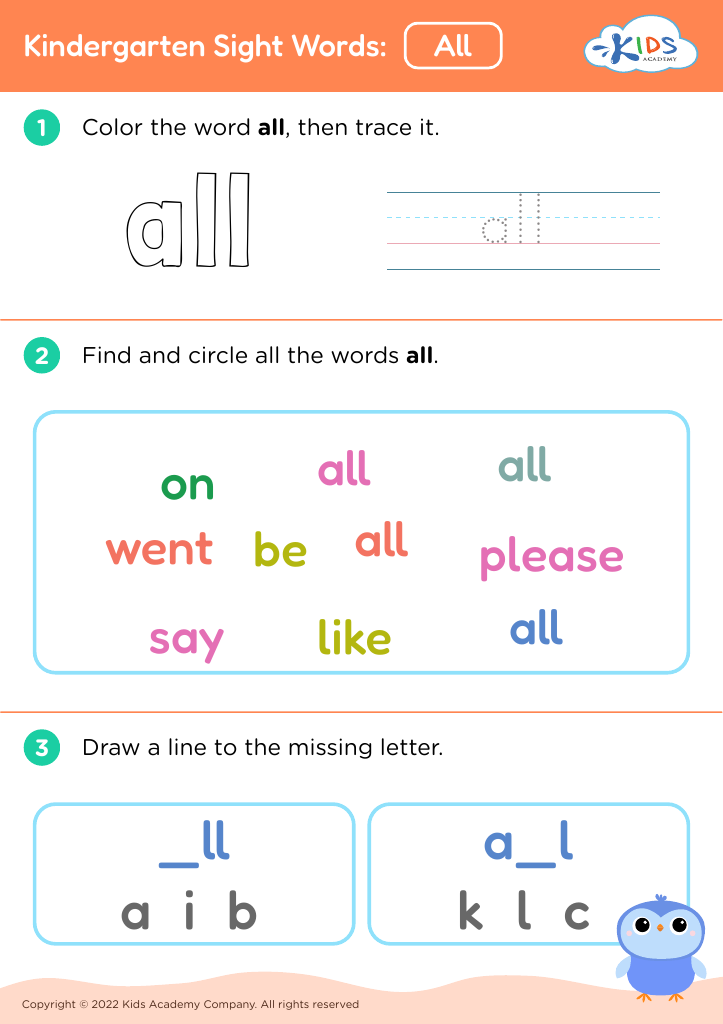
Welcome to our Comparing Fractions Sight Words Worksheets for 5-Year-Olds! Designed to make learning fun, these engaging worksheets help young learners effortlessly grasp the concept of fractions while enhancing their sight word recognition. With colorful illustrations and interactive exercises, children will explore fraction comparison in a playful manner, making abstract concepts more relatable. Each worksheet incorporates familiar sight words, reinforcing their reading skills alongside math understanding. Perfect for at-home or classroom use, these resources promote critical thinking and confidence in early math abilities. Start their learning adventure today with our imaginative and educational worksheets tailored for preschoolers!

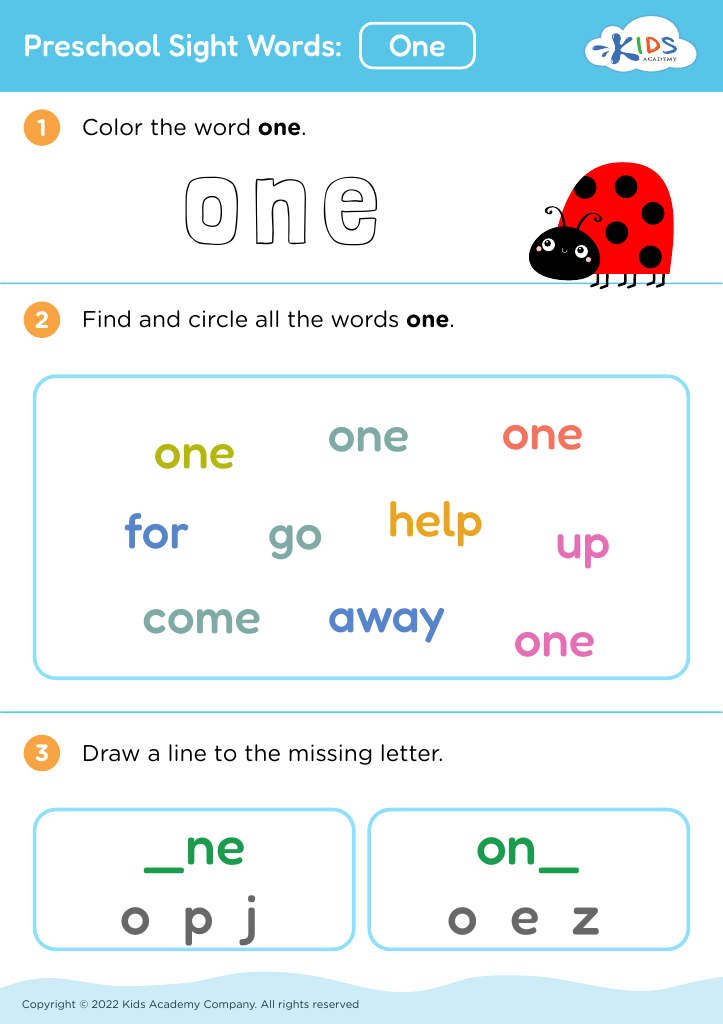
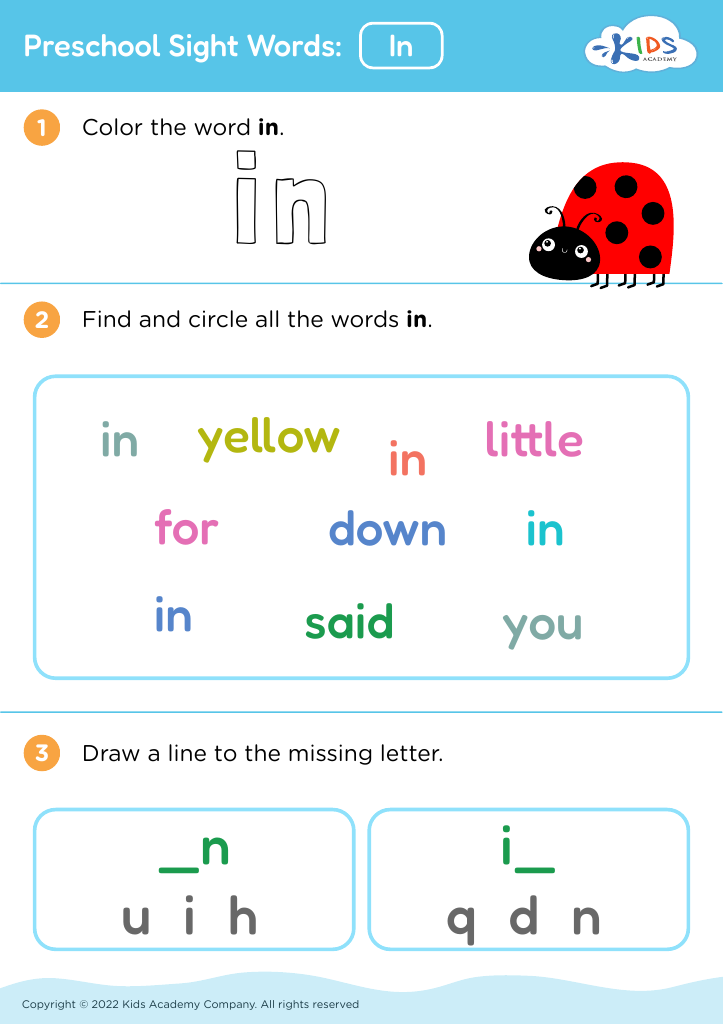
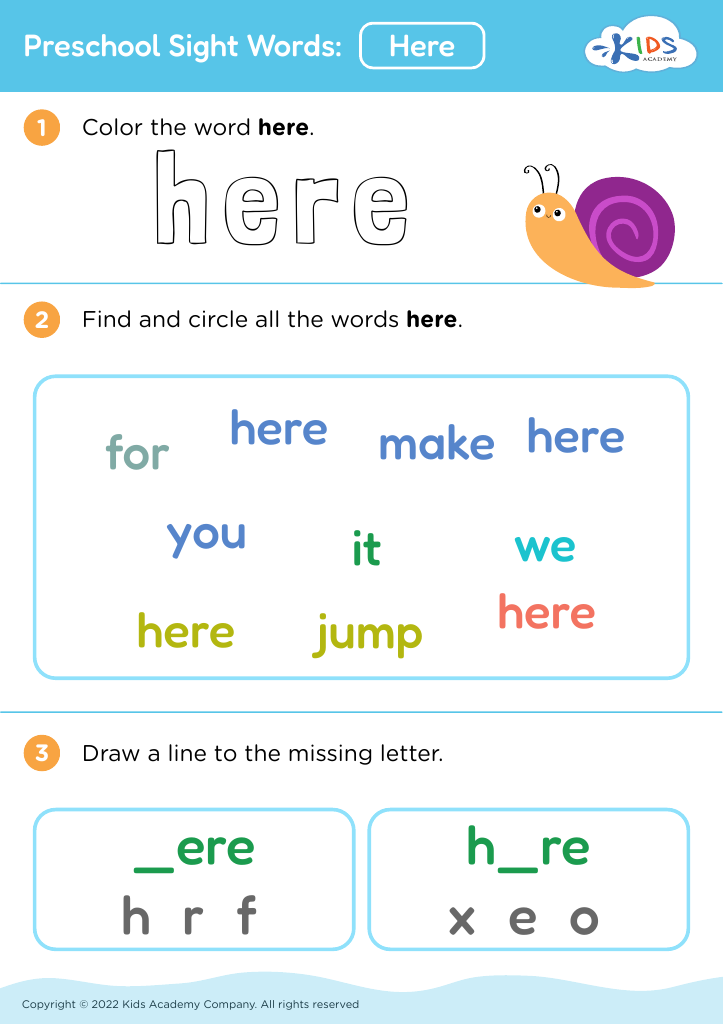
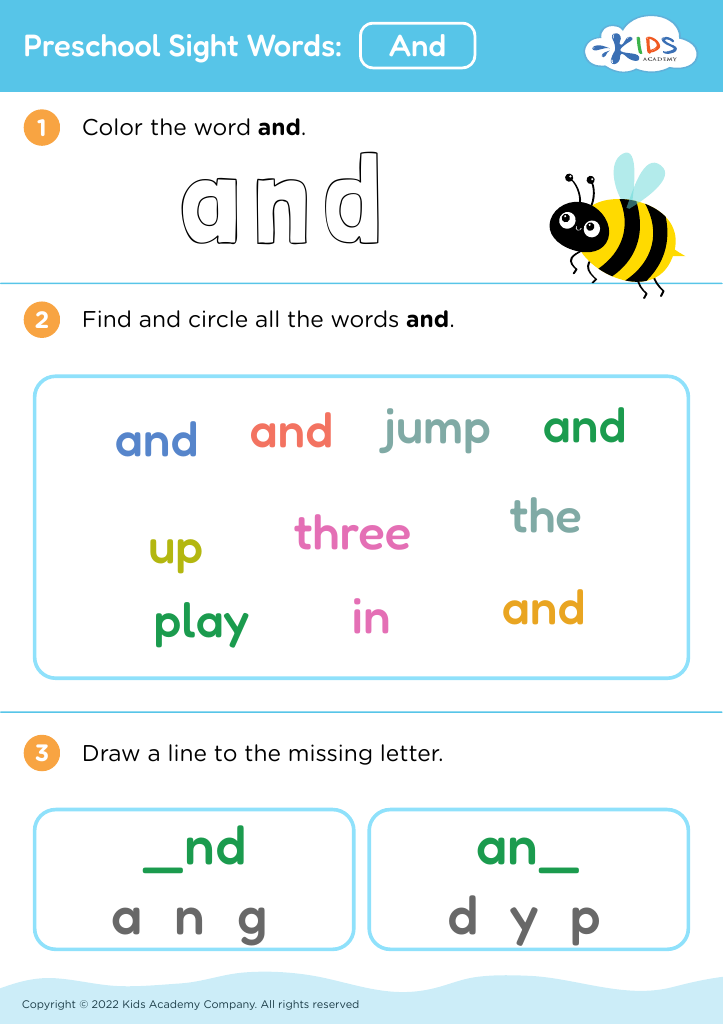
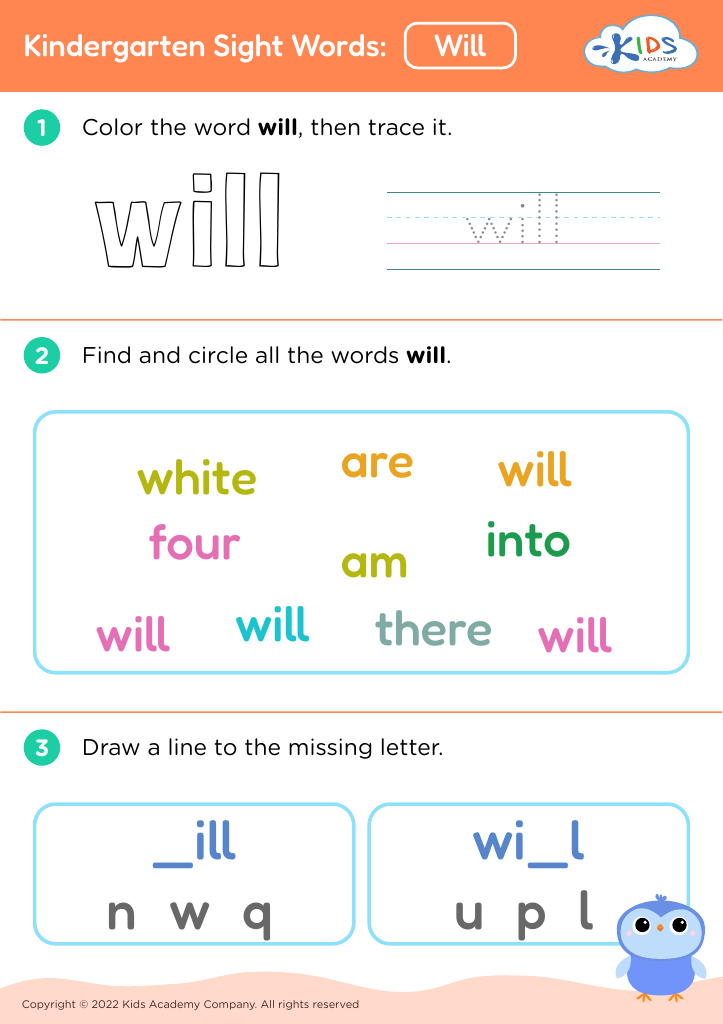
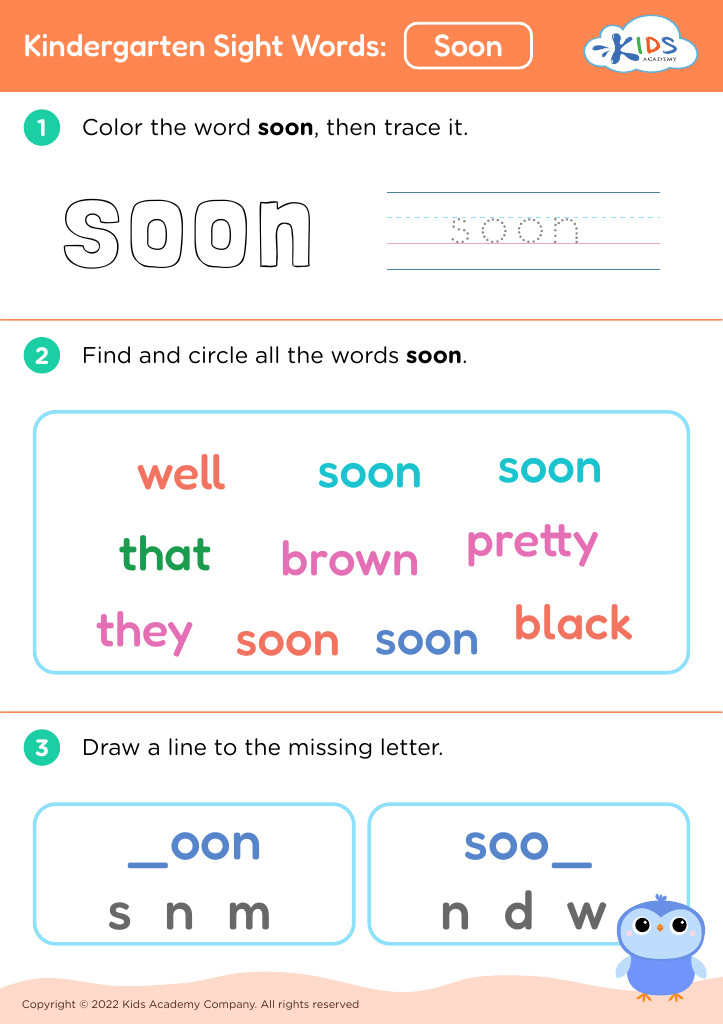
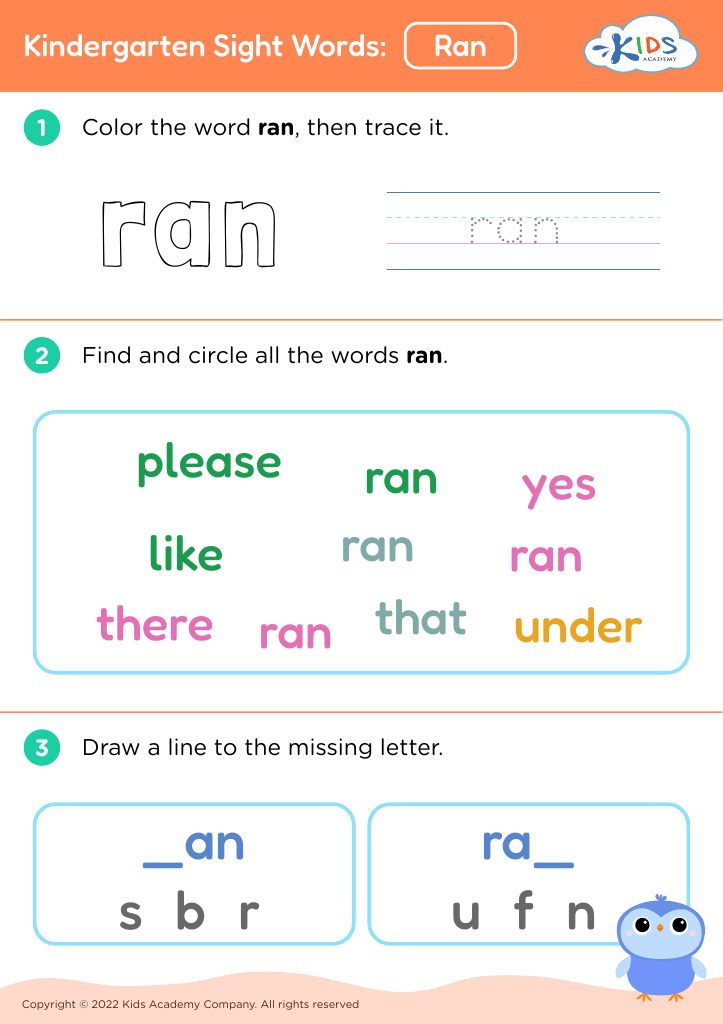
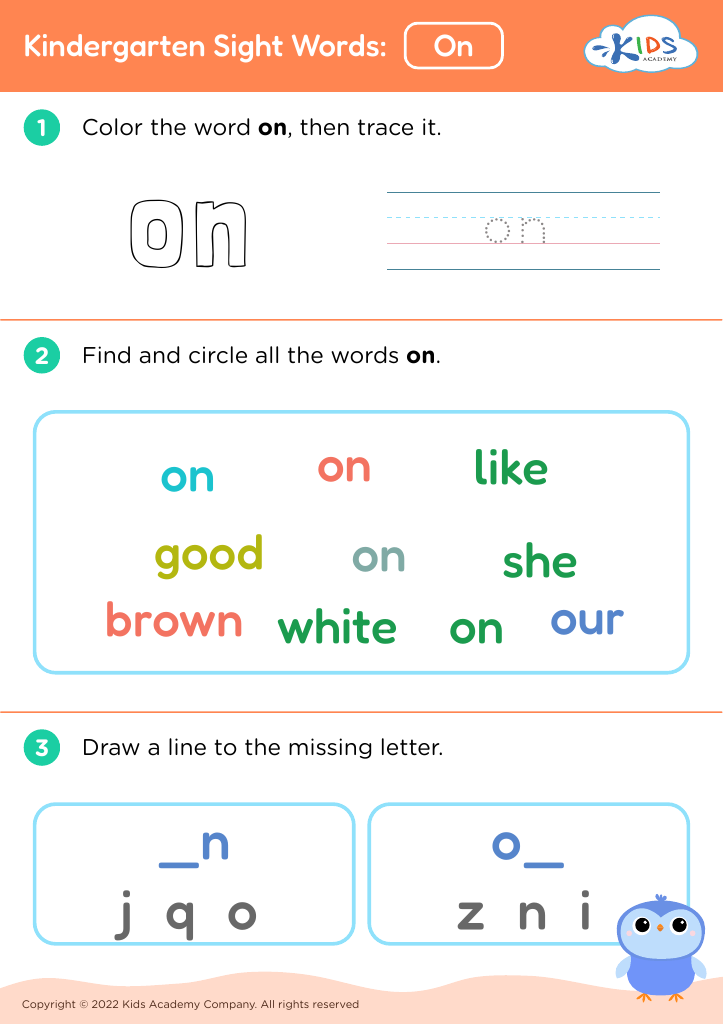
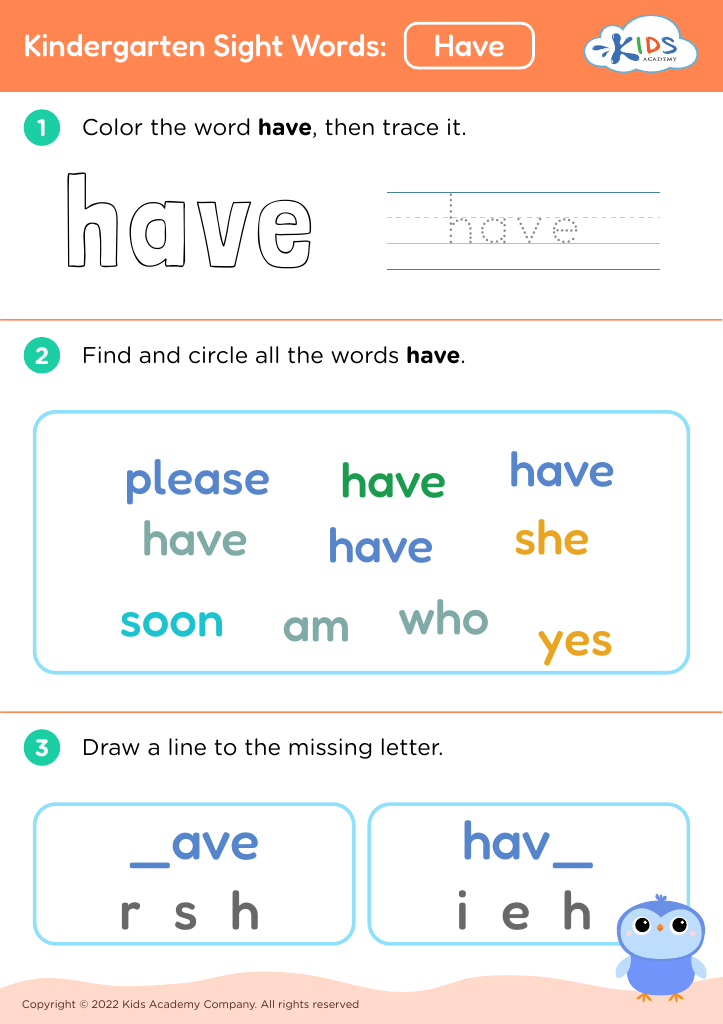
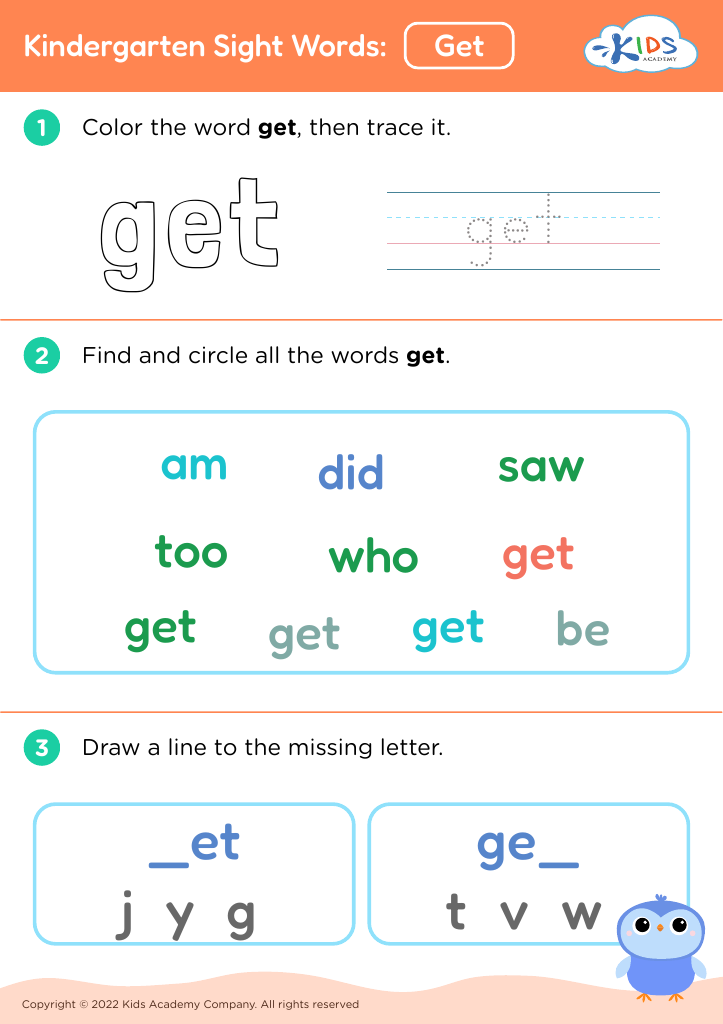







Comparing fractions might sound complex, but for 5-year-olds, it lays the groundwork for essential mathematical understanding. At this age, children are like sponges, absorbing concepts that they'll build on later. When parents or teachers introduce comparing fractions through engaging and accessible methods, such as visual aids or interactive games, they highlight differences in fractional values using relatable and fun contexts.
Incorporating sight words within this process offers dual benefits: enhanced vocabulary and improved comprehension skills. By linking the mathematical concept of fractions with common sight words, children develop both their language and analytical skills simultaneously. This approach fosters critical thinking as kids learn to distinguish between different amounts and recognize terminology related to fractions, such as "greater," "less," or "equal."
Furthermore, social development can flourish during these activities. When parents or teachers engage kids in comparing fractions, it encourages teamwork, communication, and problem-solving skills among peers. Ultimately, taking an early interest in comparing fractions establishes a solid foundational math skill that prepares young learners for more advanced topics in the future and instills a lasting love for learning. Thus, parents and teachers play a crucial role in nurturing these early experiences that promote both cognitive and social growth.