Understanding fractions Sight Words Worksheets for 5-Year-Olds
24 filtered results
-
From - To
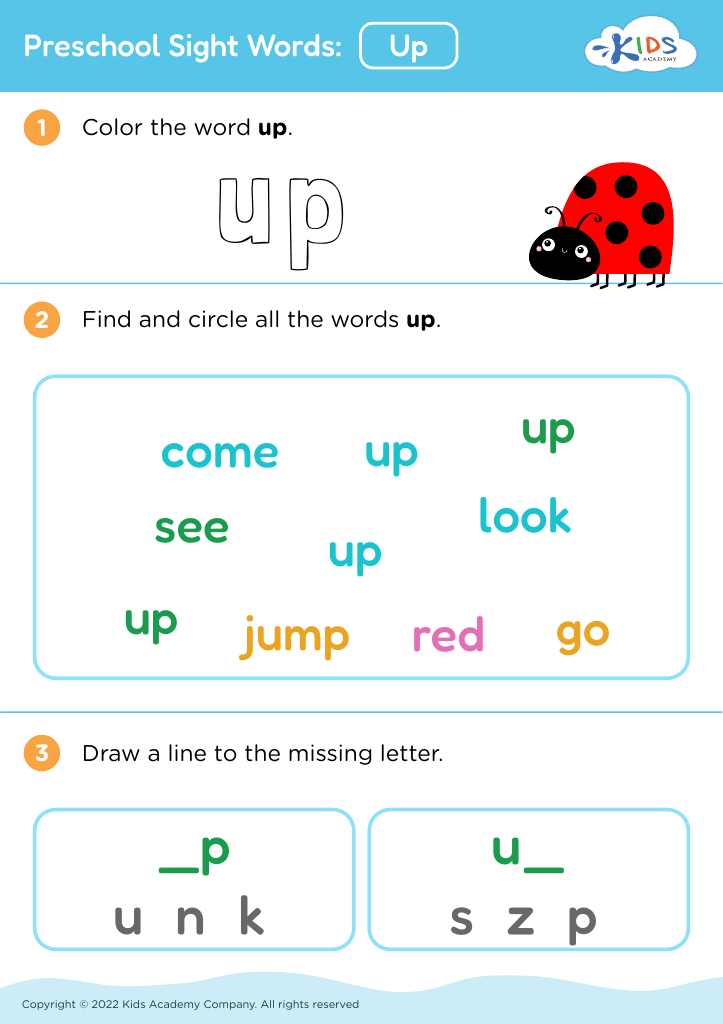
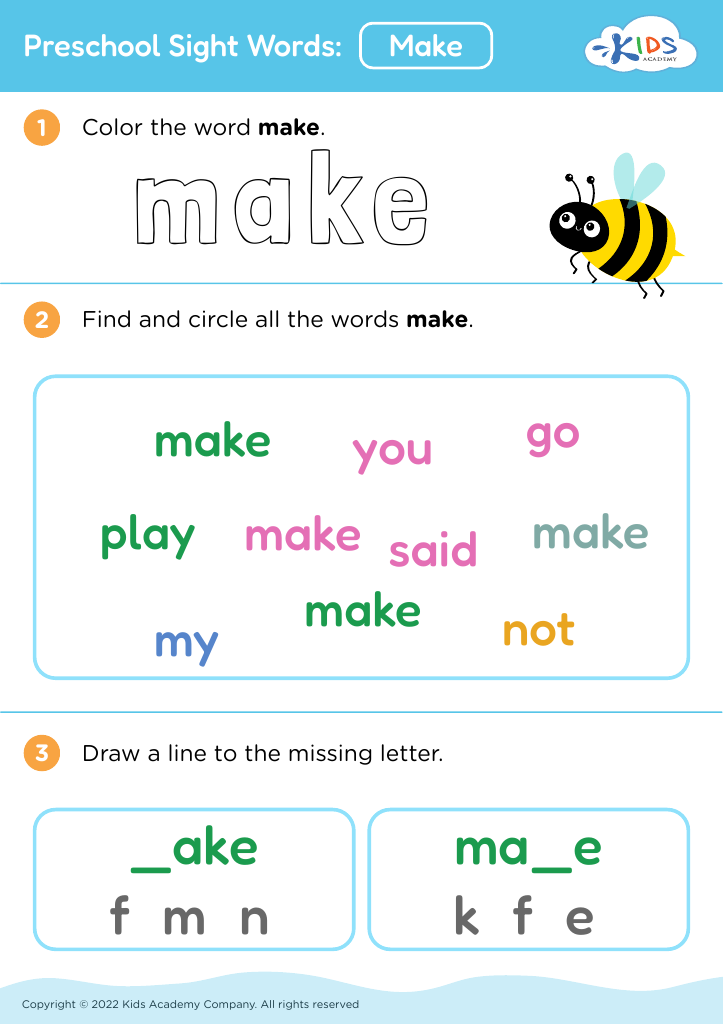
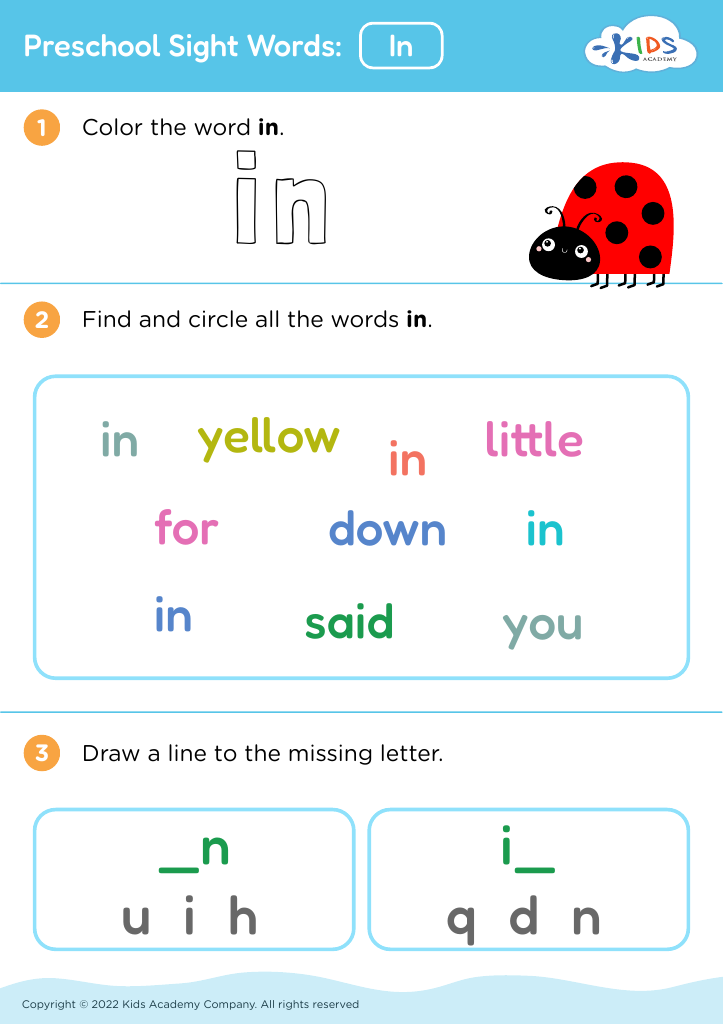
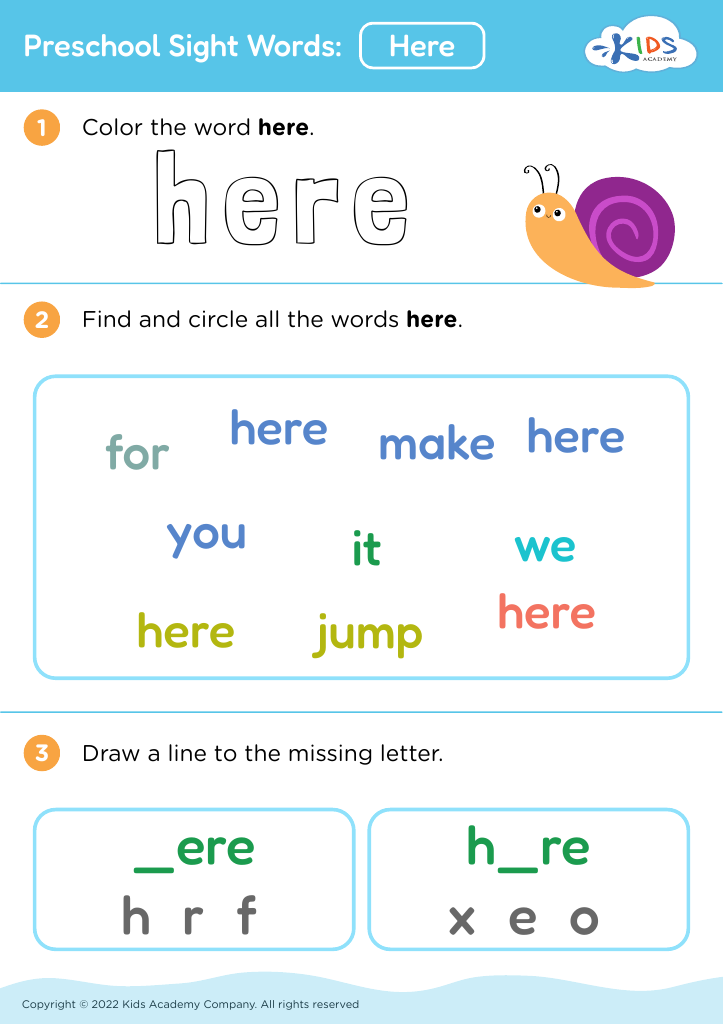
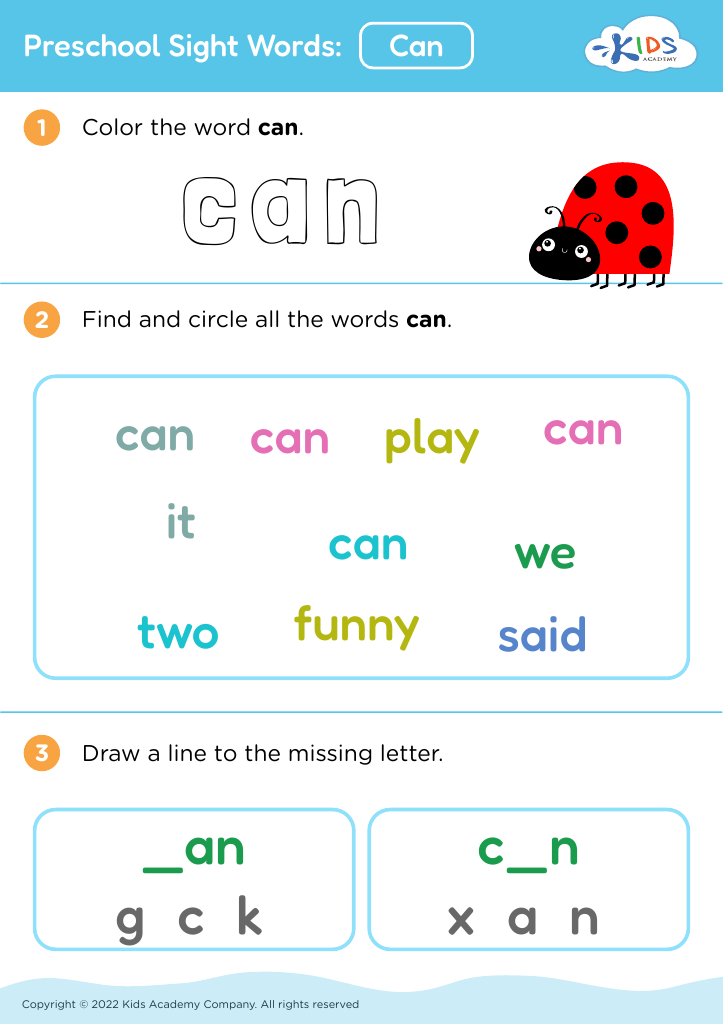
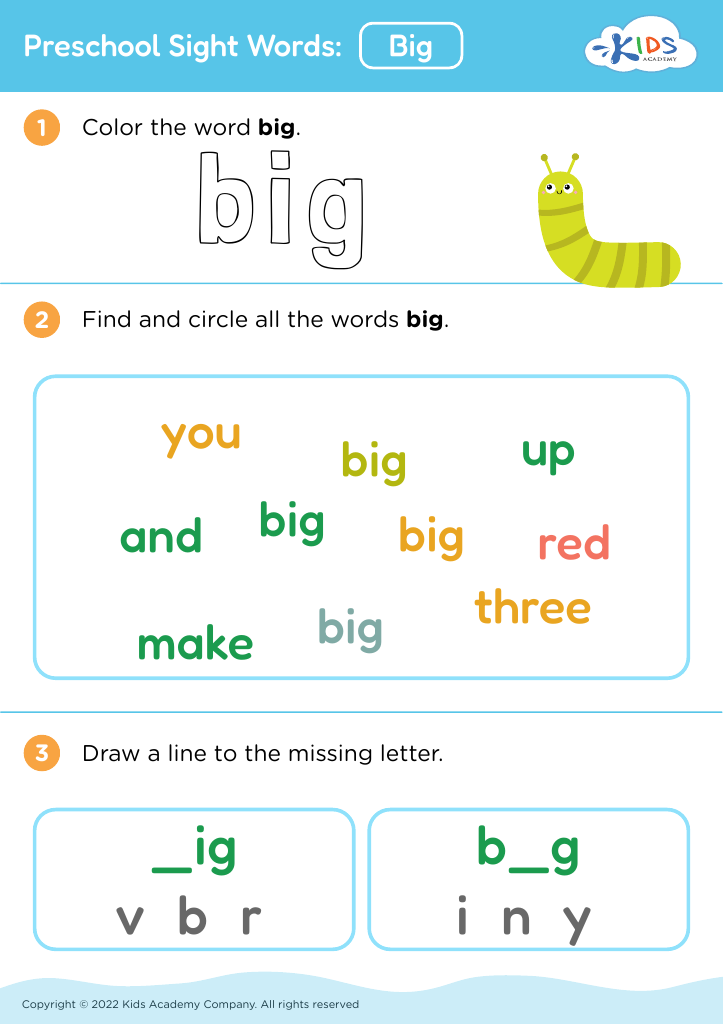
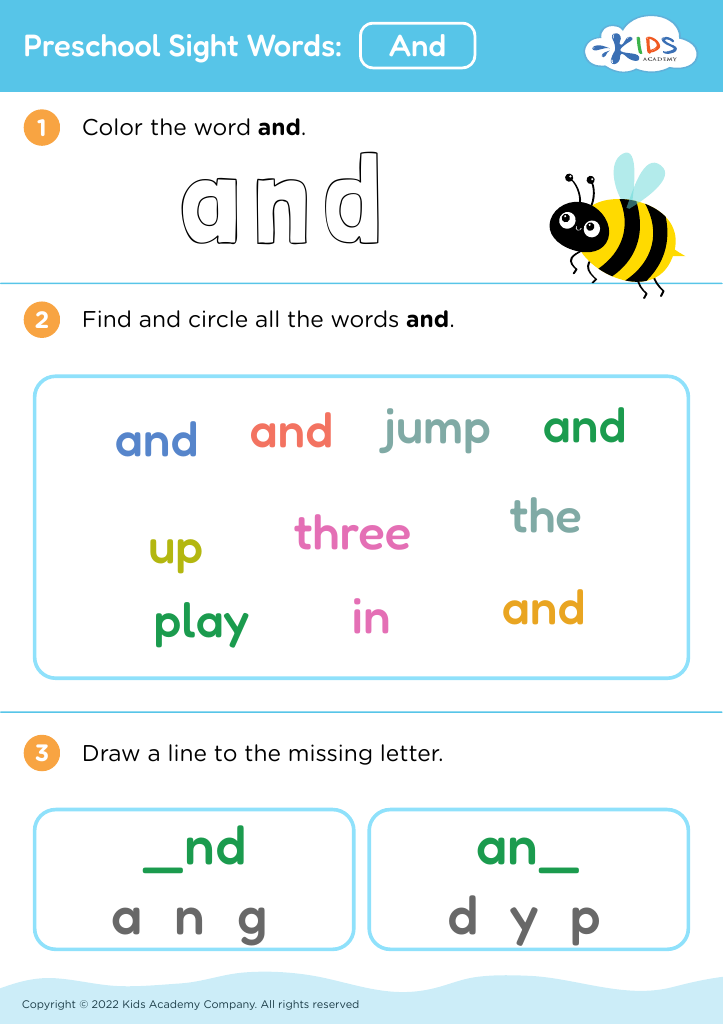
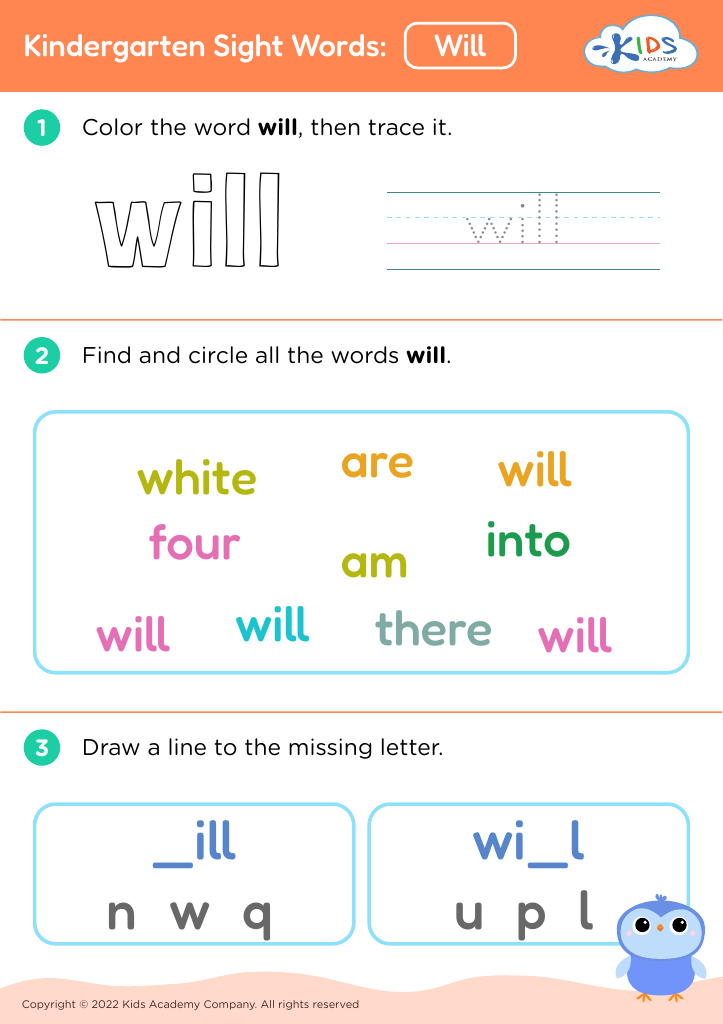
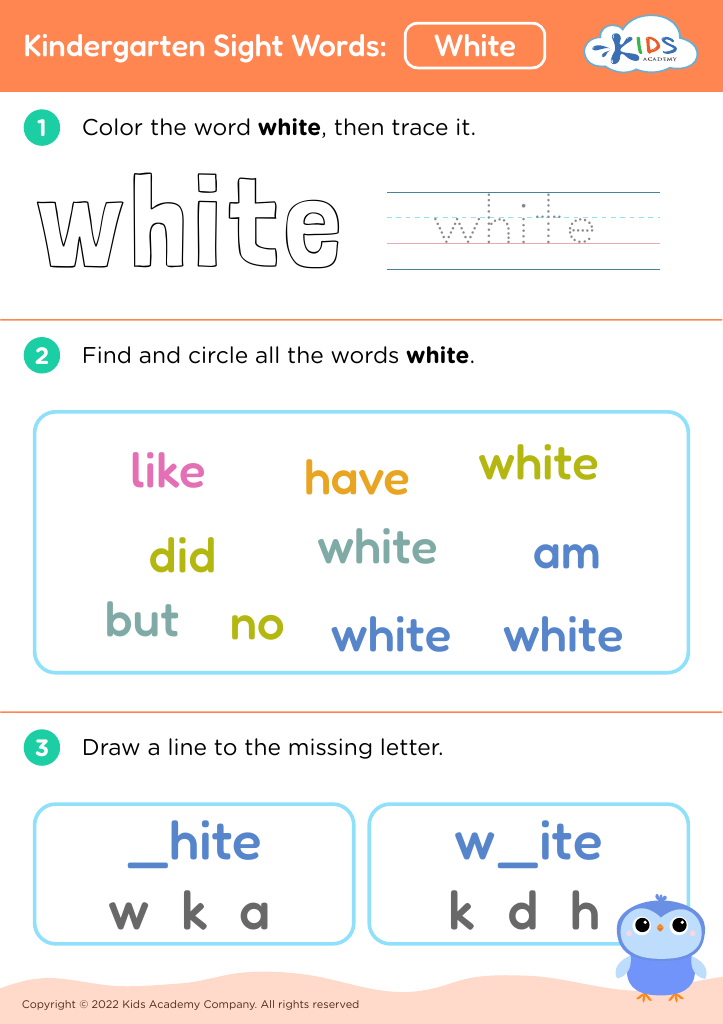
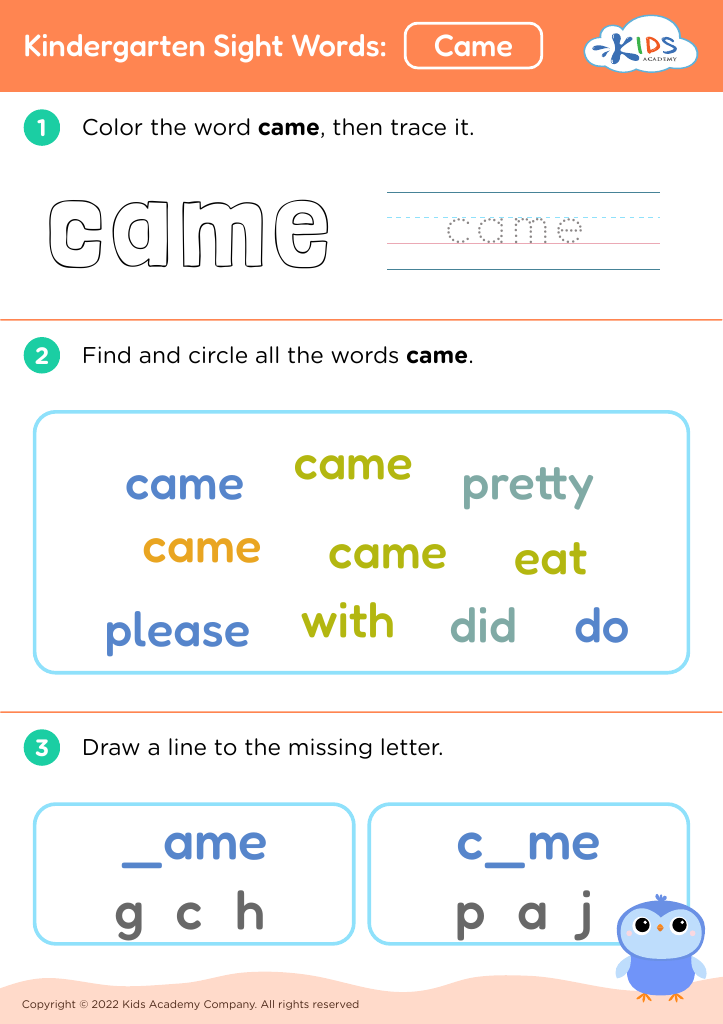
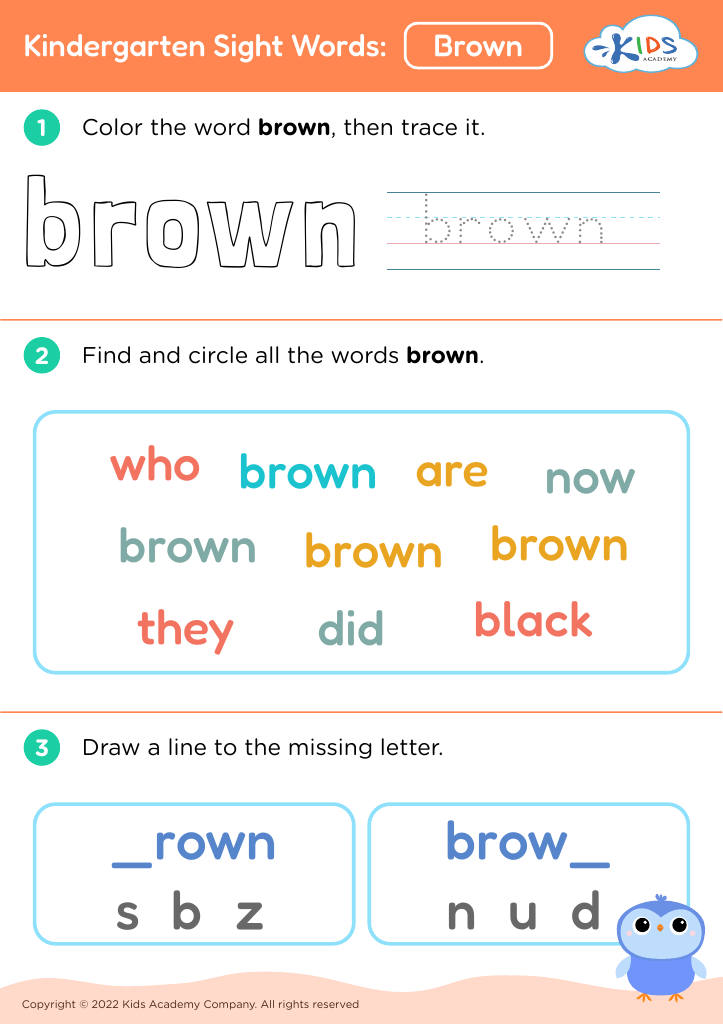
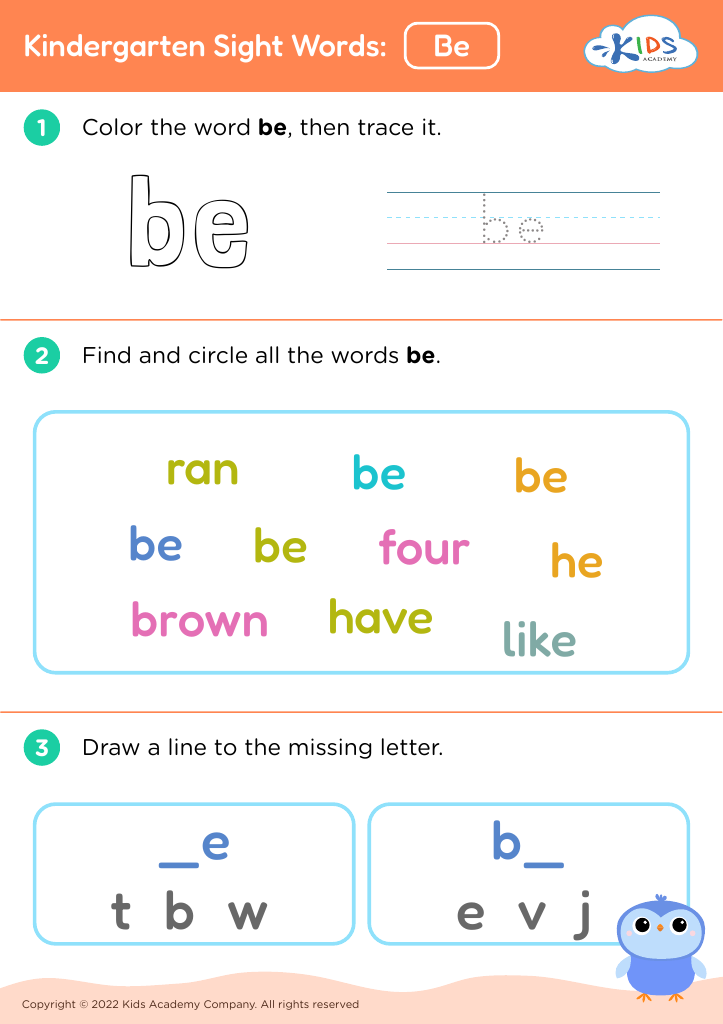
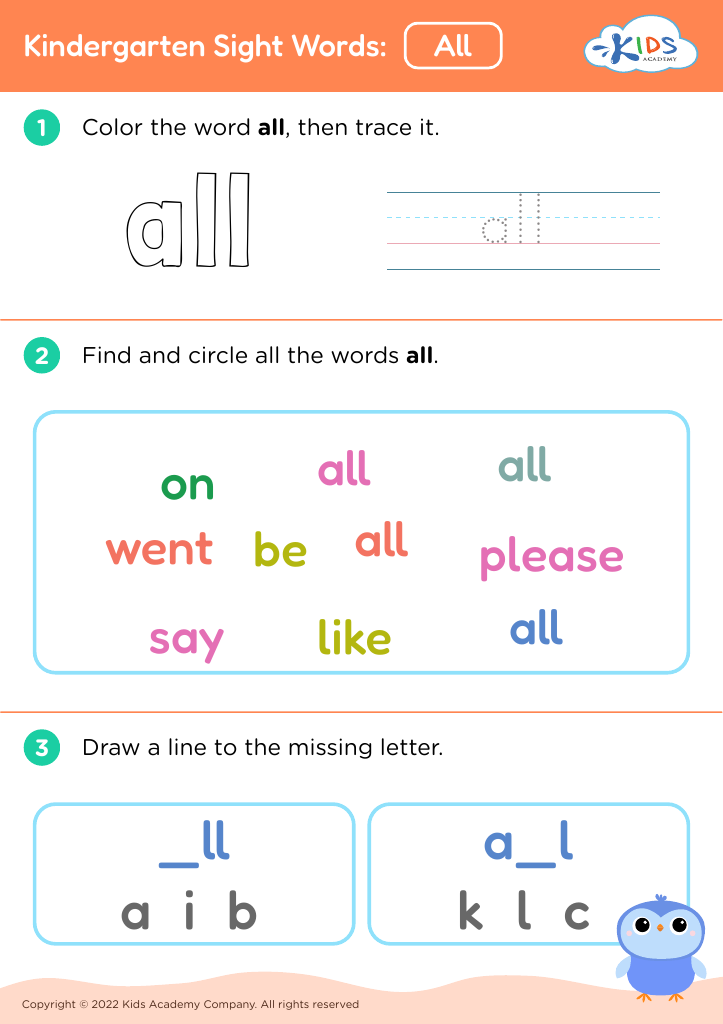
Discover our engaging "Understanding Fractions Sight Words Worksheets" designed specifically for 5-year-olds. These interactive worksheets blend foundational reading skills with essential math concepts, helping young learners grasp the idea of fractions while expanding their sight word vocabulary. Featuring colorful images and age-appropriate activities, children will relate familiar terms to visual representations of fractions, making learning both effective and fun. Perfect for classroom or at-home practice, these worksheets encourage critical thinking, enhance language skills, and foster a love for learning. Empower your child’s educational journey today with our thoughtfully designed resources that make mastering fractions an enjoyable adventure!






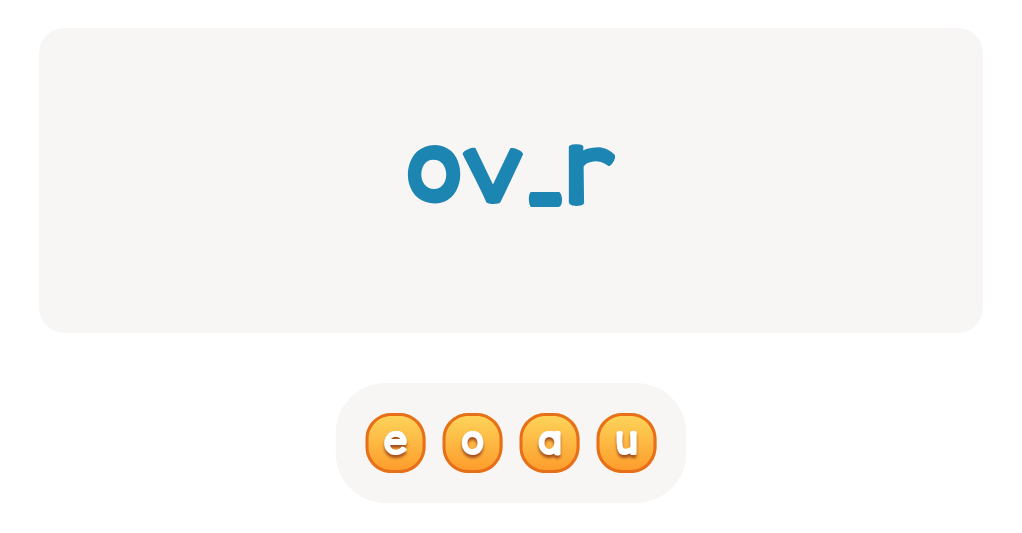
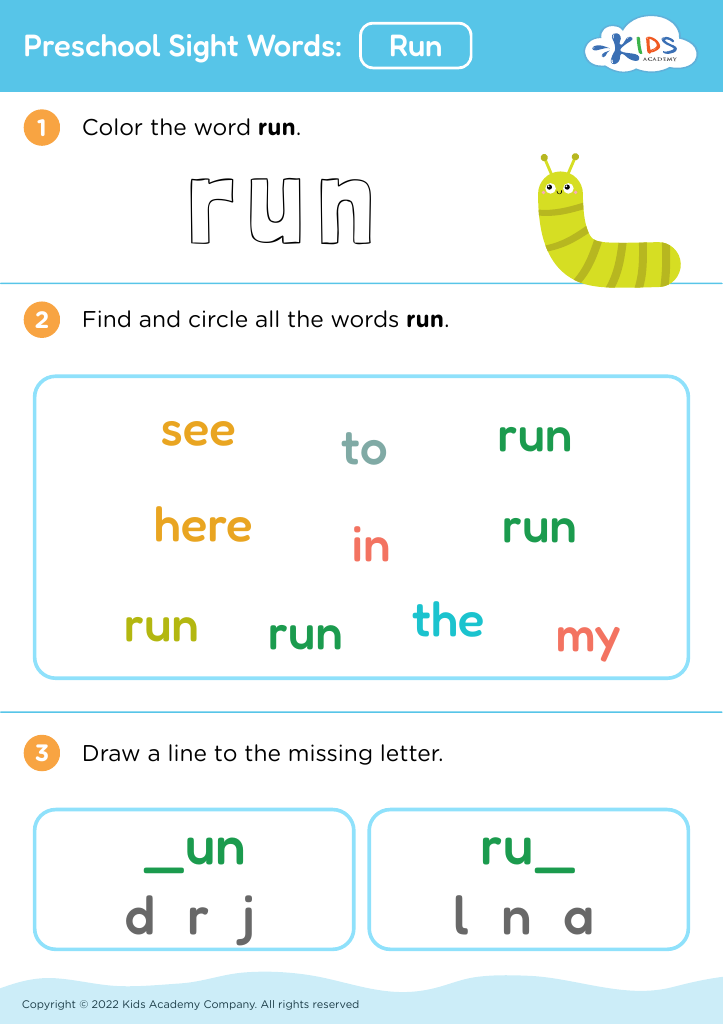
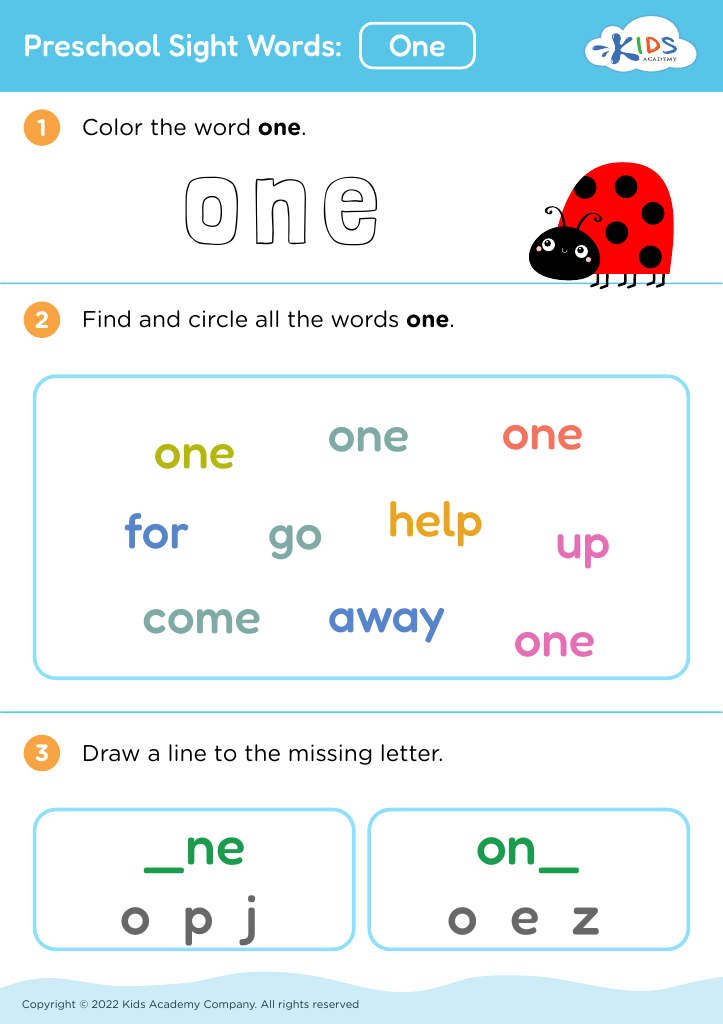
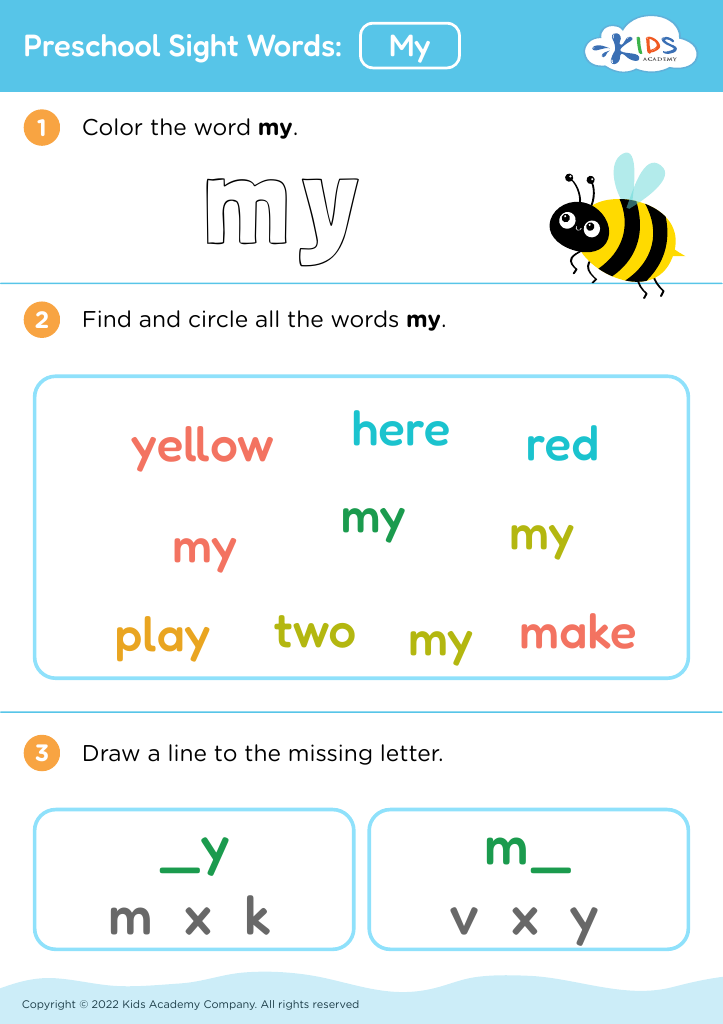
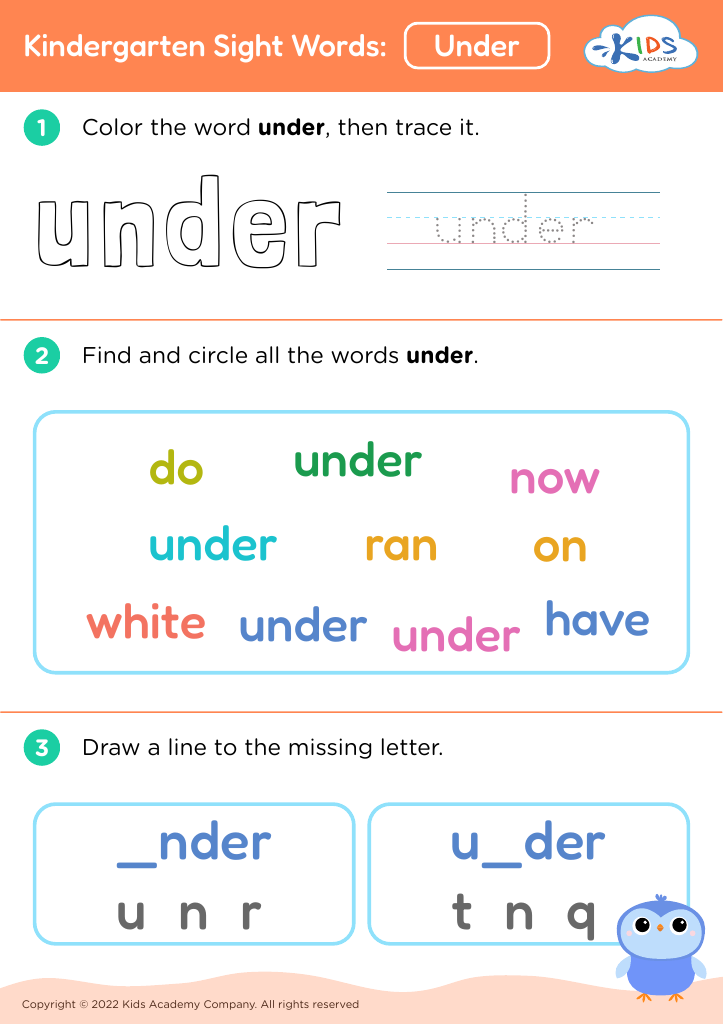
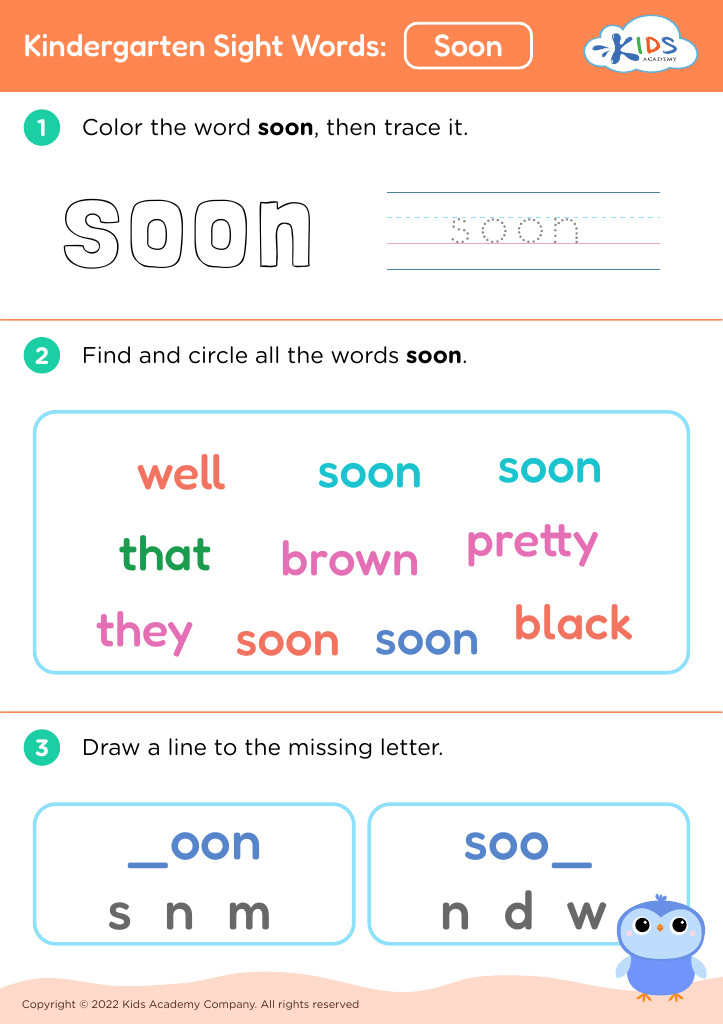
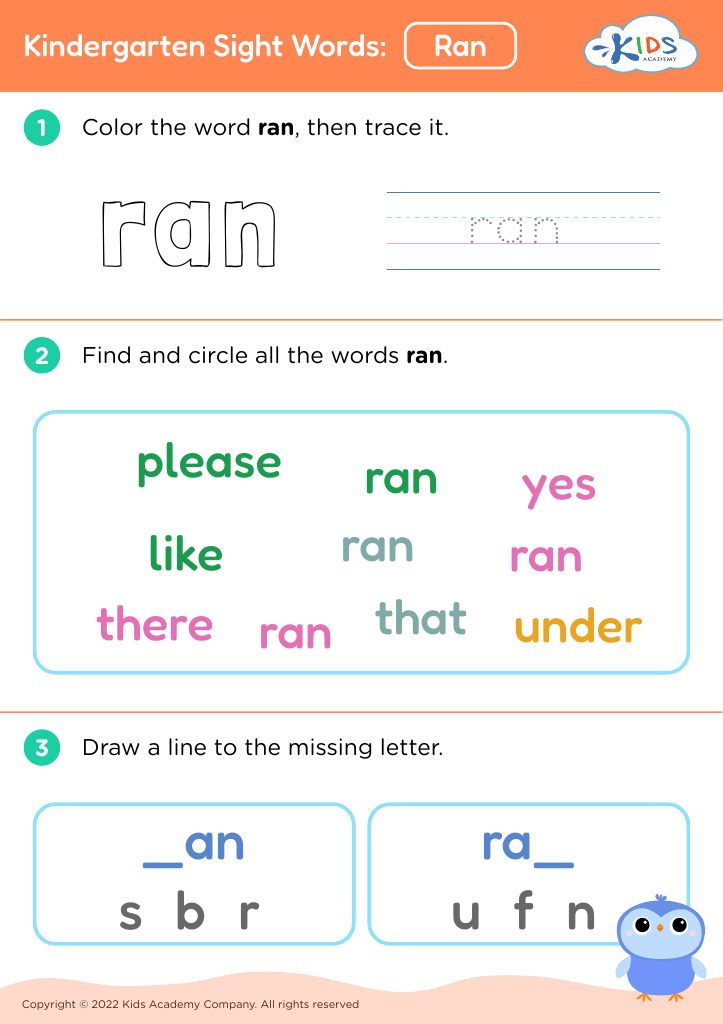
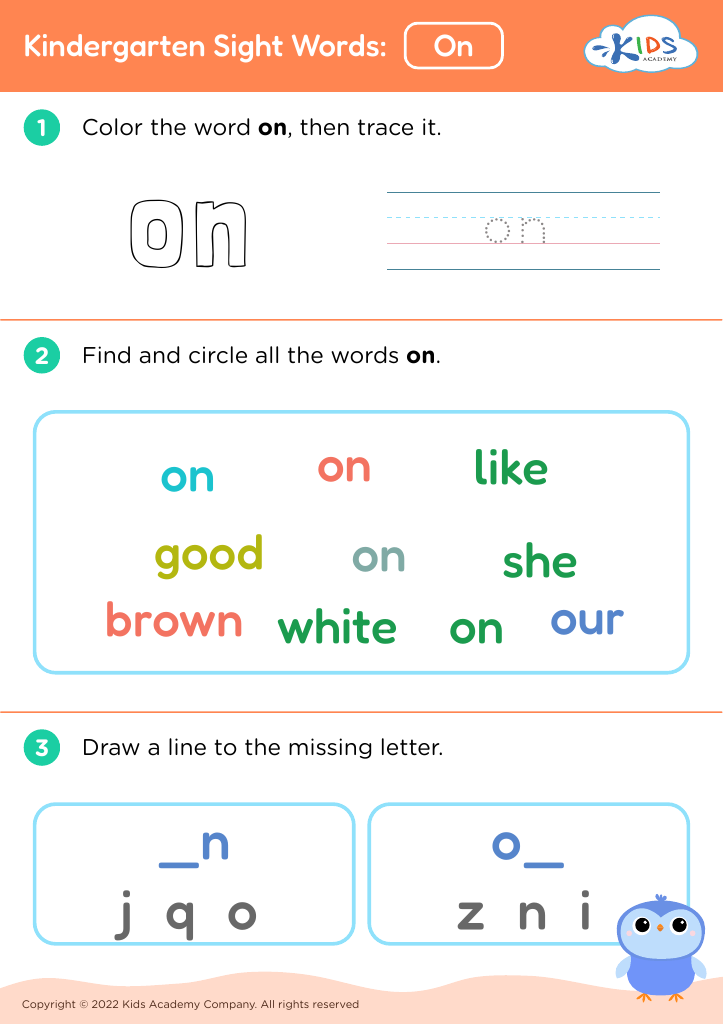
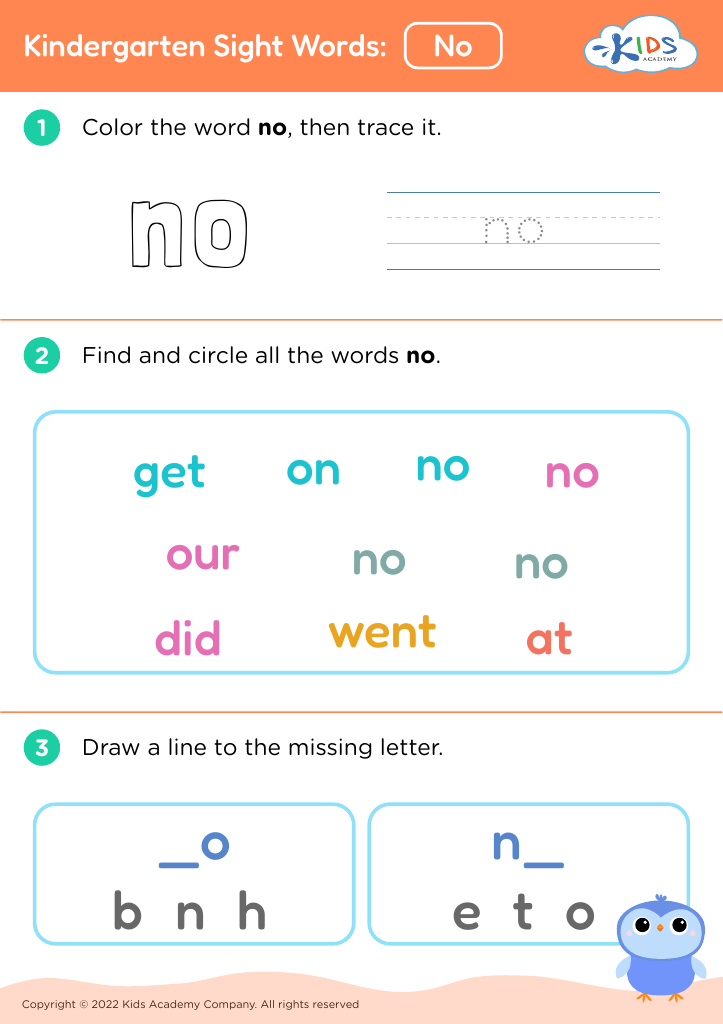
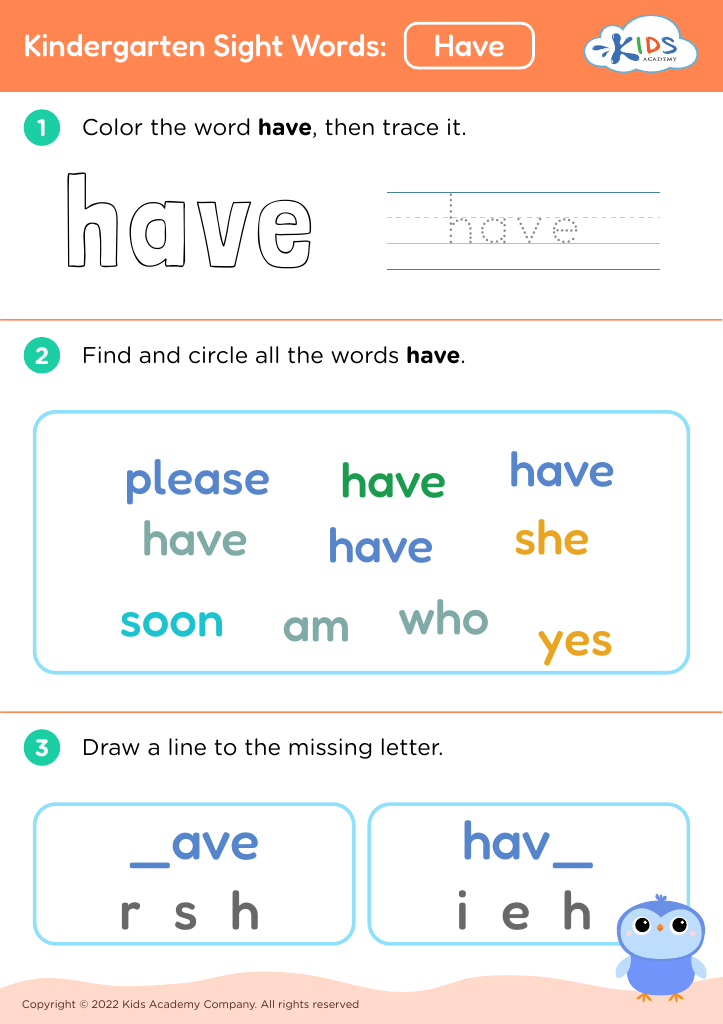
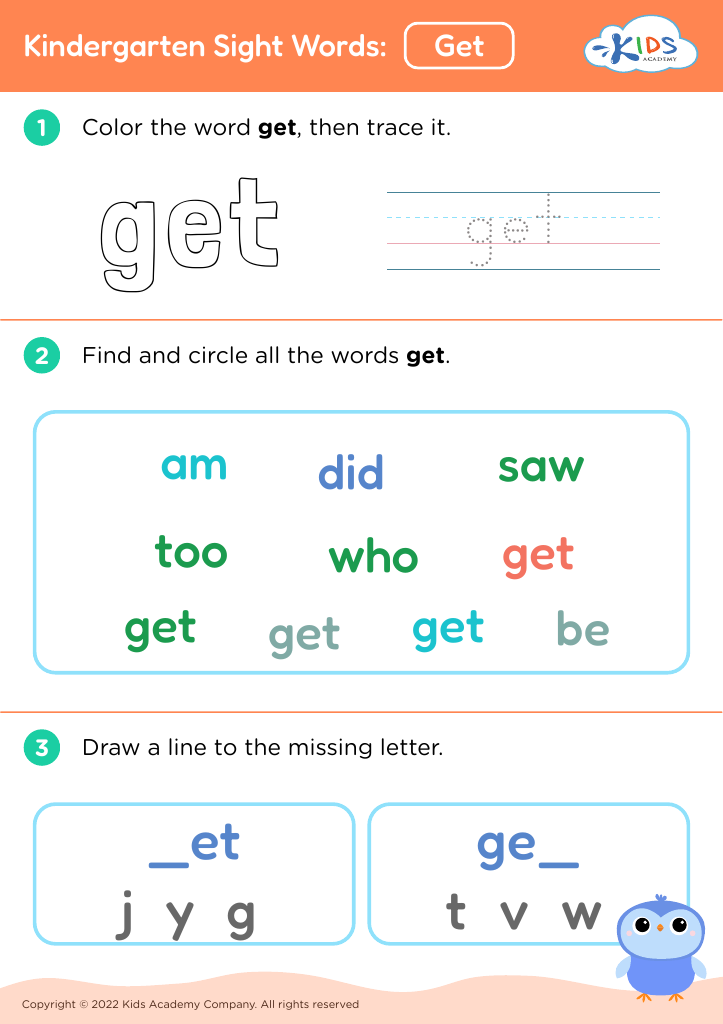
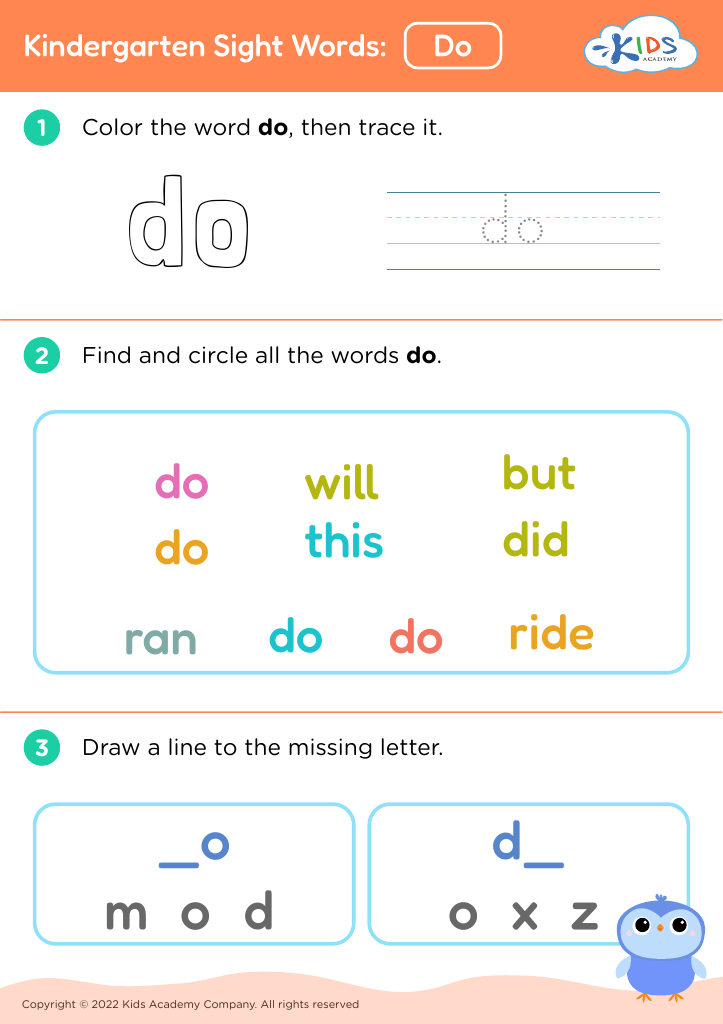








Understanding fractions and sight words is crucial for the early educational development of five-year-olds. At this age, children are in a pivotal stage where they begin to build foundational skills in mathematics and language, which are essential for future learning.
Fractions help young learners grasp the concept of parts of a whole, fostering strong problem-solving and critical thinking skills. Even simple concepts like half and whole can enhance their ability to compare quantities, an essential math skill. Encouraging engagement with fractions through games, cooking, or hands-on activities can make learning enjoyable and relatable.
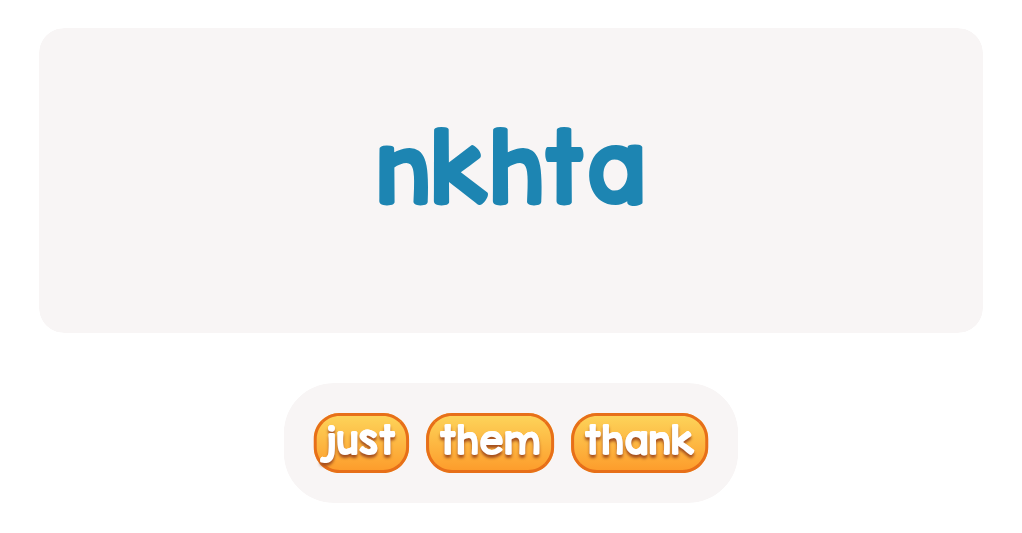
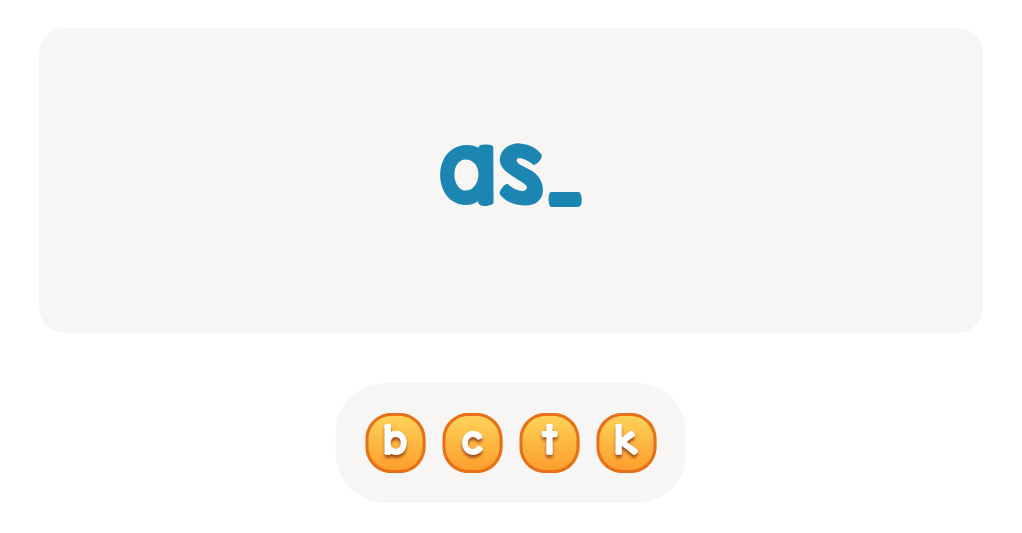
Sight words, on the other hand, are fundamental to developing early reading skills. Recognizing common sight words enables children to read simple texts more fluently, boosting their confidence and interest in reading. As a vital part of their vocabulary, these words are often practiced through fun songs or interactive activities, turning learning into an exciting experience.
Overall, when parents and teachers prioritize understanding fractions and sight words, they lay a solid foundation for children’s academic success. This support not only fosters cognitive development but also nurtures a lifelong love for learning. Engaging children with these concepts helps them feel confident and equipped for the educational challenges ahead.