Sight word recognition Writing Worksheets for 5-Year-Olds
4 filtered results
-
From - To
Boost your child's reading skills with our Sight Word Recognition Writing Worksheets designed specifically for 5-year-olds! These engaging worksheets help young learners recognize and practice essential sight words, enhancing their vocabulary and confidence in reading. Each worksheet features fun activities that encourage children to trace, write, and identify sight words in meaningful contexts. By turning learning into play, your little one will develop a solid foundation in literacy. Perfect for home or classroom use, our worksheets make learning captivating and enjoyable. Download these resources today and watch your child flourish as they embark on their reading adventure!
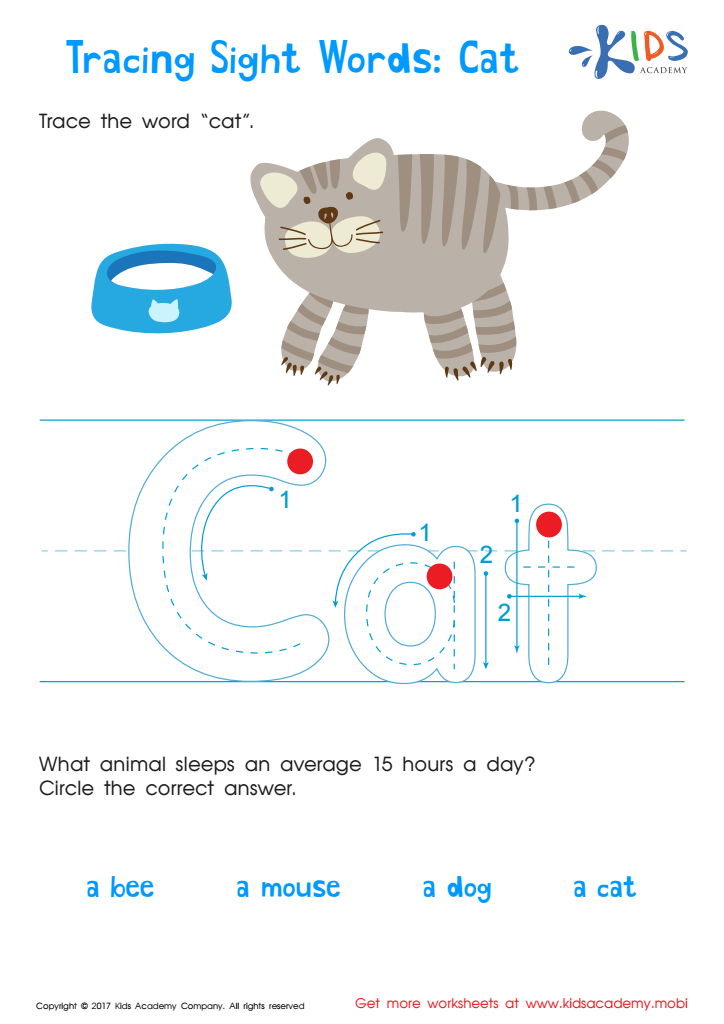
Cat Printable Sight Words Worksheet
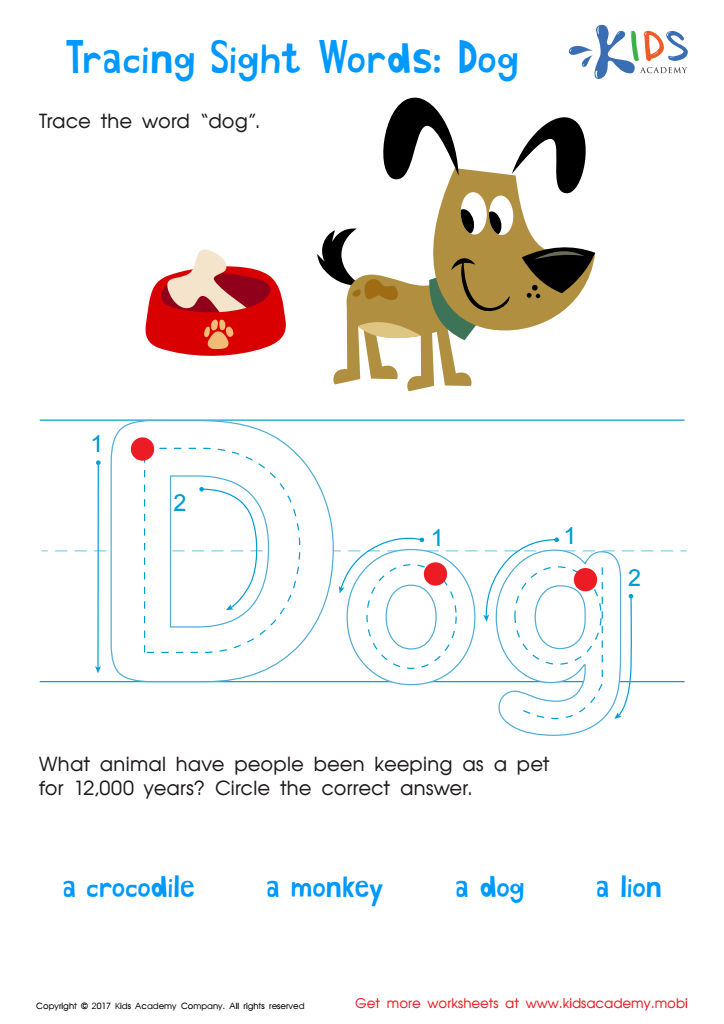
Dog Worksheet Sight Words Worksheet
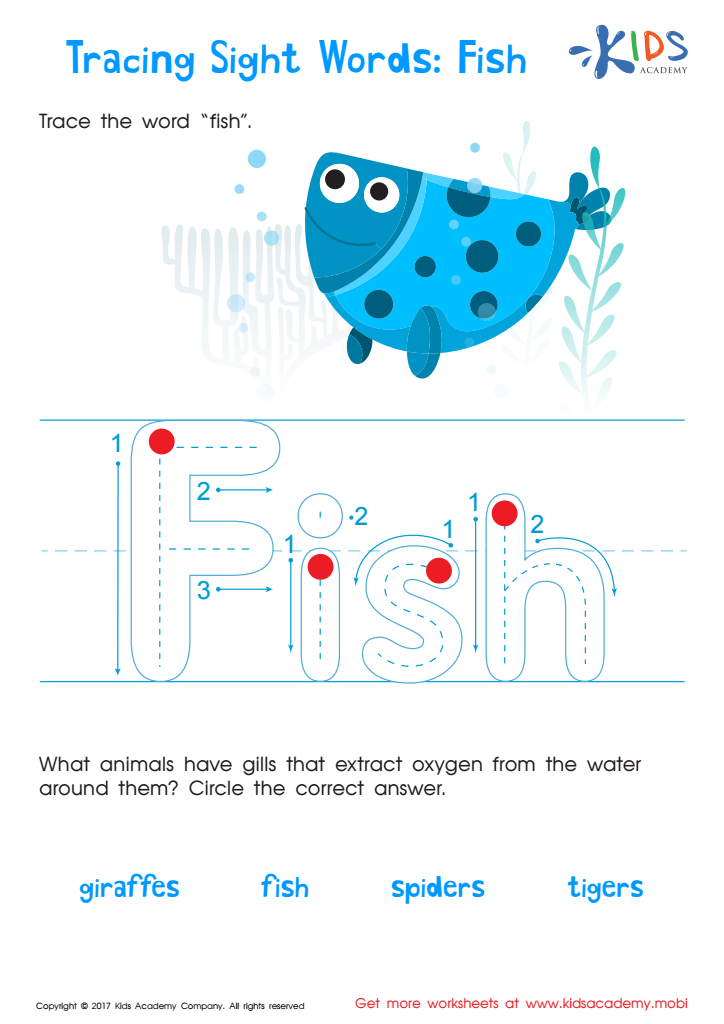
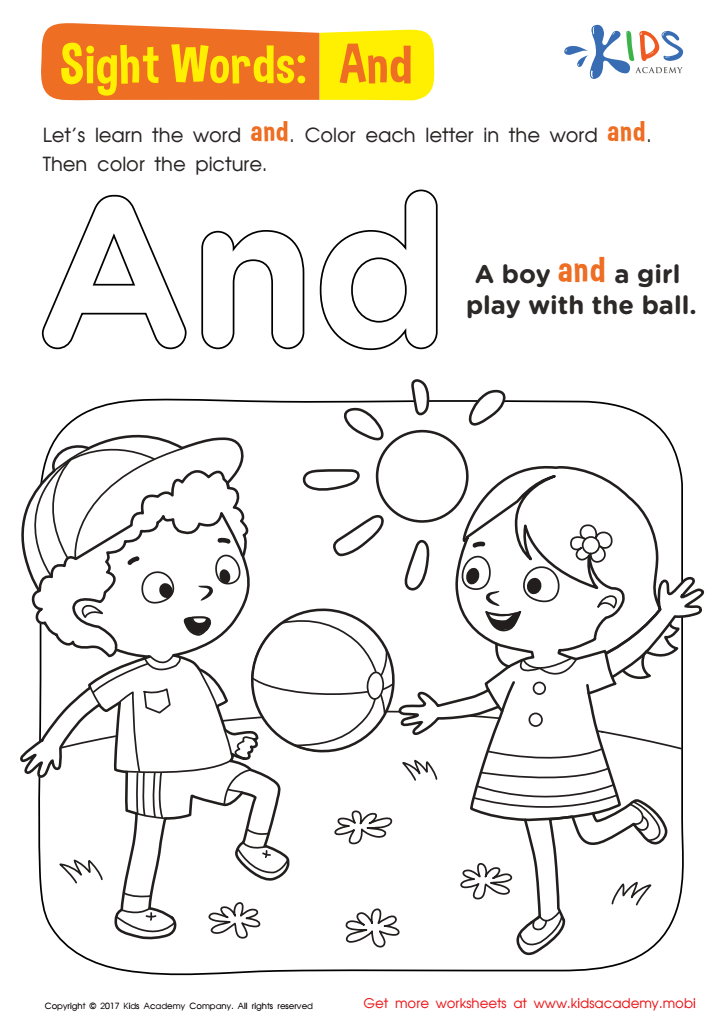
And Worksheet Sight Words Worksheet
 Assign to My Students






Sight word recognition is a fundamental skill for early readers, making it crucial for parents and teachers to prioritize it in the development of five-year-olds. Sight words are high-frequency words that readers need to recognize instantly without sounding them out. This skill enhances fluency, comprehension, and confidence, enabling children to read with greater ease.
When young learners can recognize sight words, they can focus their mental energy on understanding the meaning of sentences instead of decoding each word. This foundational skill lays the groundwork for a love of reading and promotes greater literacy throughout their education. In addition, strong sight word recognition correlates with improved academic performance across subjects, as the ability to read effectively is essential in all areas of learning.
Furthermore, fostering sight word recognition also aids writing skills. As children become familiar with common words, they can more easily express their thoughts and ideas in written form, which increases their engagement and enthusiasm toward writing activities. By encouraging sight word practice, parents and teachers cultivate a literacy-rich environment that boosts communication skills, self-expression, and a lifelong passion for reading and writing. These efforts ultimately support the holistic development of young learners.








