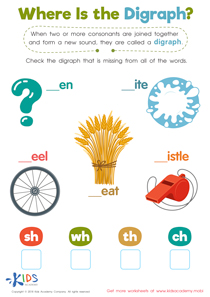
Phonics Skills Beginning Consonants Worksheets for Ages 6-7
4 filtered results
-
From - To
Discover our engaging phonics skills worksheets focused on beginning consonants, designed specifically for children ages 6 to 7. These interactive activities help young learners recognize and practice the sounds of initial consonants, laying a strong foundation for reading and writing. Each worksheet combines fun illustrations and exercises that promote phonemic awareness, making learning both effective and enjoyable. Ideal for classroom use or at-home practice, our resources cater to diverse learning styles and skill levels. Support your child's literacy journey with these vibrant and educational worksheets, ensuring they grasp essential phonics skills while fostering a love for reading!
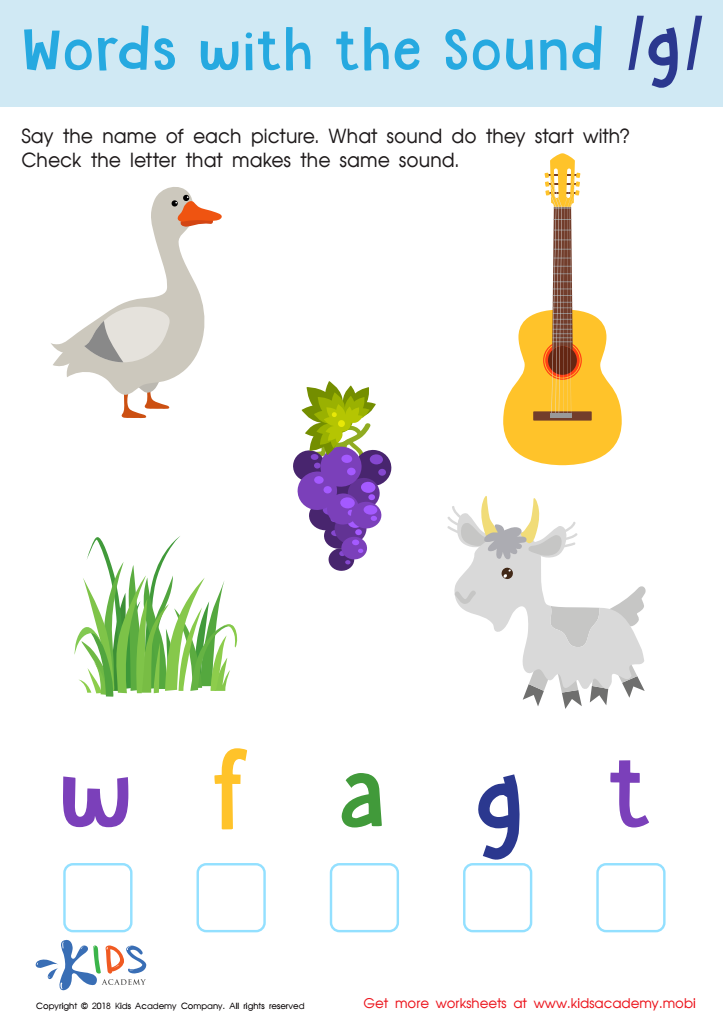
Words with sound g Reading Worksheet
 Assign to My Students
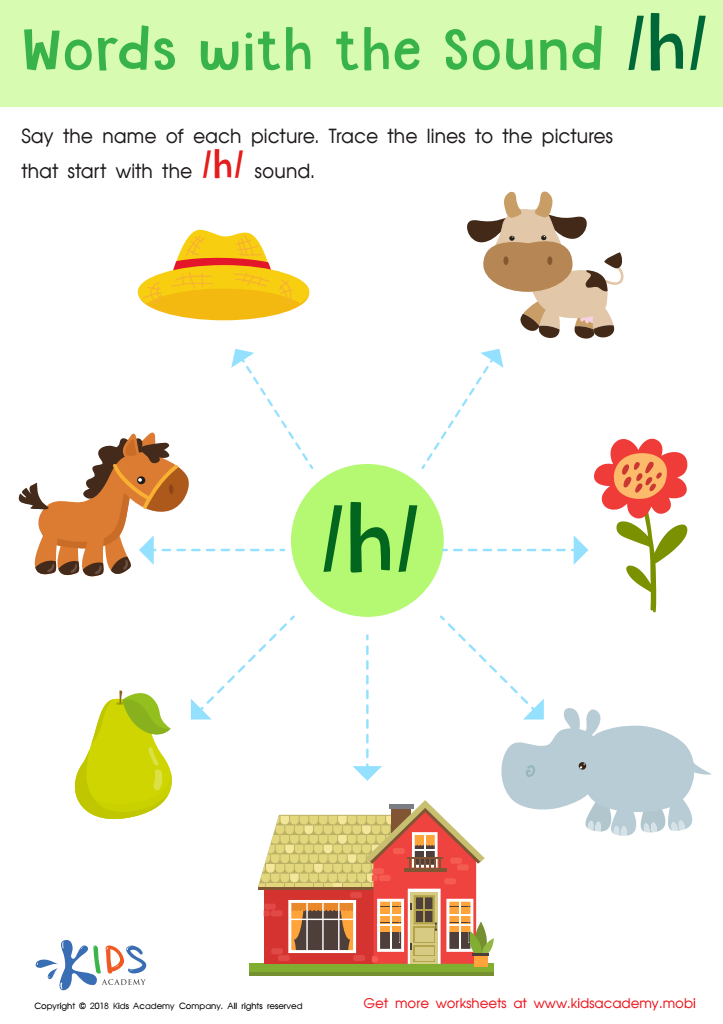
Words with sound h Reading Worksheet
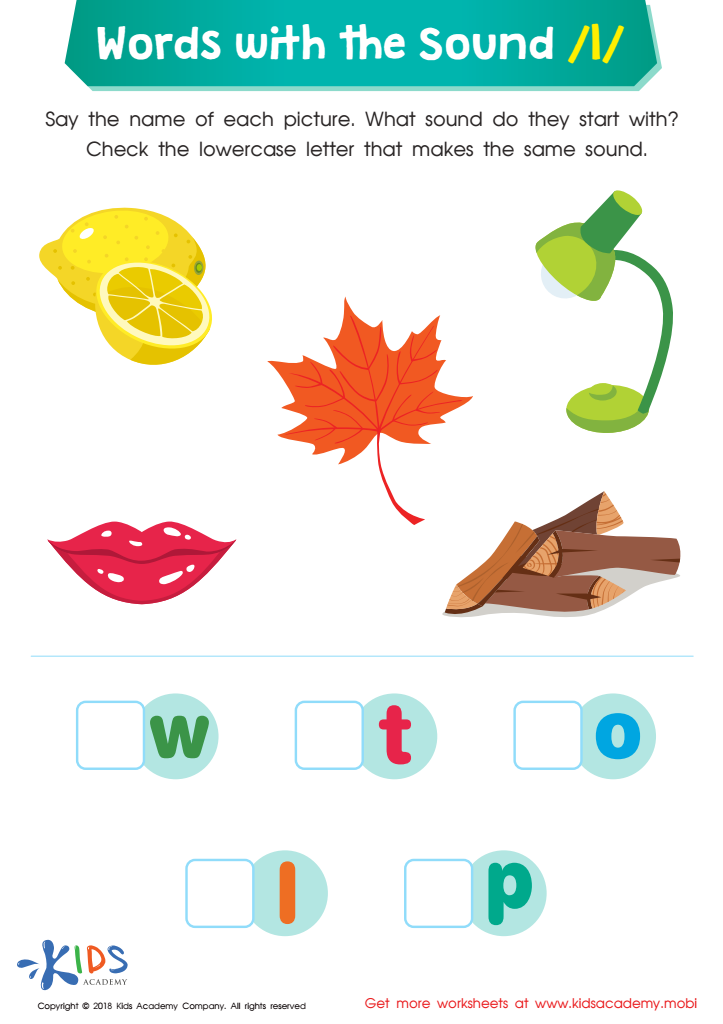
Words with Sound L Reading Worksheet
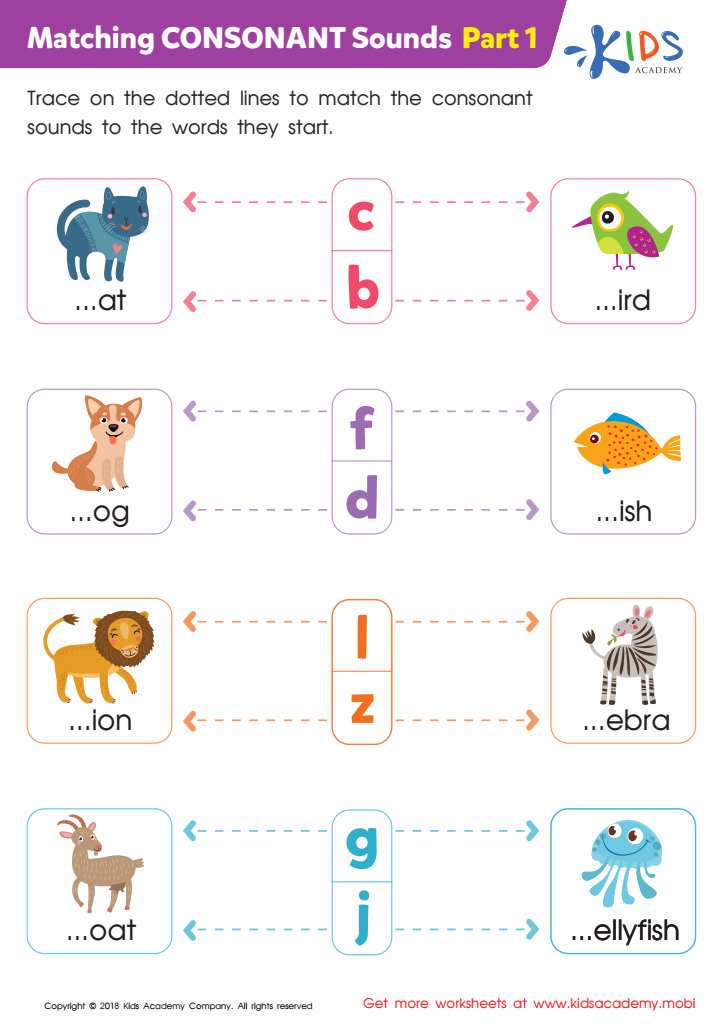
Matching Consonant Sounds: Part 1 Worksheet


Phonics skills, specifically beginning consonants, play a crucial role in early literacy development for children aged 6-7. These skills form the foundation for decoding words, which is essential for reading fluency and comprehension. Mastering beginning consonants helps children understand that letters correspond to specific sounds, enabling them to sound out unfamiliar words. As they engage with texts at this age, recognizing initial consonants allows children to make connections with familiar vocabulary, fostering confidence and encouraging a love for reading.
Parents and teachers should care about these skills because they directly impact a child's academic success. Phonics instruction enhances a child's ability to spell and pronounce words correctly, which is vital for effective communication. In turn, strong reading skills lead to improved performance in other subjects, as reading is a key component of learning across the curriculum.
Moreover, early intervention in phonics can prevent future learning difficulties. Children who struggle with reading at this stage may experience frustration and disengagement, potentially stalling their educational journey. By dedicating time to phonics instruction focused on beginning consonants, educators and guardians can help ensure that children develop the essential skills needed for lifelong literacy and a passion for learning.