Sound recognition Beginning Consonants Worksheets for Ages 6-7
3 filtered results
-
From - To
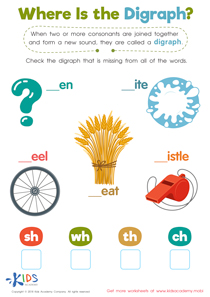
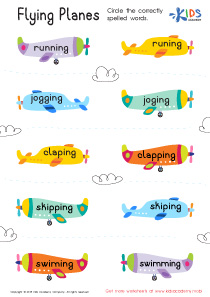
Enhance your child’s phonemic awareness with our Sound Recognition Beginning Consonants Worksheets designed for ages 6-7. These engaging resources feature a variety of activities that promote listening skills and help kids identify initial consonant sounds in words. Through exciting exercises like matching, coloring, and sorting, young learners will develop essential decoding skills needed for reading fluency. Our worksheets offer a fun and interactive approach, making learning enjoyable while building confidence in sound recognition. Perfect for classroom use or at-home practice, these materials are a valuable tool in reinforcing early literacy and language development. Start your child’s journey to reading success today!
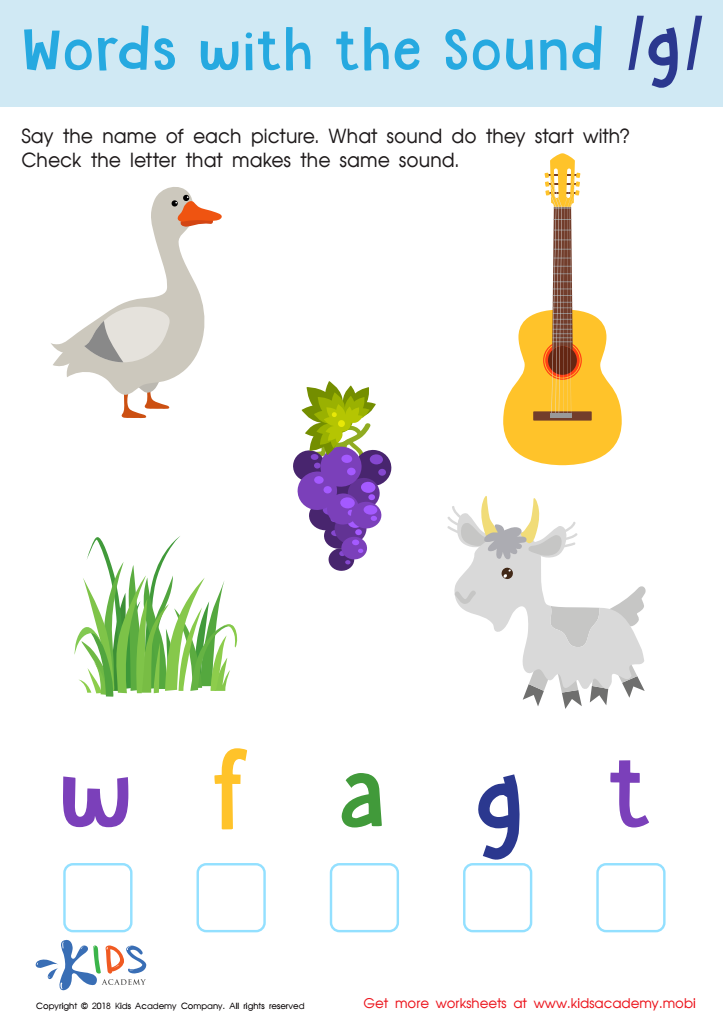
Words with sound g Reading Worksheet
 Assign to My Students
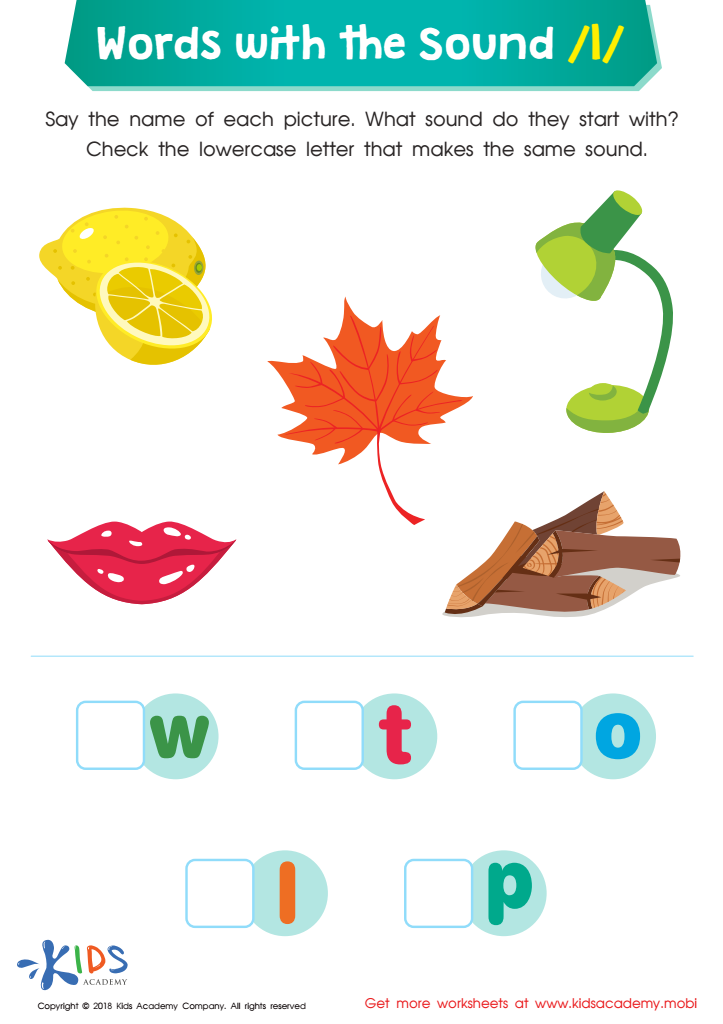
Words with Sound L Reading Worksheet
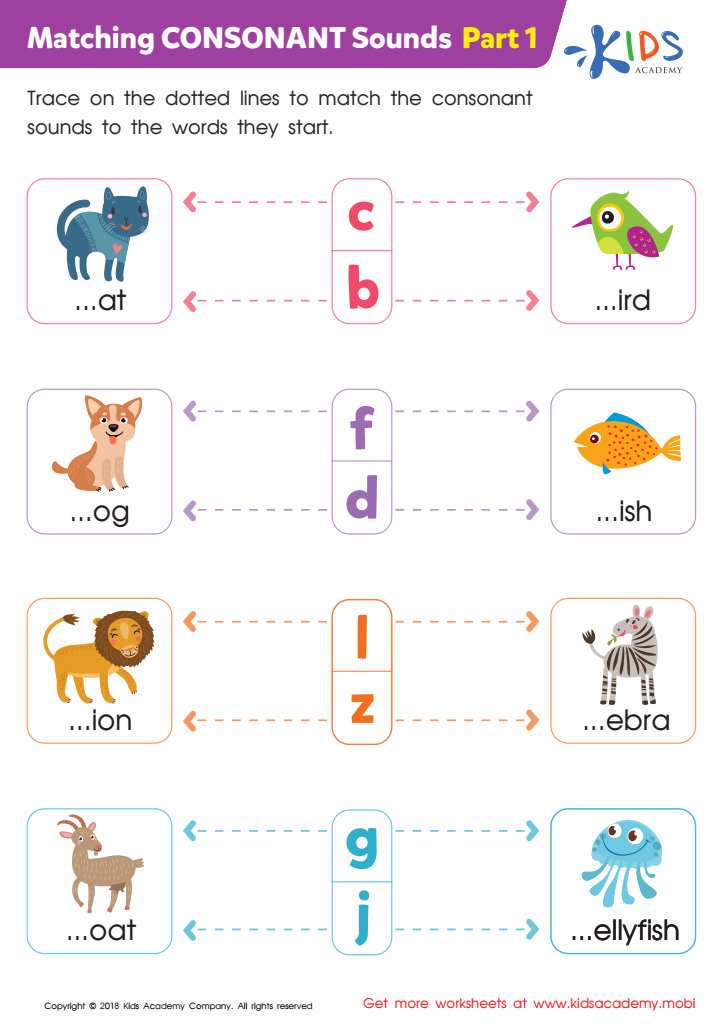
Matching Consonant Sounds: Part 1 Worksheet


Sound recognition, particularly beginning consonants, is vital for children aged 6-7 as it lays the foundation for their reading and writing skills. At this developmental stage, children are transitioning from learning phonics to applying them in practical contexts. Recognizing beginning consonants enables young learners to decode words, enhancing their reading fluency and comprehension.
When children can identify the initial sound of a word, they are better equipped to sound out unfamiliar words and make connections between sounds and letters. This skill promotes phonemic awareness, crucial for spelling and vocabulary development. It also aids in the understanding of rhymes and other phonological structures, which are important for literary development.
For teachers and parents, emphasizing sound recognition creates opportunities for engaging learning experiences, such as games and interactive reading sessions. Strong proficiency in this area contributes to greater confidence in literacy, setting the stage for future academic success. Furthermore, by supporting sound recognition, adults can help foster a lifelong appreciation for reading, encouraging curiosity and critical thinking. Ultimately, investing time in this foundational skill not only supports children’s immediate learning needs but also equips them with the tools necessary for their future educational journeys.