Decision making skills Chess Worksheets for Ages 6-7
3 filtered results
-
From - To
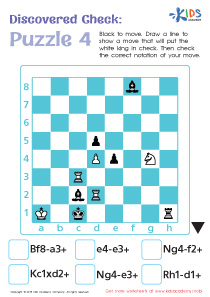
Enhance the critical thinking and decision-making skills of your 6-7-year-old with our engaging Chess Worksheets. Designed by educational experts, these printable materials provide the perfect blend of fun and learning. Each worksheet challenges young minds to think strategically, recognize patterns, and anticipate moves, building a strong foundation for problem-solving skills. Perfect for parents and teachers, our worksheets make chess accessible and enjoyable for young learners, fostering both intellectual growth and a love for this classic game. Enable your child to sharpen their decision-making abilities and boost their confidence with our expertly crafted chess activities.
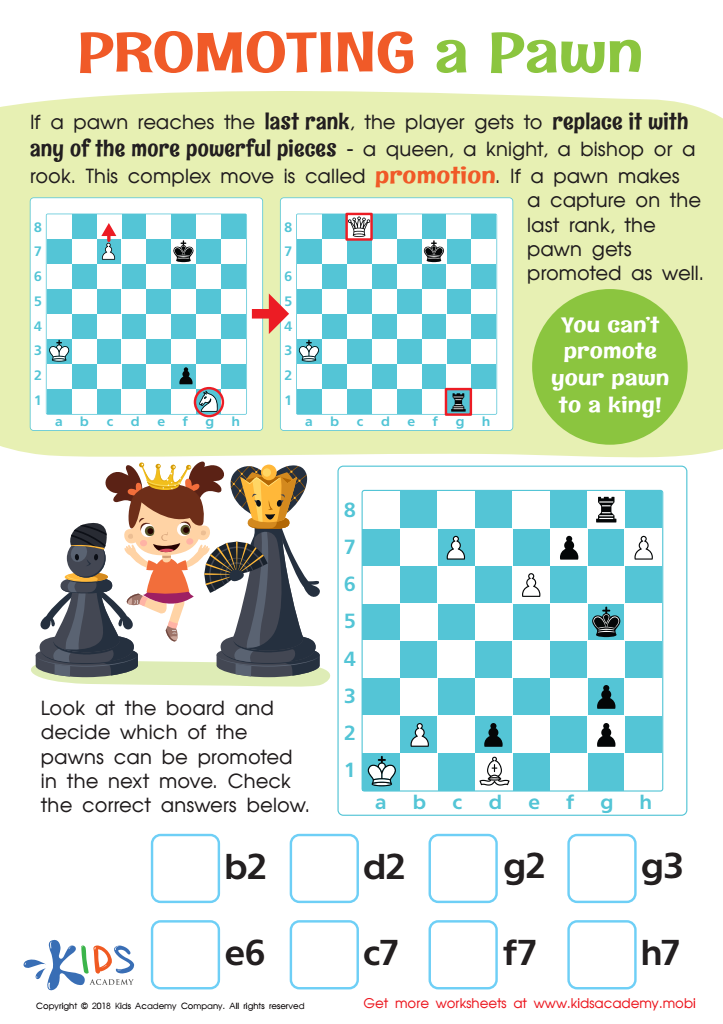
Promoting a Pawn Worksheet
 Assign to My Students
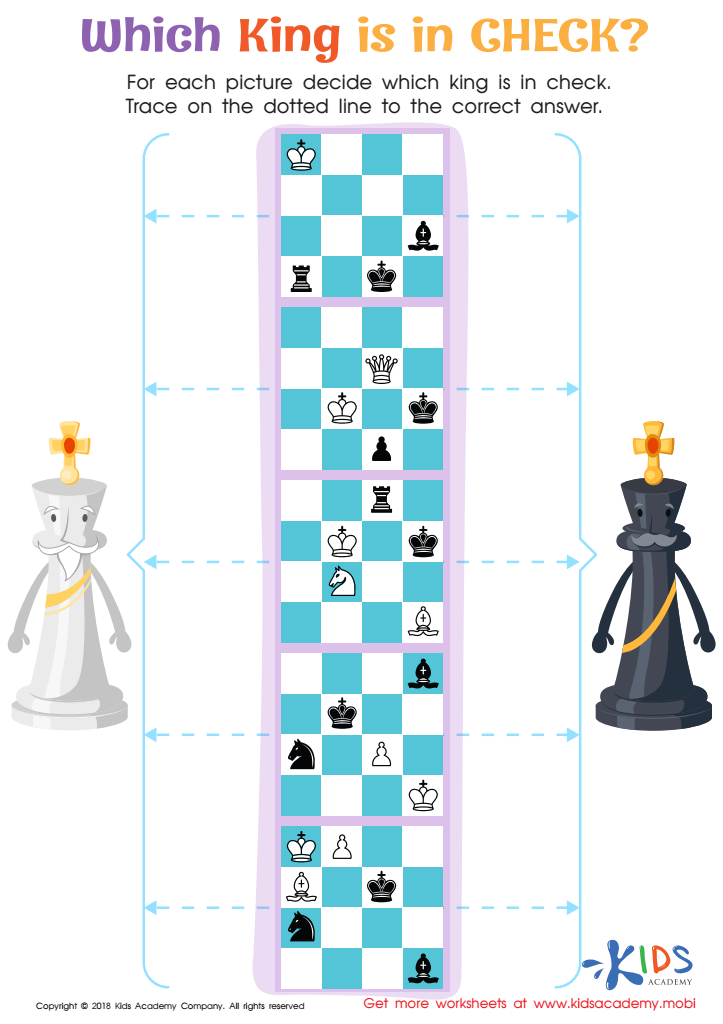
Which King is in Check? Worksheet
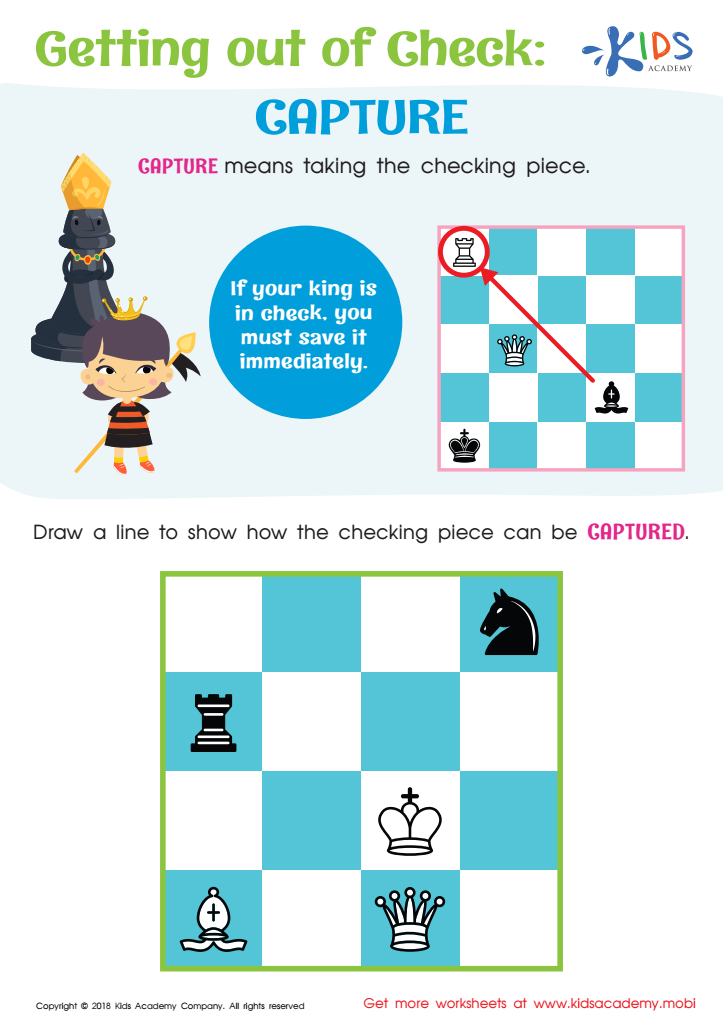
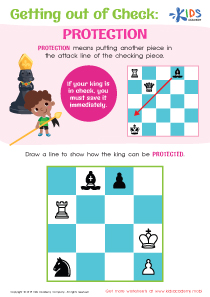
Getting out of Check: Capture



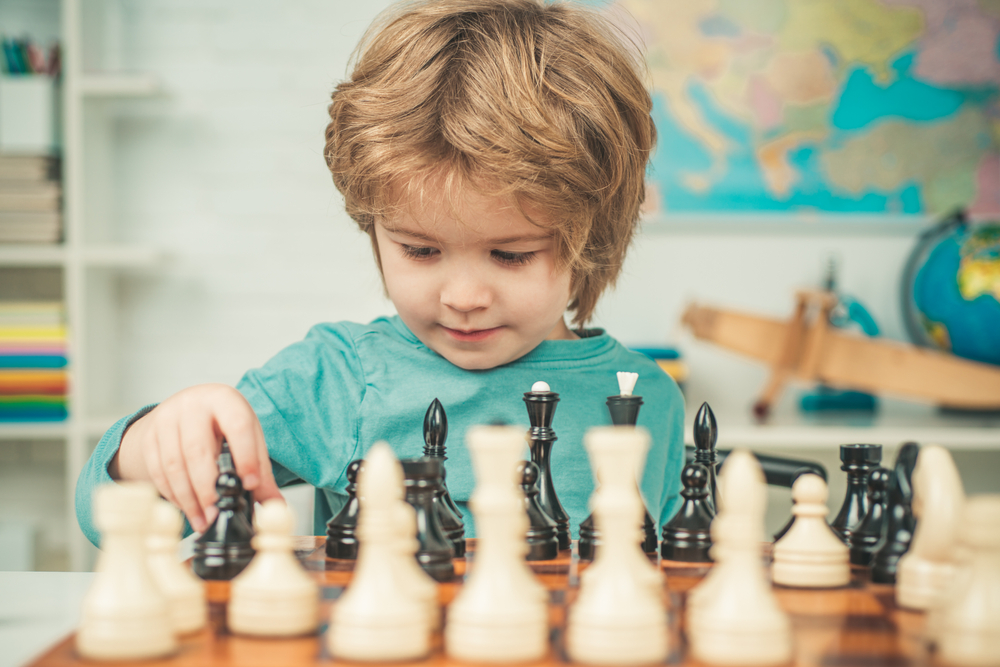
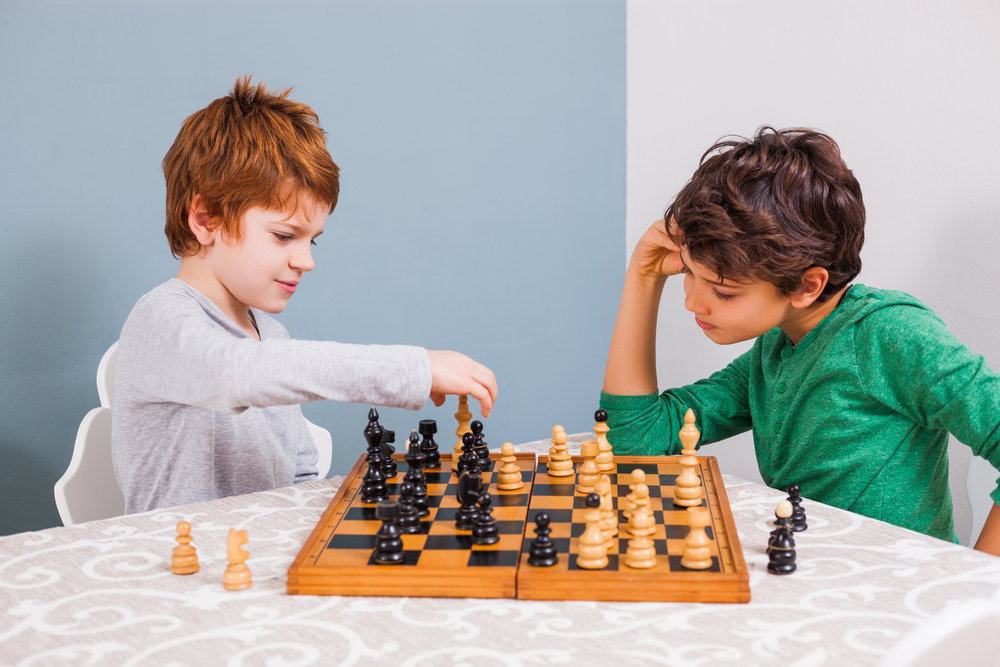


Decision-making skills are essential for the cognitive and emotional development of young children, and chess serves as an excellent tool to foster these abilities. For children aged 6-7, chess encourages critical thinking by requiring them to evaluate different moves, anticipate their opponent's responses, and plan several steps ahead. These skills translate into better problem-solving abilities in real-life situations, promoting logical reasoning and careful consideration before taking action.
Parents and teachers should care about integrating chess into a child's routine because it supports academic achievement. The game requires concentration and patience, helping children develop these critical capabilities, which are beneficial in a classroom setting. Additionally, chess instills a sense of responsibility. A child learns to live with the consequences of their choices, fostering accountability at an early age.
Chess also provides emotional benefits. It teaches children to manage stress and cope with winning and losing gracefully, promoting emotional resilience. These social-emotional qualities are crucial for personal development and peer interactions. Chess is a fun and engaging way to build these vital life skills, making it a valuable addition to the educational curriculum and home activities. By prioritizing chess, parents, and teachers are investing in building a foundation for a child's future success and well-rounded development.