Counting money Worksheets for Ages 6-7
3 filtered results
-
From - To
Enhance your child’s financial literacy with our engaging Counting Money Worksheets designed for ages 6-7! These printable resources help young learners grasp the fundamentals of identifying coins, counting bills, and making change, all while promoting hands-on practice in a fun way. Each worksheet encourages kids to apply their math skills to real-world situations, boosting confidence in money management. With a variety of exercises tailored to different learning styles, your child will stay motivated and intrigued as they master money counting concepts. Perfect for home or classroom use, our worksheets support essential life skills through interactive learning!
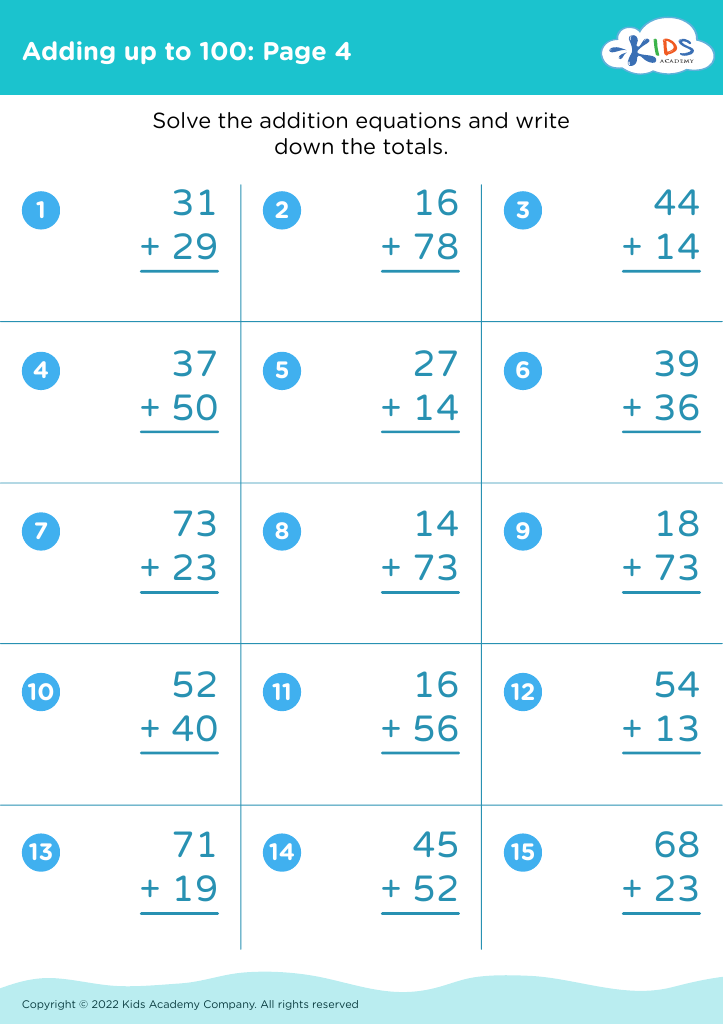
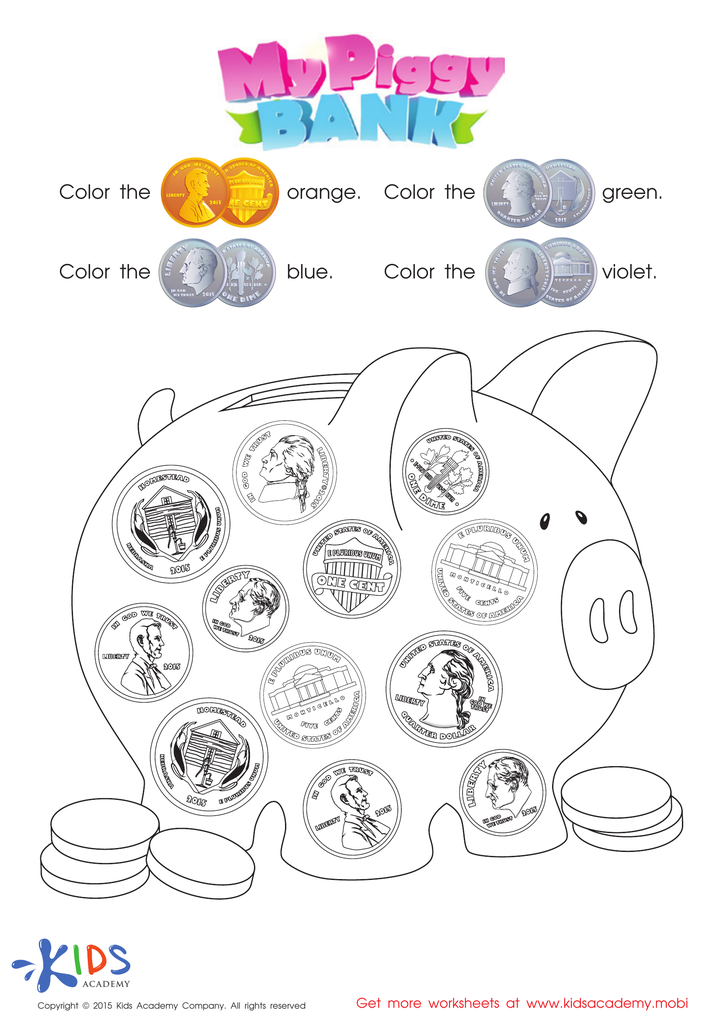
Recognizing Money Money Worksheet
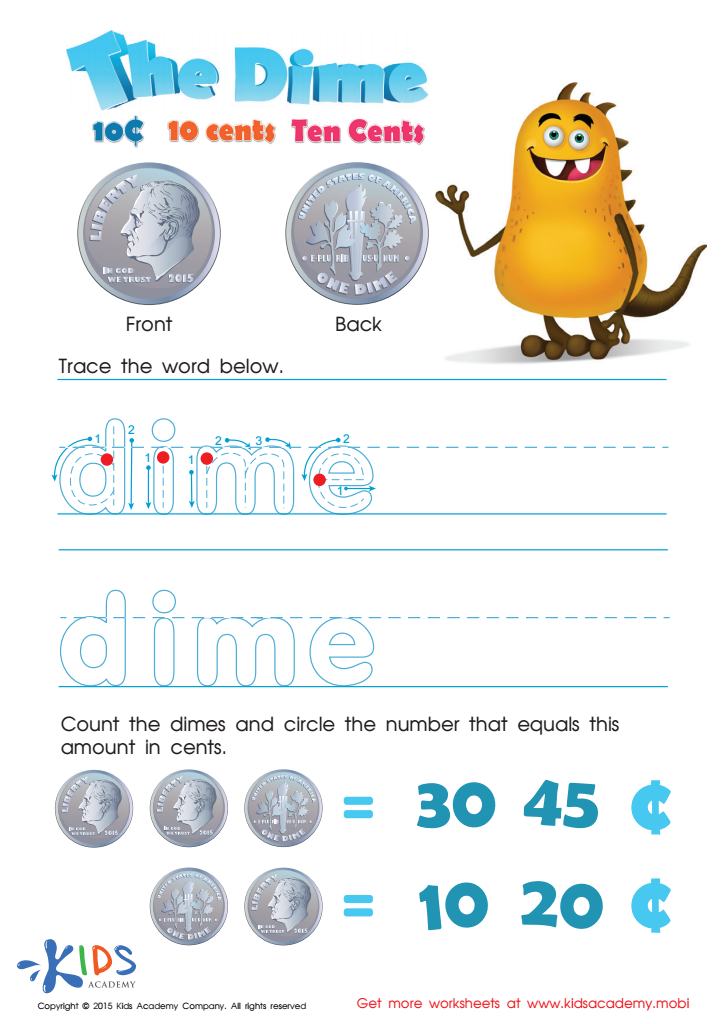
Ten Cents or the Dime Money Worksheet
 Assign to My Students








Counting money is a fundamental skill that plays a crucial role in a child's development, especially for those aged 6-7. At this age, children are refining their mathematical abilities, and introducing money counting reinforces essential concepts such as addition, subtraction, and the value of different denominations.
Understanding money also helps children grasp the concept of budgeting, saving, and spending wisely. When parents and teachers emphasize money counting, they provide children with practical life skills that foster financial literacy. Engaging in activities like counting coins or making change can enhance critical thinking and problem-solving skills. For example, when children simulate a store checkout scenario, they learn to apply math in real-life situations, making the learning process both fun and meaningful.
Furthermore, money counting encourages responsibility and confidence. As children learn to manage and count their allowances or small savings, they develop a sense of ownership and accountability. By fostering these competencies at a young age, parents and teachers prepare children for making informed financial decisions in their future. Ultimately, cultivating skills related to money counting is not just about handling cash; it lays the groundwork for responsible financial behaviors and enhances a child's overall mathematical understanding.








