Counting shapes Worksheets for Ages 6-7
3 filtered results
-
From - To
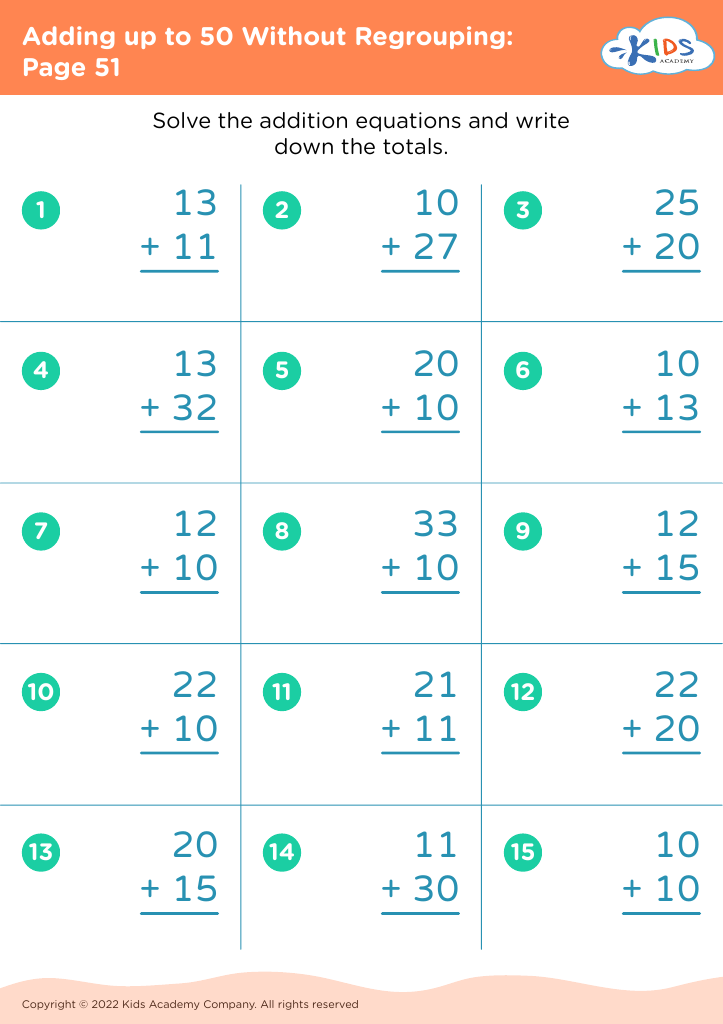
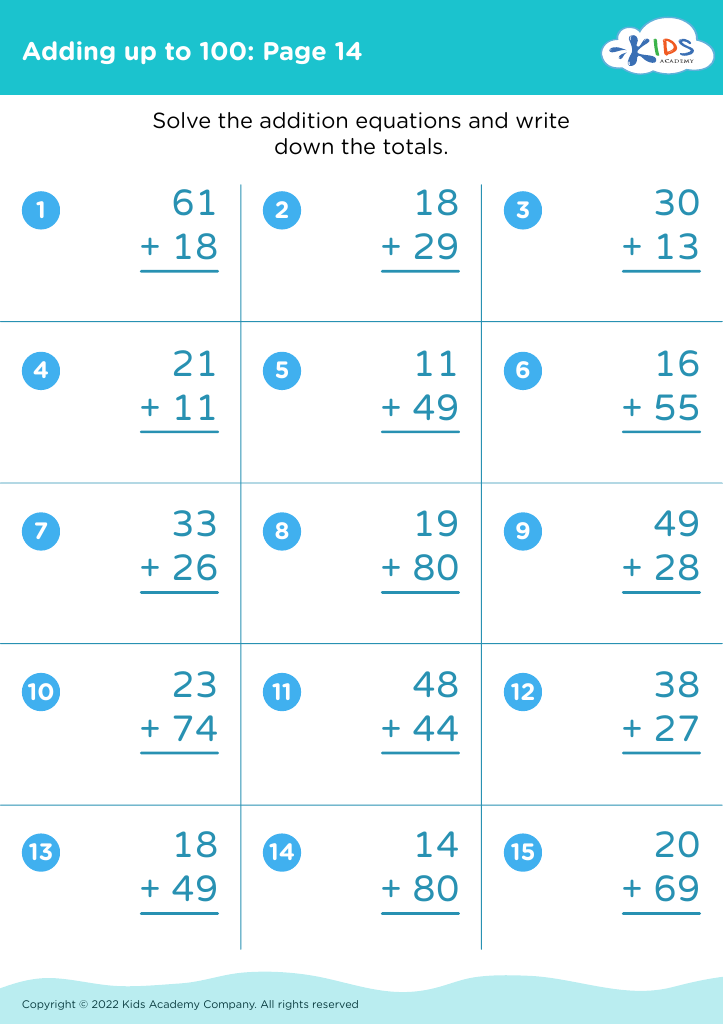
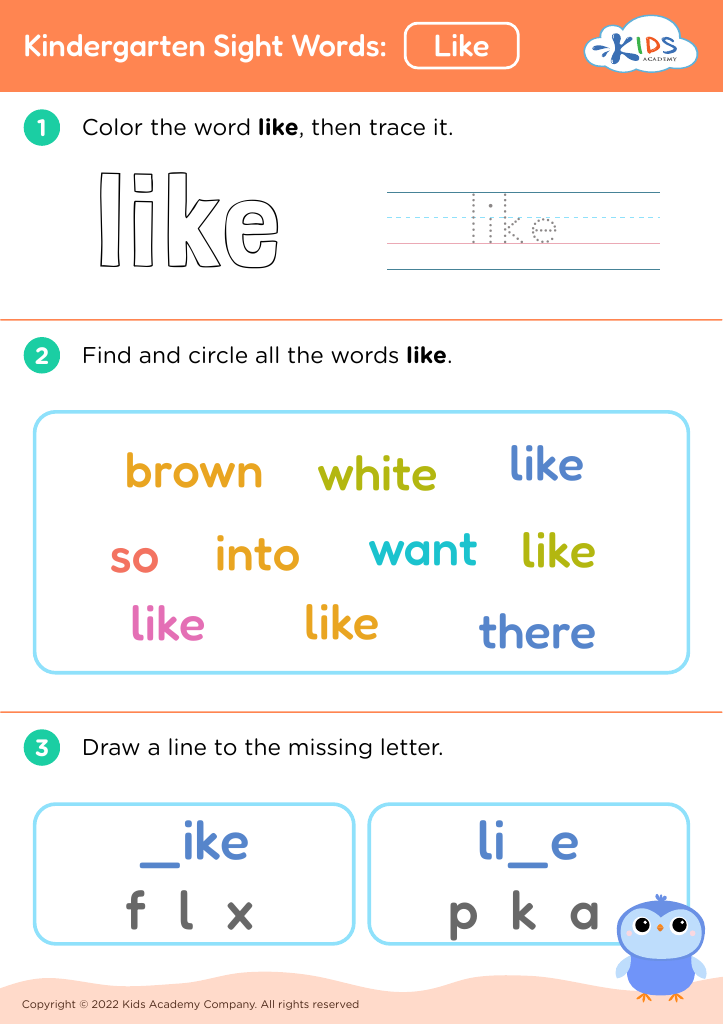
Enhance your child’s math skills with our Counting Shapes Worksheets, specifically designed for ages 6-7. These fun and educational printables from Kids Academy help kids practice counting and recognizing various shapes. Each worksheet introduces engaging activities that boost essential learning skills, including spatial awareness and pattern recognition. Perfect for classroom use or at-home learning, these worksheets blend education with entertainment. Watch as your child confidently identifies and counts common shapes, paving the way for future math success. Unlock their potential and make learning enjoyable with our Counting Shapes Worksheets today!





.jpg)


Counting shapes for ages 6-7 is a foundational activity that enhances crucial developmental skills. At this age, children are transitioning from simple number recognition to more complex mathematical concepts. Engaging in shape counting exercises supports several key areas of their early learning journey.
Firstly, counting shapes integrates basic principles of geometry, helping children to recognize and name different shapes such as circles, triangles, and squares. This foundational understanding is essential for future success in math. By recognizing patterns, children improve their ability to problem-solve and think critically.
Moreover, counting shapes encourages the development of fine motor skills. Handling physical shapes or drawing them strengthens coordination and dexterity. When shapes are counted, sorted, or grouped, it also nurtures organizational skills and cognitive abilities that are instrumental in other academic subjects.
In addition, these activities foster a love for learning by combining visual and tactile elements – making learning interactive and fun. Parents and teachers can use these counting exercises to build a solid mathematical foundation, encourage practical learning experiences, and support overall intellectual growth.
Ultimately, by caring about counting shapes, adults help children develop a strong academic base, confidence in their problem-solving skills, and a positive attitude towards school and learning.








