Directional skills Worksheets for Ages 6-7
6 filtered results
-
From - To
Enhance your child's spatial awareness with our Directional Skills Worksheets for ages 6-7. Designed to build confidence in understanding and following directions, these engaging activities can improve kids’ comprehension of left, right, up, and down. Each worksheet incorporates playful themes and vibrant illustrations that make learning enjoyable. Perfect for at-home practice or classroom use, our resources are expertly crafted to develop essential navigation skills. Support your child's cognitive growth with our comprehensive collection, and watch as they master foundational directional concepts vital for everyday tasks and future academic success.
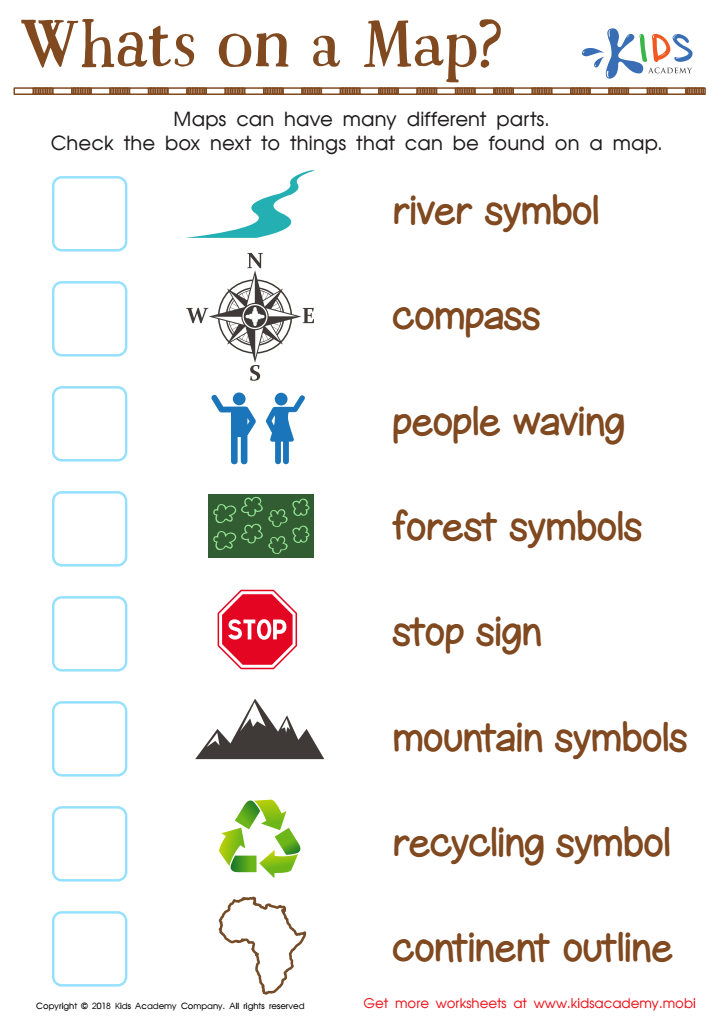
Whats on a Map? Worksheet
 Assign to My Students
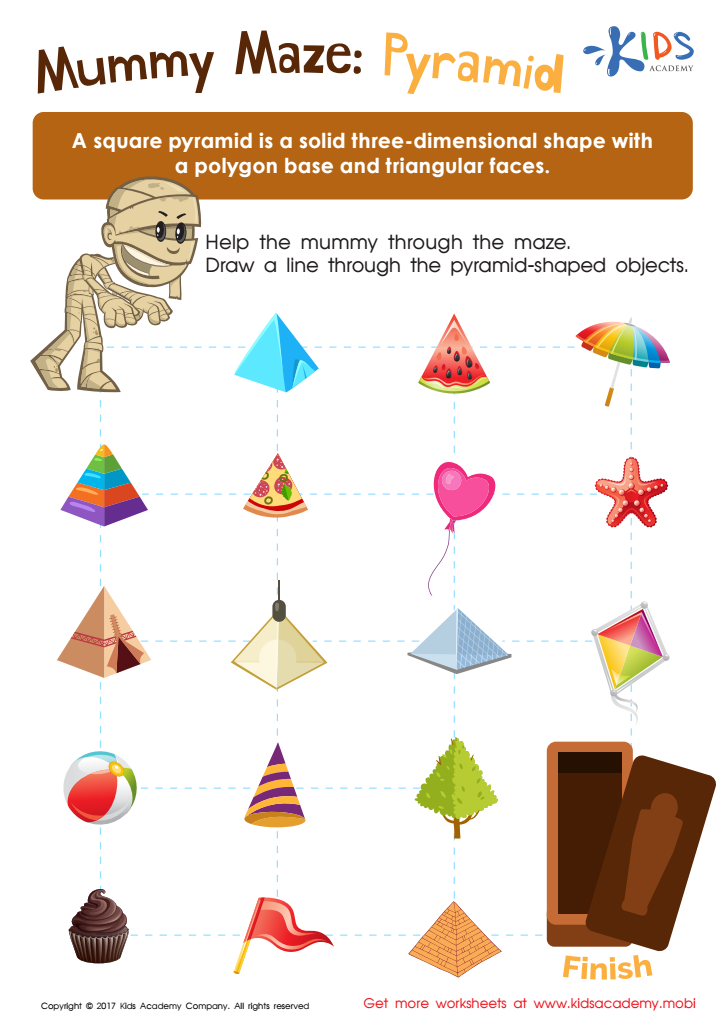
Mummy Maze: Pyramid Printable
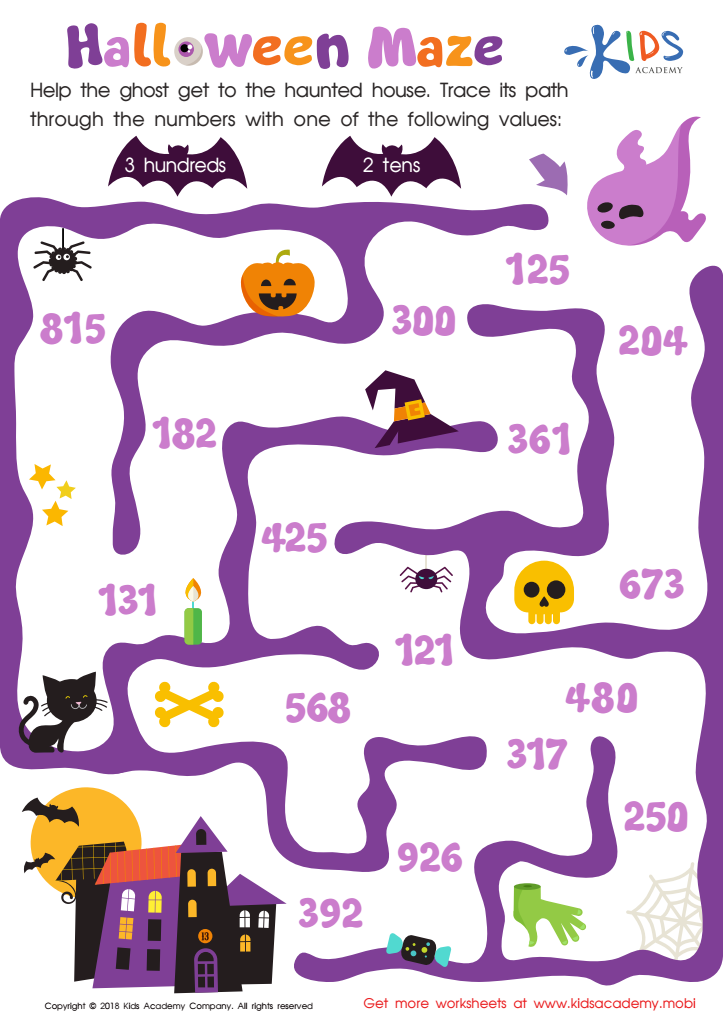
Place Value: Halloween Maze Worksheet
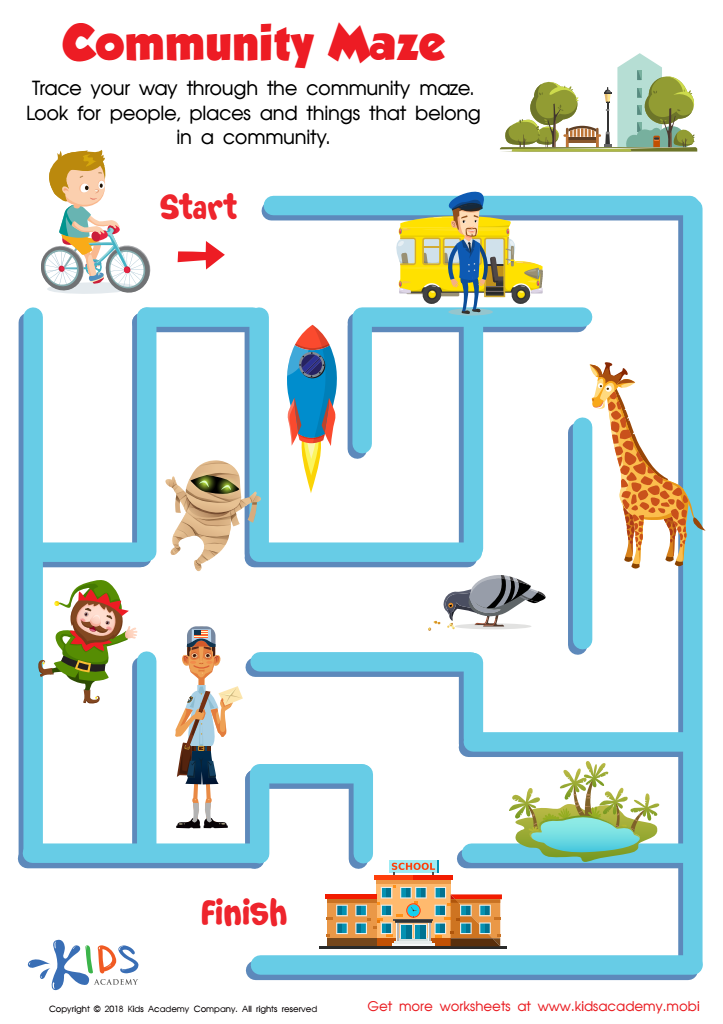
Community Maze Worksheet
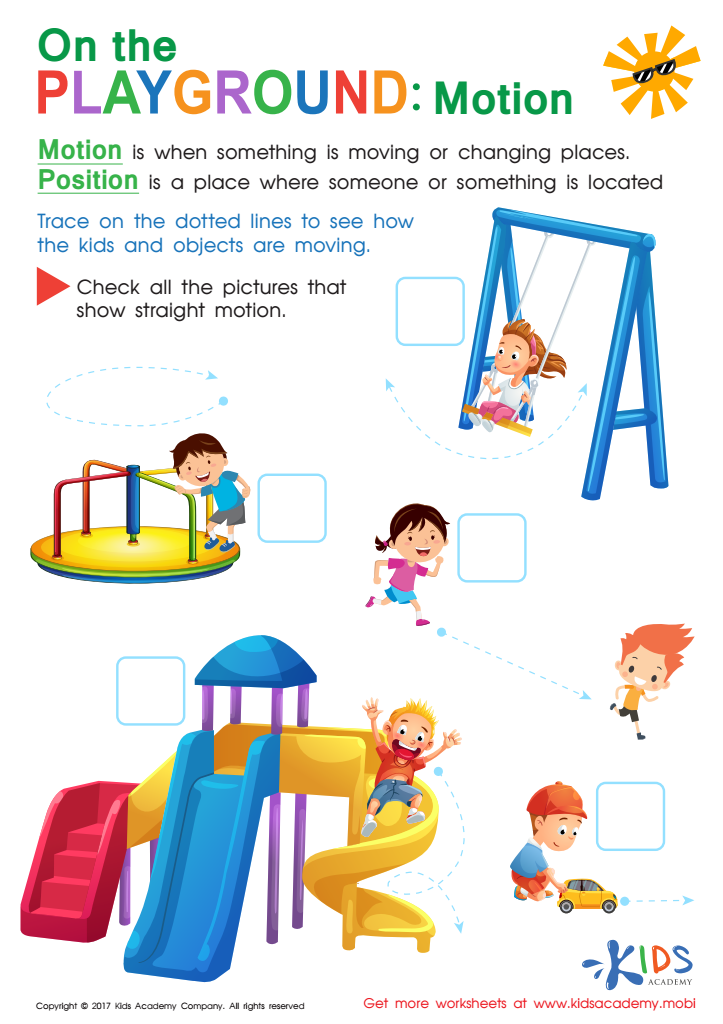
Position and Motion Worksheet
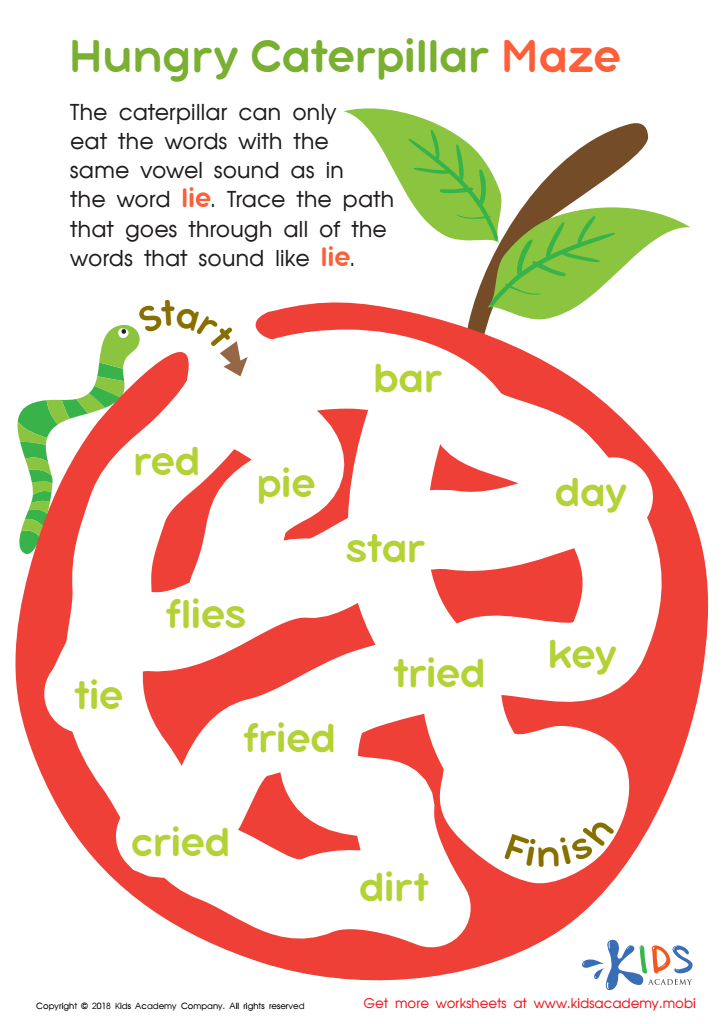
Hungry Caterpillar Maze Worksheet







Directional skills are vital for young children, especially those aged 6-7, because they are foundational for everyday tasks and learning experiences. At this age, children are developing a sense of spatial awareness, which is crucial for navigating their environment safely and efficiently. For instance, understanding directions like left, right, forward, and backward helps kids follow instructions properly, whether it's in the classroom, on a playground, or at home.
Moreover, directional skills are closely linked to critical academic concepts. In subjects like math and reading, understanding directionality is essential for recognizing number patterns, aligning numbers for proper arithmetic operations, and tracking the flow of sentences correctly. For kids learning to write, knowing which way to form letters and numbers—a process that involves both fine motor skills and an understanding of direction—is essential.
Socially, kids with well-developed directional skills are more confident in group activities, enhancing their ability to participate in games and sports where directions are key. Teachers and parents should care about these skills not just for academic success but also for overall cognitive development, self-confidence, and independence.
By focusing on directional skills, educators and parents help build a strong foundation for future learning and everyday functions. Interactive games, hands-on activities, and consistent practice can make mastering these skills both fun and educational.








