Fraction comparison skills Worksheets for Ages 6-7
3 filtered results
-
From - To
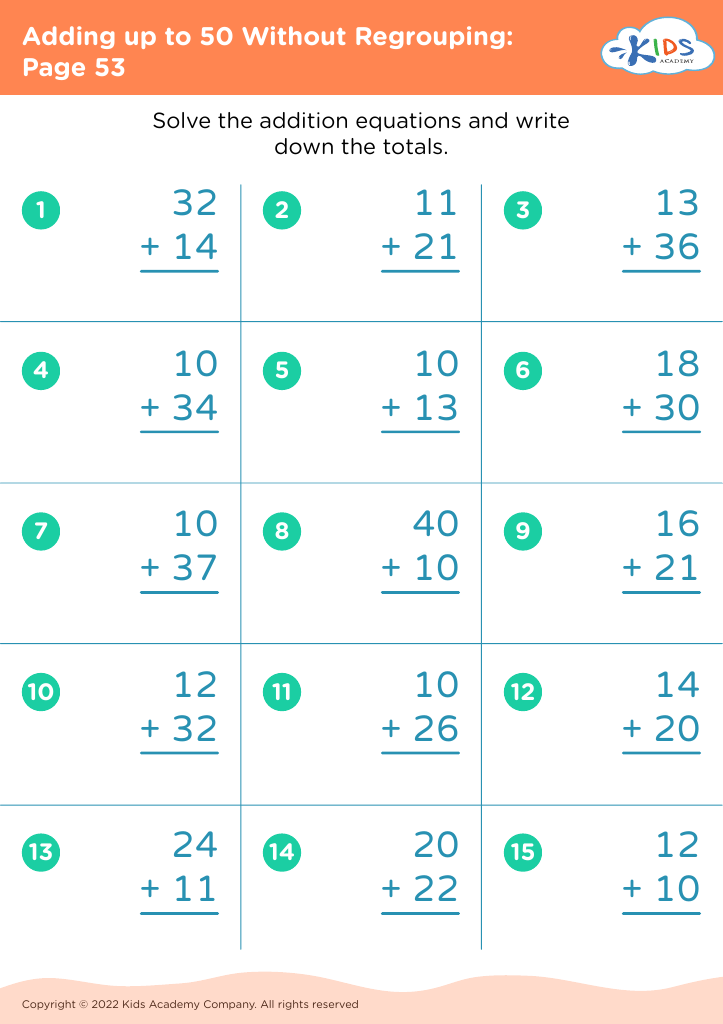
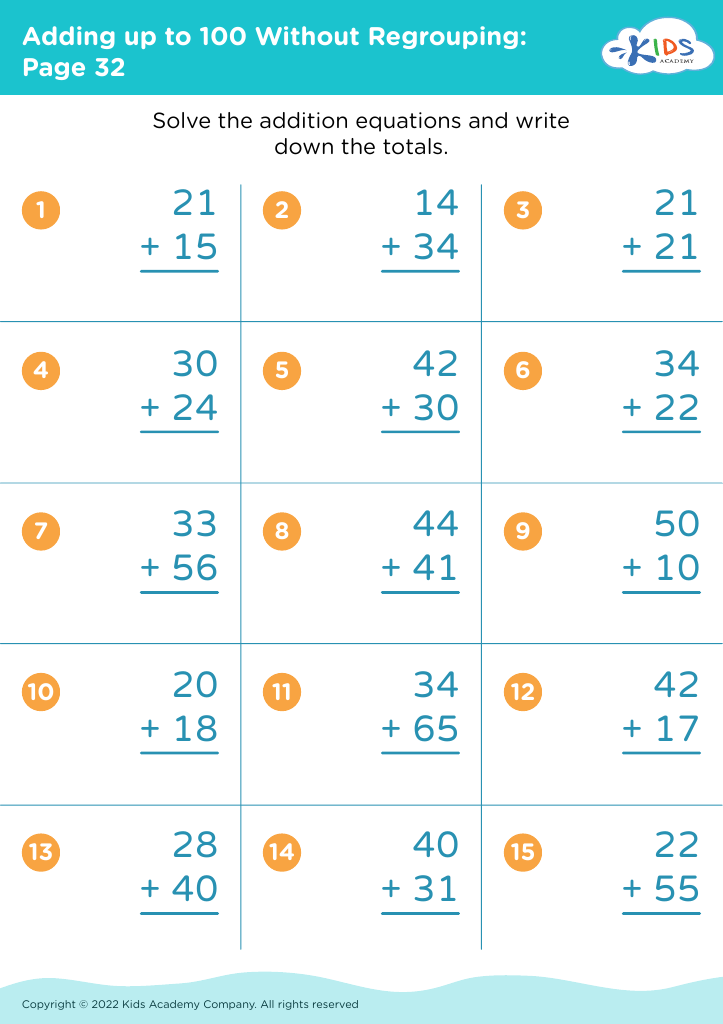
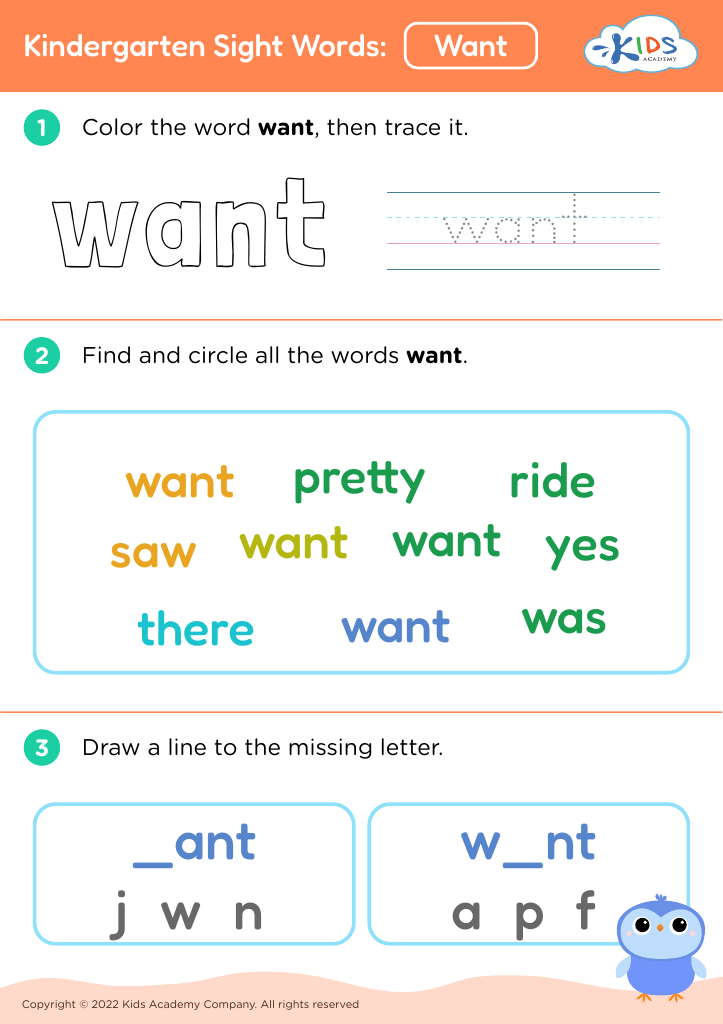
Boost your child's math confidence with our Fraction Comparison Skills Worksheets designed for ages 6-7. These engaging, printable worksheets make learning fractions fun and easy. Your child will master key concepts like comparing and ordering fractions while developing critical thinking skills. Our expertly crafted exercises ensure a solid foundation in math, blending illustrations and hands-on activities for comprehensive understanding. Perfect for classroom or home use, these worksheets cater to both beginners and advanced learners, guiding each child through tailored lessons. Help your child gain math proficiency and excel in their studies with our interactive and educational resources.




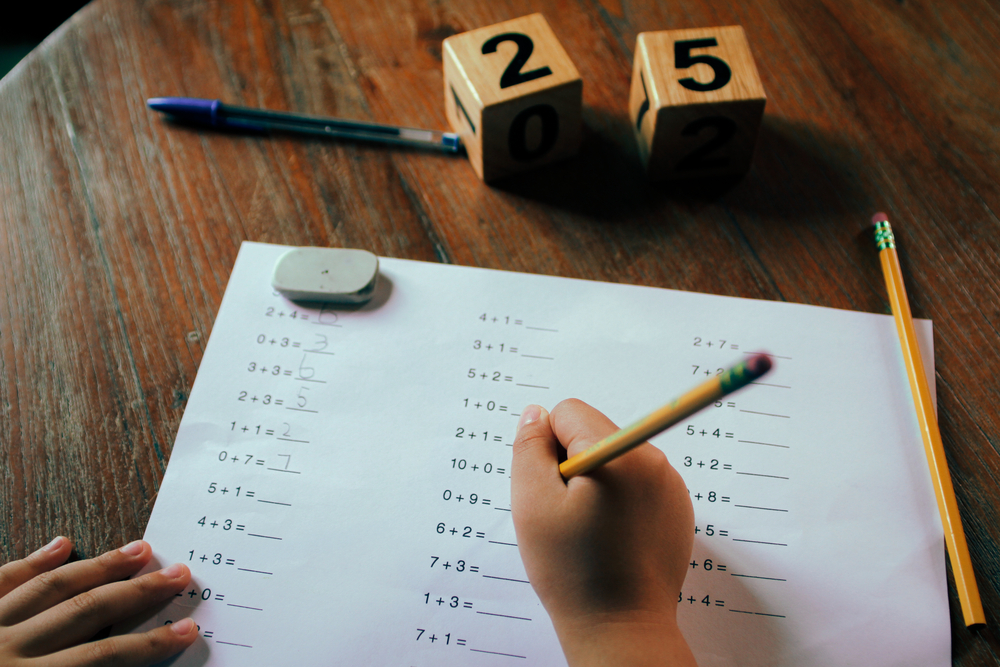


Understanding fraction comparison skills at the ages of 6-7 is crucial for children as it lays the foundation for future mathematical proficiency. In these formative years, children are transitioning from basic arithmetic to more complex concepts, and fractions are an essential part of this journey. By developing strong fraction comparison skills early, children enhance their number sense, a fundamental aspect of mathematics that allows them to comprehend and manipulate numbers with ease.
For parents and teachers, investing time in teaching fraction comparison can also foster critical thinking and problem-solving skills. These abilities are not restricted to math but are applicable across various subjects and in everyday life. Engaging in activities that involve fractions, such as cooking or playing certain games, can make learning enjoyable and relevant to real-world situations.
Additionally, a solid grasp of fractions can boost a child's confidence in math. Early success in understanding and comparing fractions can minimize math anxiety, a common issue that can hinder a child's academic progress. Lastly, prematurity in fraction skills can significantly ease the transition to more advanced mathematical concepts, ensuring that children are well-prepared for future educational challenges.
In essence, focusing on fraction comparison skills during these early years provides children with a strong numerical foundation, fostering confidence, critical thinking, and a positive attitude towards math.








