Hand-eye Coordination Worksheets for Ages 6-7 - Page 4
79 filtered results
-
From - To
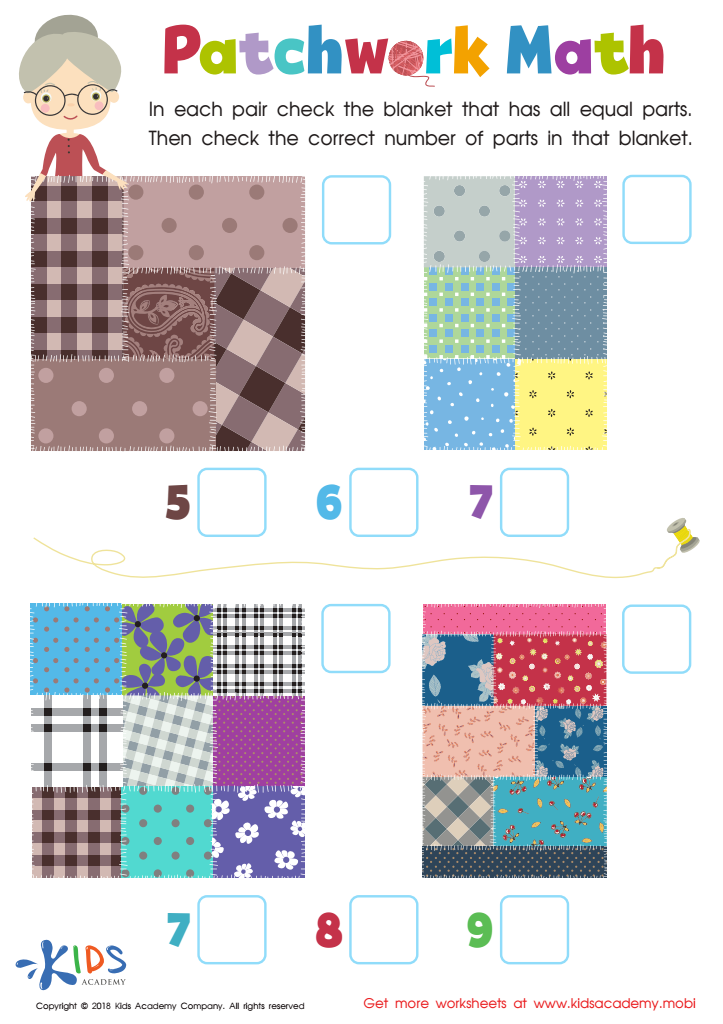
Patchwork Math Worksheet
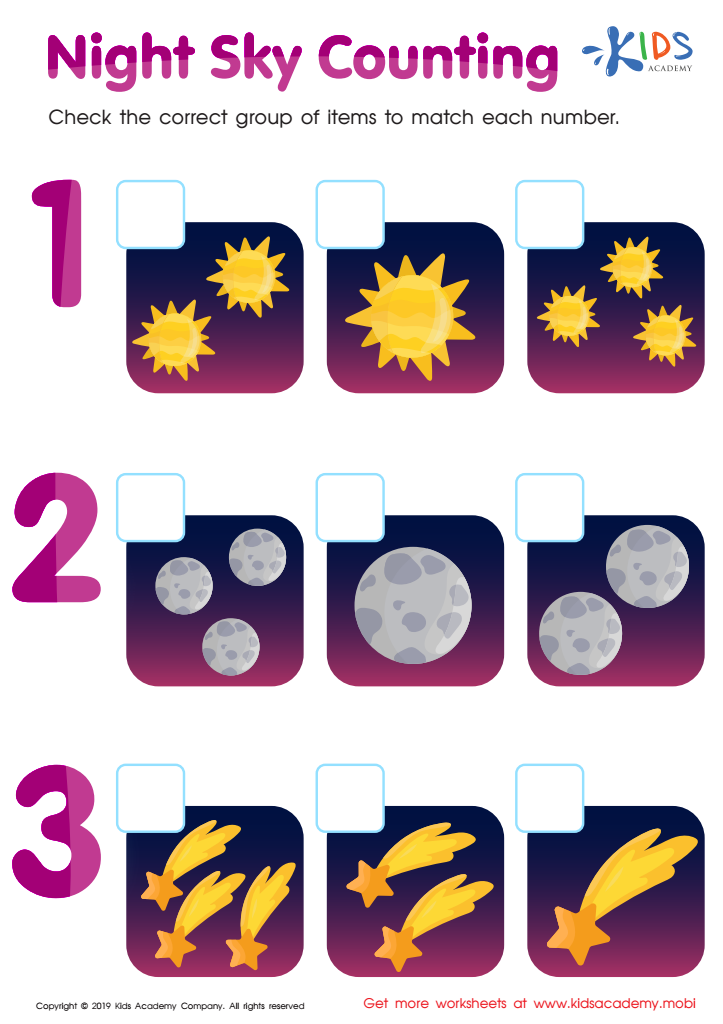
Night Sky Counting Worksheet
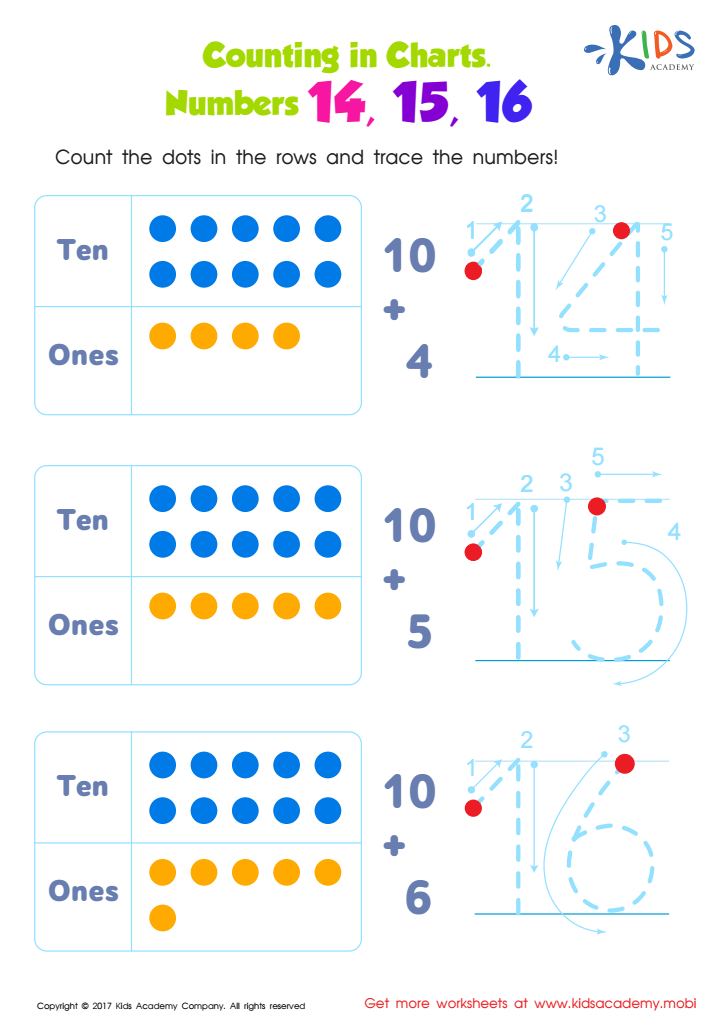
Number Tracing Worksheet
Tower Coloring Page
 Assign to My Students
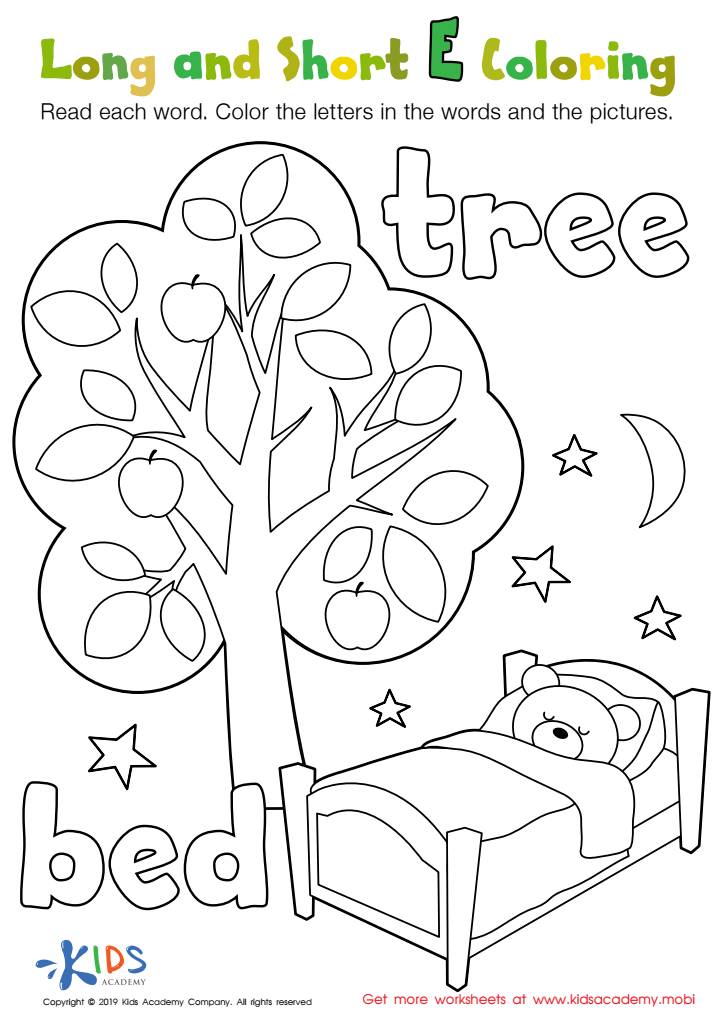
Long and Short E Worksheet
Assign to My Students

Letter D Tracing Page


.jpg)

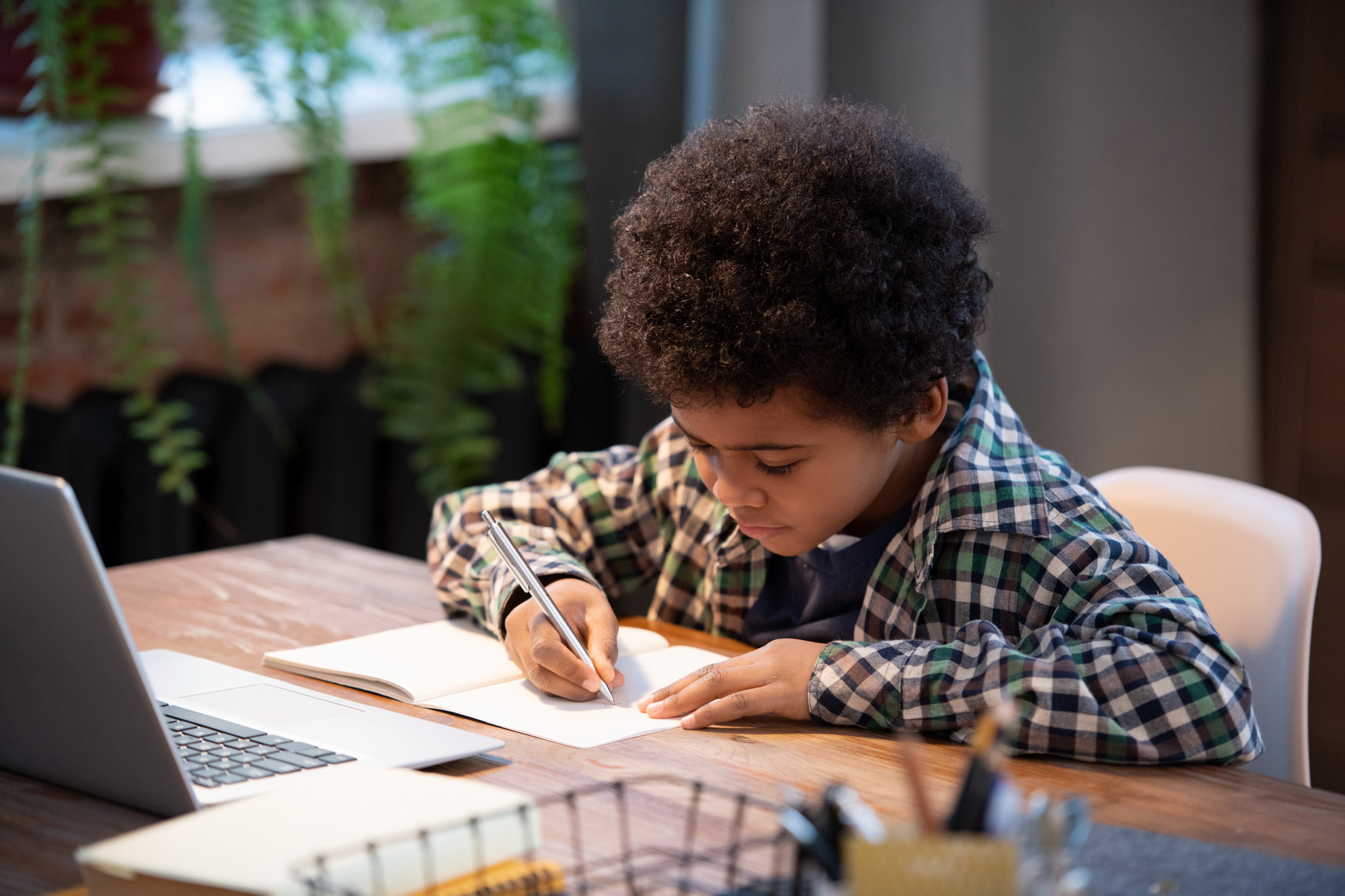


Hand-eye coordination is a crucial developmental skill for children aged 6-7 as it directly impacts their academic and social abilities. By improving this skill, children are better prepared to succeed in various tasks both inside and outside the classroom.
For one, fine motor skills, such as writing, drawing, cutting with scissors, and tying shoelaces, require strong hand-eye coordination. When children have developed these skills adequately, they can more easily participate in school activities and daily life, boosting their confidence and independence.
Additionally, improved hand-eye coordination aids cognitive development. Activities like puzzles, building blocks, and games enhance spatial awareness and problem-solving skills, which are essential for subjects like mathematics and science. These foundational skills support overall academic achievement.
Socially, many playground activities and sports require good hand-eye coordination. Being able to participate successfully in these activities fosters healthier social interactions, teamwork, and physical fitness. Children who can engage in various physical games are more likely to form positive peer relationships and develop a stronger sense of belonging.
Finally, fostering hand-eye coordination aligns with holistic developmental goals, emphasizing a balanced approach to childhood education. Parents and teachers should encourage activities that promote these skills to support the comprehensive growth of children, setting a solid foundation for lifelong learning and well-being.








