
Identifying Animals Worksheets for Ages 6-7
8 filtered results
Difficulty Level
Grade
Age
-
From - To
Subject
Activity
Standards
Welcome to our "Identifying Animals Worksheets for Ages 6-7" page! These engaging worksheets are designed to help young learners explore the wonderful world of animals while developing crucial skills. Featuring vibrant images and fun activities, children will learn to recognize various animals, categorize them by their habitats, and understand their traits. Each worksheet encourages creativity and critical thinking through matching exercises, coloring pages, and quizzes. Perfect for home or classroom use, these worksheets provide an interactive way for kids to enhance their observation skills and expand their knowledge about the animal kingdom. Download and watch your child learn while having fun!
Favorites
With answer key
Interactive
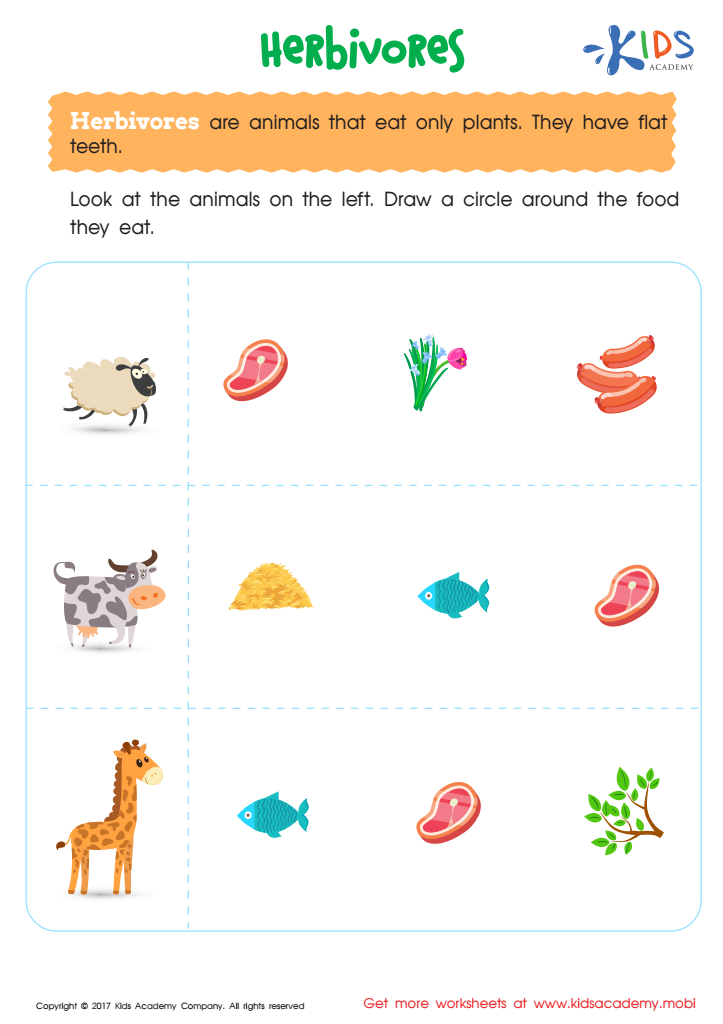
Herbivores Printable
Strengthen their vocab with these fascinating creatures, as they explore an intriguing aspect of beloved animals.
 Assign to My Students
Herbivores Printable
Worksheet
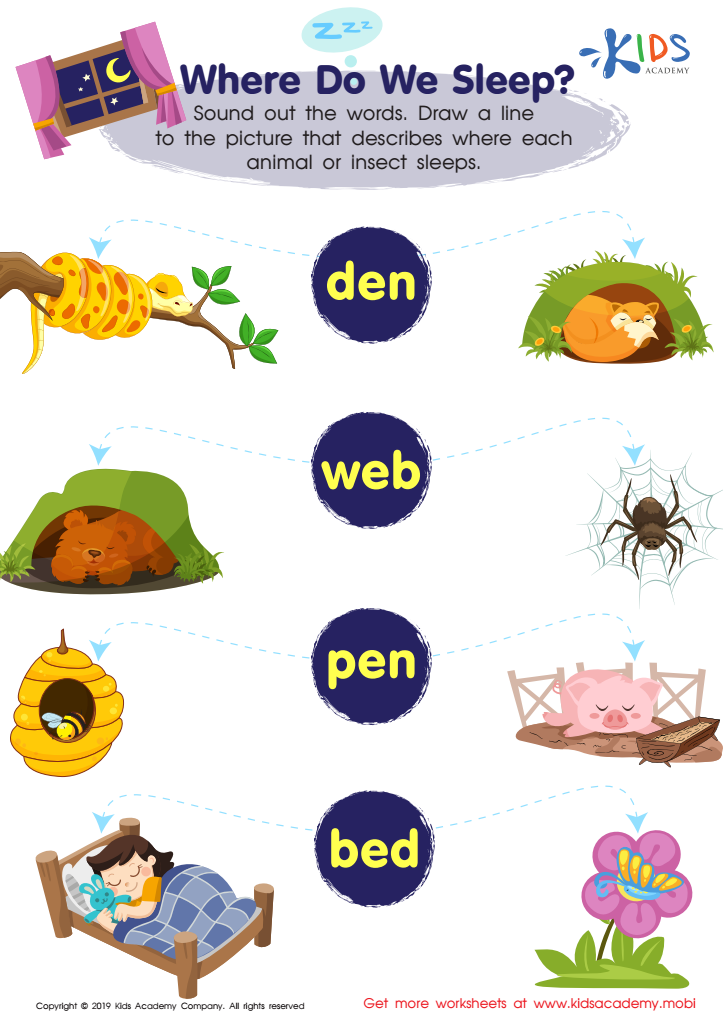
Where Do We Sleep Worksheet
Help your kids understand the importance of a safe space with this activity: Ask them to draw a line connecting the different animals and insects to the words that describe where they sleep. Remind them that everyone needs a sanctuary to rest – like the animals and insects in this printout.
Where Do We Sleep Worksheet
Worksheet
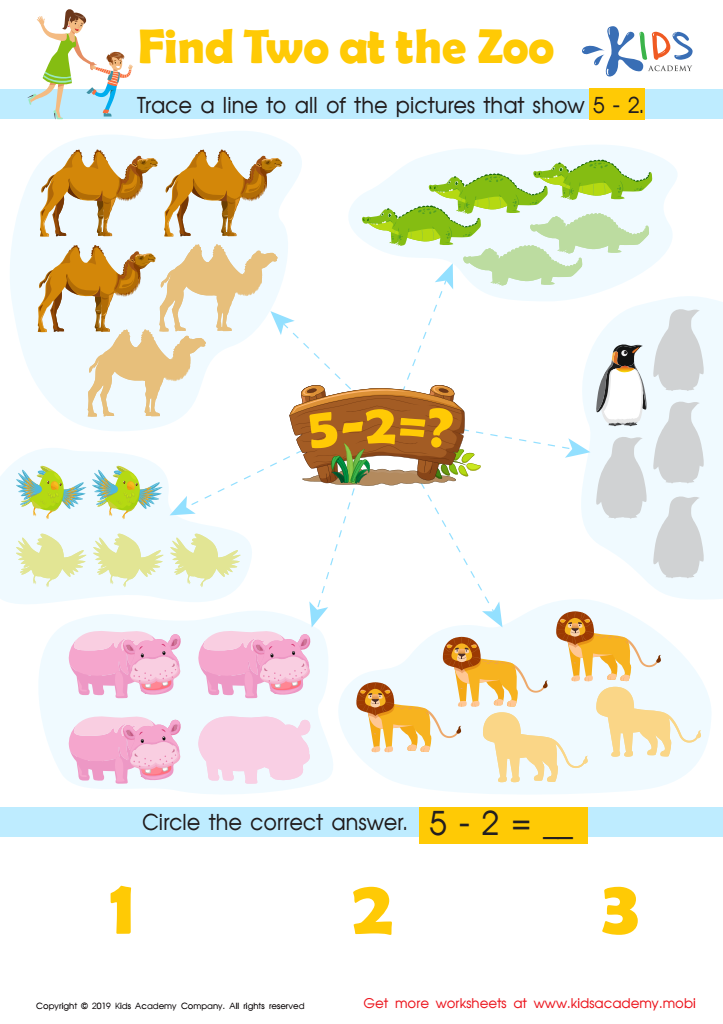
Find Two at the Zoo Worksheet
Help your kids overcome math fears and practice subtracting numbers with this traceable PDF. Ask them to identify the 6 groups of animals in the picture and count the animals in each group. Then, help them trace a line to all of the pictures that illustrate the equation 5-2.
Find Two at the Zoo Worksheet
Worksheet
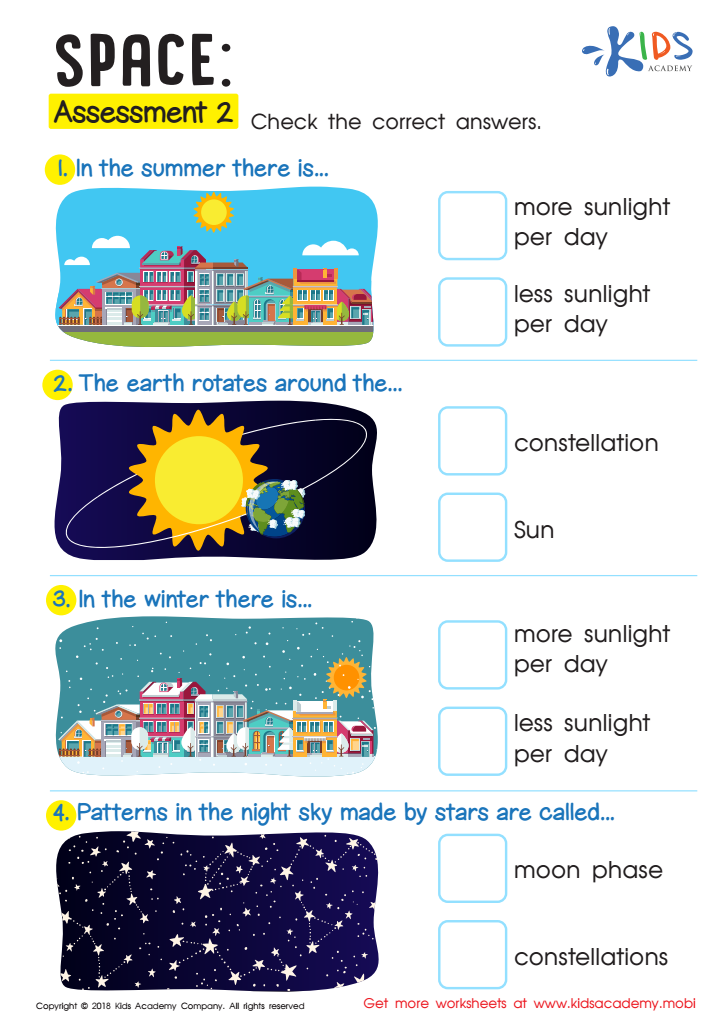
Space: Assessment 2 Worksheet
Test your kids' knowledge of the weather, constellations and Earth with this worksheet. Show them the 4 images and ask what's happening; then read the questions and options and help them pick the right answers. This printout is a helpful and fun way to learn!
Space: Assessment 2 Worksheet
Worksheet
Join Kids Academy for Free
Who is primarily going to use this learning content?






.jpg)

Identifying animals is a crucial learning component for children ages 6-7, with significant benefits for their development. At this age, children are naturally curious and eager to explore the world around them. Teaching them to identify animals enhances their observational skills, encouraging them to notice varied characteristics such as size, shape, color, and habitat. This foundational knowledge fosters critical thinking as they learn to categorize animals into groups, such as mammals, reptiles, and birds.
Moreover, discussing animal identification opens doors to broader topics, including ecosystems and conservation, instilling an early sense of environmental awareness. By understanding the role different animals play in our world, children can begin to appreciate the fragile balance of nature and the importance of protecting it.
From a cognitive perspective, engaging in activities related to animal identification promotes vocabulary development and language skills. As children learn new words and concepts, their ability to communicate and express their thoughts increases. Additionally, interactive activities, such as visits to the zoo or nature walks, transform learning into a fun, hands-on experience, supporting social and emotional development as kids collaborate and share Discoveries with peers or parents. In essence, teaching animal identification equips children with essential skills while sparking a lifelong passion for learning about the natural world.








