Identifying equivalent fractions Worksheets for Ages 6-7
8 filtered results
-
From - To
Unlock the world of fractions with our "Identifying Equivalent Fractions Worksheets" designed specifically for ages 6-7! Our engaging and interactive worksheets help young learners understand the concept of equivalent fractions through clear visuals and relatable concepts. With fun exercises, kids will practice recognizing and generating fractions that describe the same value. Perfect for both classroom use and at-home learning, these worksheets encourage critical thinking and boost confidence in math skills. Join your child on this exciting learning journey, and provide them with the key to mastering equivalent fractions in a fun and enjoyable way! Download now to get started!
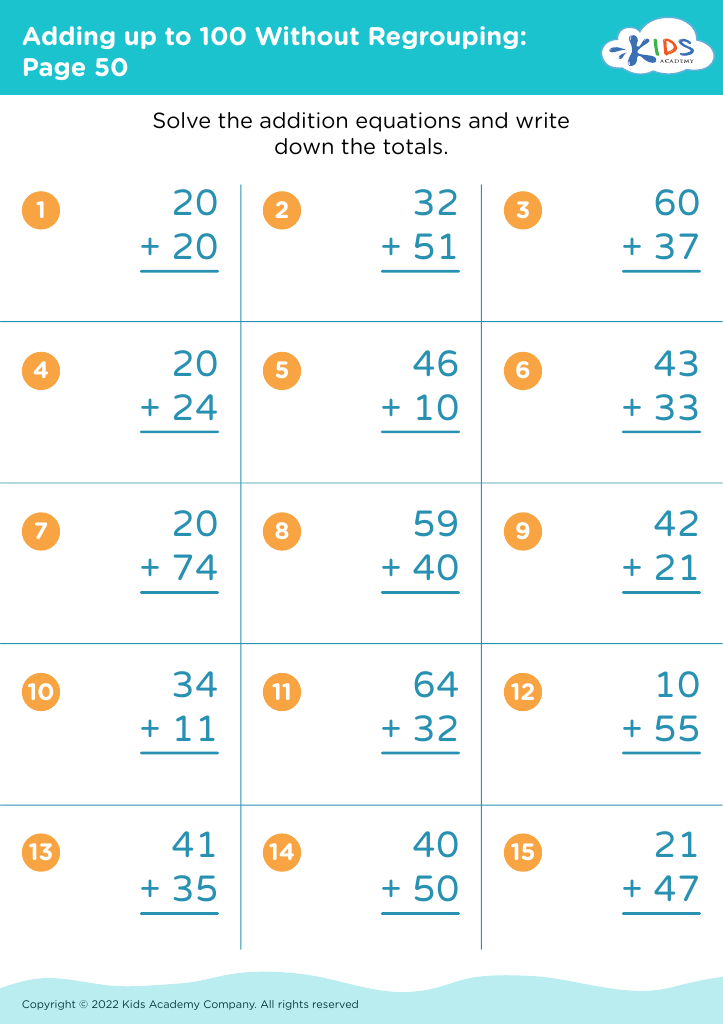
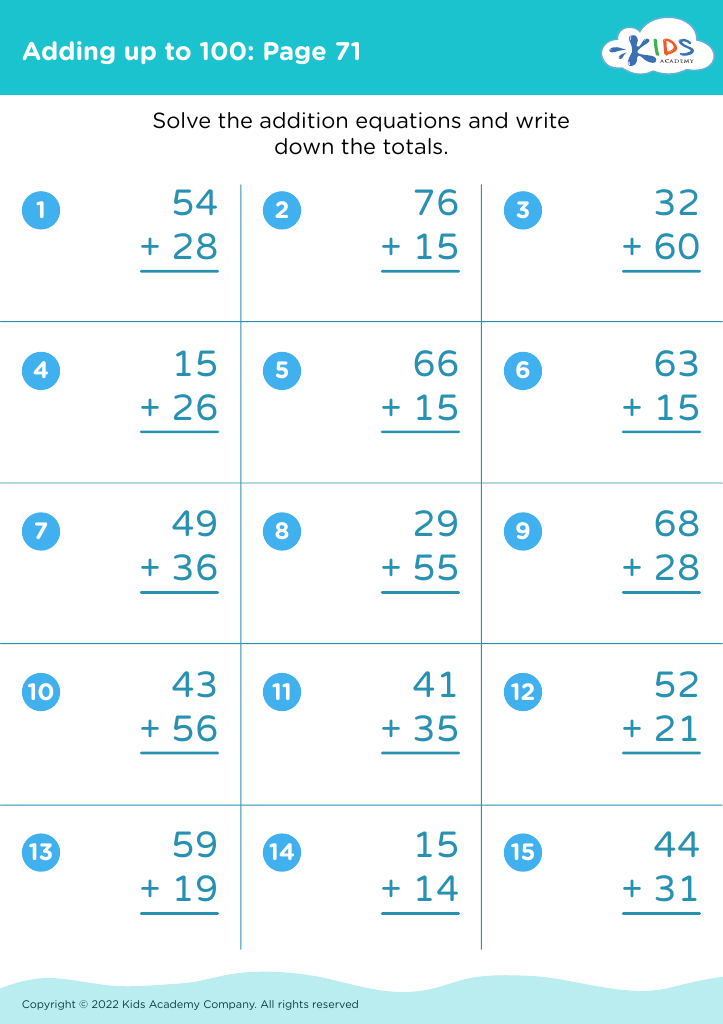
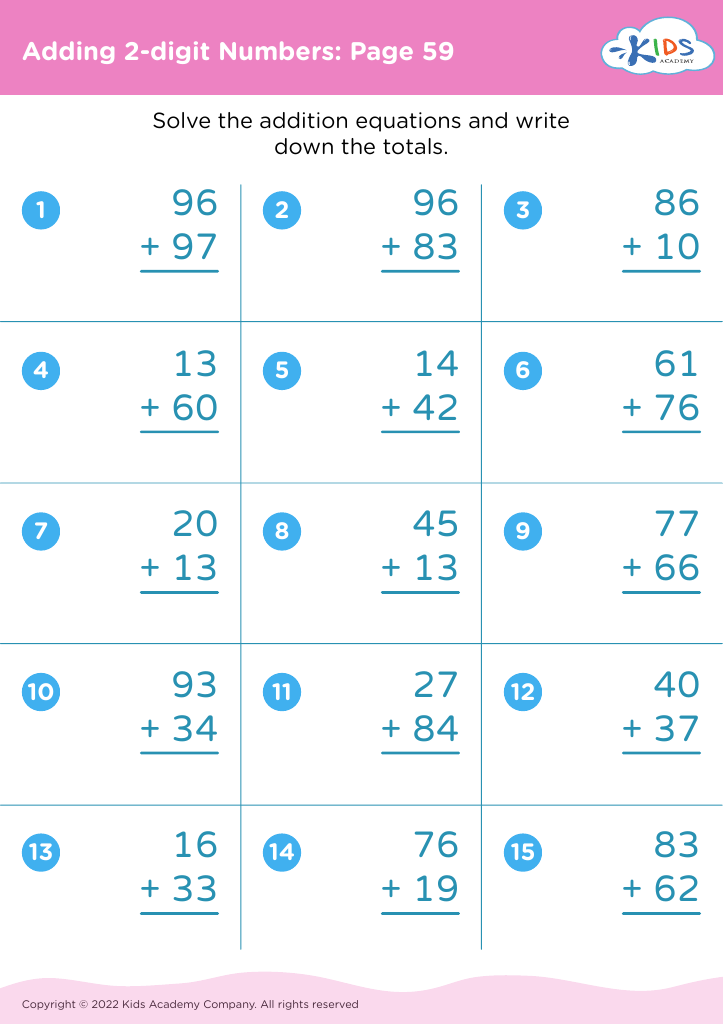
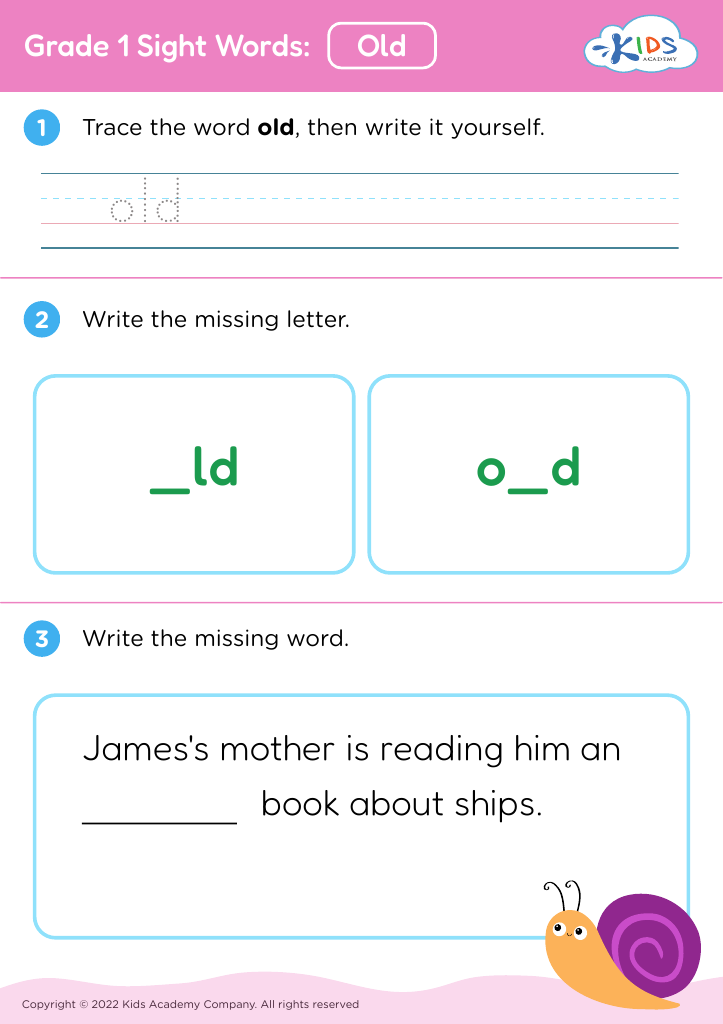








Identifying equivalent fractions is a foundational skill in early mathematics that is crucial for children aged 6-7. At this age, children are developing their understanding of numbers and relationships, and learning about fractions sets the stage for more complex concepts in mathematics.
First and foremost, equivalent fractions help children understand the idea of part-to-whole relationships. By recognizing that different fractions can represent the same quantity, children enhance their number sense and become more flexible thinkers. This understanding is essential for future math topics like addition, subtraction, and even decimals.
Moreover, teaching kids to identify equivalent fractions encourages problem-solving skills and critical thinking. It introduces them to concepts like simplification and multiplication/division of fractions, which are significant later in their education. By working on equivalent fractions, children can also improve their ability to think logically and abstractly.
Further, equivalent fractions build a solid foundation for success in higher math. When kids grasp these basic concepts early on, they develop confidence in their math abilities, fostering a positive attitude toward learning. Involving parents in this process through engaging activities can also strengthen relationships and provide valuable opportunities for open dialogue about learning and problem-solving.








