Check out this FREE "Identifying shapes" Trial Lesson for age 6-7!

A

Favorites
With answer key
Interactive
  • 6-7
  • Identifying shapes
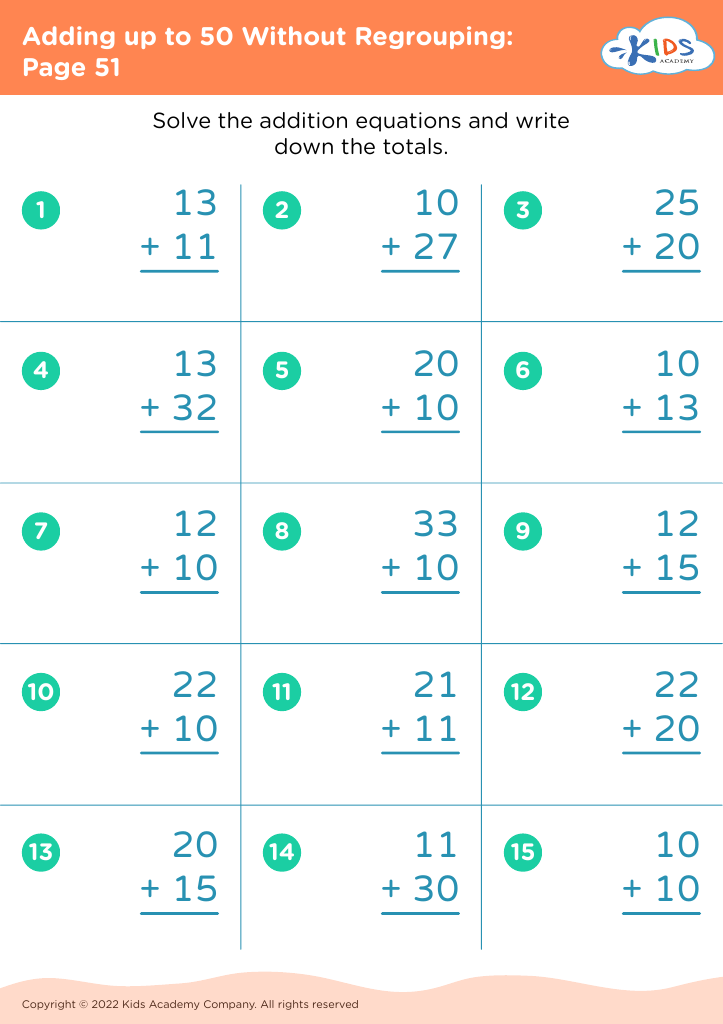
Adding up to 50 Without Regrouping: Page 51
Worksheet
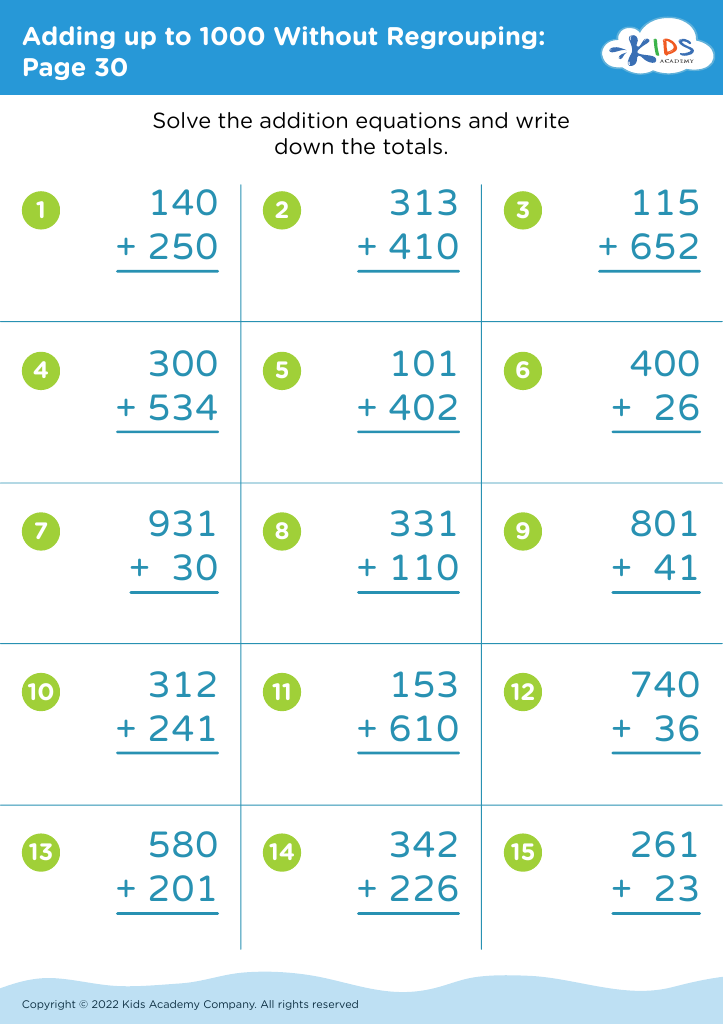
Adding up to 1000 Without Regrouping: Page 30
Worksheet
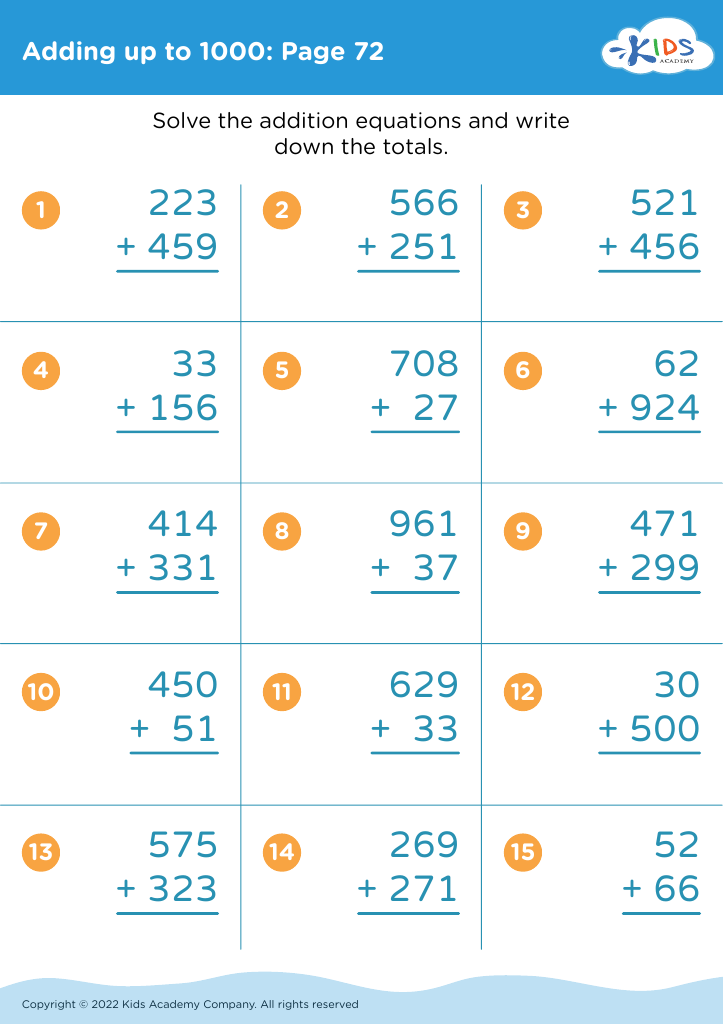
Adding up to 1000: Page 72

Adding up to 1000: Page 72

Adding up to 1000: Page 72
Worksheet
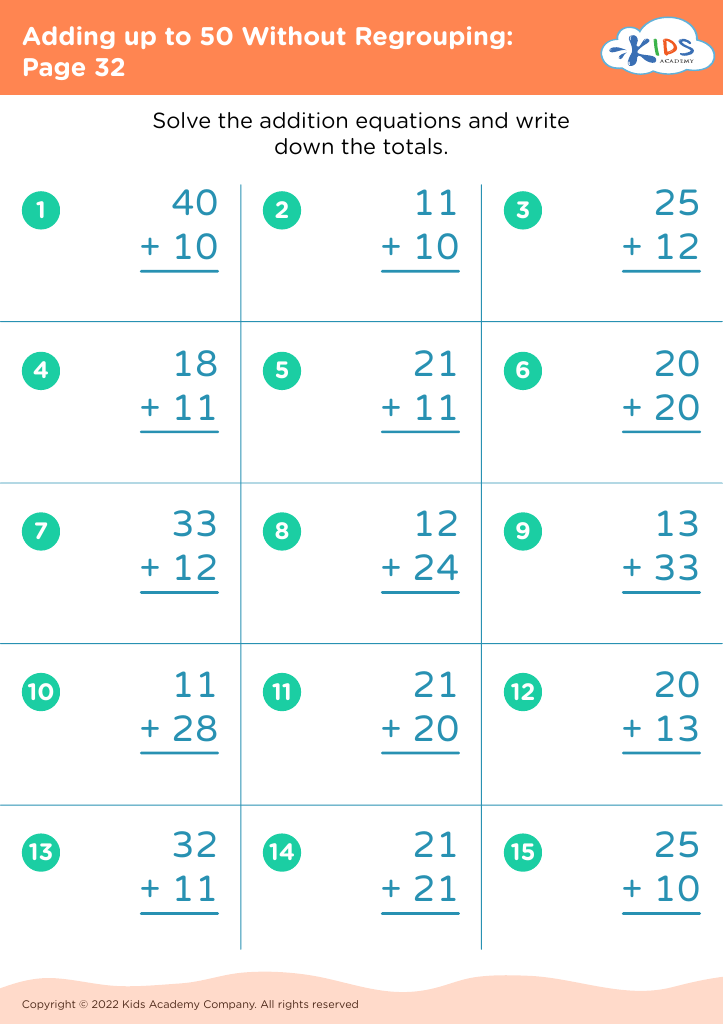
Adding up to 50 Without Regrouping: Page 32
Worksheet
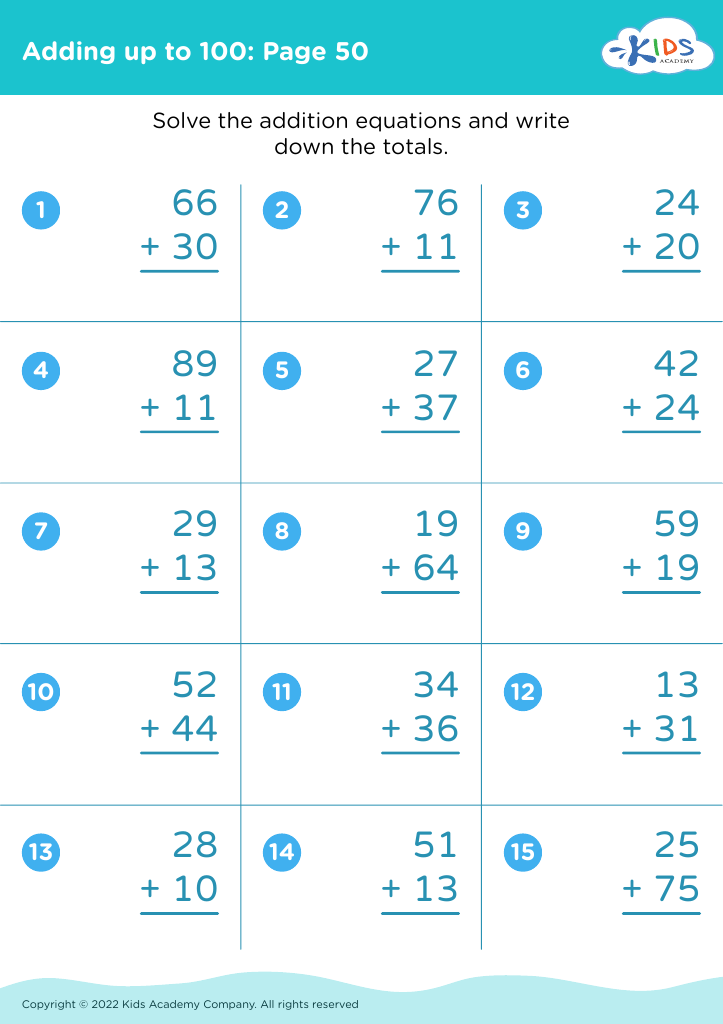
Adding up to 100: Page 50

Adding up to 100: Page 50

Adding up to 100: Page 50
Worksheet
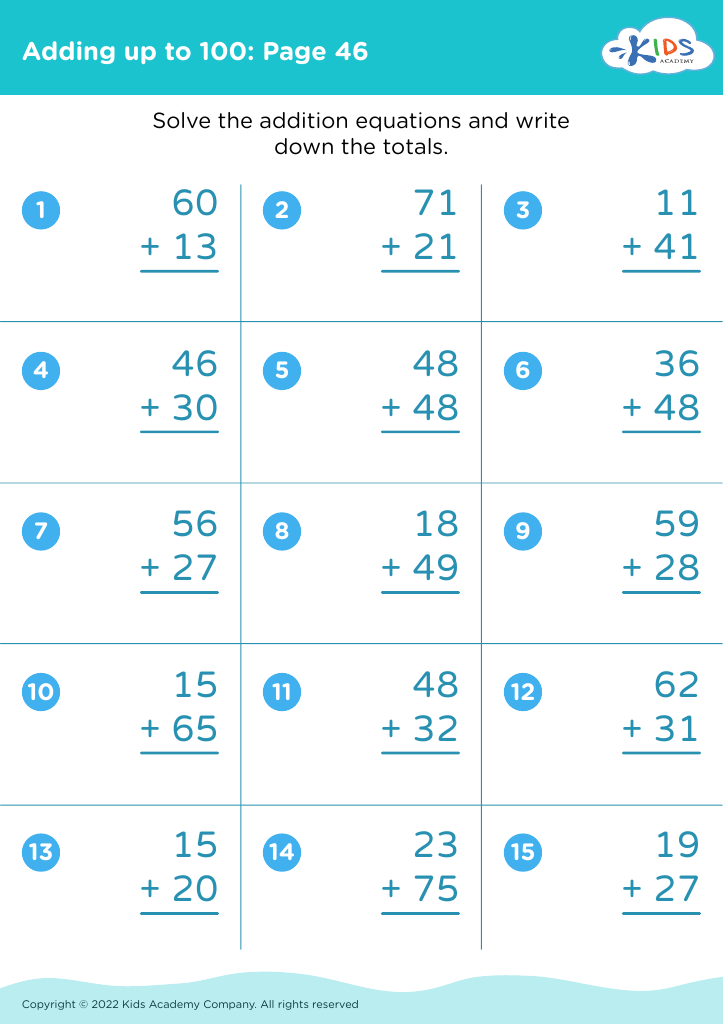
Adding up to 100: Page 46

Adding up to 100: Page 46

Adding up to 100: Page 46
Worksheet
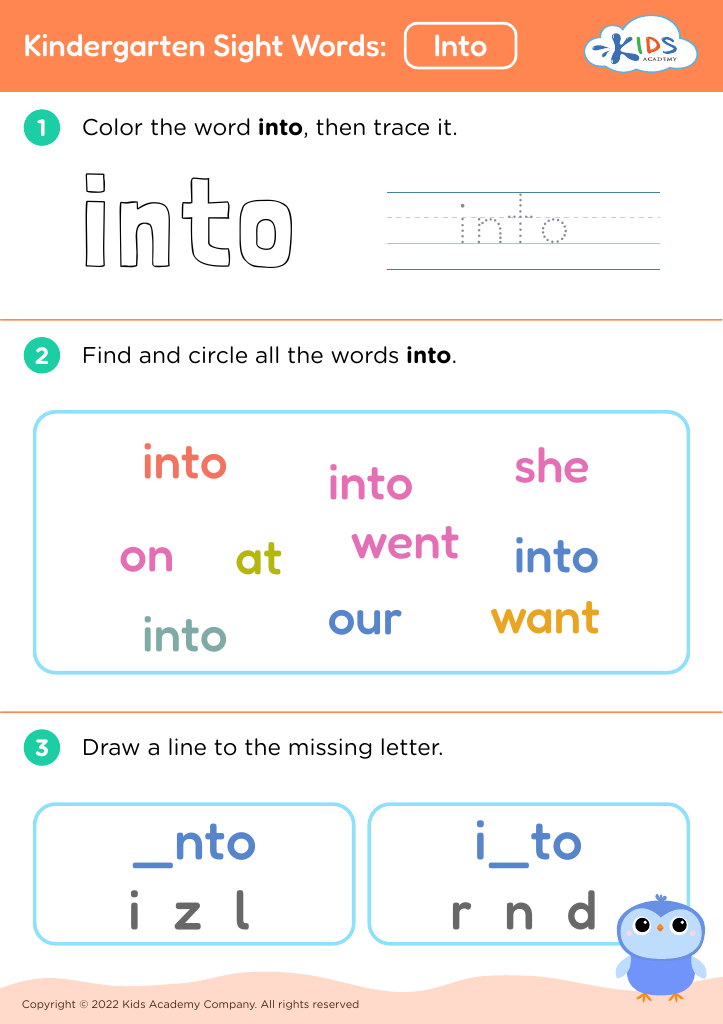
Kindergarten Sight Words: Into

Kindergarten Sight Words: Into

Kindergarten Sight Words: Into
Worksheet
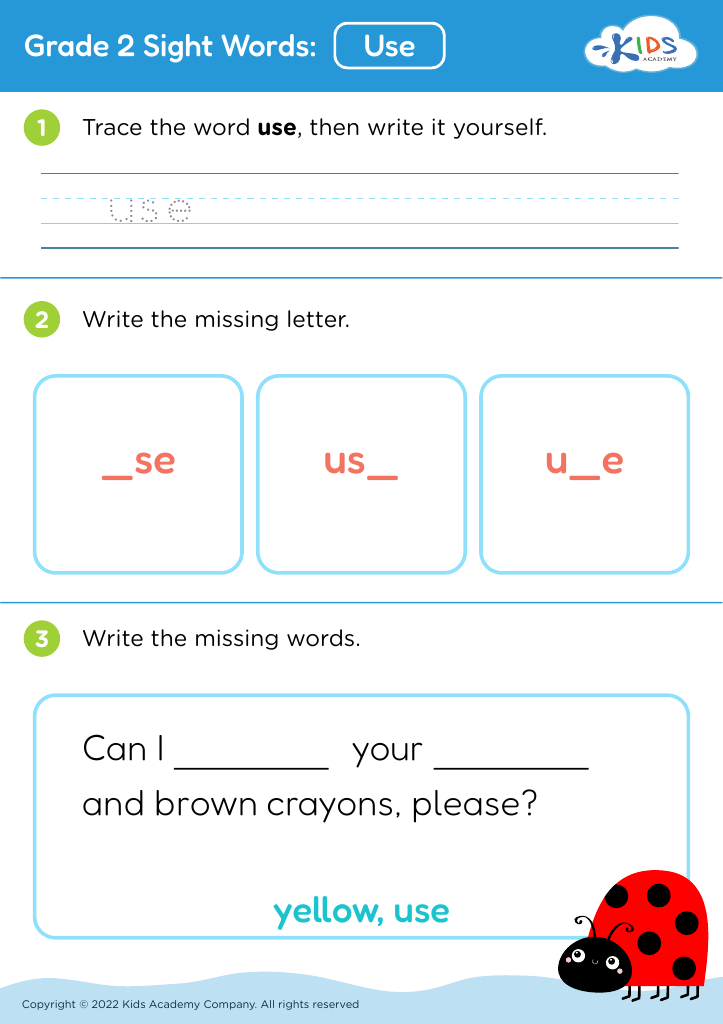
Grade 2 Sight Words: Use

Grade 2 Sight Words: Use

Grade 2 Sight Words: Use
Worksheet
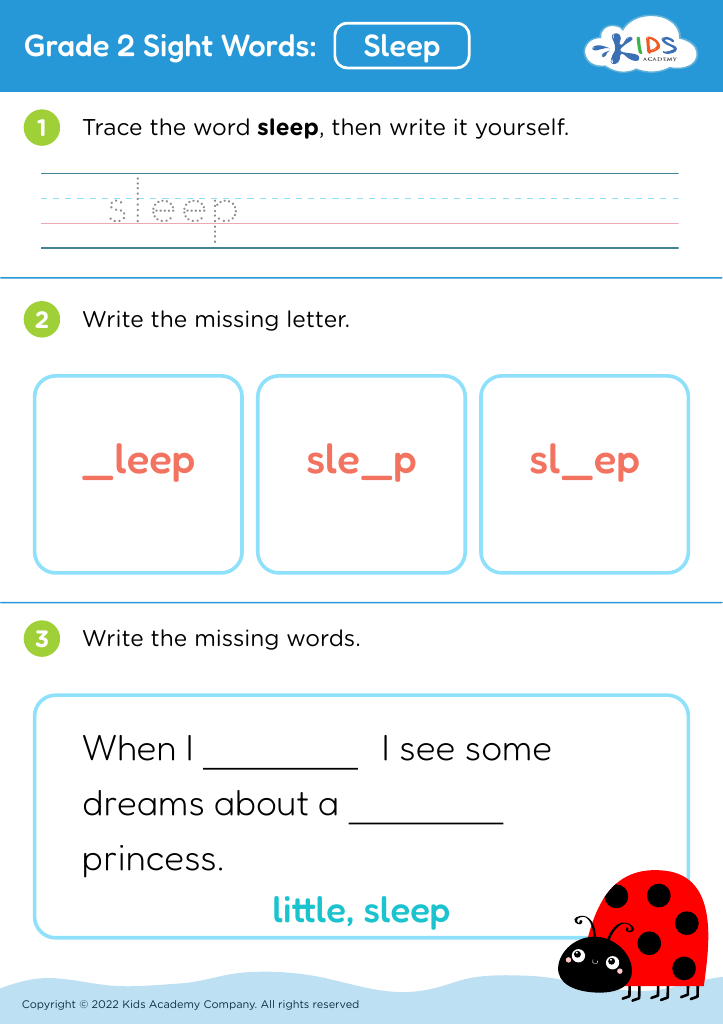
Grade 2 Sight Words: Sleep

Grade 2 Sight Words: Sleep

Grade 2 Sight Words: Sleep
Worksheet
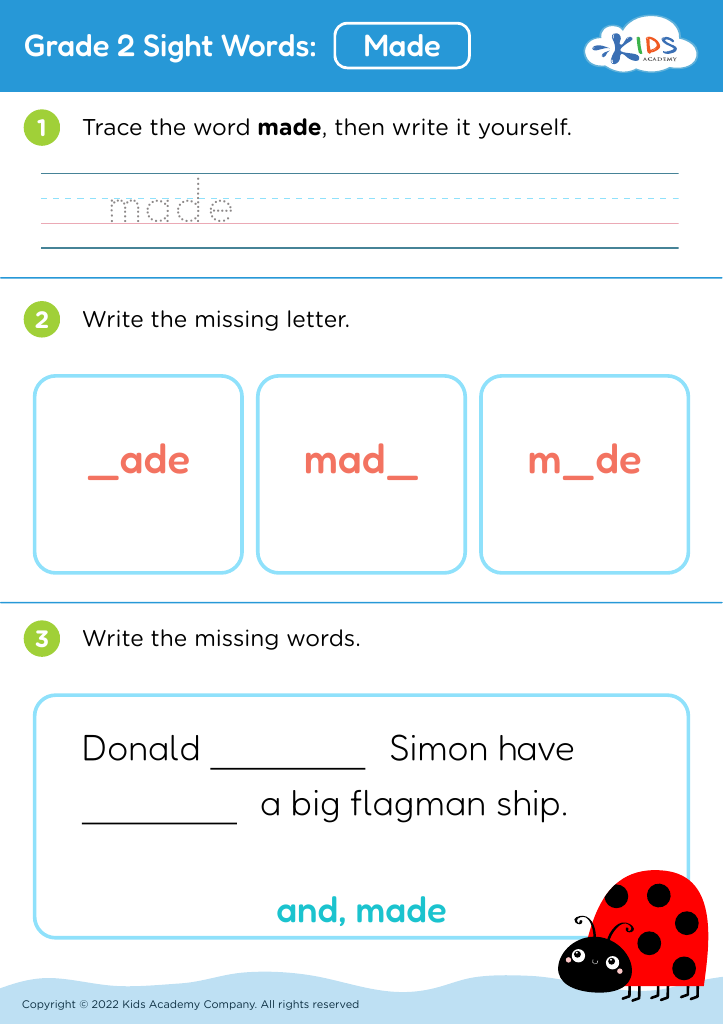
Grade 2 Sight Words: Made

Grade 2 Sight Words: Made

Grade 2 Sight Words: Made
Worksheet
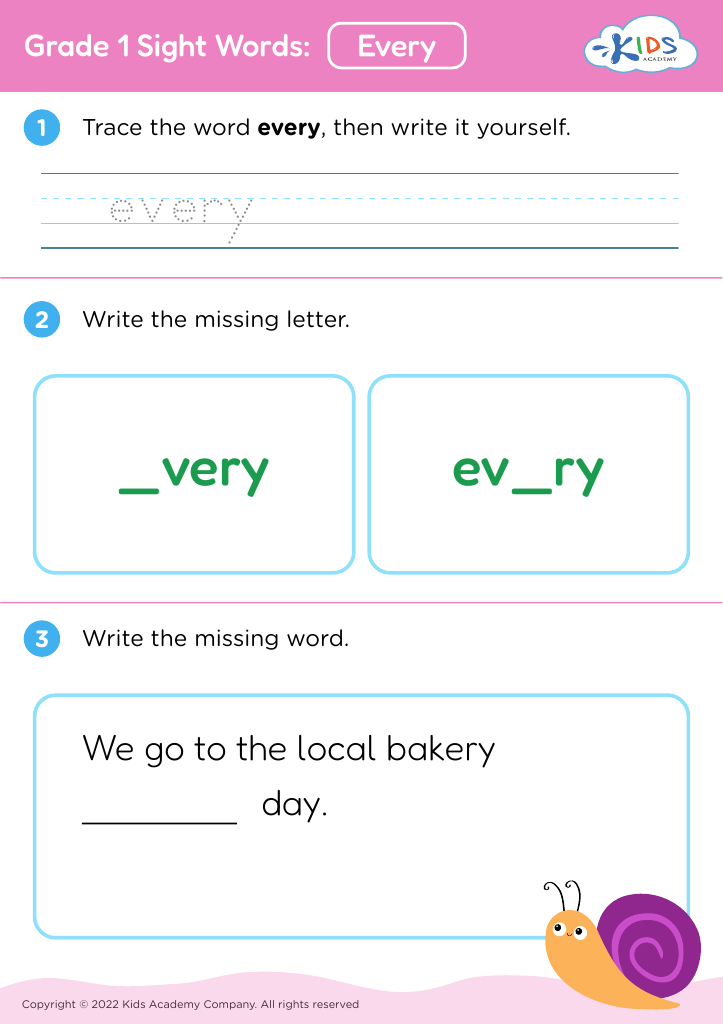
Grade 1 Sight Words: Every

Grade 1 Sight Words: Every

Grade 1 Sight Words: Every
Worksheet
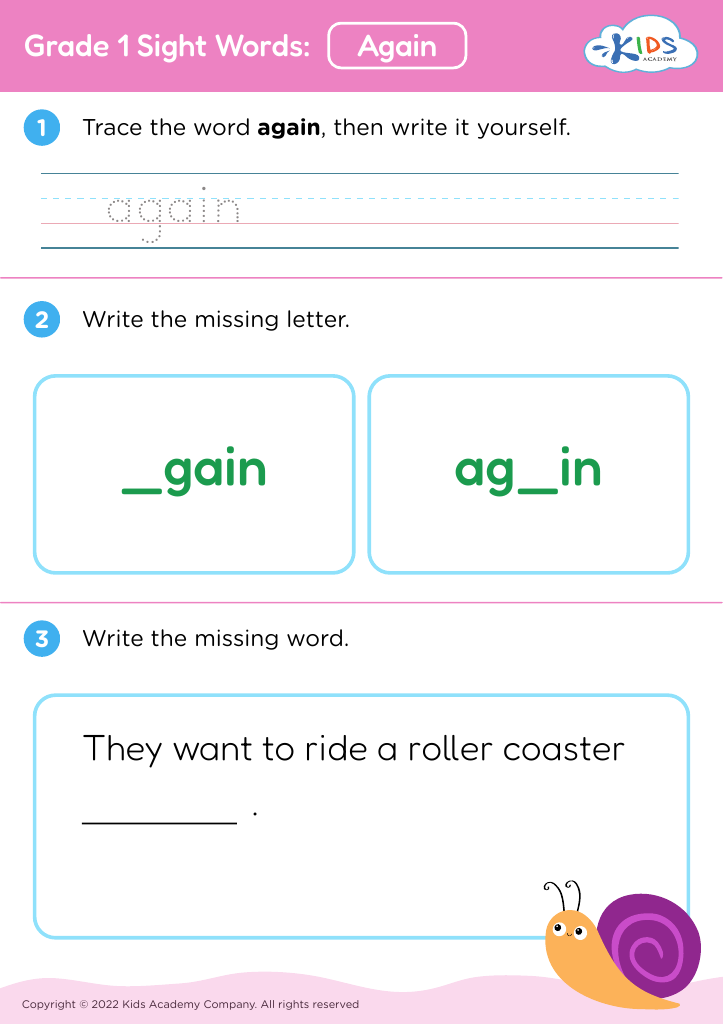
Grade 1 Sight Words: Again

Grade 1 Sight Words: Again

Grade 1 Sight Words: Again
Worksheet
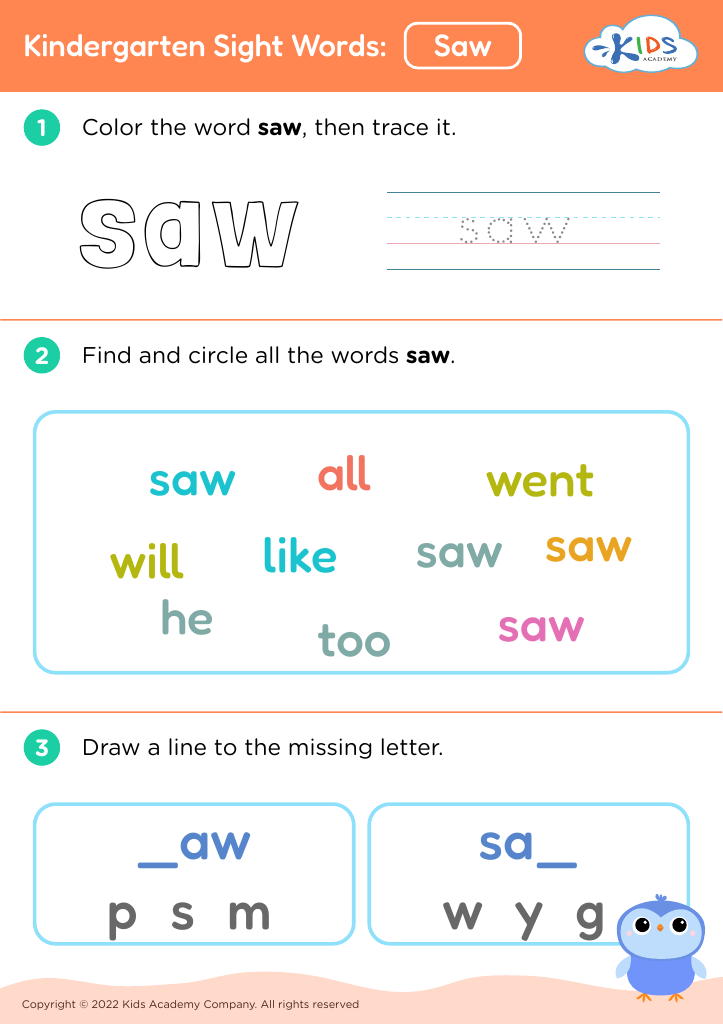
Kindergarten Sight Words: Saw

Kindergarten Sight Words: Saw

Kindergarten Sight Words: Saw
Worksheet
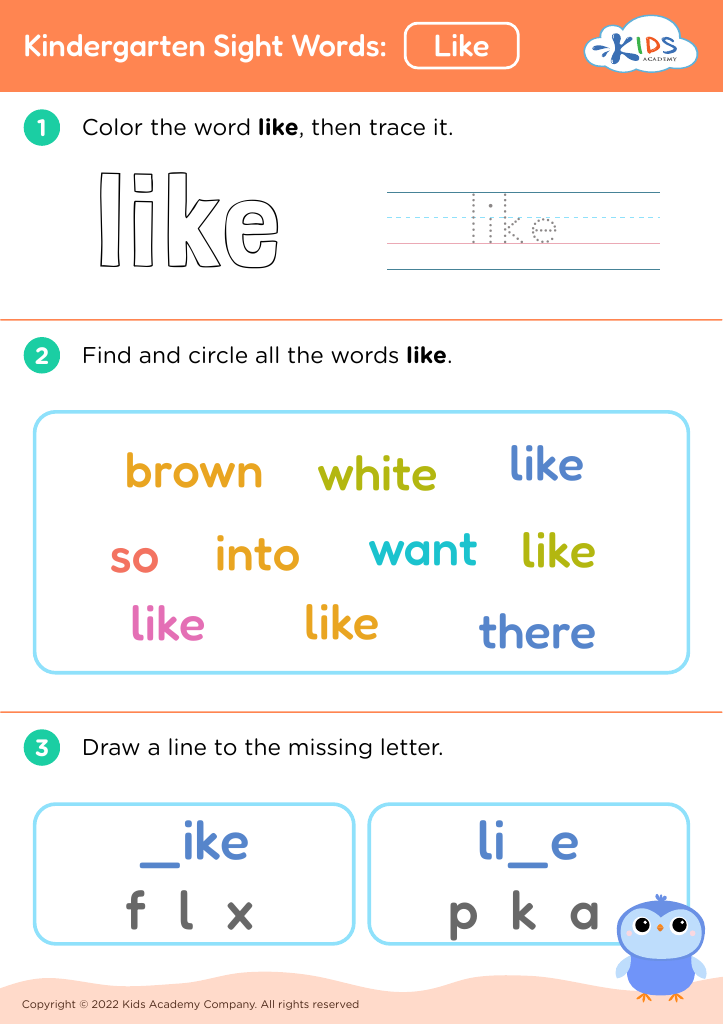
Kindergarten Sight Words: Like

Kindergarten Sight Words: Like

Kindergarten Sight Words: Like
Worksheet


Identifying shapes is a fundamental skill for children aged 6-7 that lays the groundwork for critical mathematical concepts. At this stage, children are developing their spatial awareness and understanding of geometry, which are essential for problem-solving skills both in mathematics and everyday situations.

For parents and teachers, caring about shape identification means recognizing its significance in enhancing cognitive abilities. Understanding shapes helps children classify objects, make comparisons, and develop reasoning skills, which are crucial for academic success. Additionally, engaging with shapes supports creativity and visualization; for example, constructing with blocks or drawing can propel imaginative thinking.

Shape identification also has real-world applications; recognizing shapes assists children in navigating their environments, understanding patterns, and developing skills in areas such as architecture and design. Furthermore, this foundational knowledge acts as a stepping stone to more complex mathematical concepts, such as area, perimeter, and volume.

In summary, fostering an early appreciation for shapes not only enriches children's mathematical development but also enhances their overall cognitive growth and everyday functionality, making it an essential focus for parents and educators alike.