Improve calculation skills Worksheets for Ages 6-7
6 filtered results
-
From - To
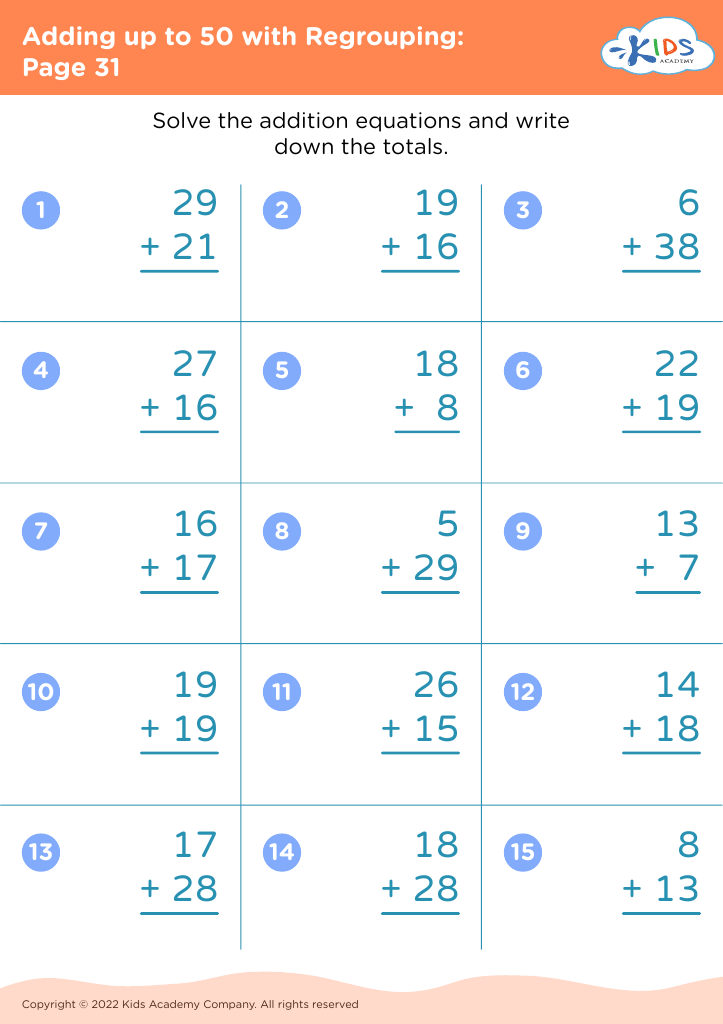
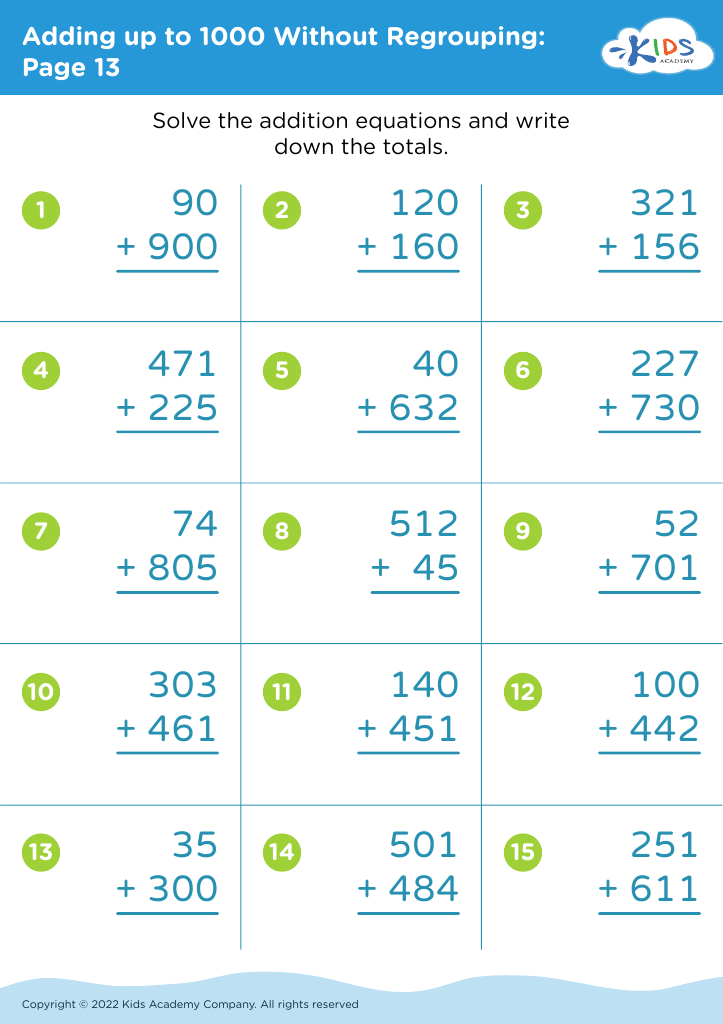
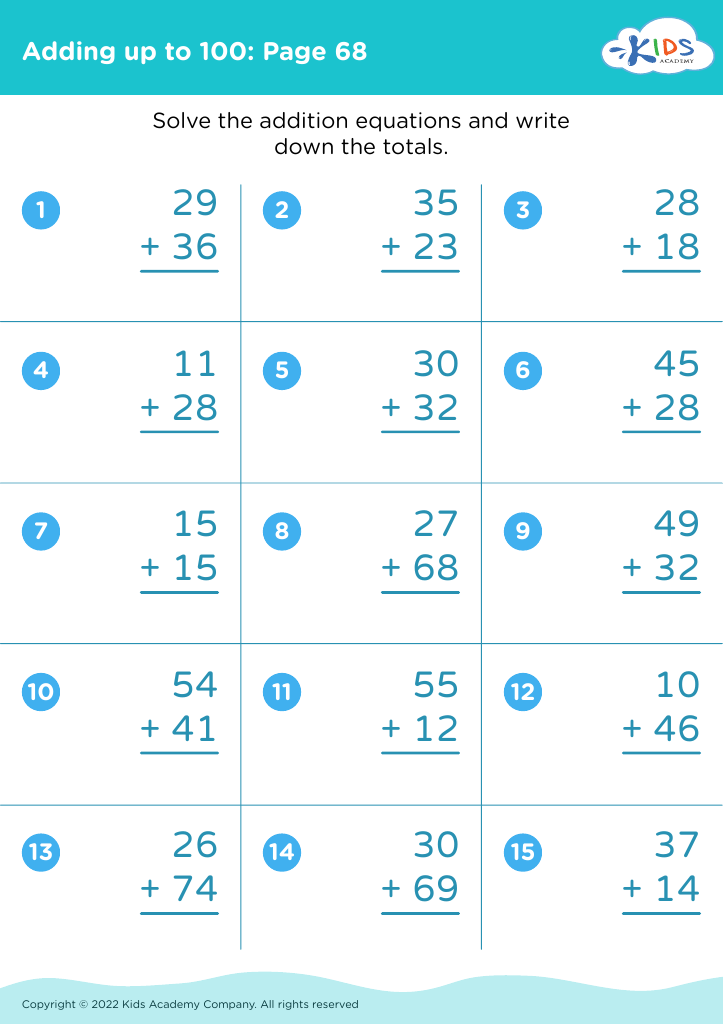
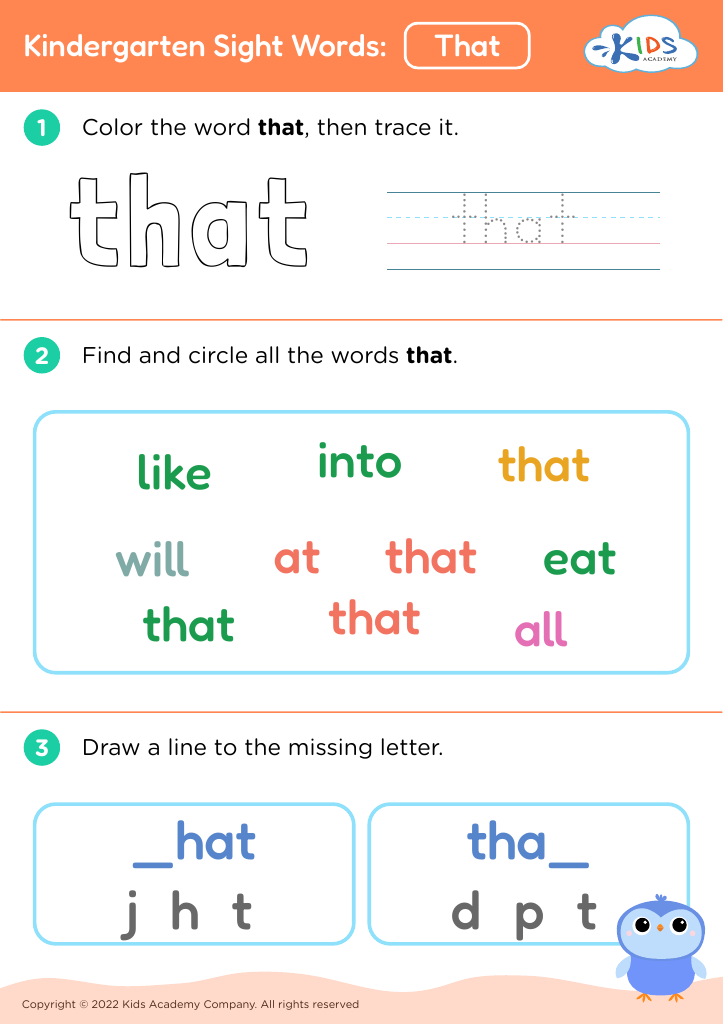
Enhance your child's math abilities with our specially designed "Improve Calculation Skills Worksheets for Ages 6-7"! These engaging worksheets by Kids Academy integrate fun, interactive exercises to help young learners master essential addition and subtraction techniques. Created by educational experts, each activity aims to boost confidence and precision in calculations, making math enjoyable for your child. Perfect for children in early elementary school, our worksheets build strong foundational skills while keeping kids entertained. Start your journey towards better math proficiency today and watch your child's calculation skills flourish with Kids Academy's thoughtfully crafted resources!
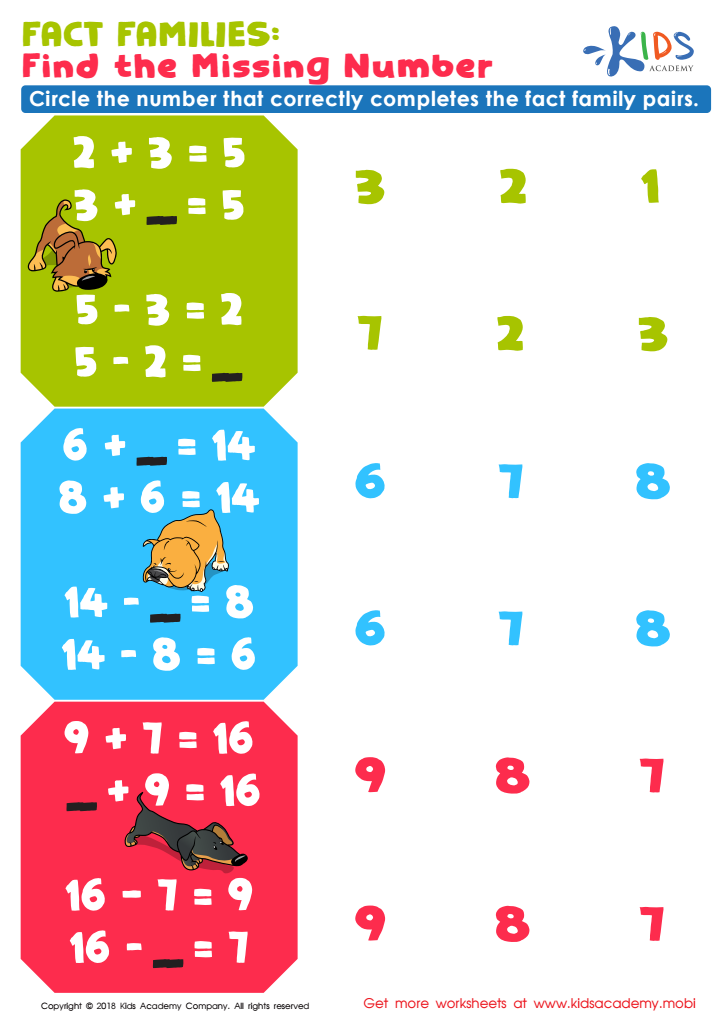
Fact Families: Find Missing Number Worksheet
 Assign to My Students
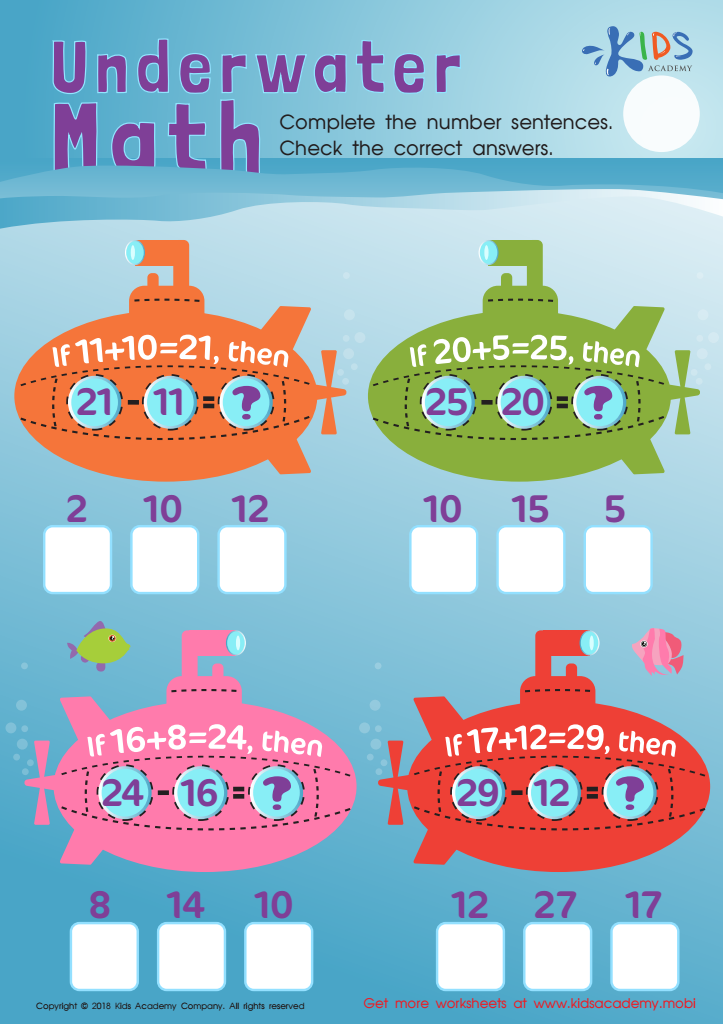
Addition and Subtraction: Underwater Math Worksheet







Developing calculation skills in children aged 6-7 is vital for several reasons. At this age, children's brains are highly adaptable and primed for learning new concepts. Strong calculation skills lay the foundation for future mathematical learning and more complex problem-solving abilities. Encouraging proficiency in basic arithmetic such as addition, subtraction, and number sense helps children build confidence and fosters a positive attitude towards math and learning in general.
Moreover, mathematical skills are closely linked to cognitive development. They enhance logical thinking, pattern recognition, and analytical skills, which are applicable beyond math and useful in everyday decision-making and problem-solving. Basic math proficiency supports academic achievement in other subjects as well, as math is integrated into areas like science, technology, and even art.
Parents and teachers should also recognize that early proficiency in calculation is indicative of later academic success. When children grasp these fundamental concepts early on, they are less likely to struggle with math as their education progresses. Additionally, these skills are crucial in today's technology-driven world and can open doors to STEM (science, technology, engineering, and mathematics) fields in the future.
Lastly, parents' and teachers' involvement in a child’s mathematical education fosters a supportive learning environment, reinforcing the idea that math is both important and enjoyable. This support can cultivate lifelong learners who are not afraid to tackle challenges.








