Improve handwriting skills Worksheets for Ages 6-7
3 filtered results
-
From - To
Discover engaging handwriting improvement worksheets designed specifically for children ages 6-7! Our collection offers a variety of fun and interactive activities to help young learners develop neat and legible handwriting. Each worksheet focuses on essential skills such as proper letter formation, spacing, and consistency, making writing a fun and rewarding experience. Tailored to enhance fine motor skills, these resources will boost confidence and accuracy in writing. Perfect for home or classroom use, our worksheets provide a structured approach to handwriting practice. Start your child's journey to beautiful handwriting today with our engaging, age-appropriate resources!
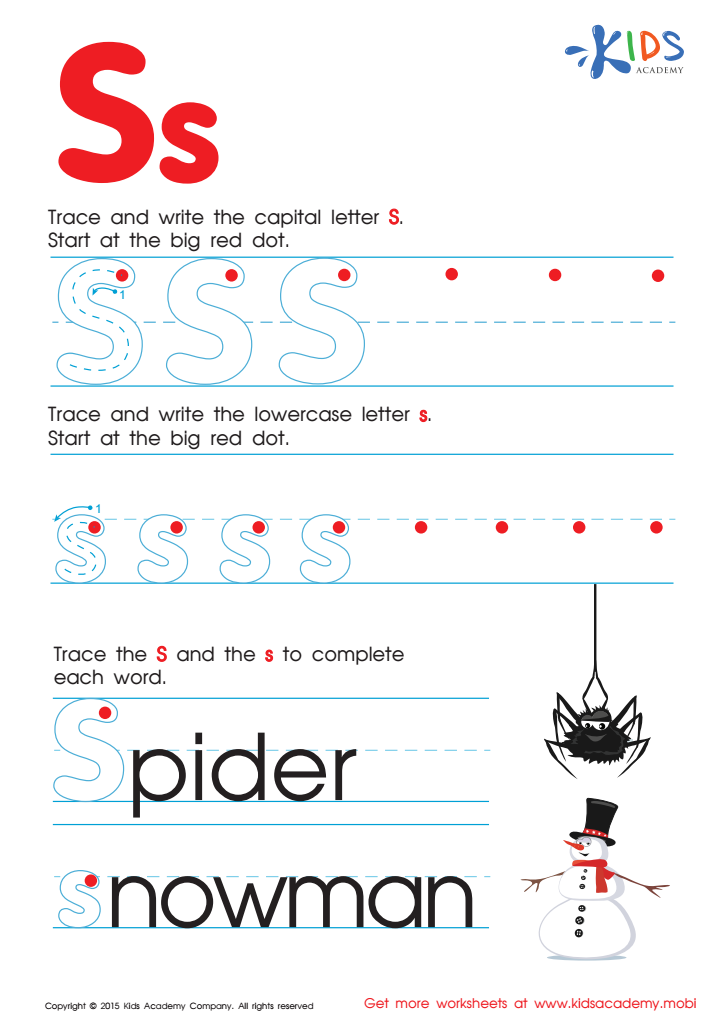
Letter S Tracing Page
 Assign to My Students
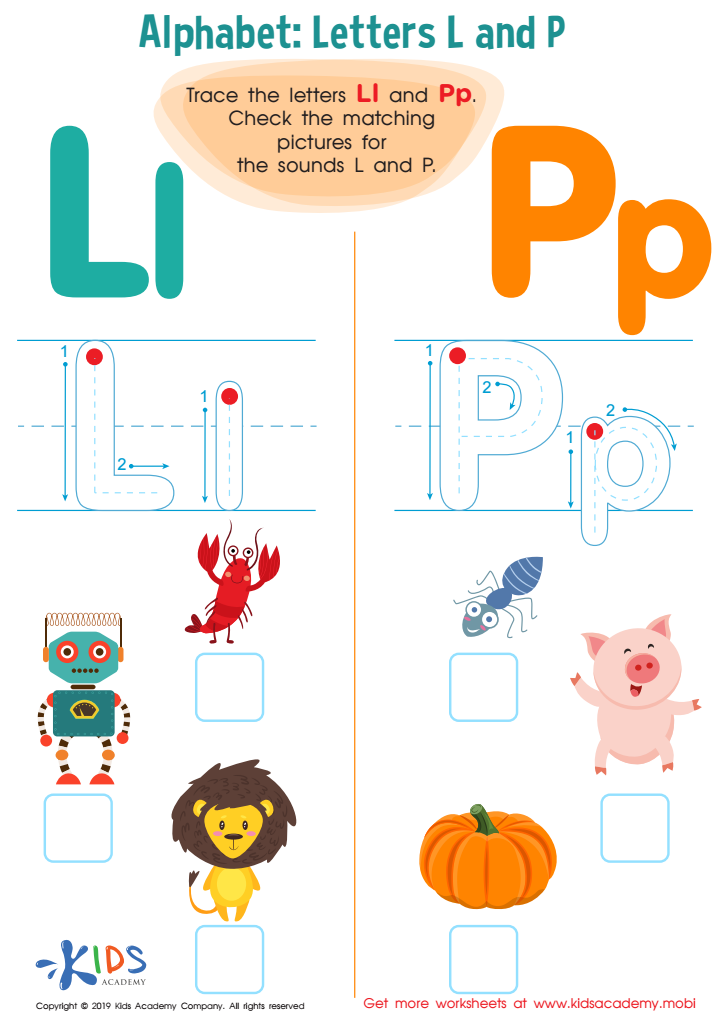
Letter L and P Tracing Worksheet
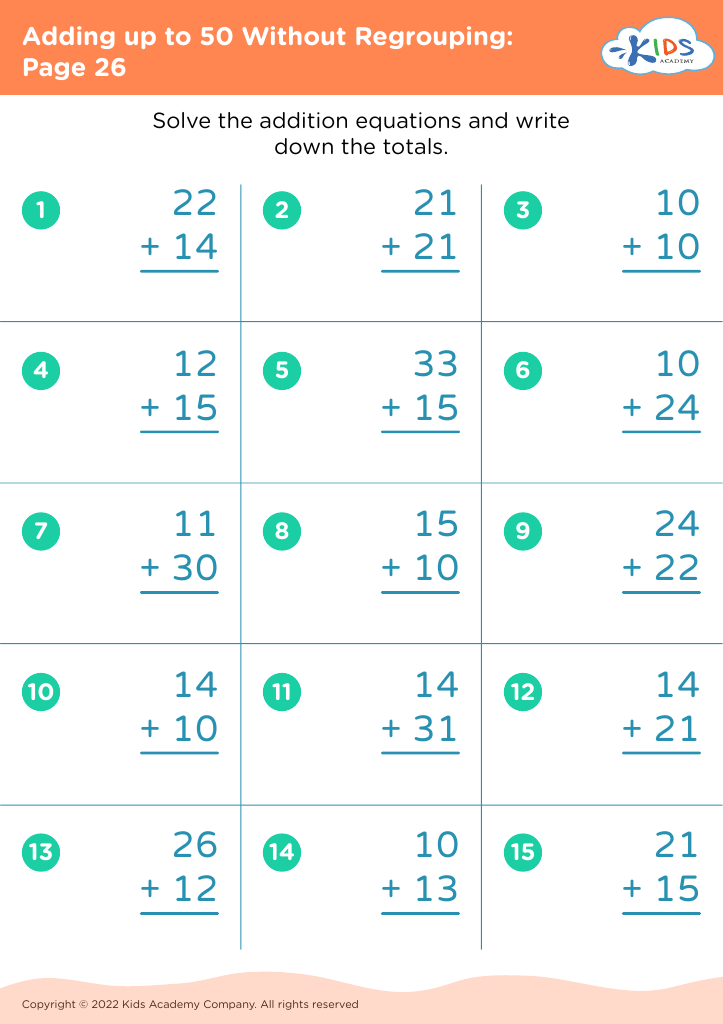








Improving handwriting skills for children aged 6-7 is essential for several reasons. At this age, children are developing fundamental literacy skills, and legible handwriting is crucial for effective communication. When children learn to write clearly, they can better express their thoughts and ideas, which boosts their confidence and enthusiasm for writing tasks.
Moreover, proper handwriting is linked to cognitive development. Mastering fine motor skills involved in writing aids in the development of the brain's coordination and spatial awareness, fostering greater cognitive abilities. Good handwriting habits formed in these early years can lead to improved academic performance in later grades, as children are more likely to focus on content rather than struggling with the mechanics of writing.
From a practical standpoint, legible handwriting reduces frustration for both students and teachers during assessments and assignments. It ensures that teachers can easily read and give feedback on students’ ideas instead of being distracted by poor penmanship. Finally, positive handwriting skills can have lifelong benefits, as effective written communication is valuable in virtually every career. Therefore, parents and teachers play a vital role in prioritizing handwriting during this formative stage, setting children up for future success both academically and personally.








