
Numerical problem solving Worksheets for Ages 6-7
6 filtered results
Difficulty Level
Grade
Age
-
From - To
Subject
Activity
Standards
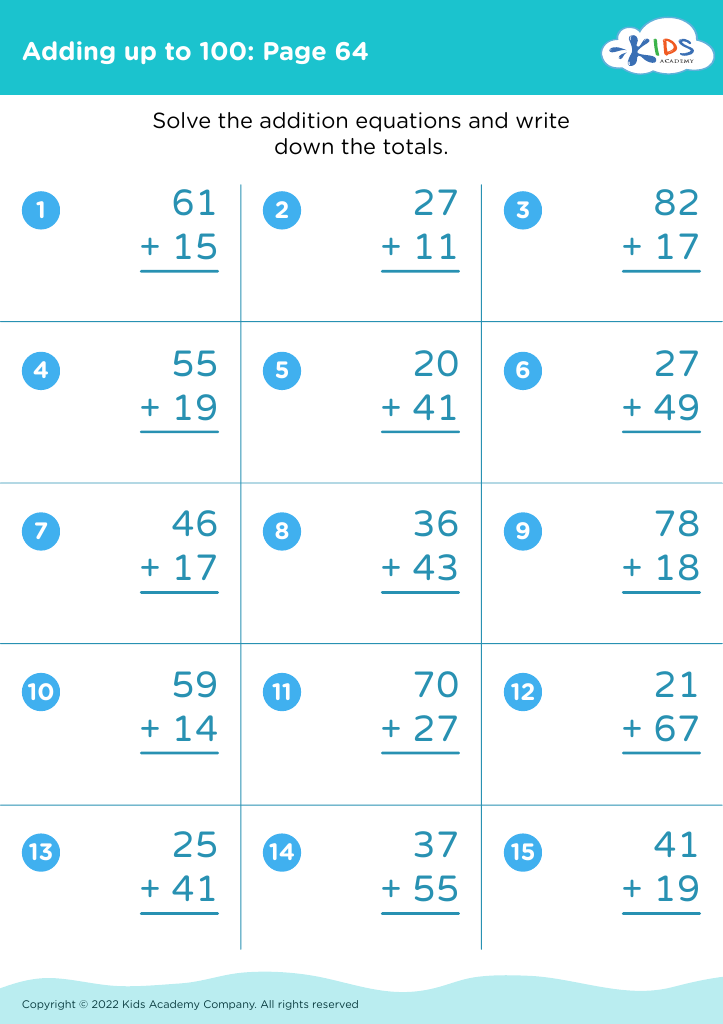
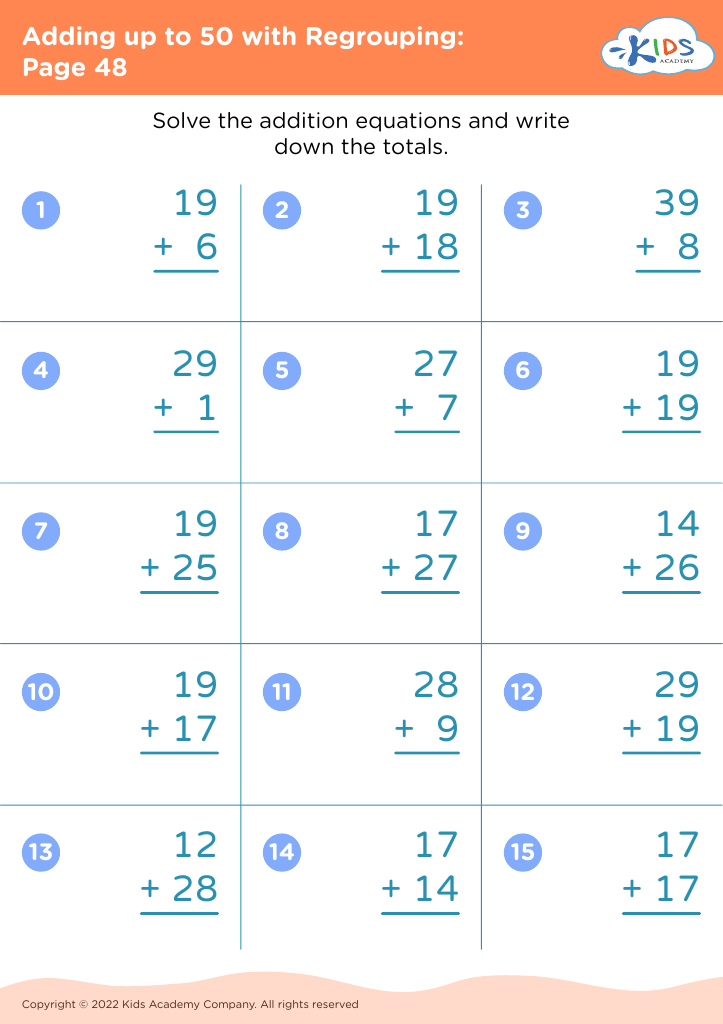
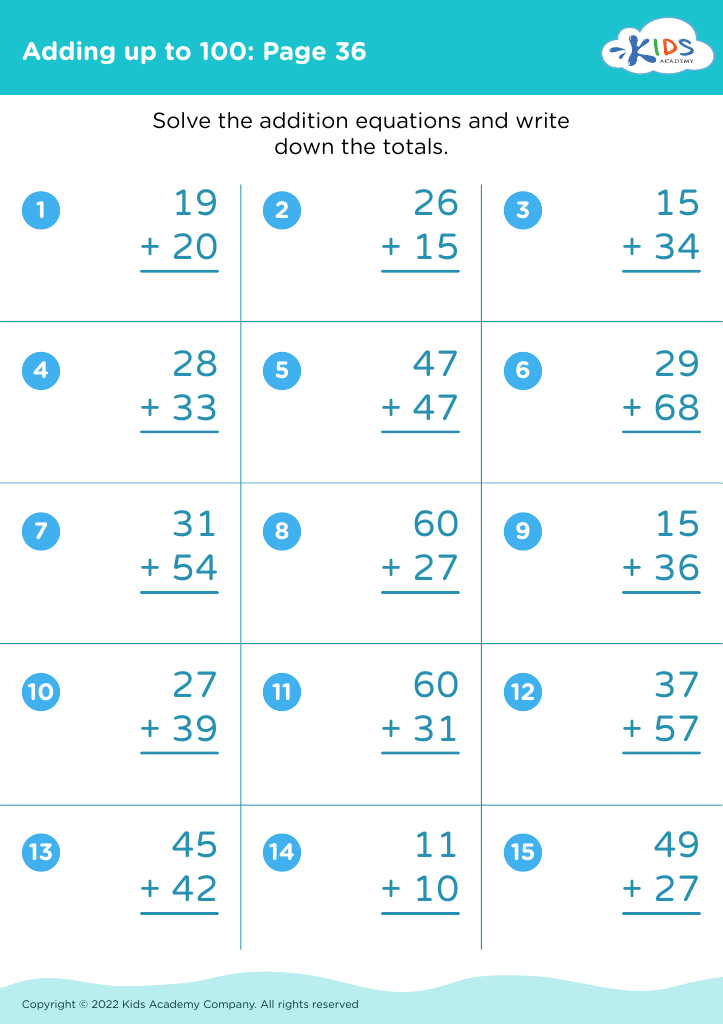
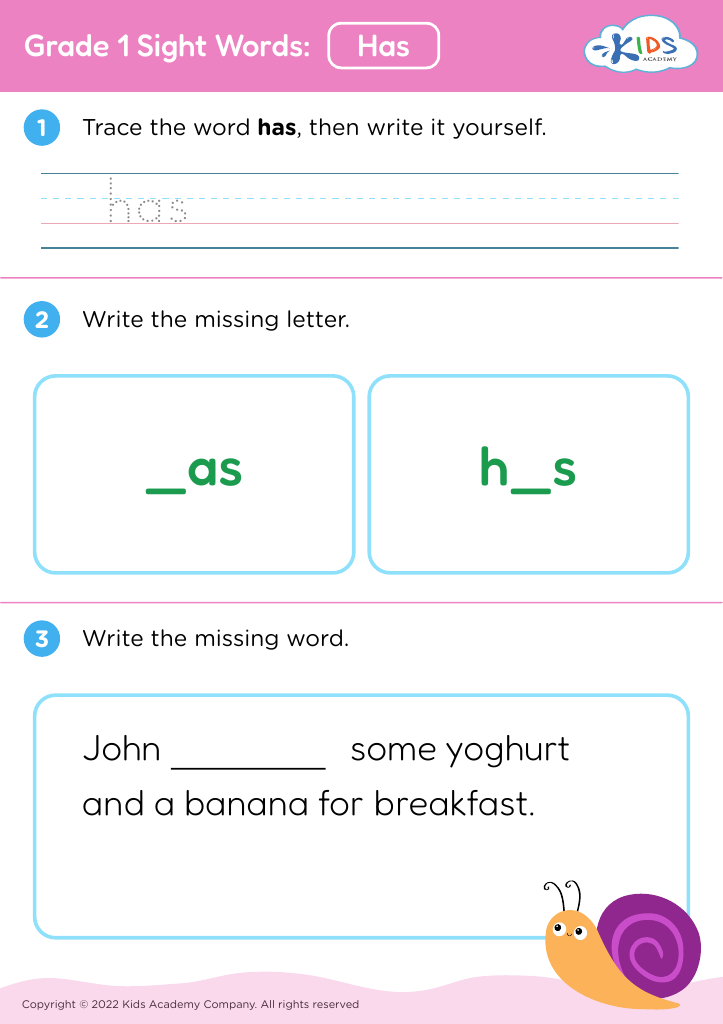
Our Numerical Problem Solving Worksheets for ages 6-7 offer young learners stimulating and engaging activities designed to enhance critical thinking and math skills. These worksheets feature age-appropriate challenges that help children understand basic concepts and apply logical reasoning. By solving puzzles, performing simple calculations, and tackling word problems, students build a solid math foundation while having fun. Ideal for both classroom and home use, our worksheets are crafted to align with educational standards and support continuous learning. Empower your child to excel in math with our expertly designed numerical problem-solving resources.
Favorites
With answer key
Interactive
Join Kids Academy for Free
Who is primarily going to use this learning content?



.jpg)




Numerical problem solving is a cornerstone of early cognitive development for children aged 6-7, and its importance cannot be understated for both parents and teachers. At this developmental stage, children are beginning to better understand the world around them, and numerical problem solving is a critical tool for this comprehension. This skill helps to develop logical and analytical thinking, fostering a child's ability to reason and make decisions based on quantitative data.
By engaging in numerical problem solving, children learn fundamental mathematical concepts such as addition, subtraction, multiplication, and division, which are the building blocks for more advanced math. These activities promote mental discipline and persistence, teaching kids the valuable skill of tackling challenges in a structured way. Moreover, these skills are transferable across other subjects and areas of life. For example, understanding basic math can enhance a child’s ability to perform in science-related tasks, improving their overall academic performance.
Teachers and parents can further appreciate that numerical problem solving enhances children's confidence. When kids successfully solve problems, they experience a sense of achievement that boosts their willingness to tackle new challenges. This can also improve their overall attitude toward learning and schooling. Ultimately, investing time in developing numerical problem-solving skills at an early age equips children with essential life skills, setting them up for long-term academic and personal success.








