Practicing writing skills Worksheets for Ages 6-7
3 filtered results
-
From - To
Enhance your child's writing abilities with our engaging worksheets designed specifically for ages 6-7. These printable resources focus on developing essential writing skills through fun and interactive activities. Kids will practice letter formation, spacing, and sentence construction while exploring imaginative prompts that spark creativity. Our worksheets cater to diverse learning styles, ensuring every child can enjoy the writing process. Ideal for both classroom use and home learning, these exercises will help your child build confidence as they refine their writing skills. Discover the joy of writing today and watch your young learners thrive with our thoughtfully crafted worksheets!
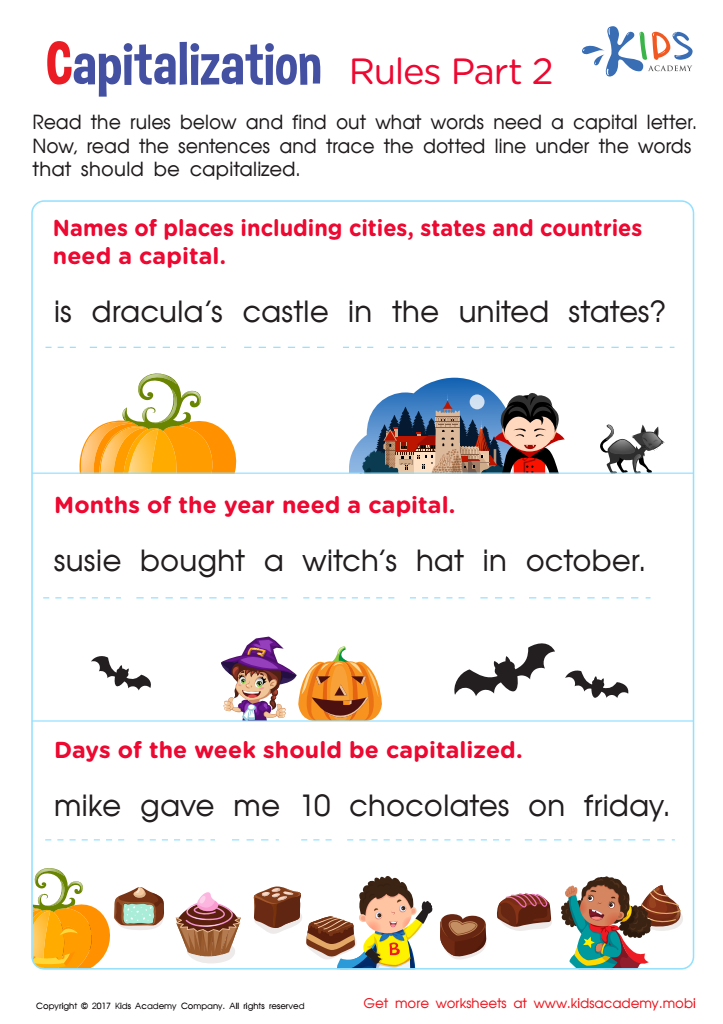
Capitalization Rules: Part 2 Worksheet
 Assign to My Students
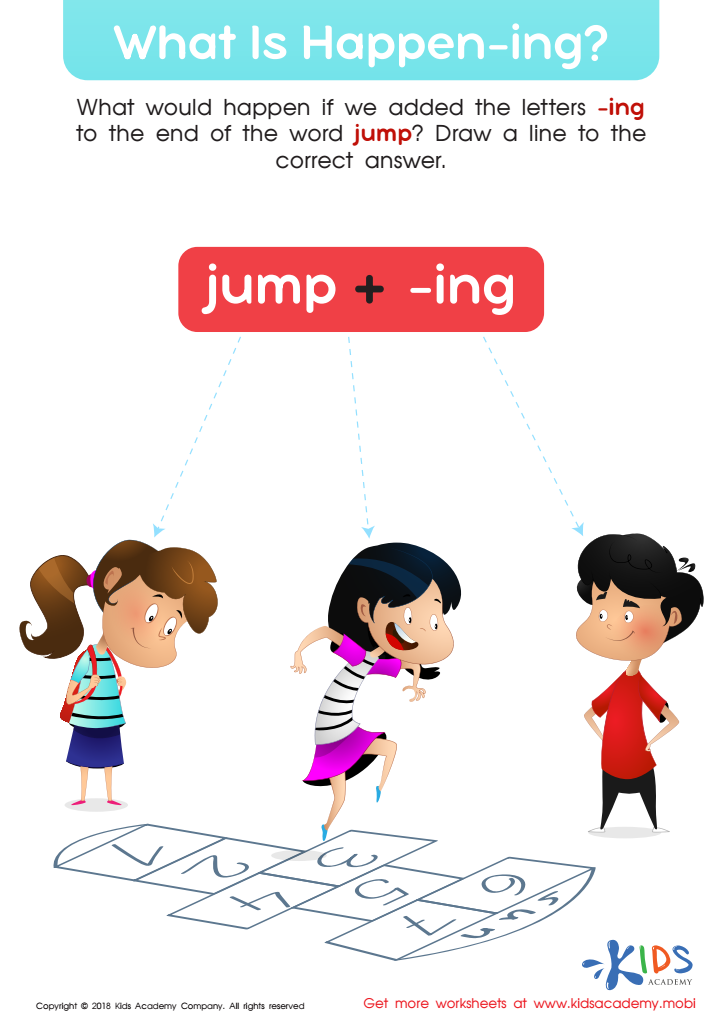
What Is Happen-Ing? Worksheet
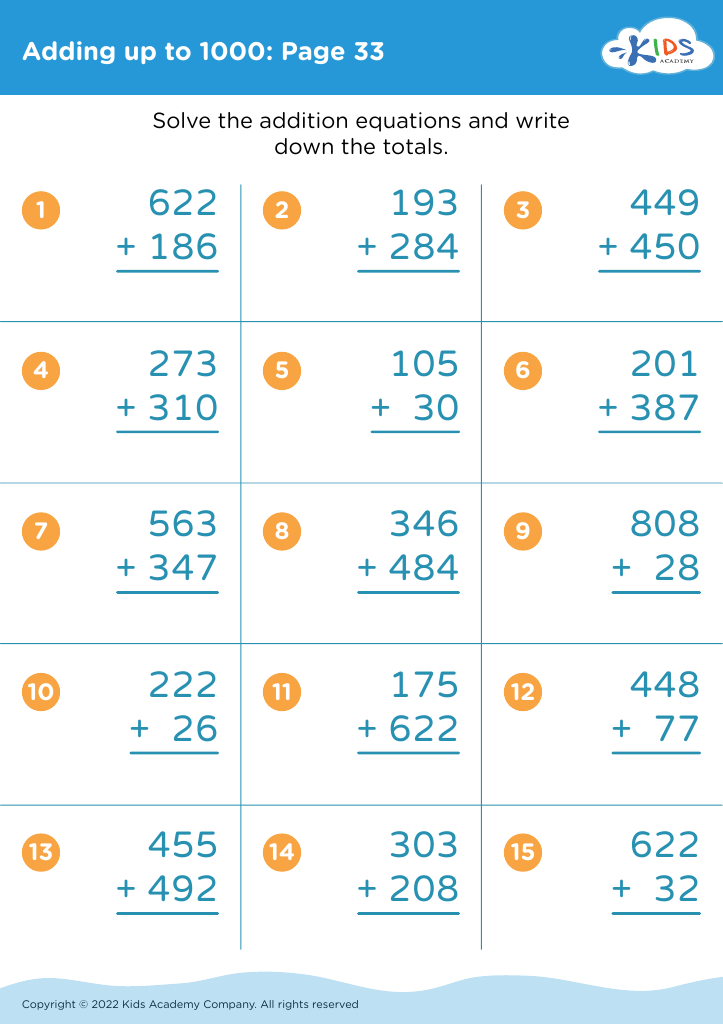






Practicing writing skills for children aged 6-7 is crucial for several reasons. At this developmental stage, children's cognitive, motor, and perceptual skills are rapidly evolving, making it an ideal time to enhance their writing abilities. Writing is more than just putting pen to paper; it fosters creative expression, helping children articulate their thoughts, feelings, and experiences. This strengthens their communication skills, laying a robust foundation for academic success.
Moreover, developing writing skills promotes essential literacy competencies. Early writing experiences are linked to improved reading abilities, as both skills reinforce each other. By engaging in writing activities, children enhance their vocabulary, spelling, and grammar understanding, which are critical for their overall language proficiency.
Additionally, practicing writing cultivates discipline and focus. It encourages children to organize their thoughts and reflect on their ideas, cultivating critical thinking skills. For parents and teachers, fostering these writing skills means nurturing a child's confidence and independence in expressing themselves. As children begin to enjoy writing, they are more likely to see it as a valuable and enjoyable part of learning. Investing time into building these skills can have lasting benefits, influencing children's academic journeys and personal development well beyond the early years.








