Reading skills development Worksheets for Ages 6-7
6 filtered results
-
From - To
Boost your child's reading skills with our engaging worksheets designed specifically for ages 6-7. Our collection focuses on fundamental reading skills, ensuring a strong foundation in literacy. These worksheets incorporate fun activities like matching words, identifying main ideas, and enhancing vocabulary, making learning enjoyable and effective. Tailored to the developmental needs of early readers, our resources foster critical thinking and comprehension while keeping students motivated. Perfect for both classroom settings and at-home practice, these worksheets not only support academic growth but also nurture a lifelong love for reading. Explore our selection today to ignite your child's reading journey!
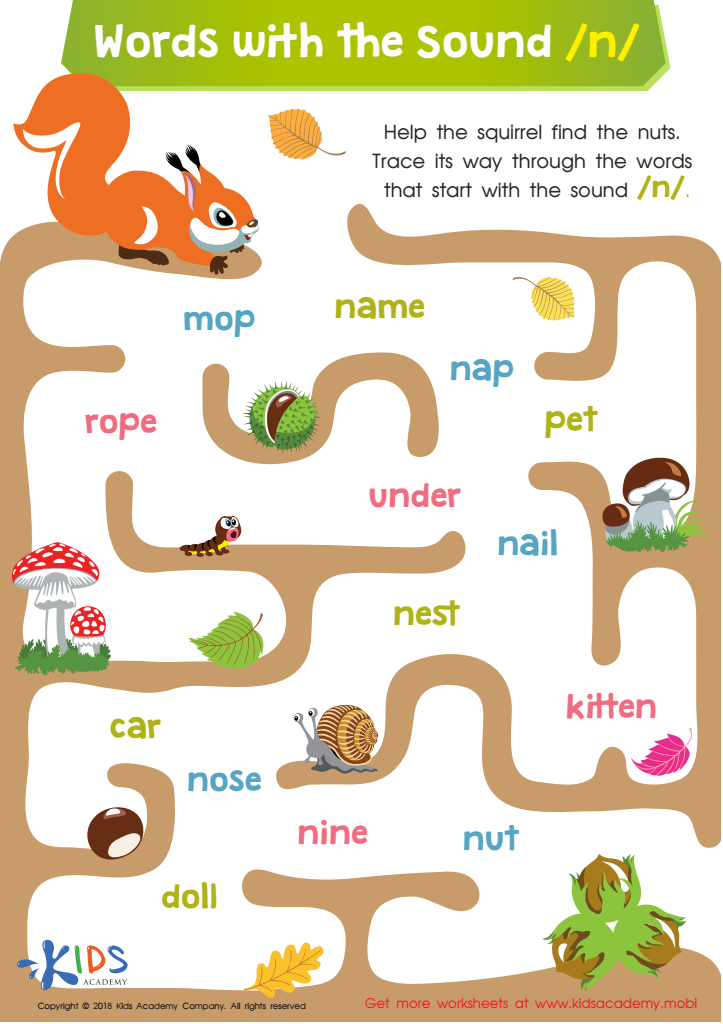
Words with Sound N Reading Worksheet
 Assign to My Students
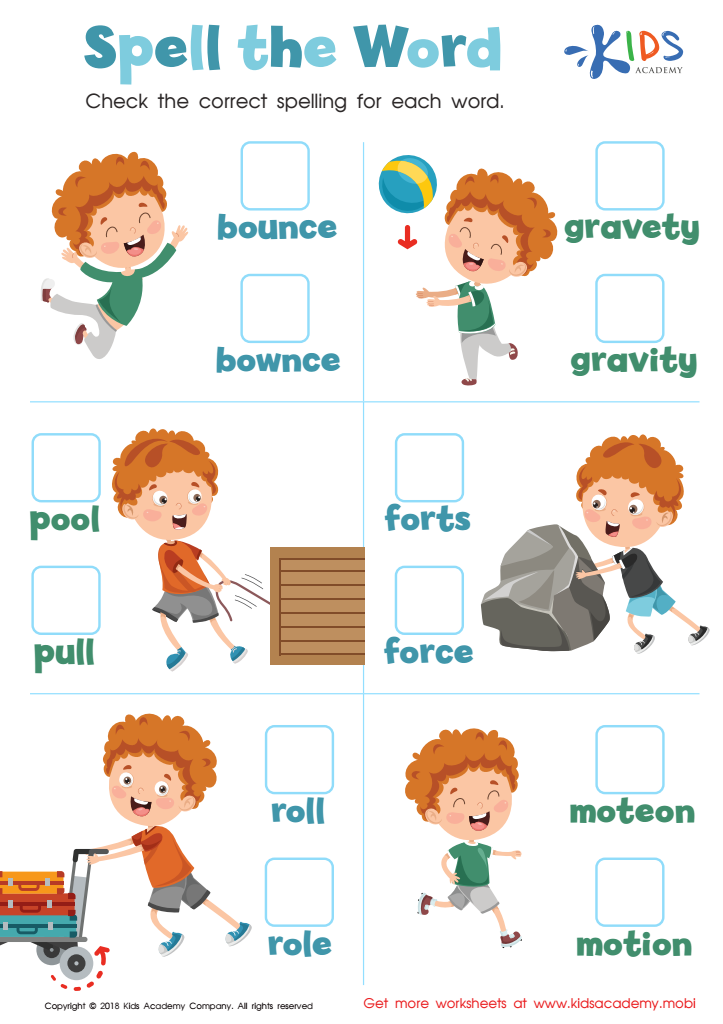
Spell the Word Worksheet
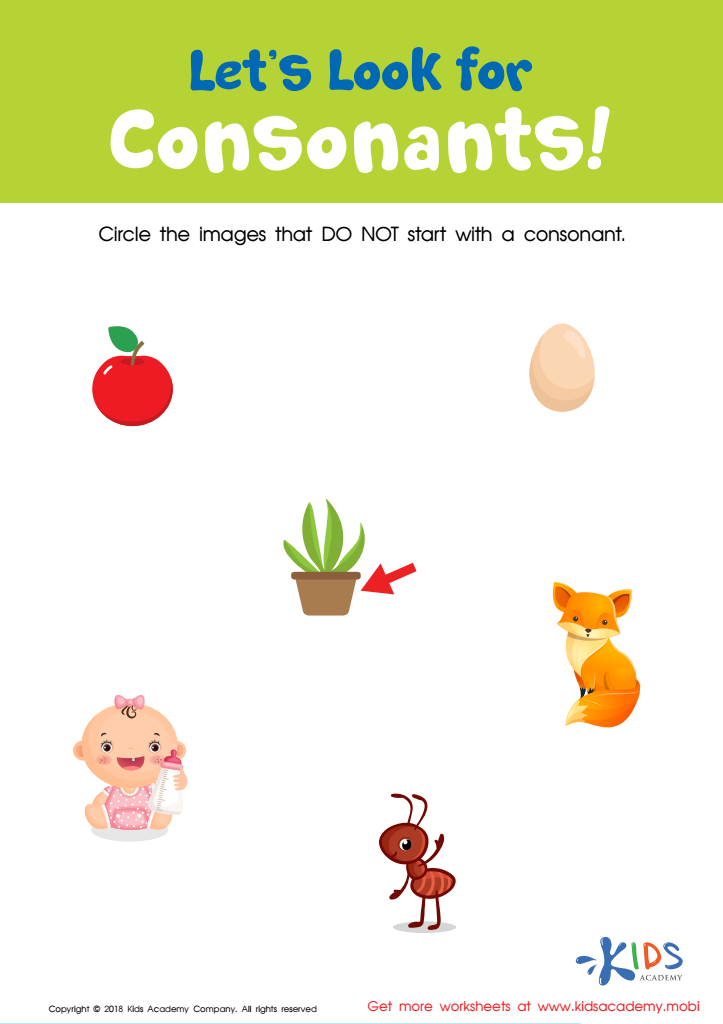
Let's Look for Consonants Worksheet
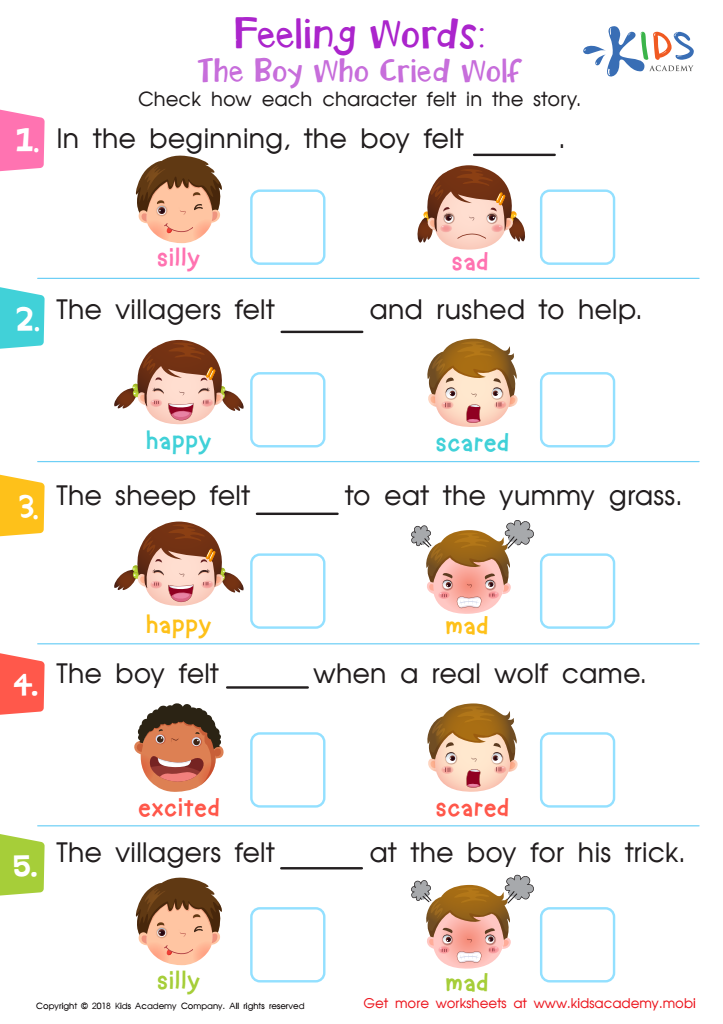
Feeling Words: The Boy Who Cried Wolf Worksheet
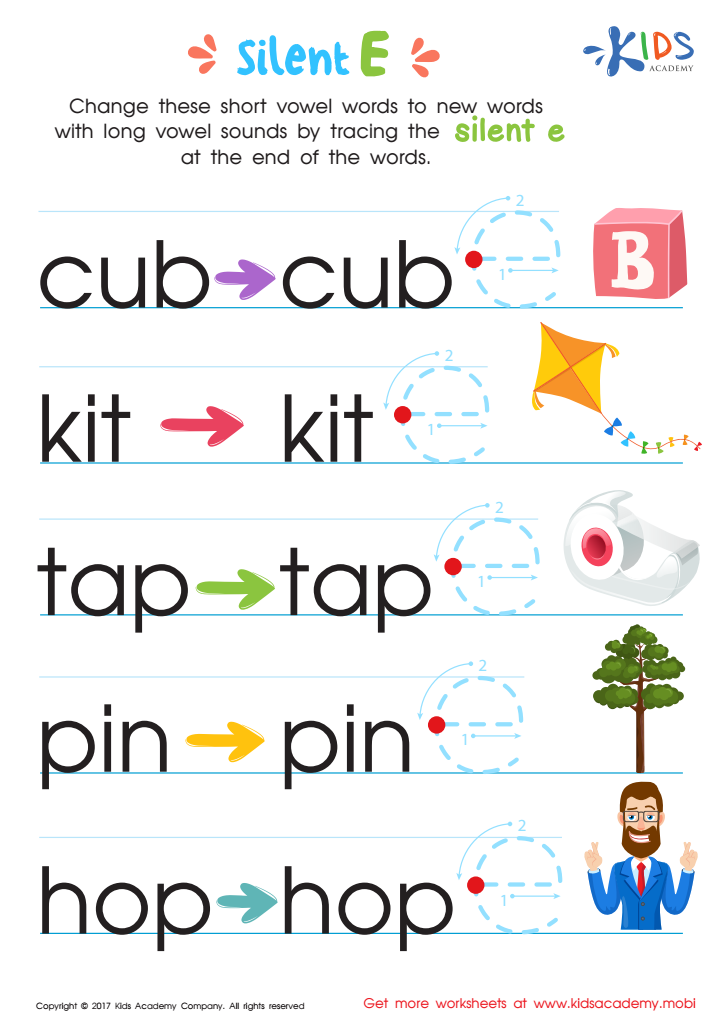
Silent E Words Worksheet
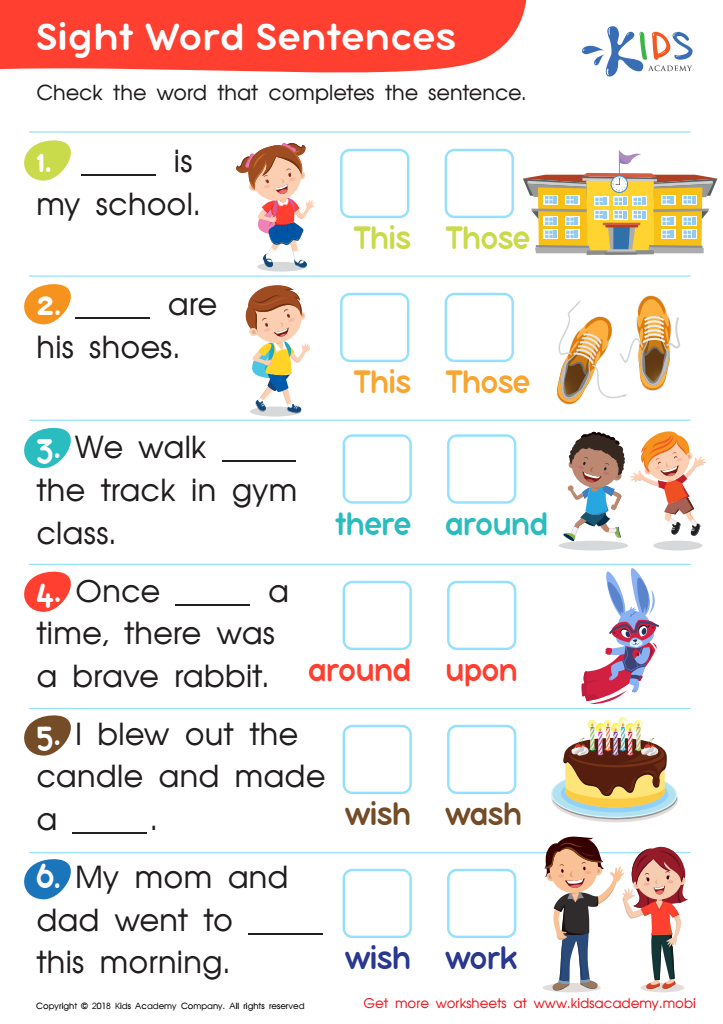
Sight Word Sentences Worksheet







Reading skills development for children aged 6-7 is crucial as this stage sets the foundation for lifelong learning. At this age, children transition from learning to read to reading to learn, which means their comprehension skills will significantly impact their future academic success. Strong reading skills enhance vocabulary, improve critical thinking, and foster creativity, facilitating better communication both written and verbal.
Parents and teachers should care about reading development because it lays the groundwork for not only literacy but also confidence. Children who read proficiently are more likely to engage in classroom discussions, enjoy a variety of subjects, and participate actively in their learning journeys.
Moreover, reading enables children to explore diverse cultures, ideas, and emotions, creating empathetic, well-rounded individuals. The act of reading together provides a shared experience that strengthens the bond between parents and children, creating a supportive environment that encourages exploration and curiosity.
Additionally, supporting reading development can close achievement gaps among different socioeconomic groups, ensuring all children have the tools they need for academic success. By prioritizing reading skills development, parents and teachers can empower children to become informed, engaged citizens who contribute positively to society.








