Spatial awareness Worksheets for Ages 6-7 - Page 2
43 filtered results
-
From - To
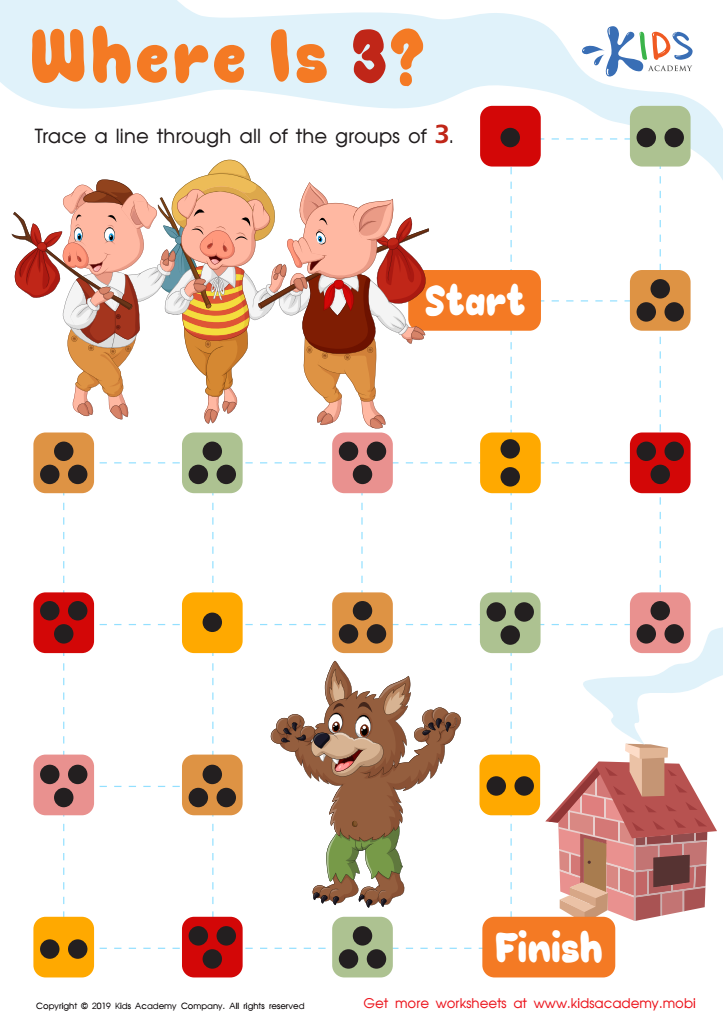
Where Is 3? Worksheet
 Assign to My Students
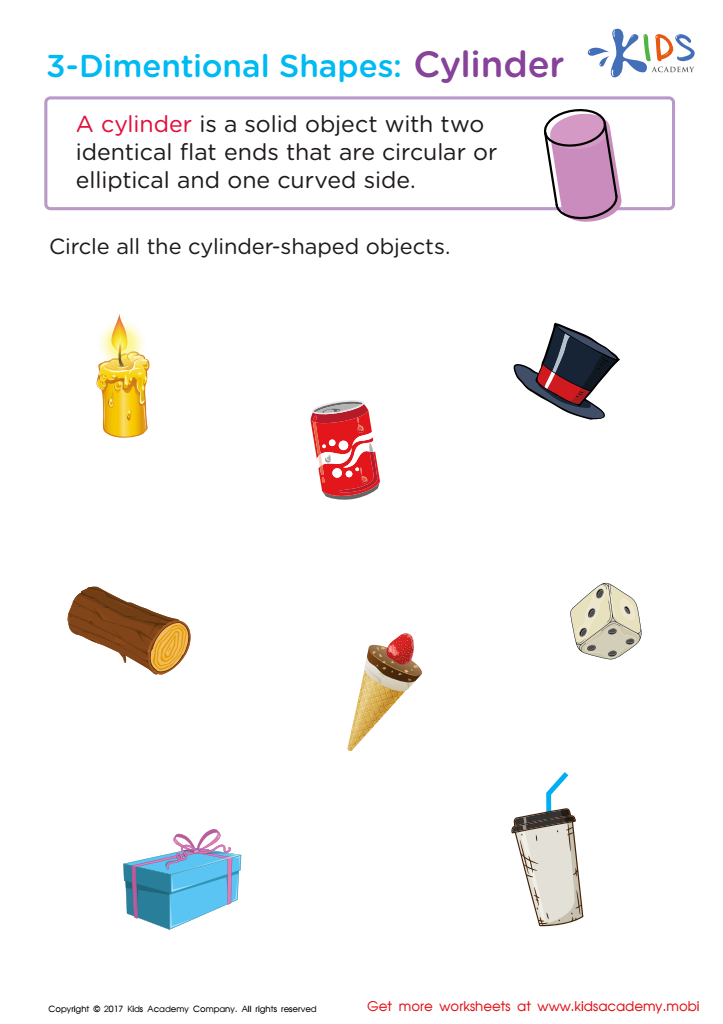
Three–Dimensional Shapes: Cylinder Worksheet
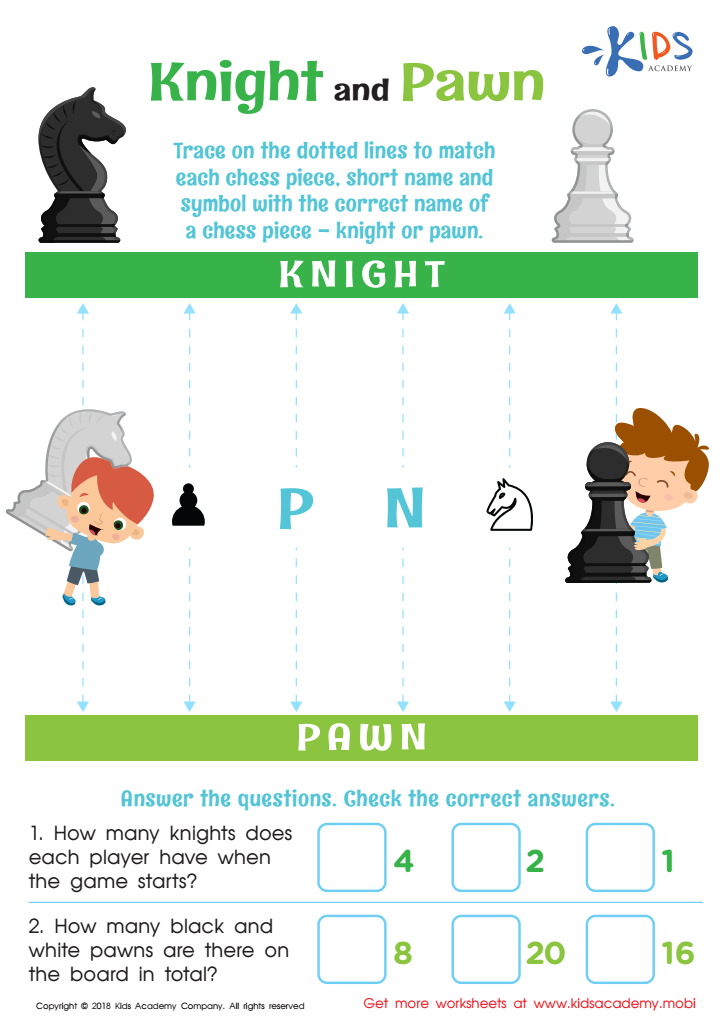
Knight and Pawn Worksheet
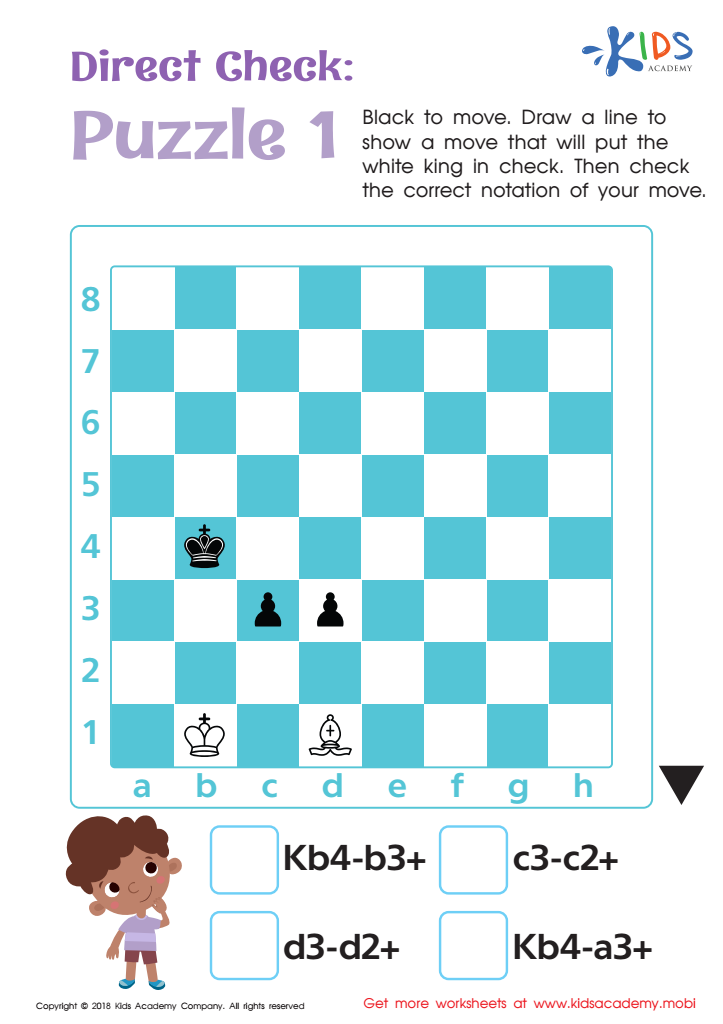
Direct Check: Puzzle 1 Worksheet
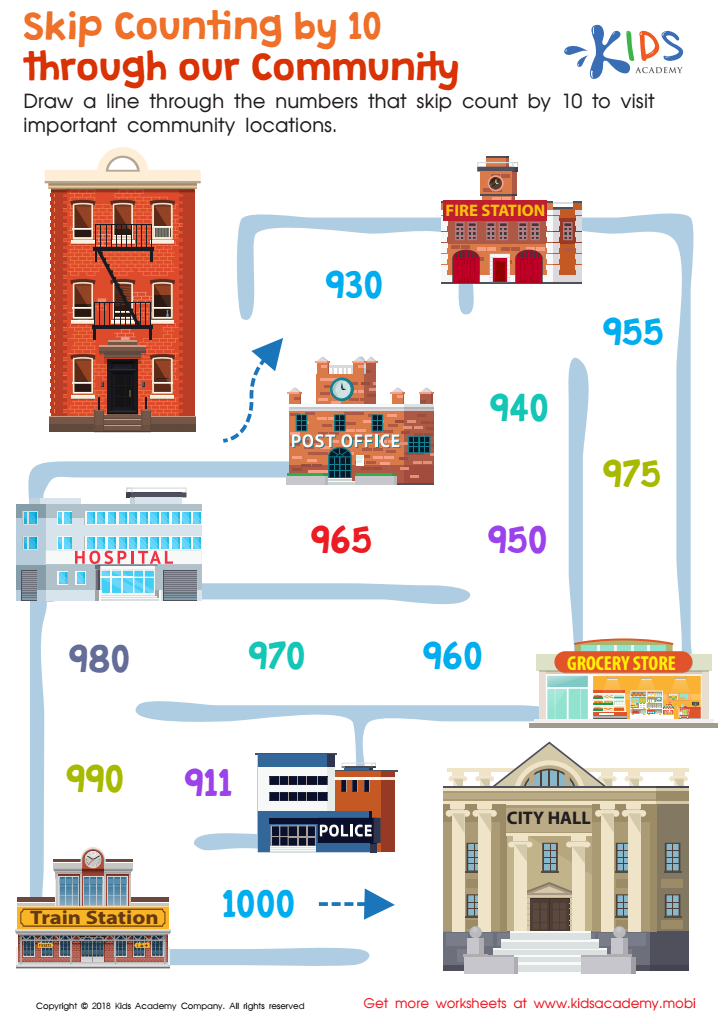
Skip Counting by 10 Through Our Community Worksheet
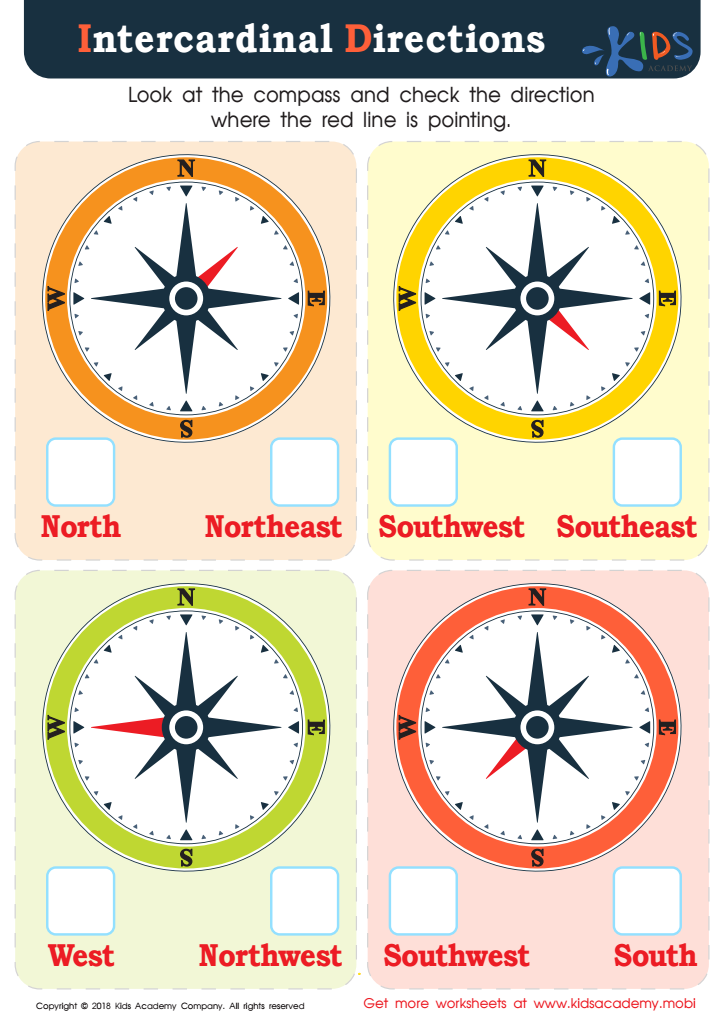
Intercardinal Directions Worksheet
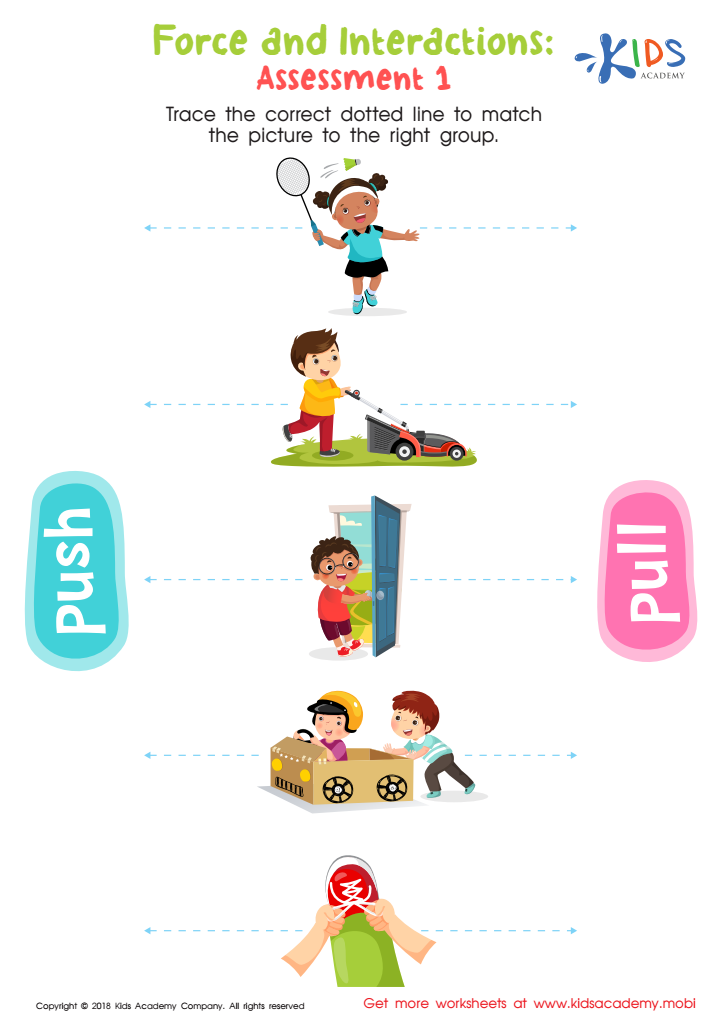
Force and Interactions: Assessment 2 Worksheet
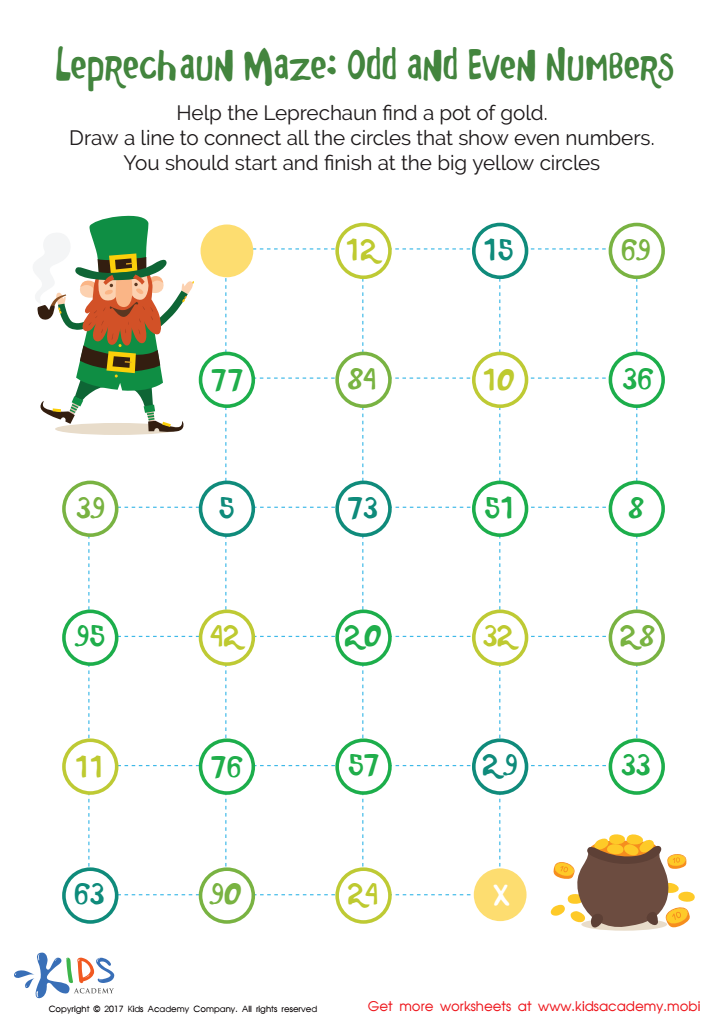
Leprechaun Maze Printable
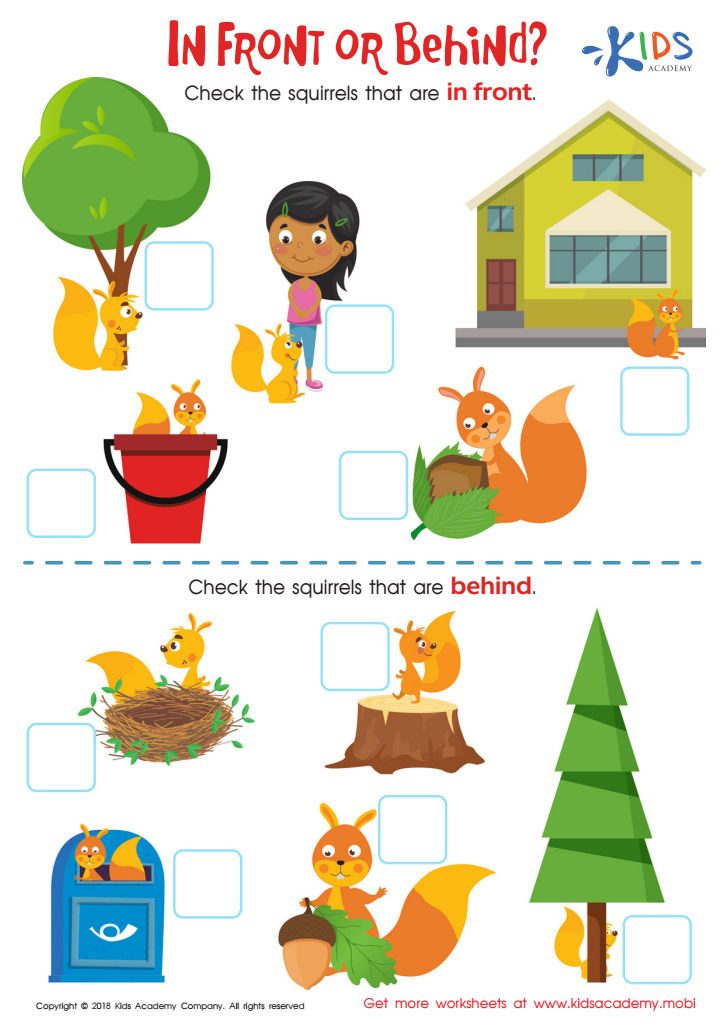
In Front or Behind: Part 2 Worksheet
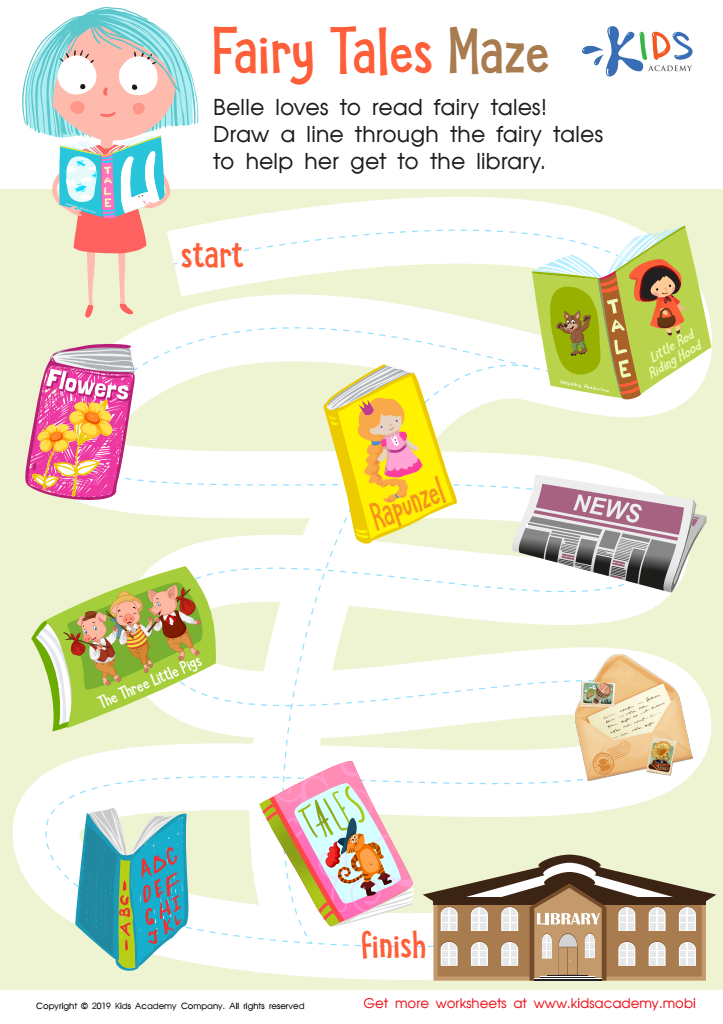
Fairy Tales Maze Worksheet
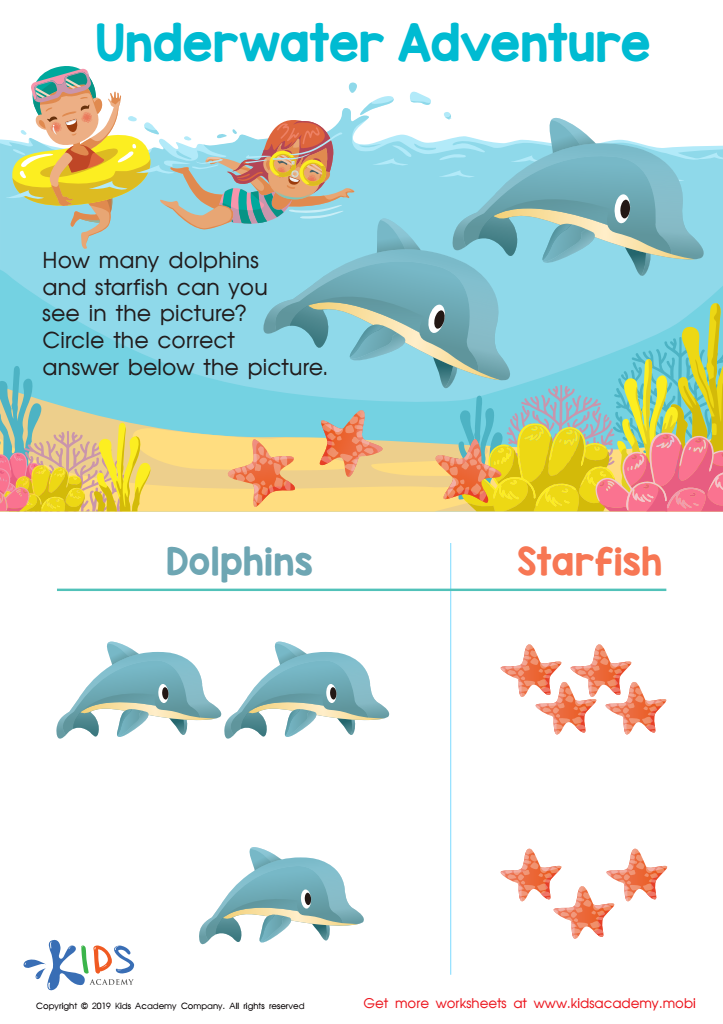
Underwater Adventure Worksheet
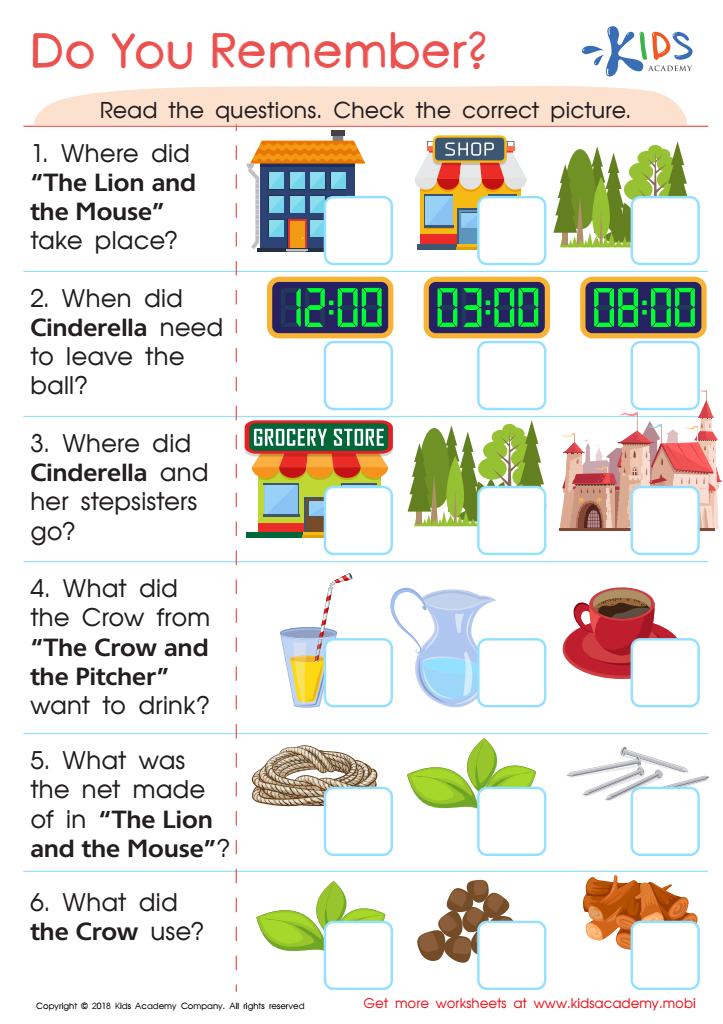
Do You Remember? Worksheet
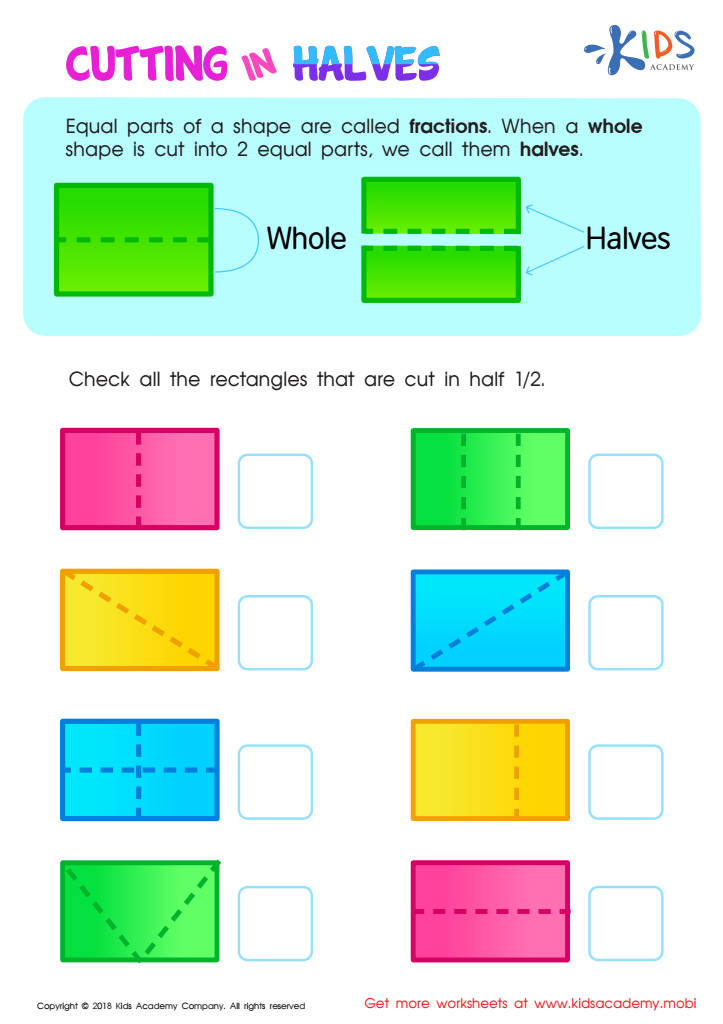
Cutting in Halves Worksheet
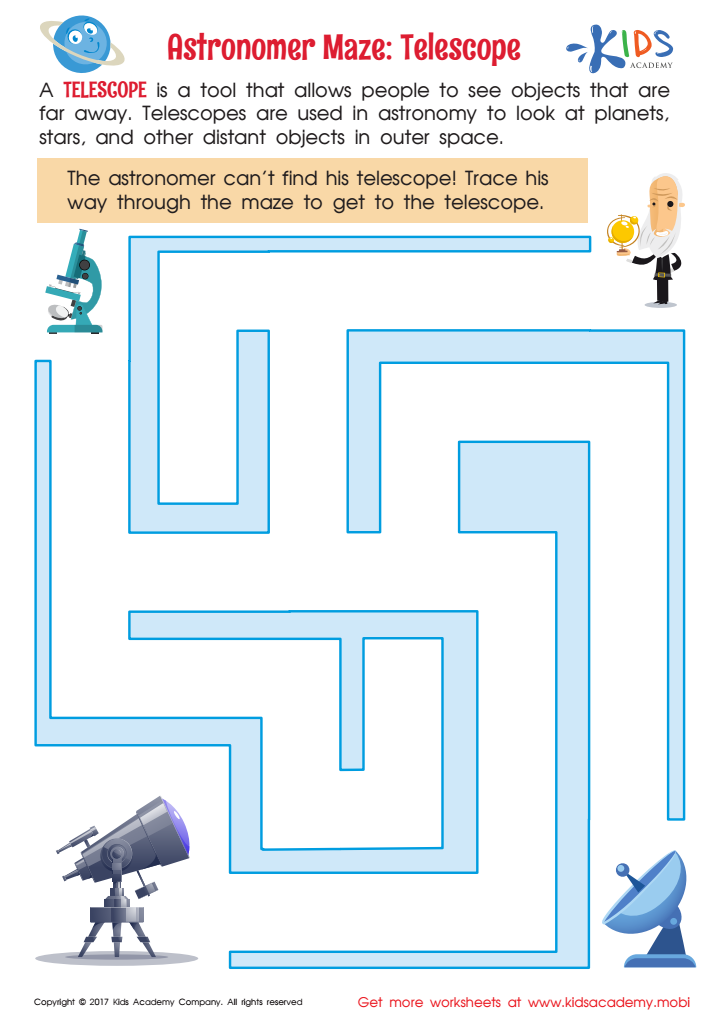
Astronomer Maze: Telescope Worksheet
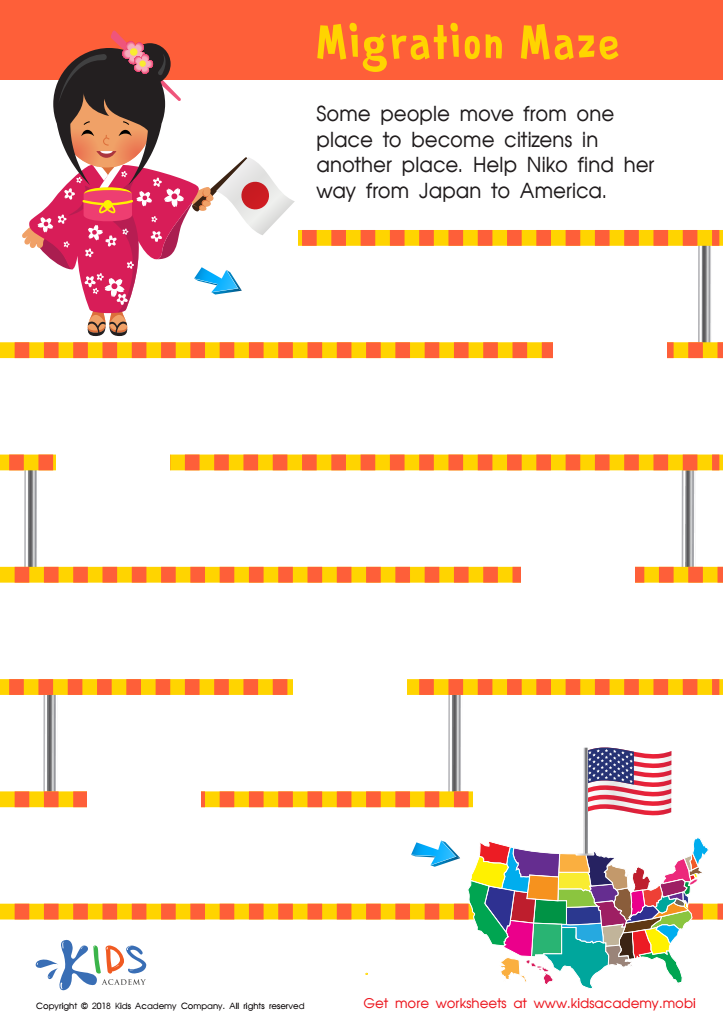
Migration Maze Worksheet
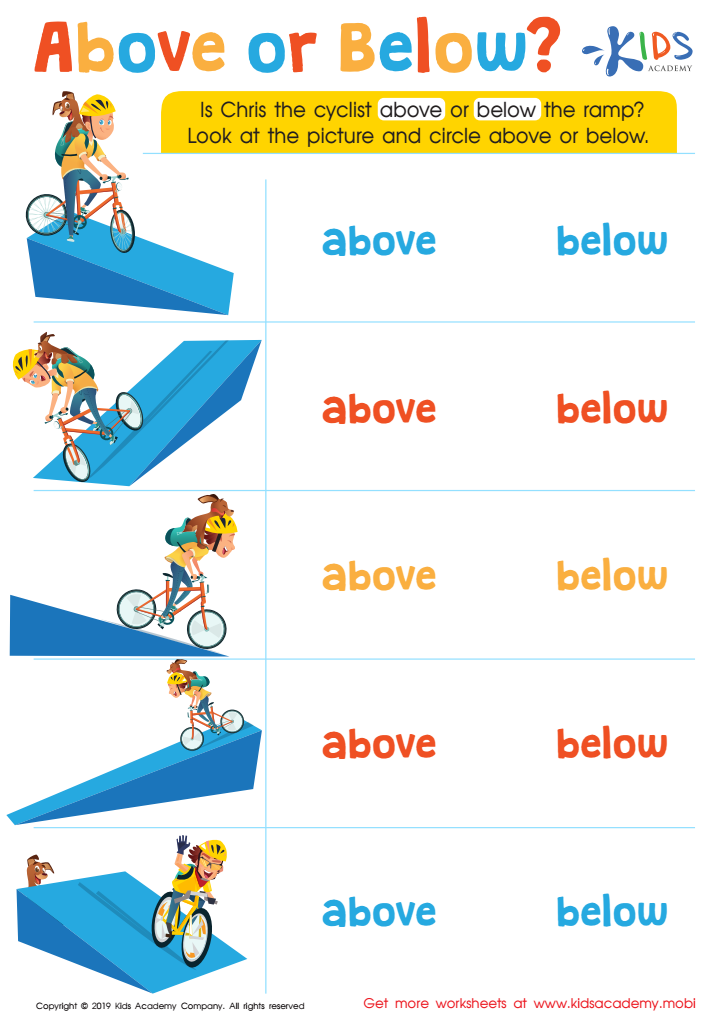
Above or Below? Worksheet




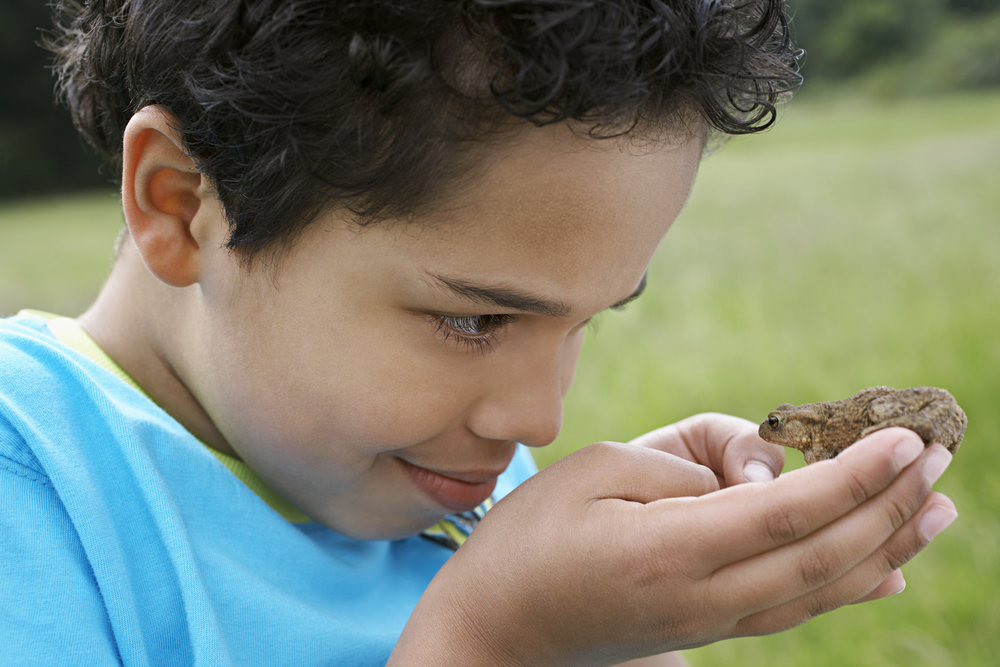

Spatial awareness is a crucial skill for children aged 6-7, and both parents and teachers should prioritize its development. At this age, children are beginning to navigate the world around them, and strong spatial skills lay the foundation for various core competencies.
First, spatial awareness enhances problem-solving abilities. Children who can visualize how objects relate to one another are better equipped to tackle puzzles and engage in activities such as math and science. This skill also feeds into logical thinking, enabling them to understand concepts like measurement and geometry more easily.
Moreover, good spatial awareness supports physical development. Children often learn through guided play, and activities such as building blocks, puzzles, and outdoor games help refine their gross and fine motor skills. These activities not only promote cognitive development but also foster social skills as kids work collaboratively.
Lastly, spatial awareness contributes to academic success across subjects. As children progress in school, the ability to think spatially becomes increasingly important in areas like reading maps, interpreting graphs, or understanding directions.
In summary, fostering spatial awareness in young children nurtures essential skills, boosting their academic performance and overall cognitive growth, making it a key focus for both parents and educators.








