Understand sequencing Worksheets for Ages 6-7
4 filtered results
-
From - To
Explore the importance of sequencing with our engaging worksheets designed for ages 6-7. These activities help young learners develop critical reading and comprehension skills by organizing events in a logical order. Children will enhance their ability to understand stories, follow directions, and solve problems through fun exercises tailored to their developmental stage. Our bright and colorful printables motivate kids to practice sequencing concepts with real-life examples and relatable scenarios. By incorporating these worksheets into learning routines, you can support your child’s educational journey while making learning enjoyable. Unlock your child's potential in understanding sequencing today with our high-quality resources!
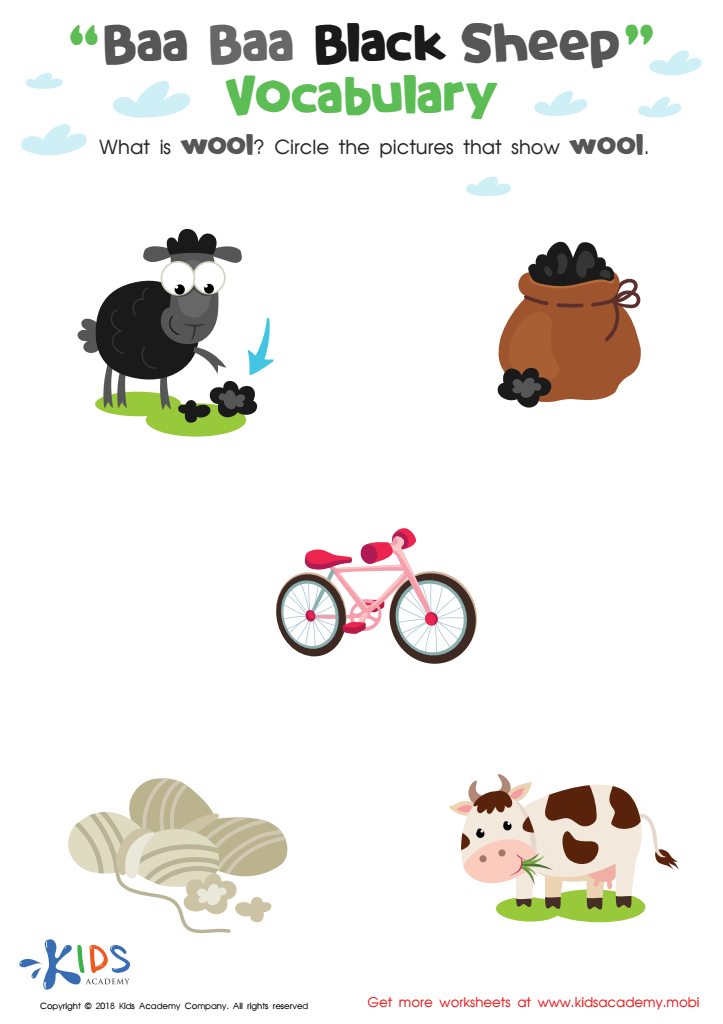
Baa Baa Black Sheep: Vocabulary Worksheet
 Assign to My Students
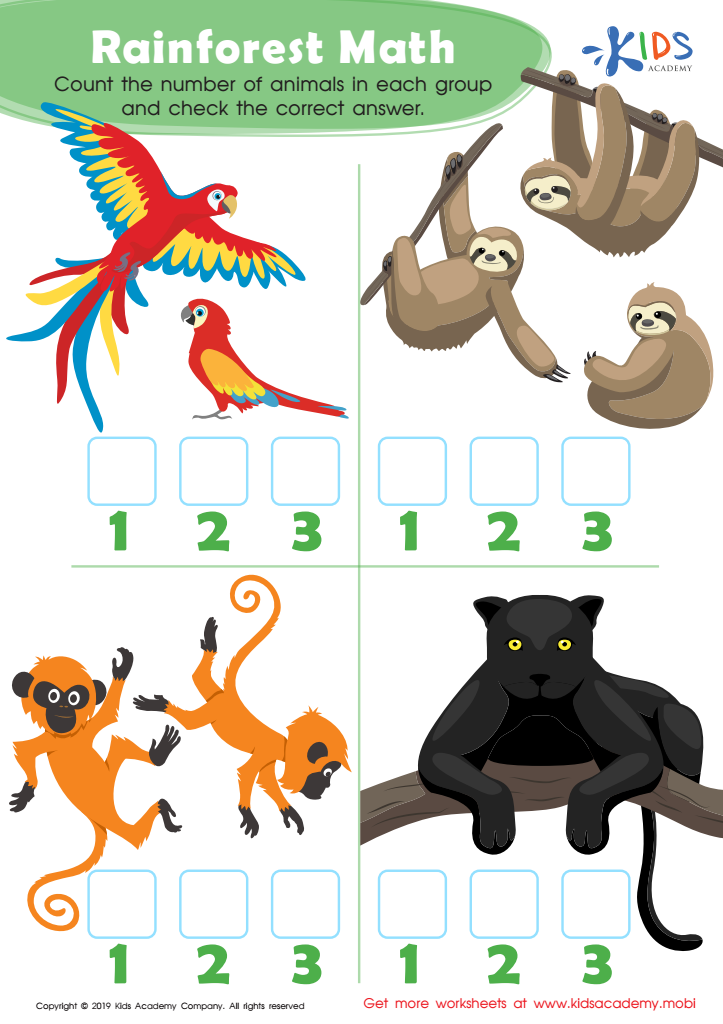
Rainforest Math Worksheet
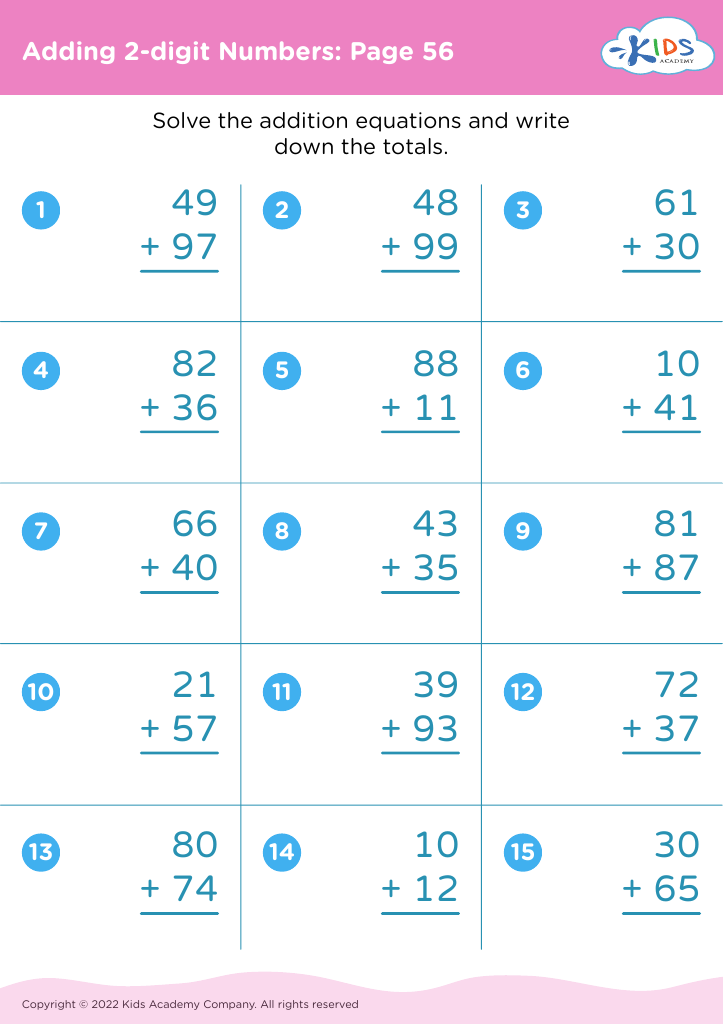
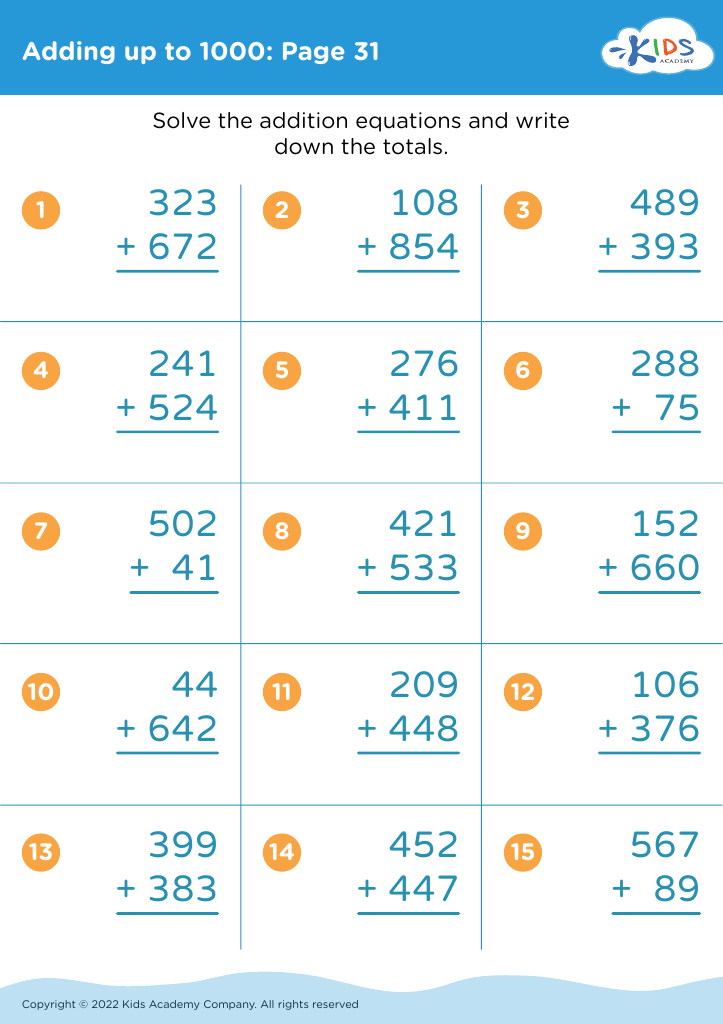







Understanding sequencing is crucial for children aged 6-7 as it lays the groundwork for essential cognitive skills and literacy development. At this age, children are actively learning to organize information in a meaningful way, making sequencing a vital part of their educational journey. By grasping the order of events—whether in stories, everyday tasks, or mathematical problems—students enhance their comprehension abilities, facilitating better understanding in reading and problem-solving.
Moreover, sequencing helps kids develop logical thinking. When they learn to sequence, they begin to grasp concepts such as cause and effect, which fosters their analytical skills. This ability to organize thoughts also translates to written expression; structured writing is inherently grounded in a clear sequence.
For parents and teachers, promoting sequencing skills can enhance children's independence in daily activities and homework. Games, storytelling, and even morning routines are excellent opportunities to practice sequencing. When children see the connections between sequences—how days, actions, and ideas are interconnected—they can better navigate their environment and relate to one another, which further inspires social development. Focusing on sequencing not only supports academic success but also equips children with vital life skills.








