Check out this FREE "Understanding patterns" Trial Lesson for age 6-7!

Properties of Addition - Part 1

Favorites
With answer key
Interactive
  • 6-7
  • Understanding patterns
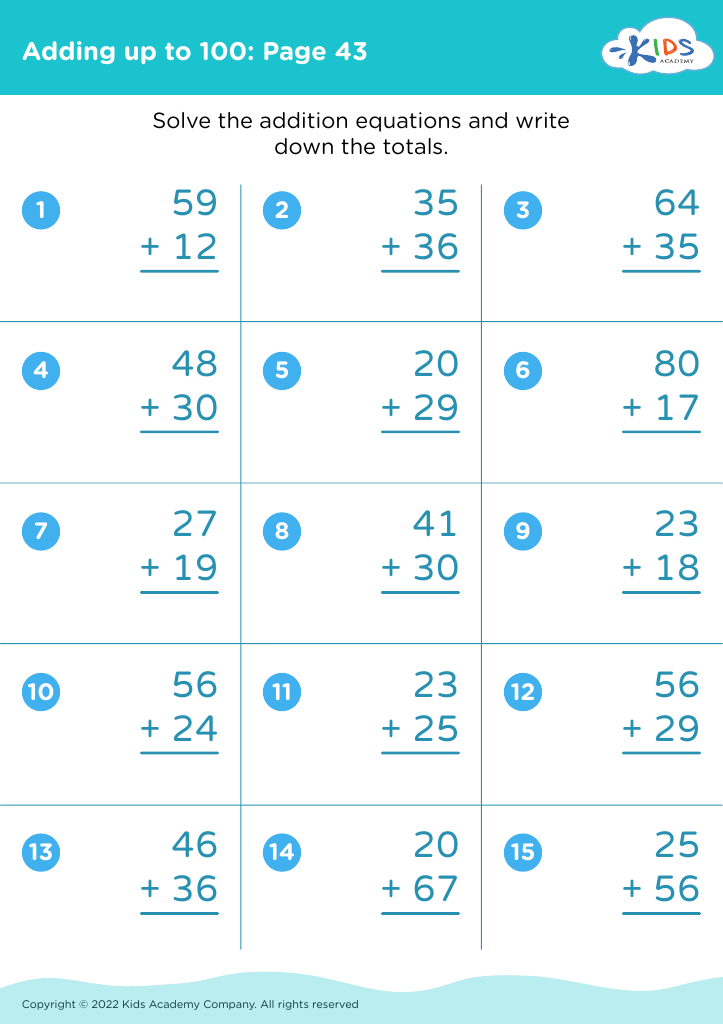
Adding up to 100: Page 43

Adding up to 100: Page 43

Adding up to 100: Page 43
Worksheet
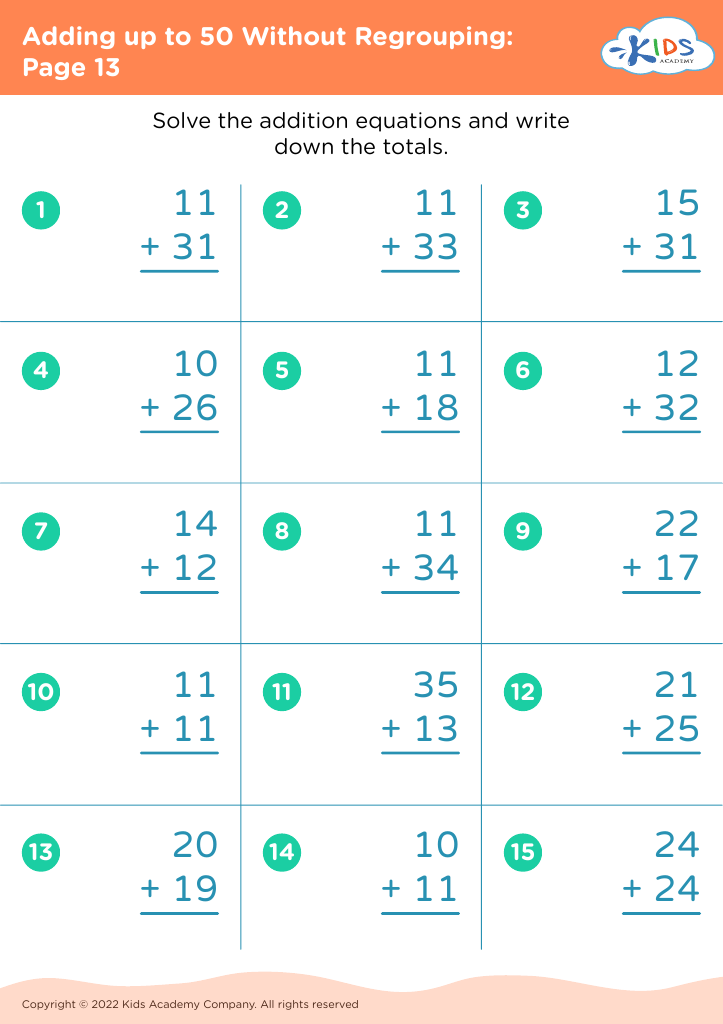
Adding up to 50 Without Regrouping: Page 13
Worksheet
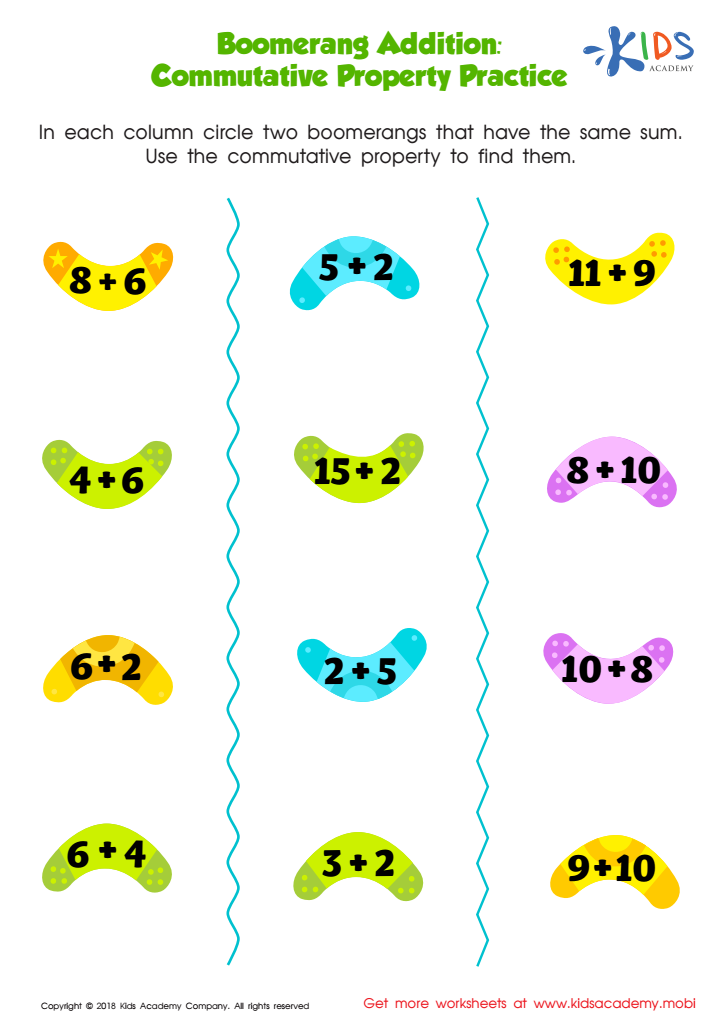
Boomerang Addition Worksheet

Boomerang Addition Worksheet

Kids know that when a boomerang is thrown, it reverses its path back. The same goes for addition: numbers can be rearranged and the sum will remain the same. Use this worksheet to find matching pairs of colorful boomerangs and equations. Look through each column and use the commutative property to find the pairs with the same sum.
Boomerang Addition Worksheet
Worksheet
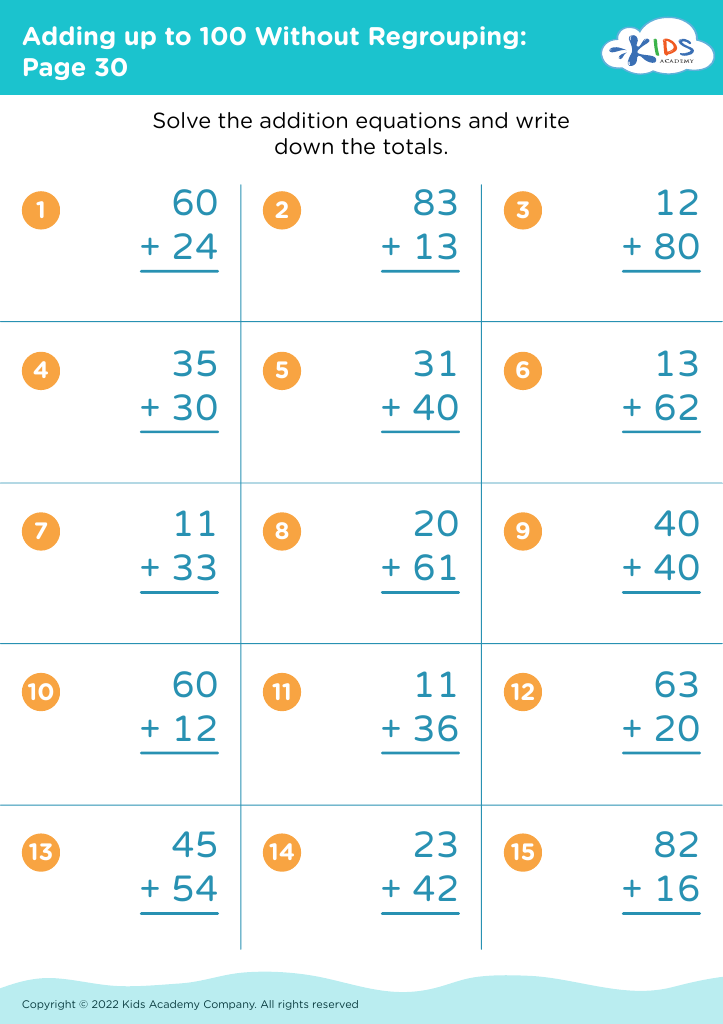
Adding up to 100 Without Regrouping: Page 30
Worksheet
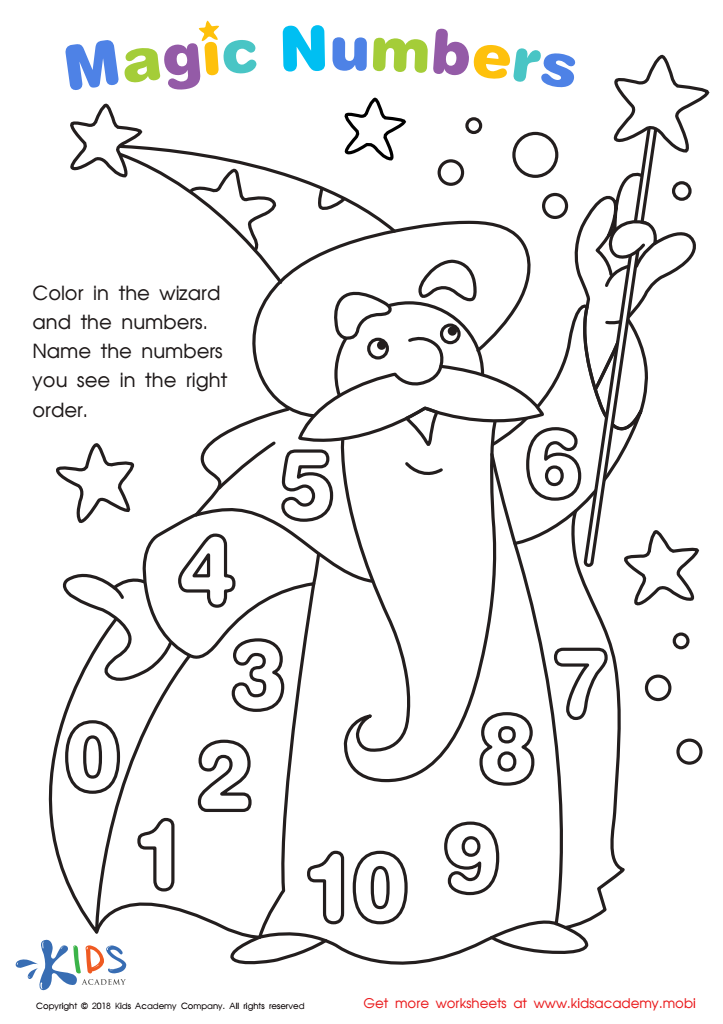
Magic Numbers Worksheet

Magic Numbers Worksheet

Does your child have an interest in magic? Here's something they'll love - a coloring sheet featuring a wizard! Ask them to name the numbers from smallest to highest, then let them pick colors to color in the wizard and the numbers. It's sure to excite them!
Download (PDF)
Assign to My Students
Magic Numbers Worksheet
Worksheet
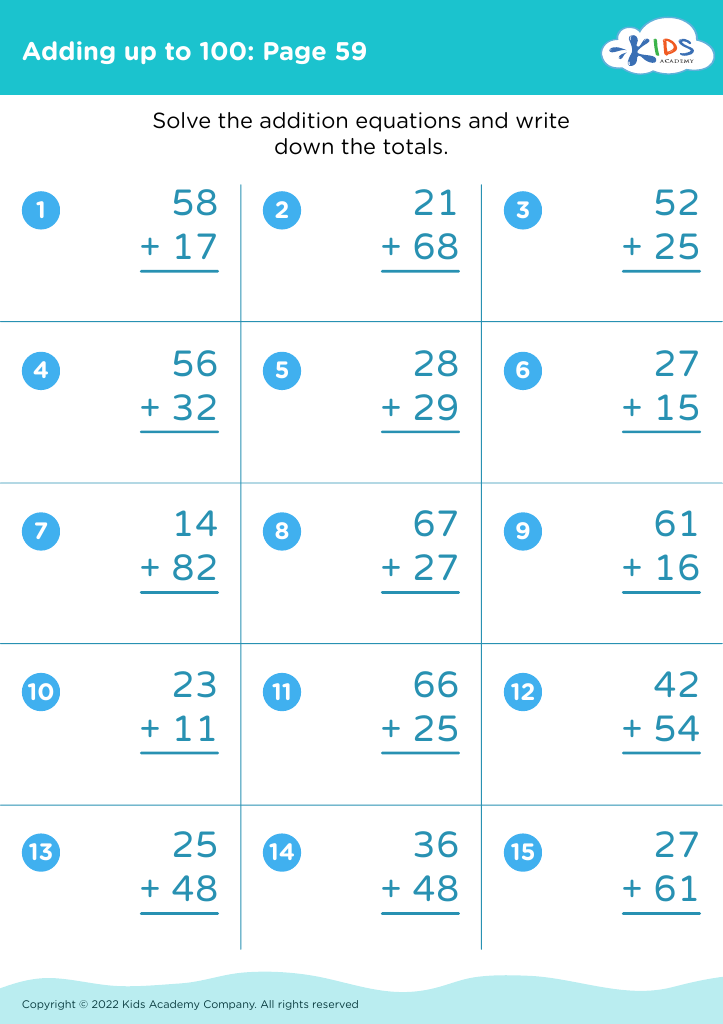
Adding up to 100: Page 59

Adding up to 100: Page 59

Adding up to 100: Page 59
Worksheet
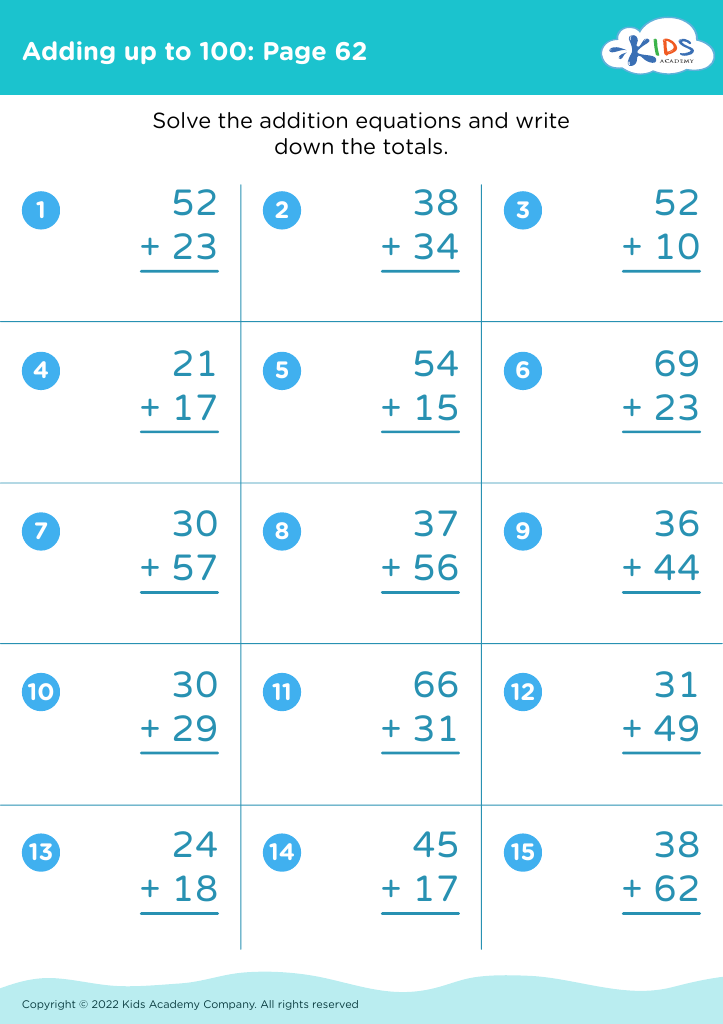
Adding up to 100: Page 62

Adding up to 100: Page 62

Adding up to 100: Page 62
Worksheet
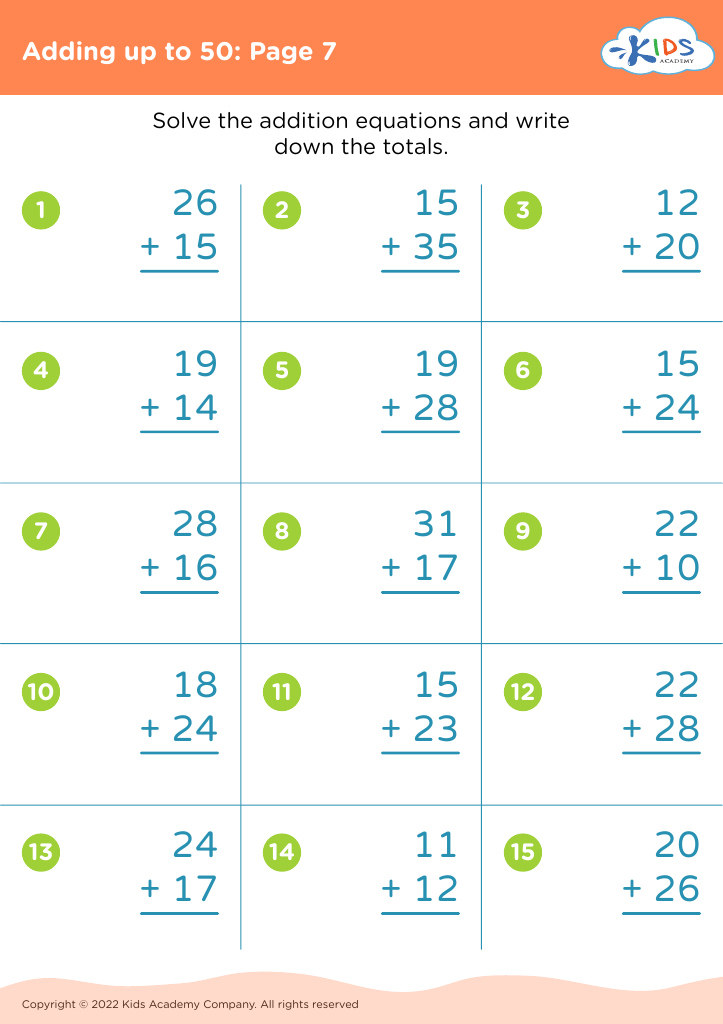
Adding up to 50: Page 7

Adding up to 50: Page 7

Adding up to 50: Page 7
Worksheet
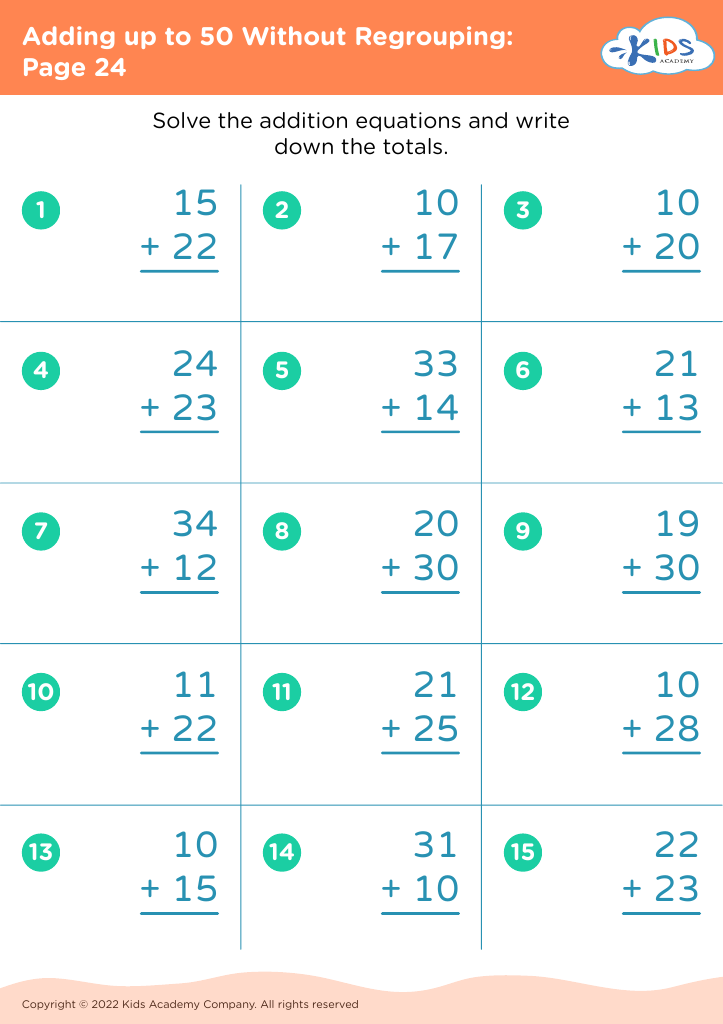
Adding up to 50 Without Regrouping: Page 24
Worksheet
Patchwork Math Worksheet

Patchwork Math Worksheet

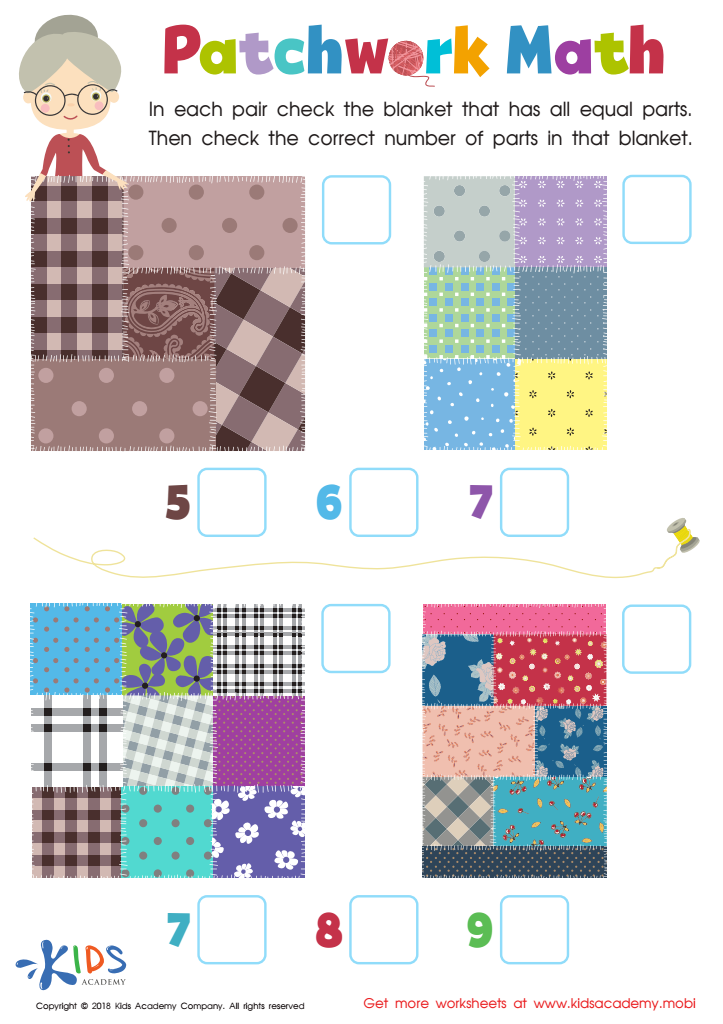
Test your children's knowledge with this colorful worksheet. They'll need to identify which of the blanket pairs have been cut in equal parts and count the number of parts. Check the provided options to ensure the correct answer.
Patchwork Math Worksheet
Worksheet
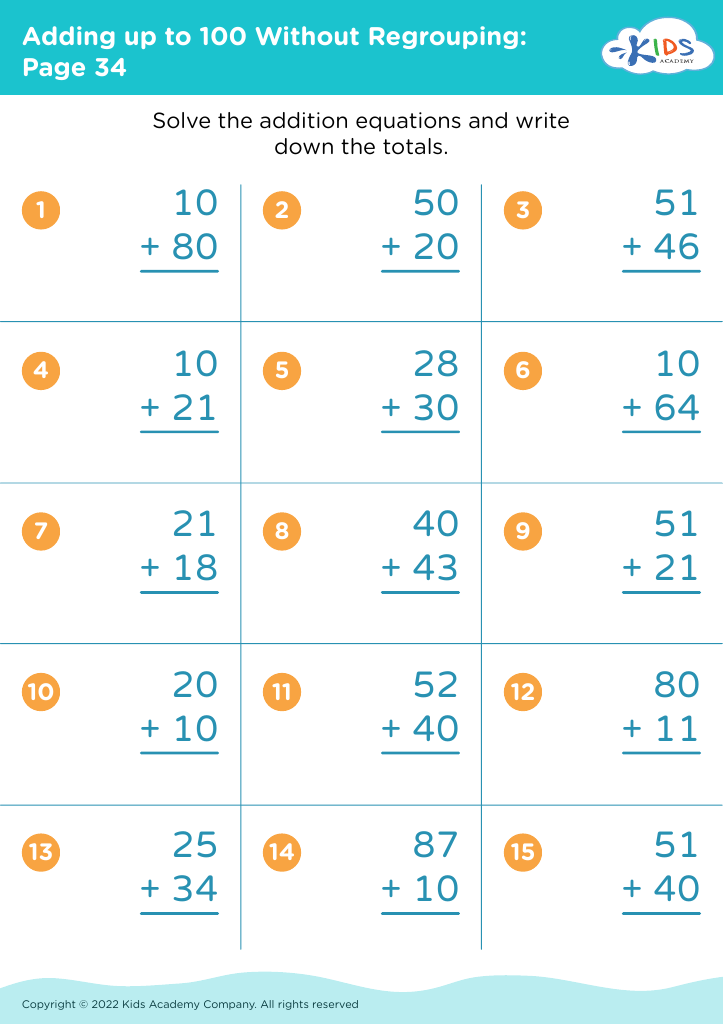
Adding up to 100 Without Regrouping: Page 34
Worksheet
Twos at the Zoo Worksheet
Twos at the Zoo Worksheet
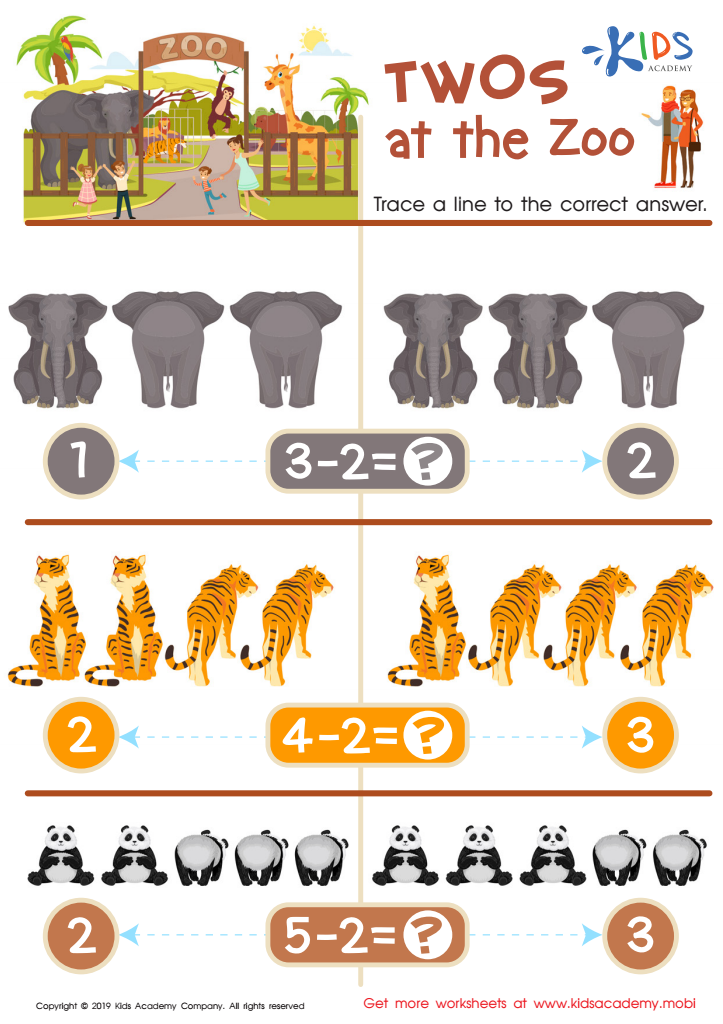
At the zoo, your kids can have fun with animals. Ask them to name their favorite ones and identify them in the printout. Count animals in each group together, then help your kids solve the equations and trace a line to the answer. It's an enjoyable way to combine learning and exploration!
Twos at the Zoo Worksheet

Worksheet
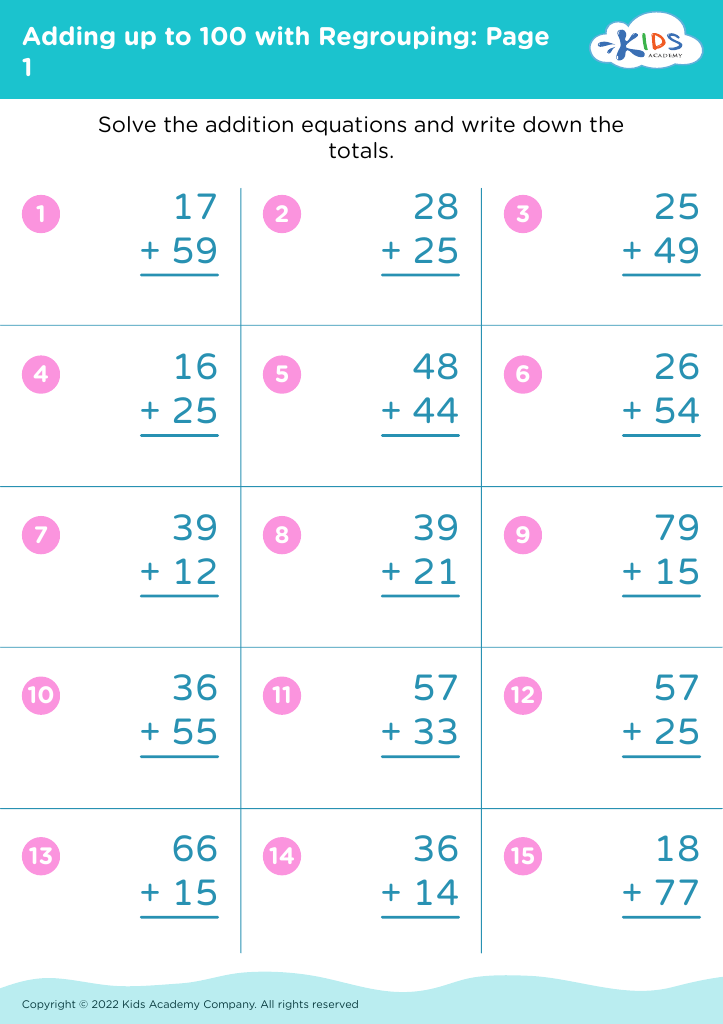
Adding up to 100 with Regrouping: Page 1
Worksheet
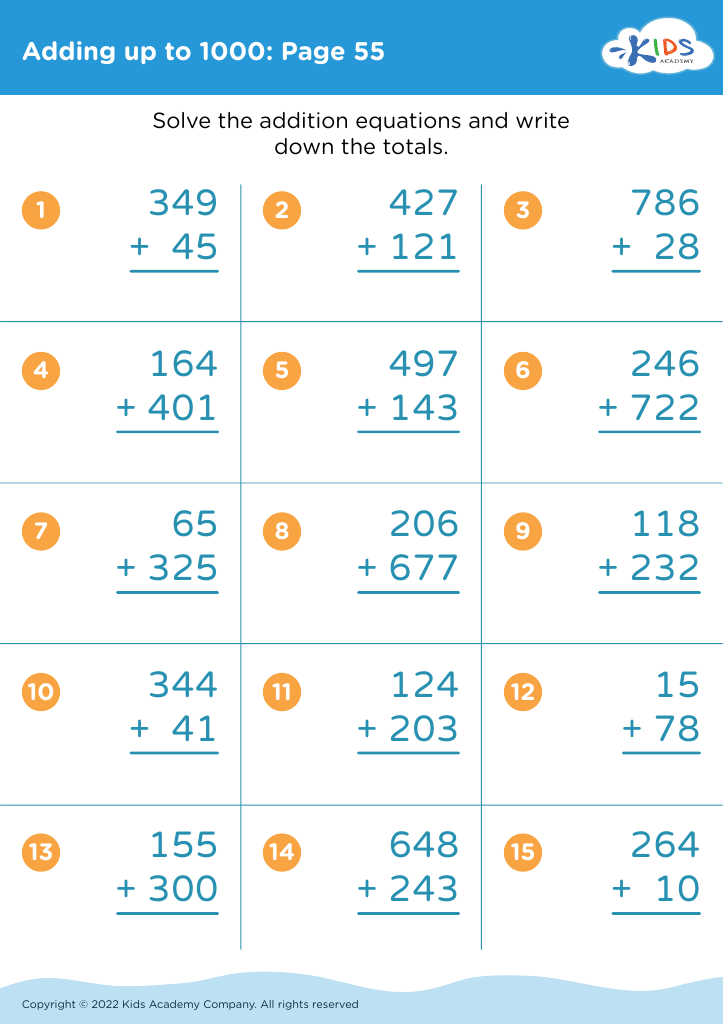
Adding up to 1000: Page 55

Adding up to 1000: Page 55

Adding up to 1000: Page 55
Worksheet
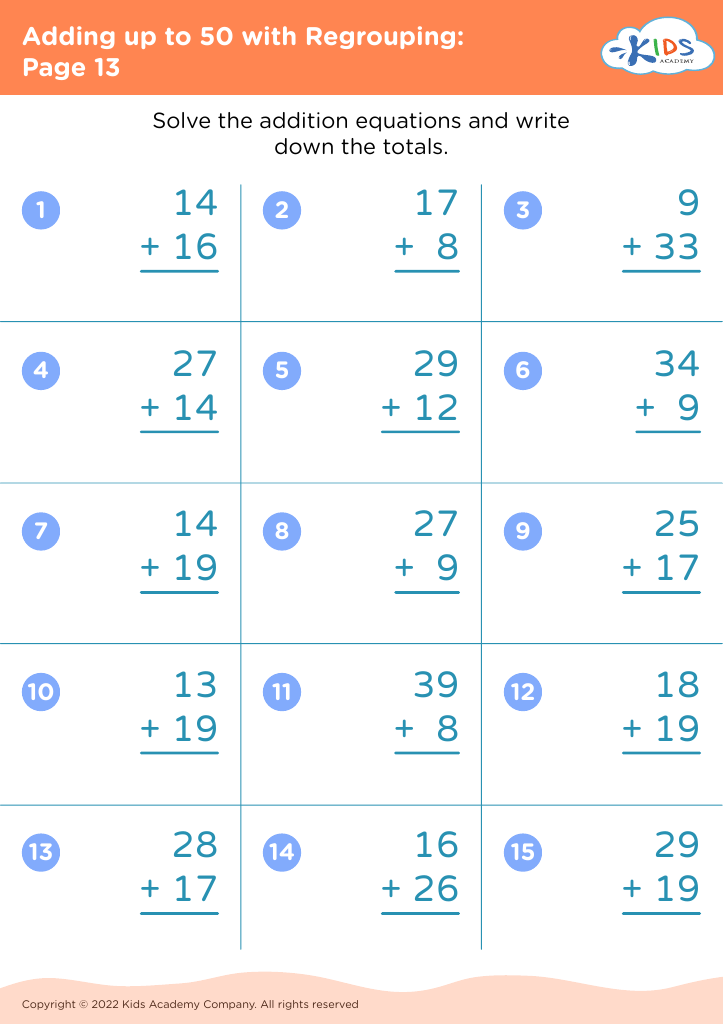
Adding up to 50 with Regrouping: Page 13
Worksheet
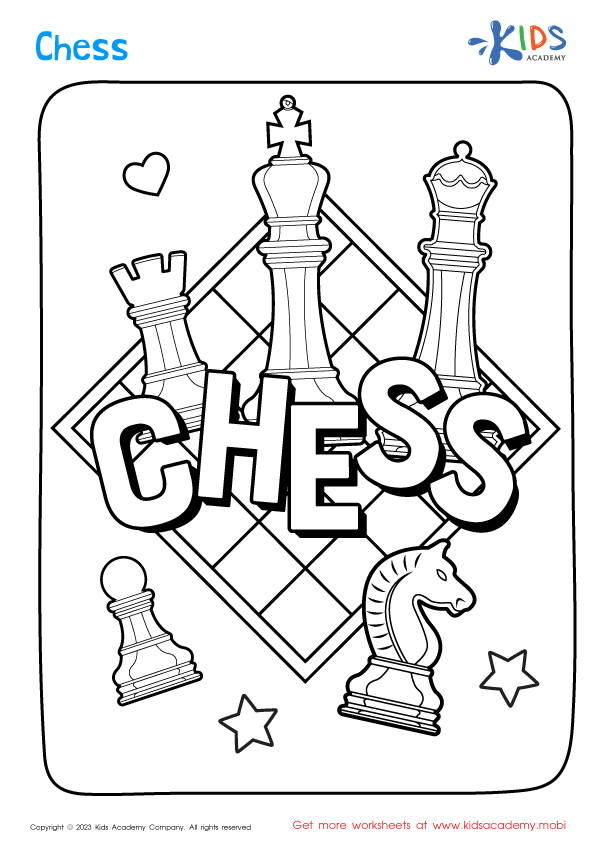
Chessboard Coloring Page

Chessboard Coloring Page

Chessboard Coloring Page
Worksheet
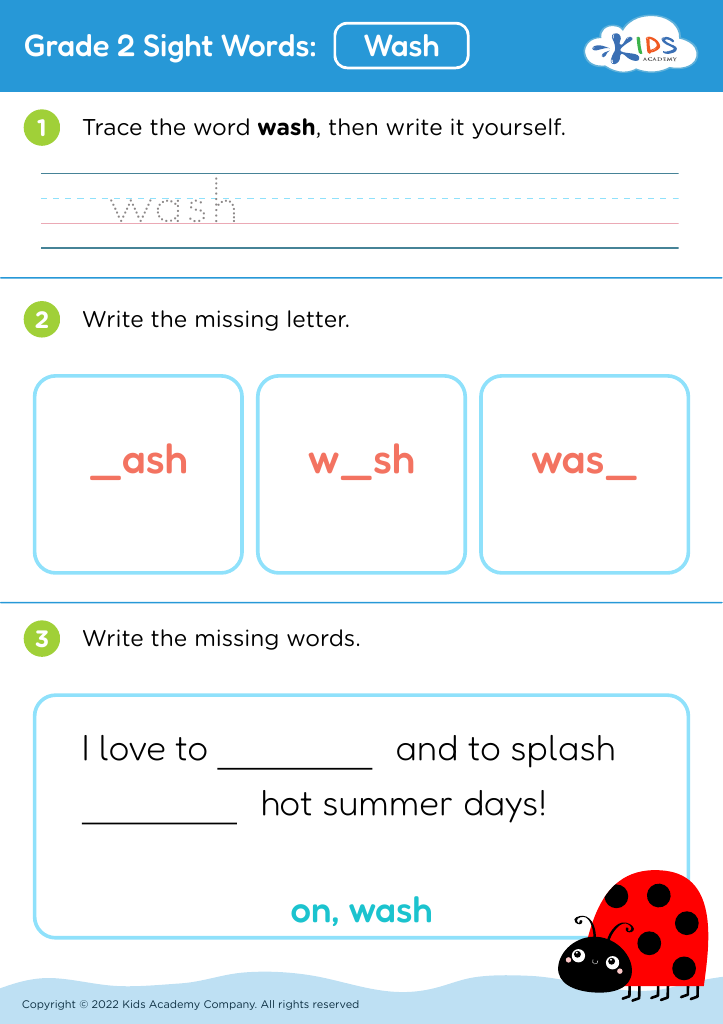
Grade 2 Sight Words: Wash

Grade 2 Sight Words: Wash

Grade 2 Sight Words: Wash
Worksheet
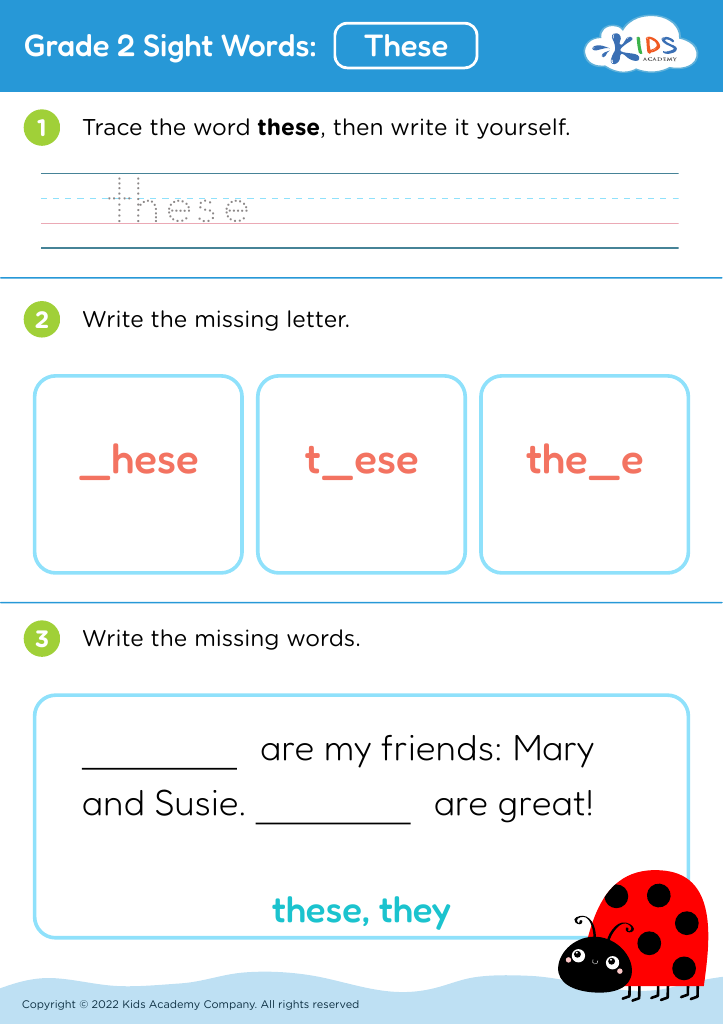
Grade 2 Sight Words: These

Grade 2 Sight Words: These

Grade 2 Sight Words: These
Worksheet
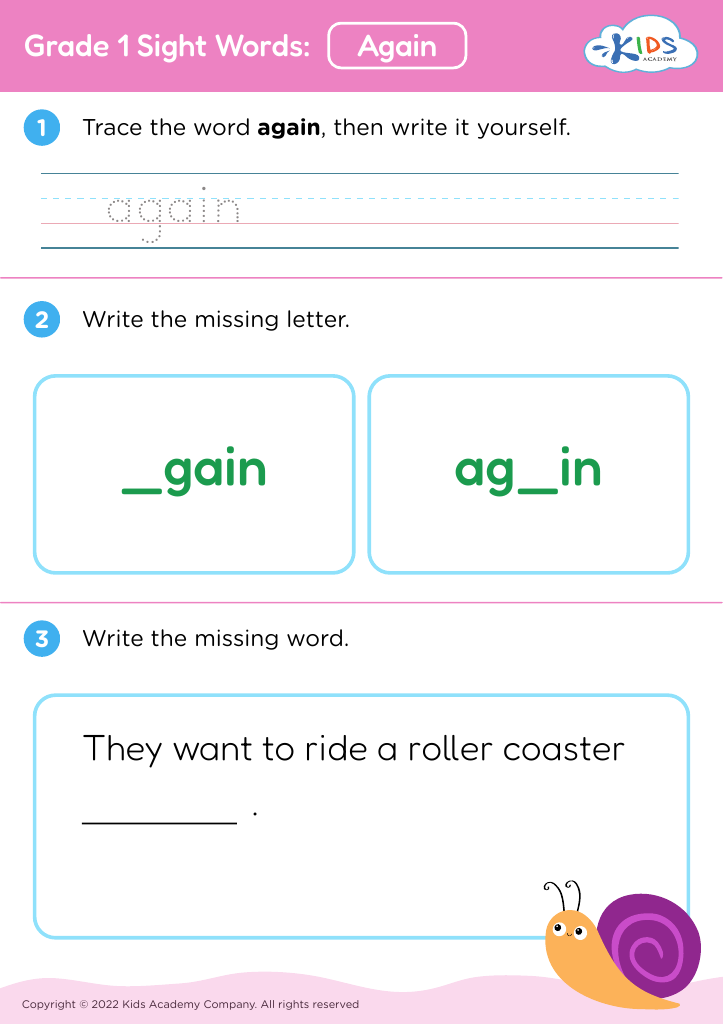
Grade 1 Sight Words: Again

Grade 1 Sight Words: Again

Grade 1 Sight Words: Again
Worksheet
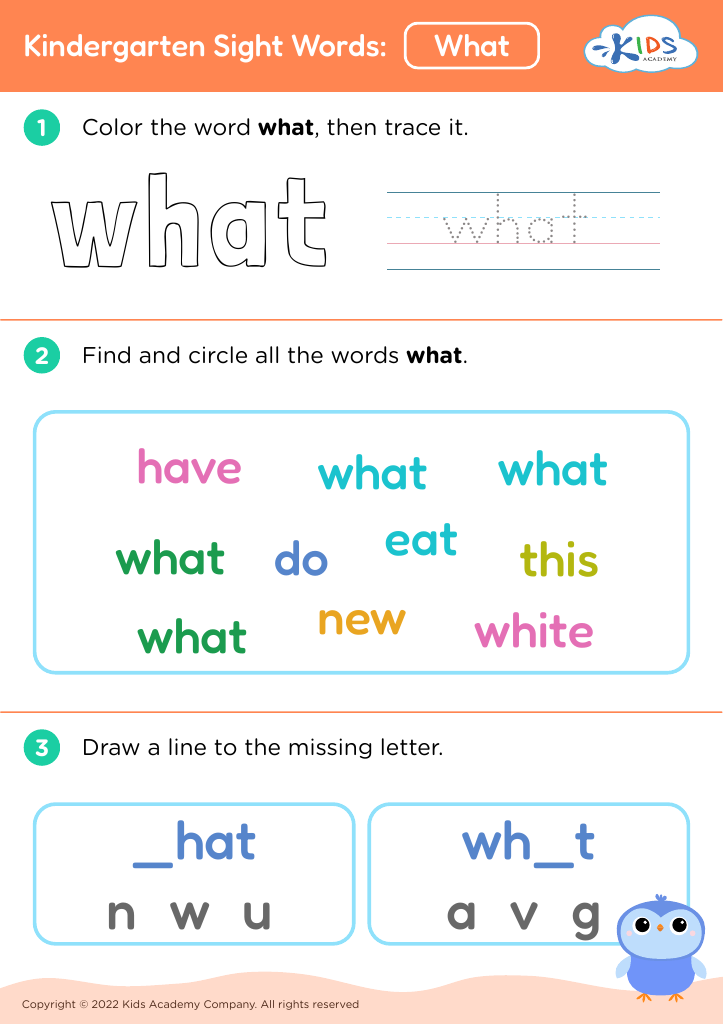
Kindergarten Sight Words: What

Kindergarten Sight Words: What

Kindergarten Sight Words: What
Worksheet
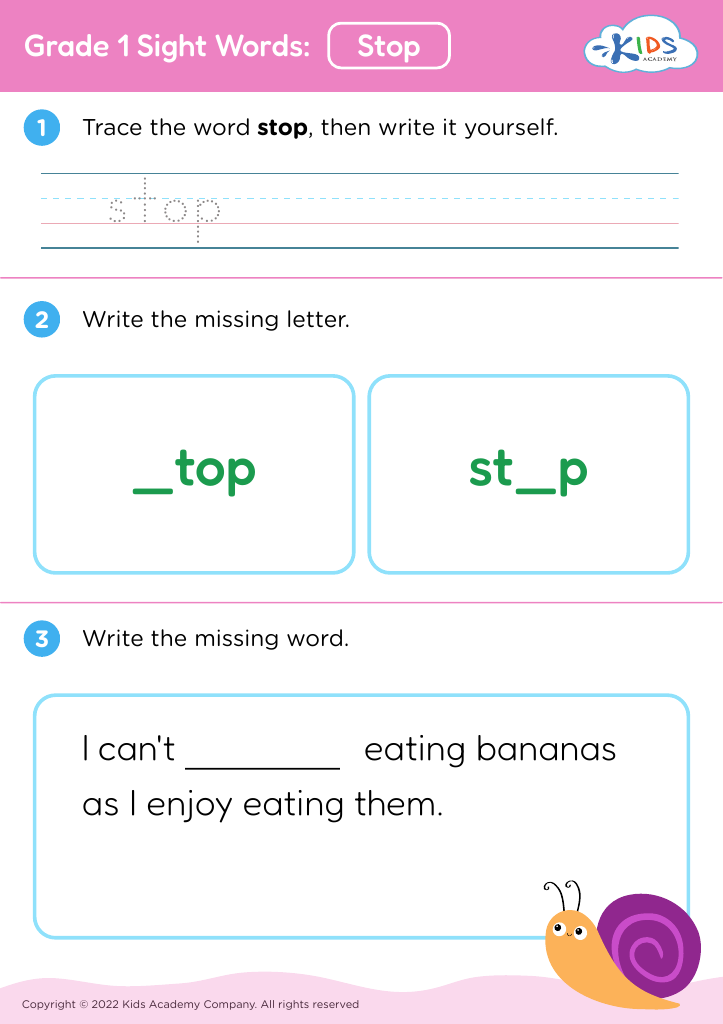
Grade 1 Sight Words: Stop

Grade 1 Sight Words: Stop

Grade 1 Sight Words: Stop
Worksheet


Understanding patterns is fundamental for children ages 6-7, because this skill forms the backbone of early math education, significantly influencing future learning. At this age, children start to comprehend how sequences and routines shape their world, facilitating critical thinking and problem-solving abilities. Mastery of patterns helps solidify their understanding of numbers, aiding in arithmetic operations like addition, subtraction, multiplication, and division, as these are often built on recognizing consistent sequences.

Moreover, recognizing patterns spur cognitive development. It hones observation, comparison, and analytical skills, which are essential for learning in other domains such as reading and science. For example, comprehension of letter patterns supports reading fluency, while recognizing empirical patterns bolsters scientific reasoning.

Patterns also foster creativity and a sense of order. Identifying patterns in art, music, and daily routines contributes to children's holistic development. Practicing this foundational skill enhances their confidence, builds resilience in problem-solving, and fuels a love for learning by making complex concepts accessible.

Parents and teachers play a crucial role by encouraging activities that reinforce pattern recognition. Providing opportunities to sort objects, complete sequence puzzles, or even observe daily patterns makes learning interactive and fun. Thus, understanding patterns is not merely an academic requirement but also a pivotal life skill nurtured at an early age.