Visual-spatial skills Worksheets for Ages 6-7
3 filtered results
-
From - To
Enhance your child's visual-spatial skills with our engaging worksheets designed for ages 6-7. These printable activities promote essential cognitive abilities such as visual recognition, spatial awareness, and problem-solving. Through fun and interactive exercises, children will learn to interpret and manipulate shapes, understand patterns, and improve their overall critical thinking. Our carefully crafted worksheets cater to young learners, making learning enjoyable and effective. Perfect for home or classroom use, these resources foster independence and creativity, helping children build a strong foundation for future learning. Explore the variety of visual-spatial challenges we offer and watch your child's confidence and skills grow!
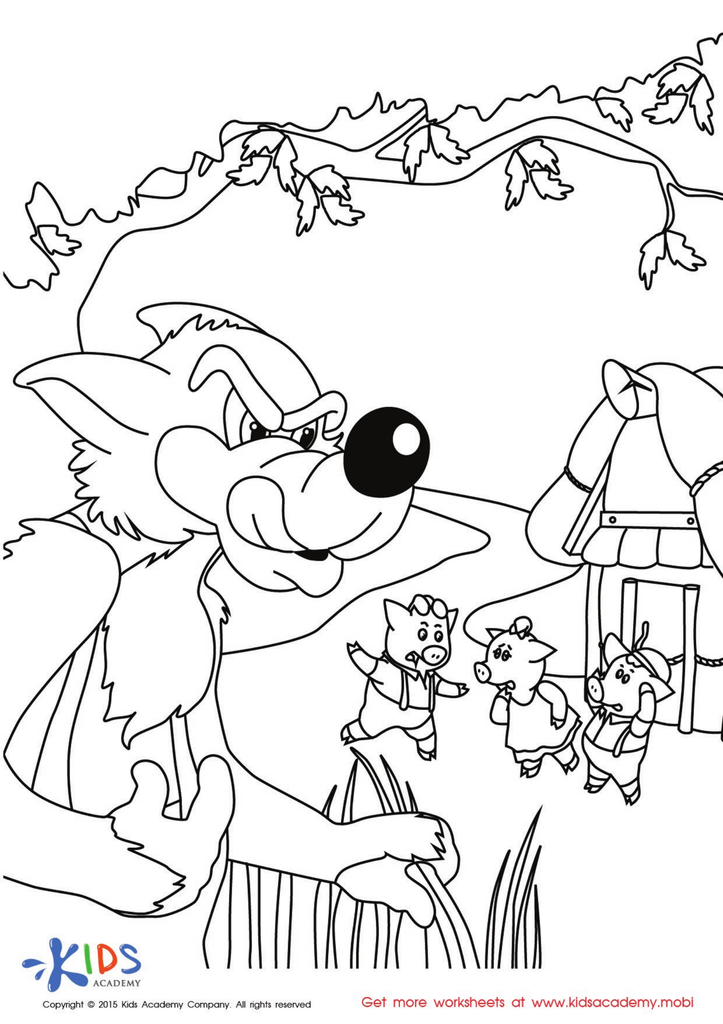
The Story of the Three Little Pigs Coloring Worksheet
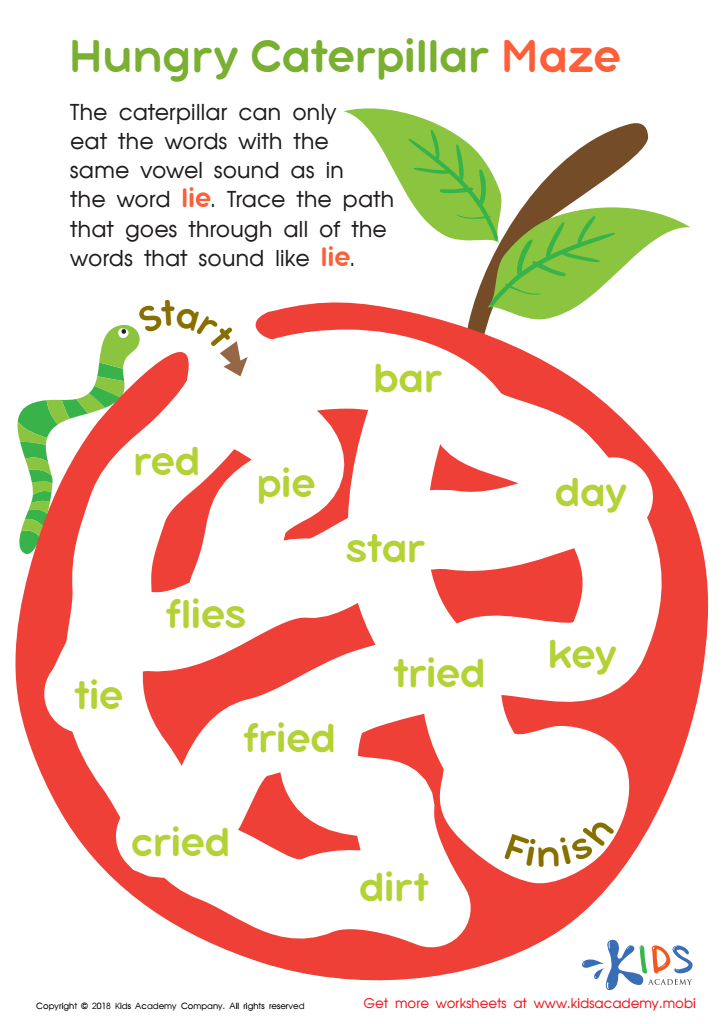
Hungry Caterpillar Maze Worksheet
 Assign to My Students
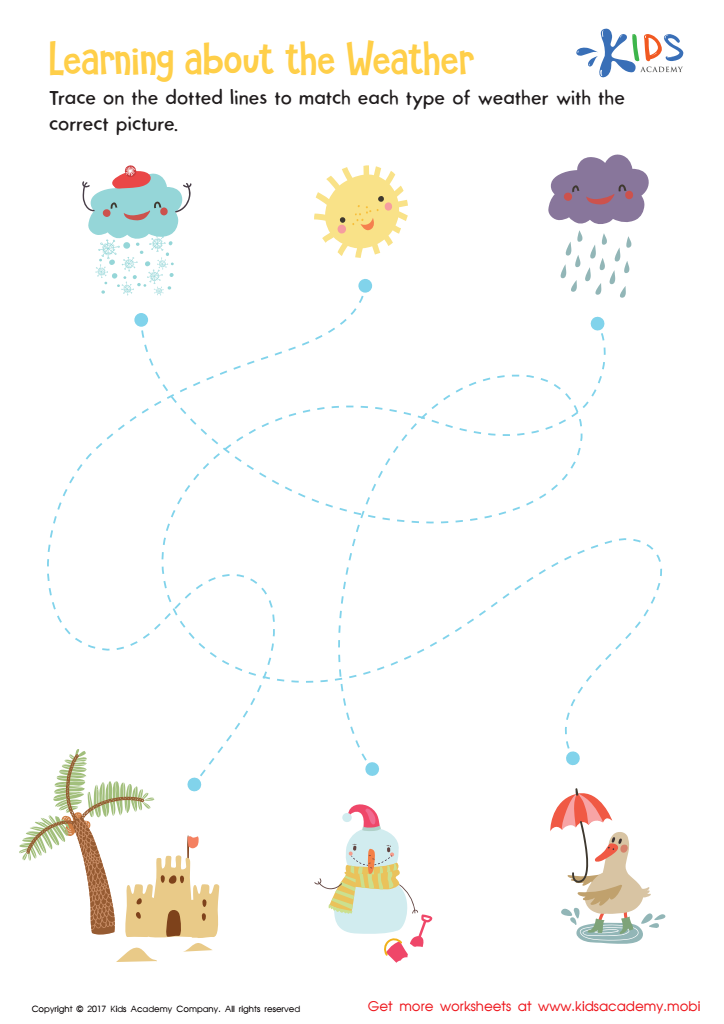







Visual-spatial skills are essential cognitive abilities that help children understand and interact with the world around them. For ages 6-7, developing these skills is crucial, as they form the foundation for various academic and life competencies. Visual-spatial skills enable children to recognize shapes, understand directions, and visualize objects in different contexts. These skills play a vital role in subjects like mathematics, science, and art, where spatial reasoning is essential for solving problems and creating projects.
Parents and teachers should care about these skills because they directly impact a child's ability to succeed in school and beyond. Children with well-developed visual-spatial skills often excel in activities that require problem-solving and critical thinking. Moreover, these skills are linked to success in STEM (Science, Technology, Engineering, and Mathematics) fields, which are increasingly important in our technology-driven society.
Support for visual-spatial skill development can come through engaging activities such as puzzles, building blocks, and drawing. By fostering these skills in early education, parents and teachers can help children gain confidence, enhance their learning experiences, and set the stage for future academic and career success. In short, nurturing visual-spatial skills in young children is an investment in their overall growth and potential.








