Mathematical reasoning Addition Facts Worksheets for Ages 6-7
4 filtered results
-
From - To
Enhance your child's mathematical skills with our "Mathematical Reasoning Addition Facts Worksheets" designed for ages 6-7. These expertly crafted worksheets offer engaging exercises that help young learners master fundamental addition facts, improving their number fluency and problem-solving abilities. Through a variety of fun and challenging activities, kids strengthen their understanding of mathematical concepts and develop essential reasoning skills. Perfect for both classroom use and at-home practice, these worksheets make learning addition enjoyable and effective. Give your child the tools they need to build a strong math foundation and succeed in their educational journey.
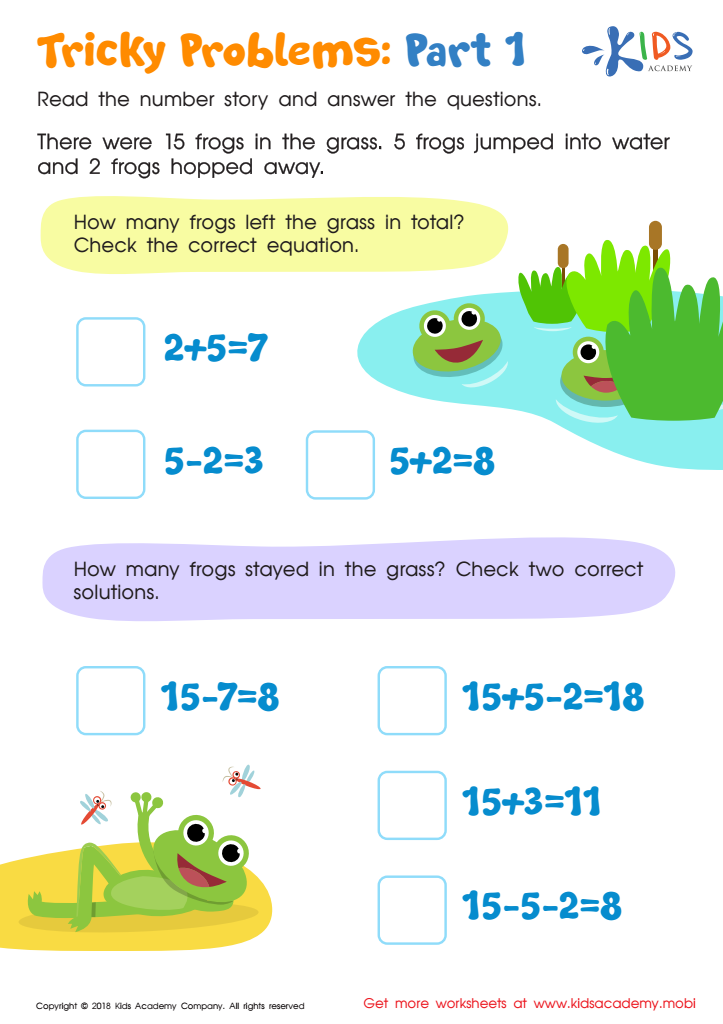
Tricky Problems Worksheet: Part 1
 Assign to My Students
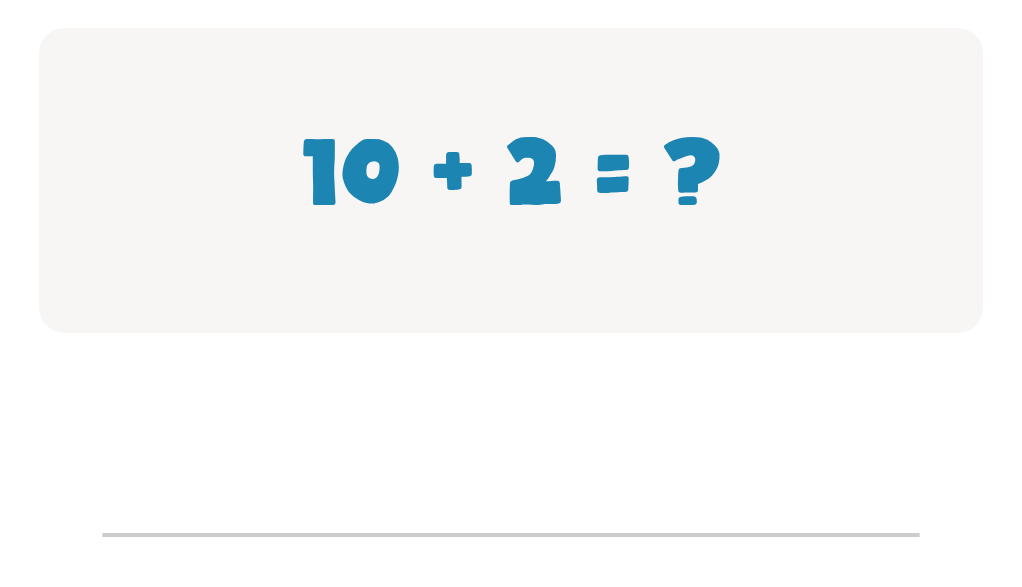

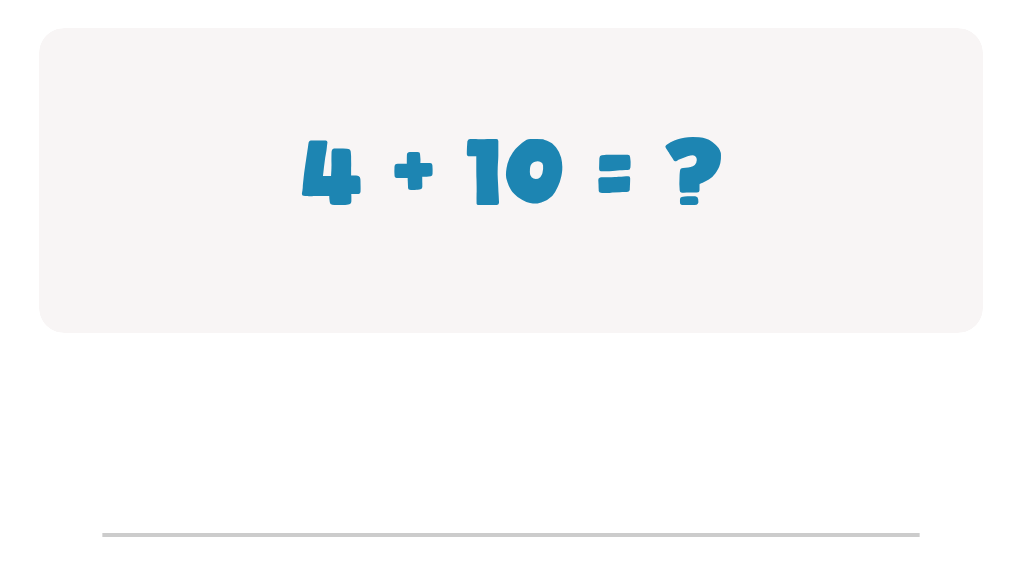
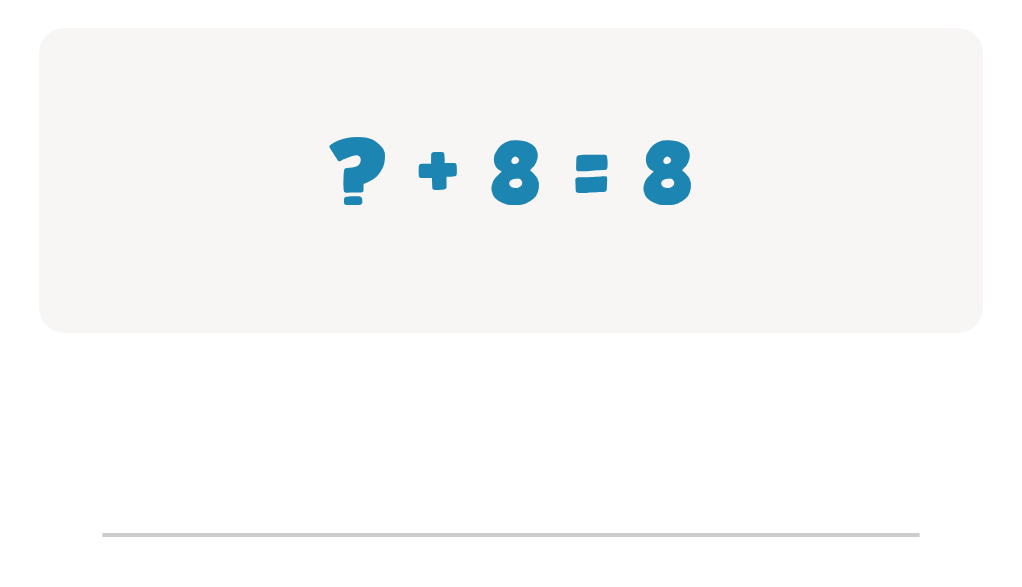

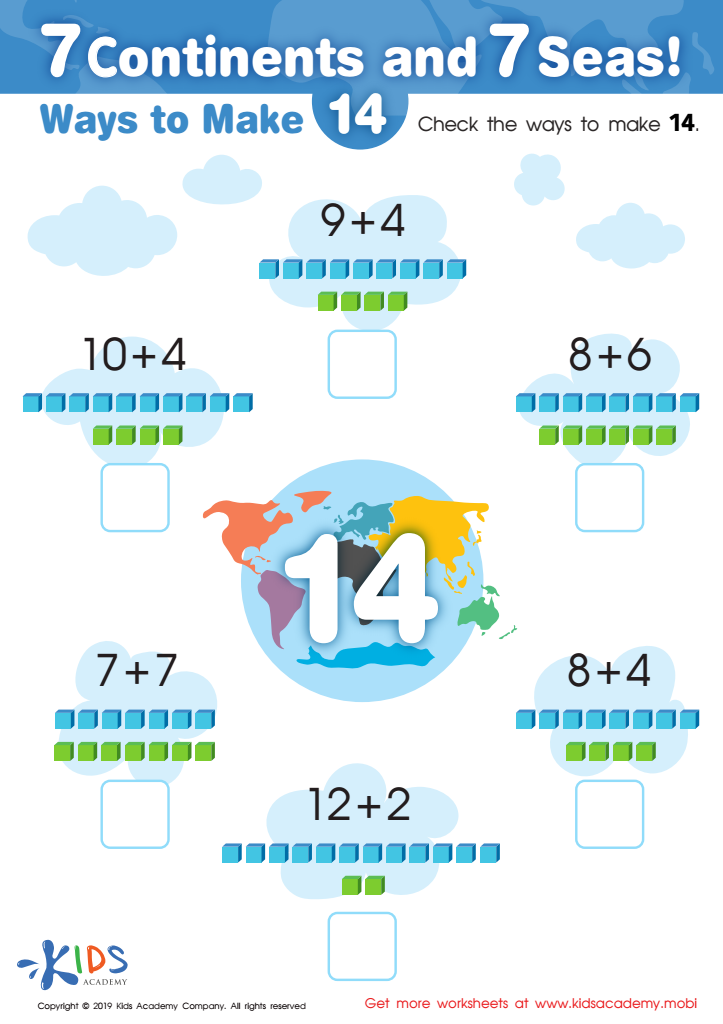
7 Continents and 7 Seas Worksheet
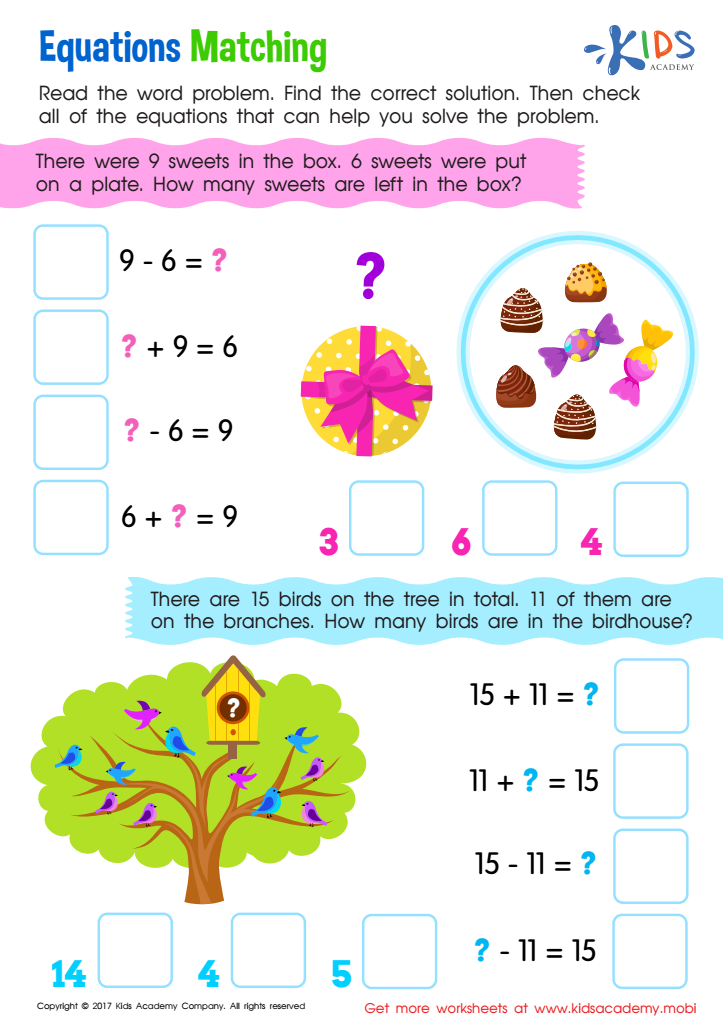
Equations Matching Word Problems Worksheet
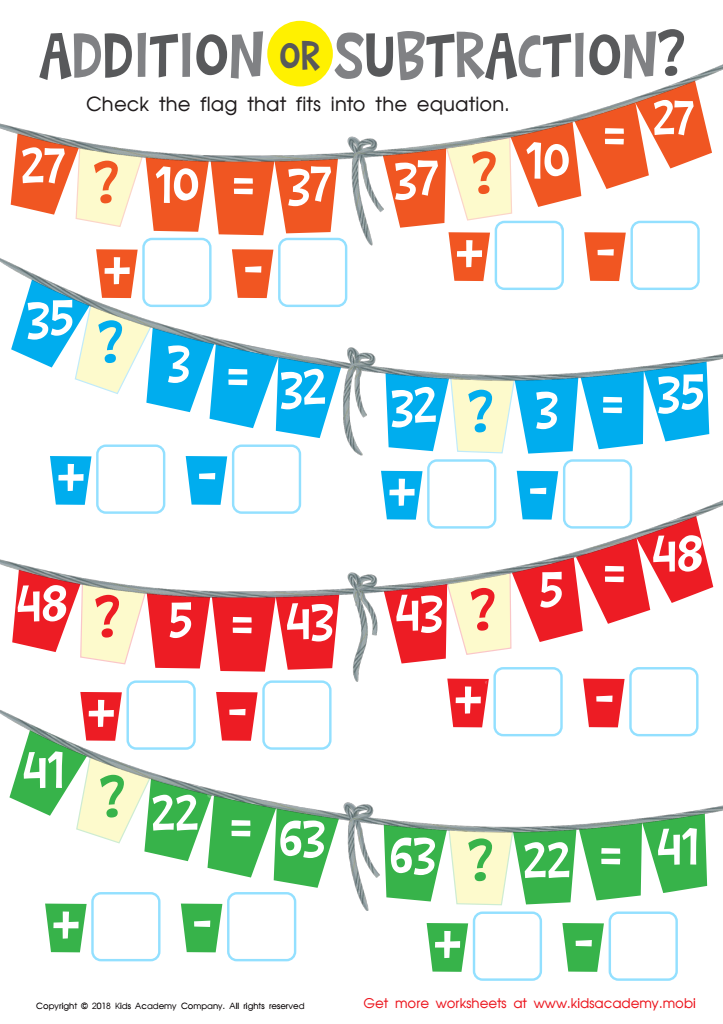
Addition or Subtraction? Worksheet








Mathematical reasoning and familiarity with addition facts are foundational skills for children aged 6-7, which is usually the age range for first and second graders. During these formative years, a solid grasp of addition helps set the stage for future math success and literacy in problem-solving.
Firstly, knowing their addition facts provides children with the basic tools necessary to tackle more complex mathematical concepts, such as subtraction, multiplication, and division. It builds their confidence, making them more willing to engage with math problems and reducing math anxiety. Early successes in addition build a positive attitude toward math, fostering a growth mindset critical for long-term academic success.
Furthermore, addition facts aid in developing cognitive skills associated with logical thinking and pattern recognition. These skills are not only applicable in math but also beneficial across various subjects and real-life situations. For instance, they enable children to follow recipes, manage time, and understand financial transactions from a young age.
Teachers and parents should prioritize these skills to detect and address any learning difficulties early on. Intervention can ensure that no child falls behind, thereby promoting equitable learning opportunities. Altogether, nurturing mathematical reasoning and mastery of addition facts at this critical age lays a robust educational foundation, encouraging lifelong learning and problem-solving skills.








