Identifying fractions Addition & Subtraction Worksheets for Ages 6-7
4 filtered results
-
From - To
Discover engaging "Identifying Fractions Addition & Subtraction Worksheets" designed for children aged 6-7. These worksheets provide a fun and interactive way for young learners to grasp the basics of fractions while practicing essential addition and subtraction skills. Each worksheet features vibrant illustrations and age-appropriate problems that encourage children to recognize fractions in everyday scenarios. With step-by-step guidance, these resources help build confidence and ensure a solid mathematical foundation. Perfect for home or classroom use, these worksheets make learning about fractions enjoyable, promoting both understanding and practice in a crucial early math concept. Unlock your child's mathematical potential today!
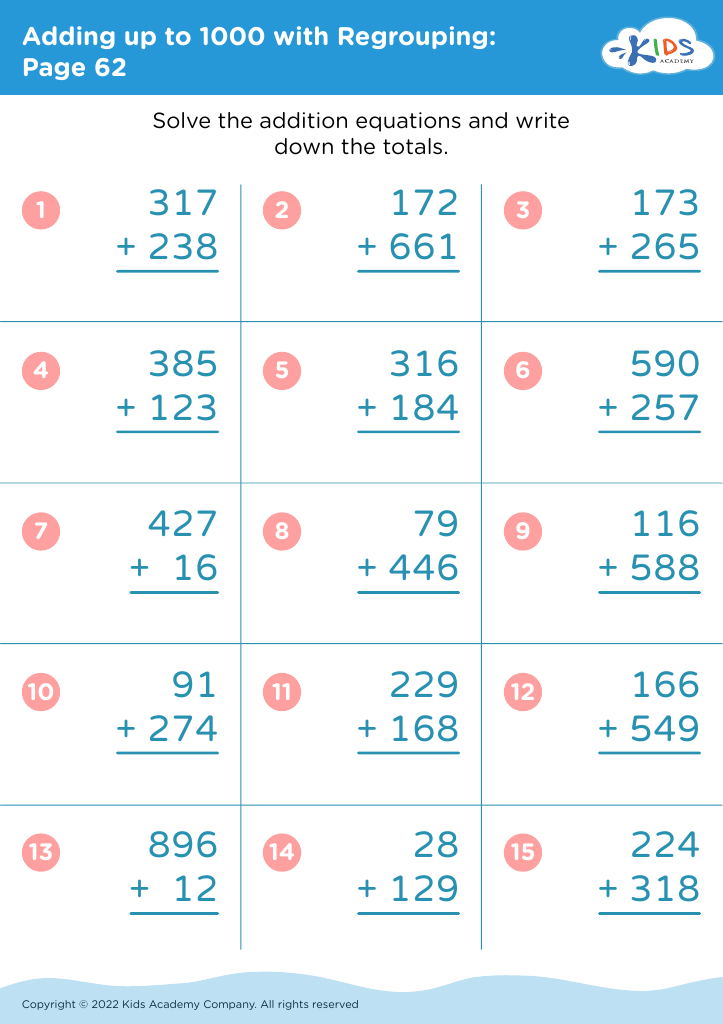
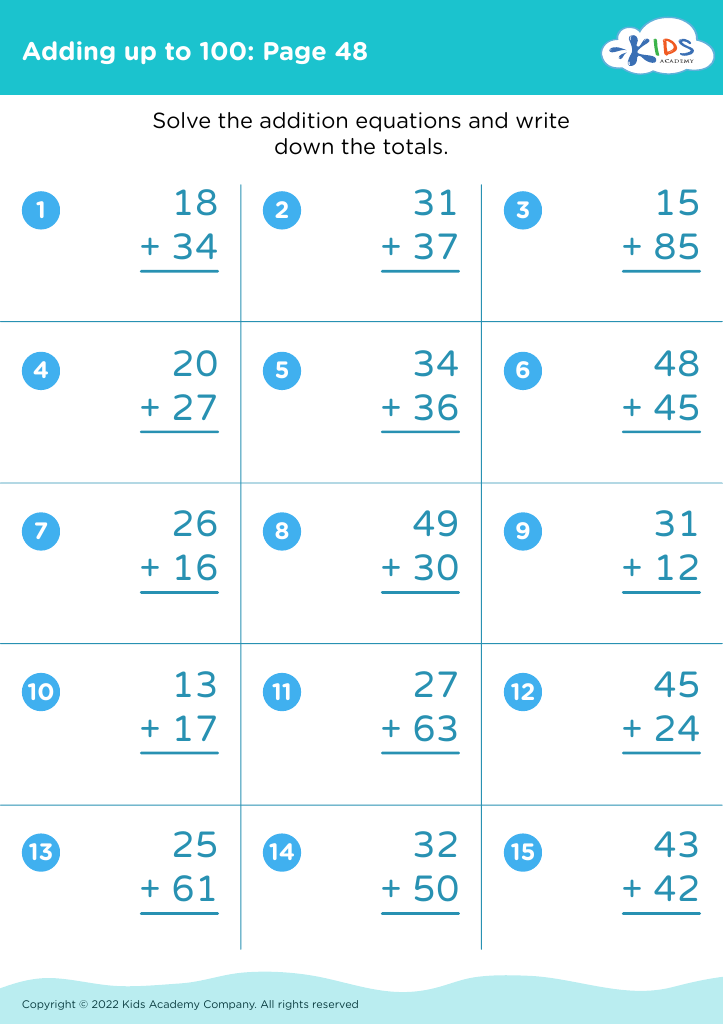
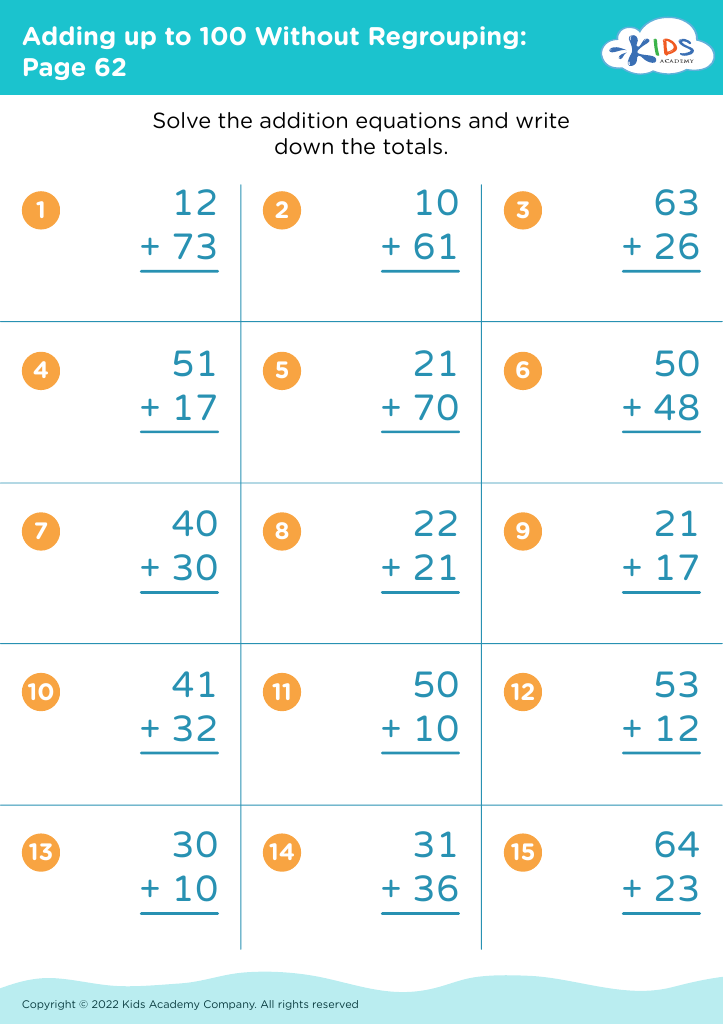
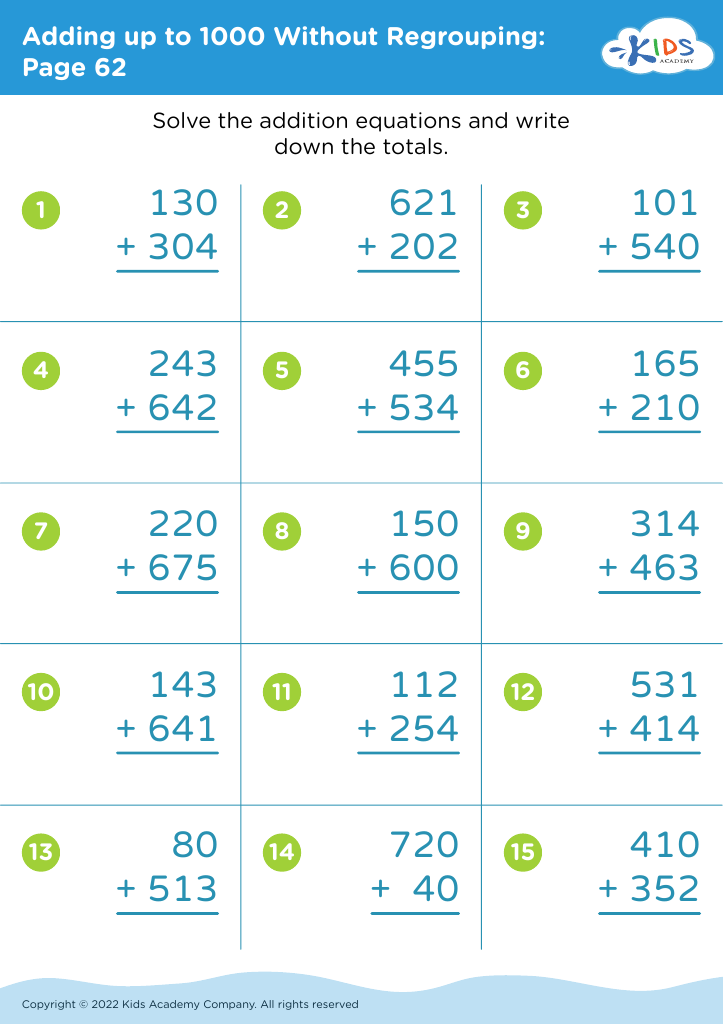








Identifying fractions and mastering addition and subtraction of fractions is crucial for children aged 6-7 due to several key reasons. At this developmental stage, children are beginning to understand numerical concepts and relationships. Teaching them about fractions lays the groundwork for more advanced mathematics in later years. By recognizing and operating with fractions, children learn how to partition whole objects, which enhances their understanding of division and ratios.
Furthermore, engaging with fractions fosters critical thinking and problem-solving skills. When children navigate problems involving fractions, they must analyze and make decisions about how to combine or separate parts effectively, which sharpens their cognitive abilities.
For parents and teachers, focusing on this aspect of math promotes a solid foundation in mathematics. It cultivates a positive attitude toward math as students see fascinating applications of fractions in real life, such as cooking, sharing, or art. Making these connections boosts engagement and encourages students to explore further. In summary, understanding fractions is not just about math; it's about developing essential skills that will benefit children across subjects and throughout their academic journeys.








