
Improve math skills Addition & Subtraction Worksheets for Ages 6-7
17 filtered results
Difficulty Level
Grade
Age
-
From - To
Subject
Activity
Standards
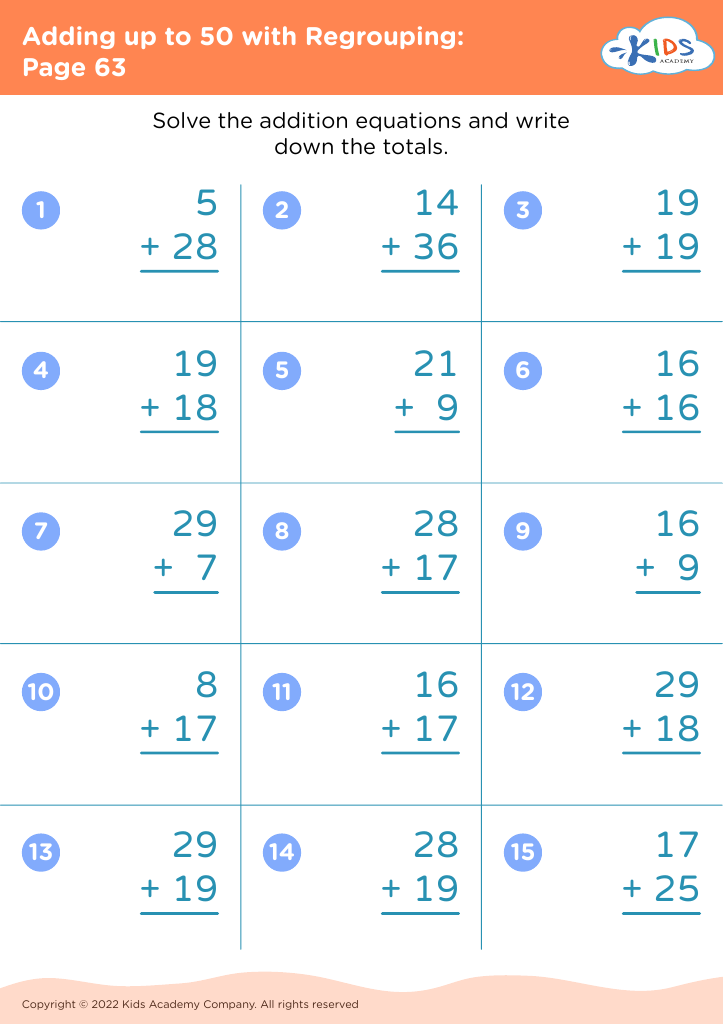
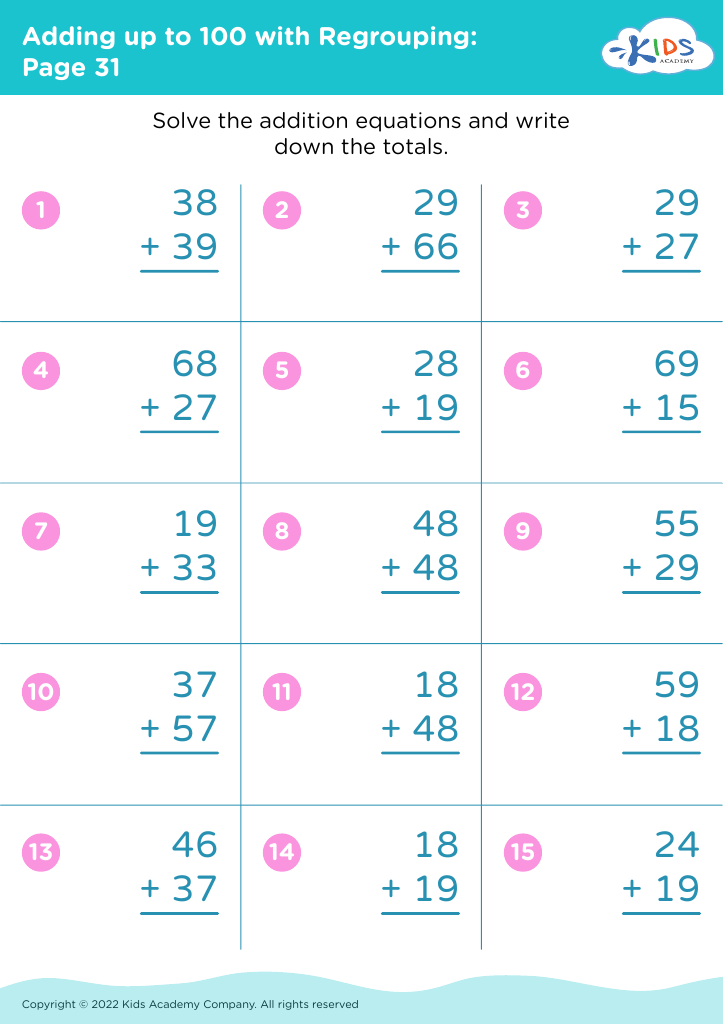
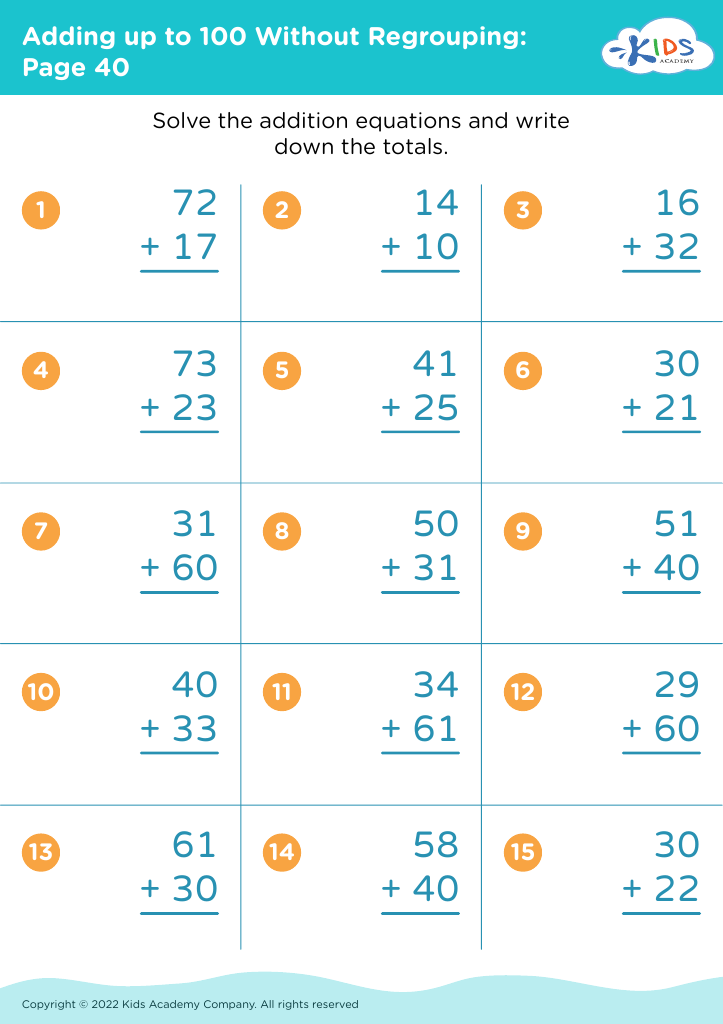
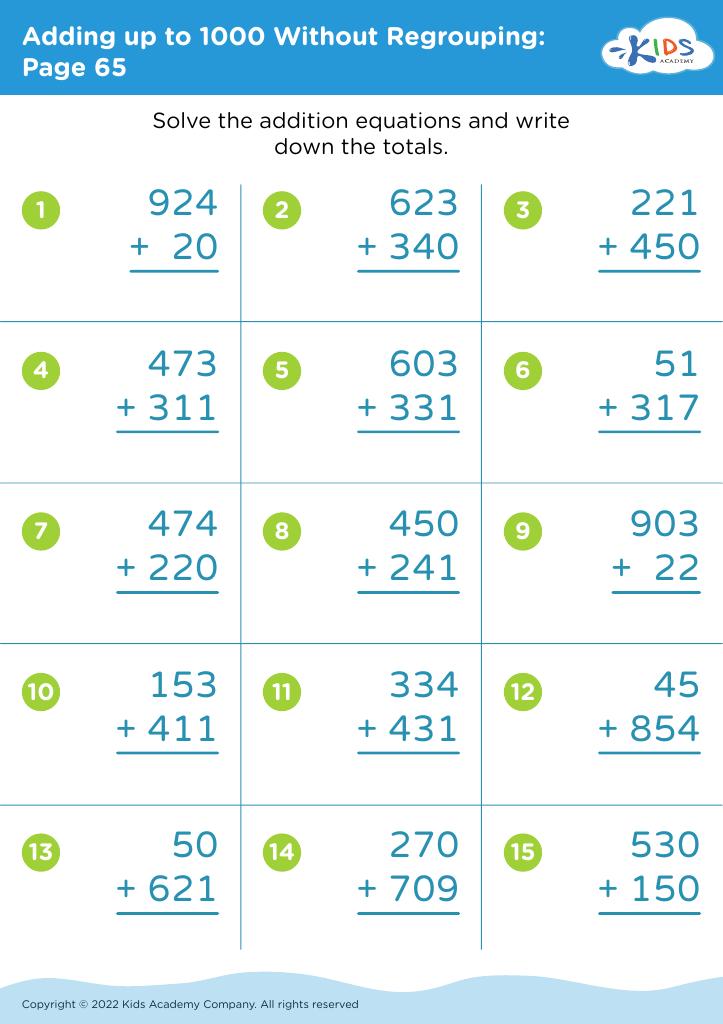
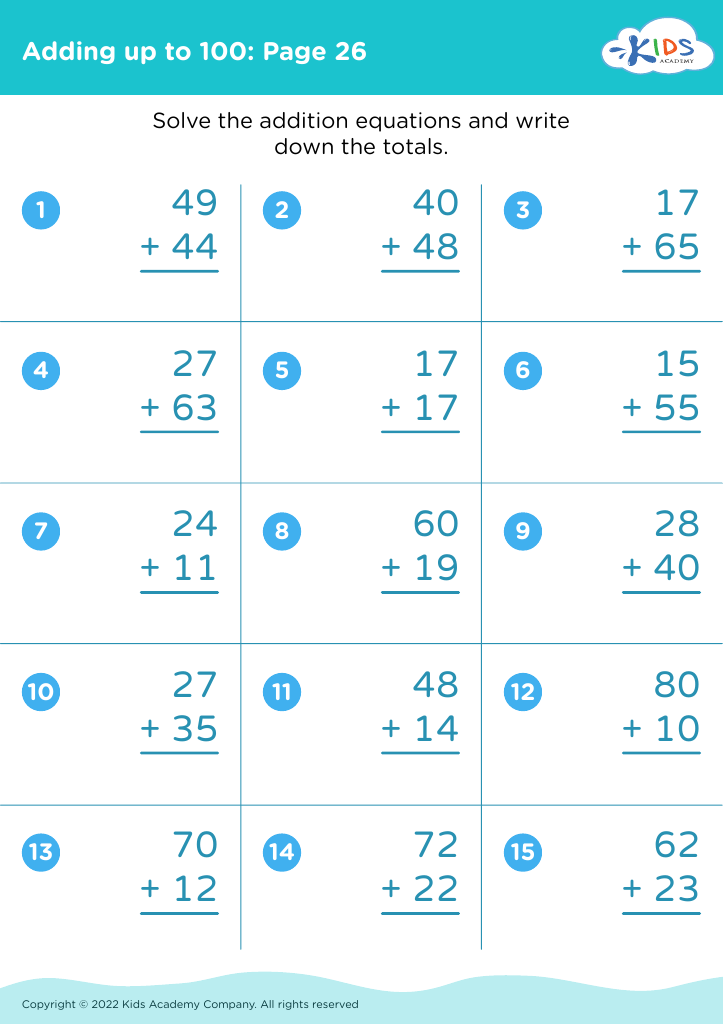
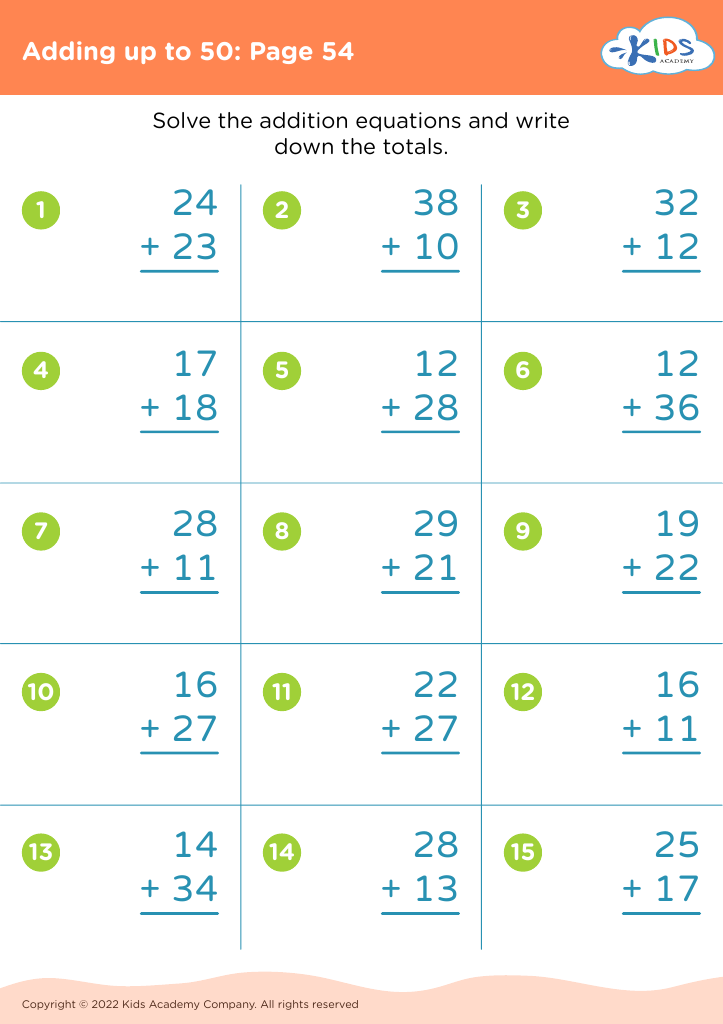
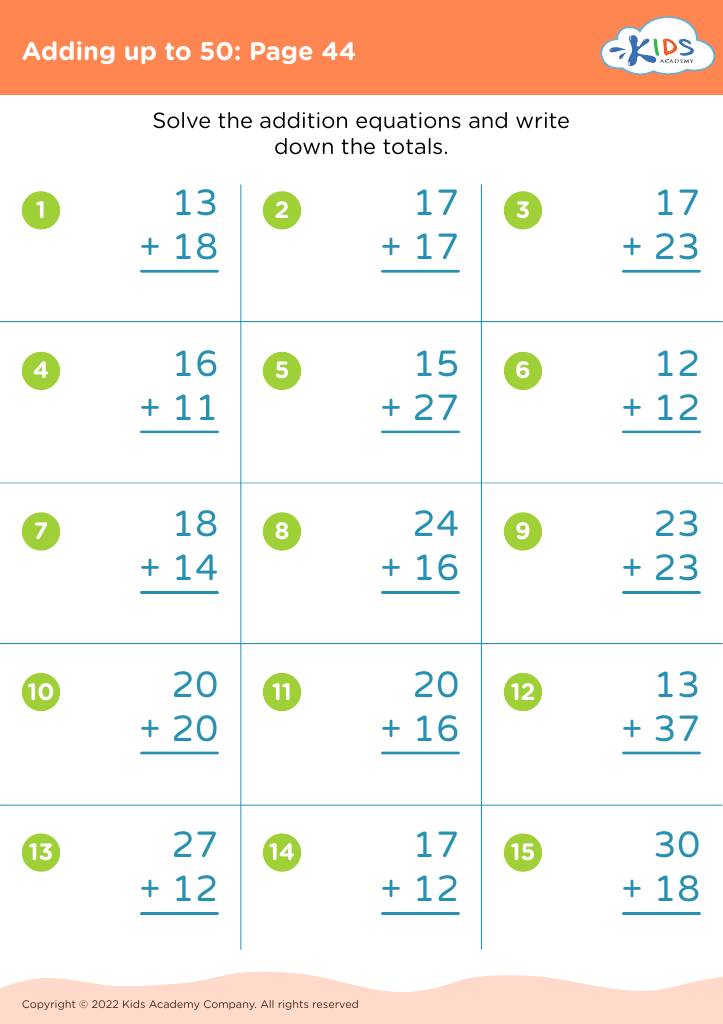
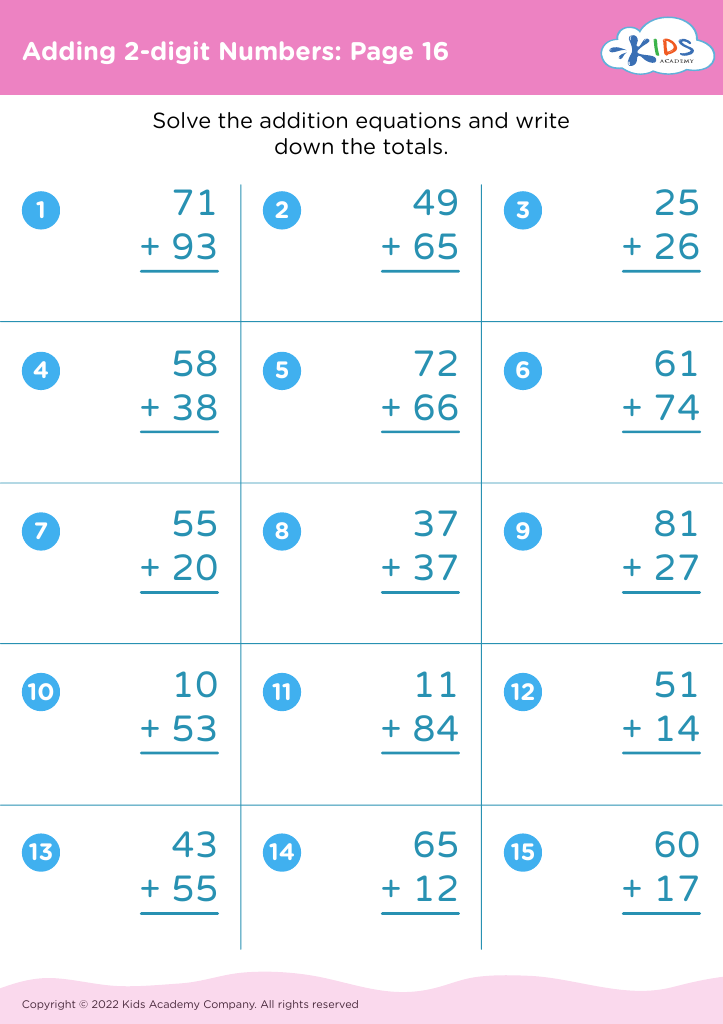
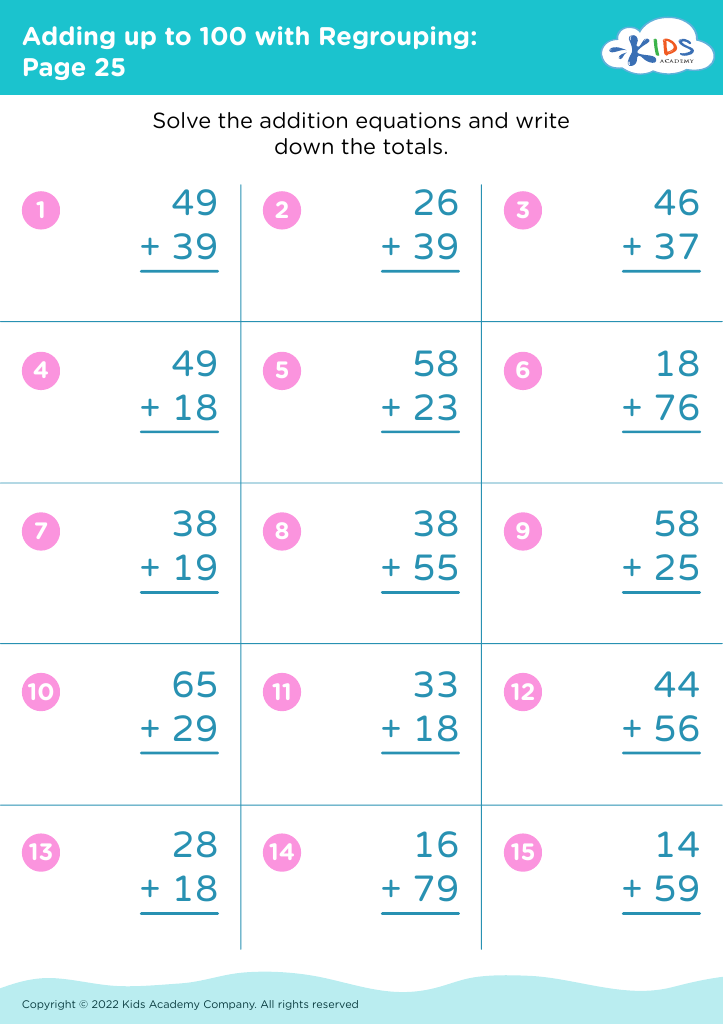
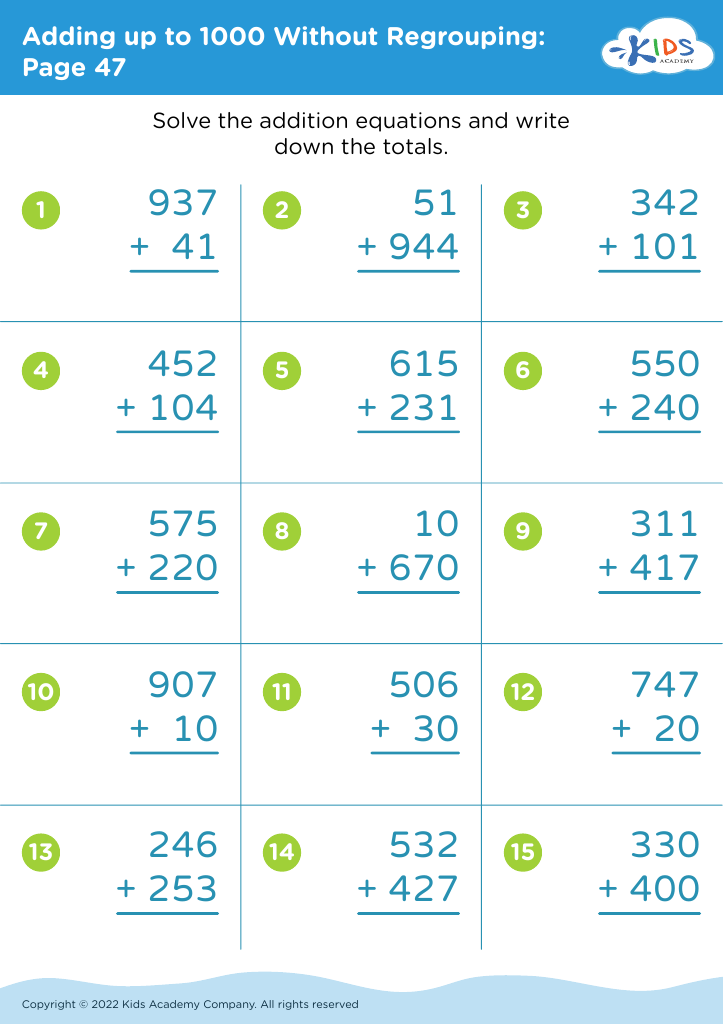
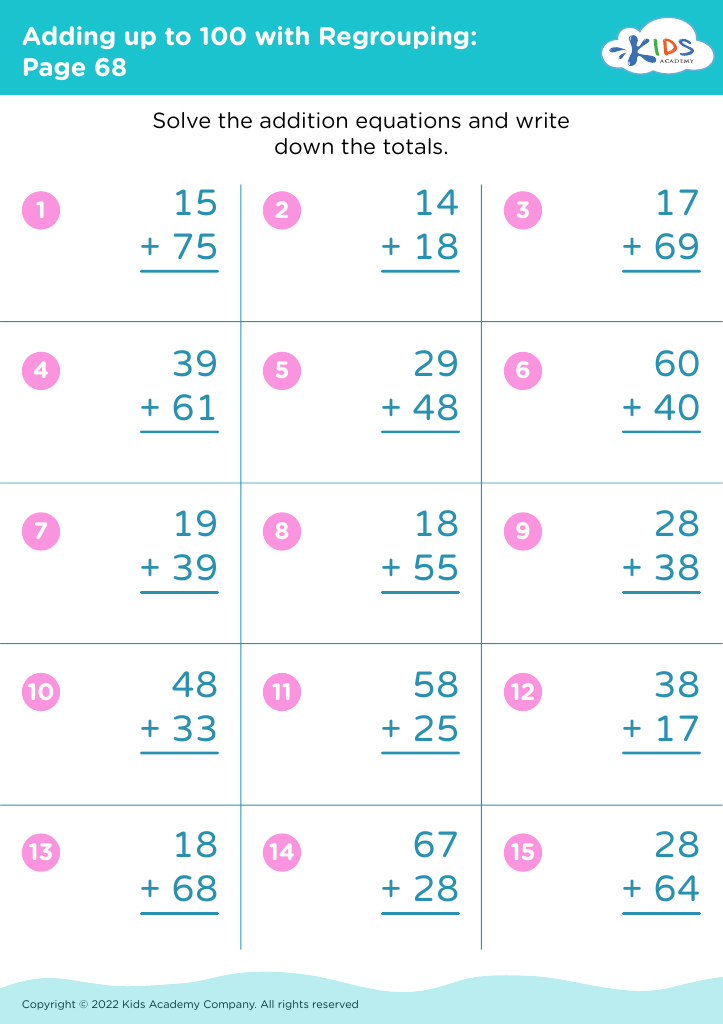
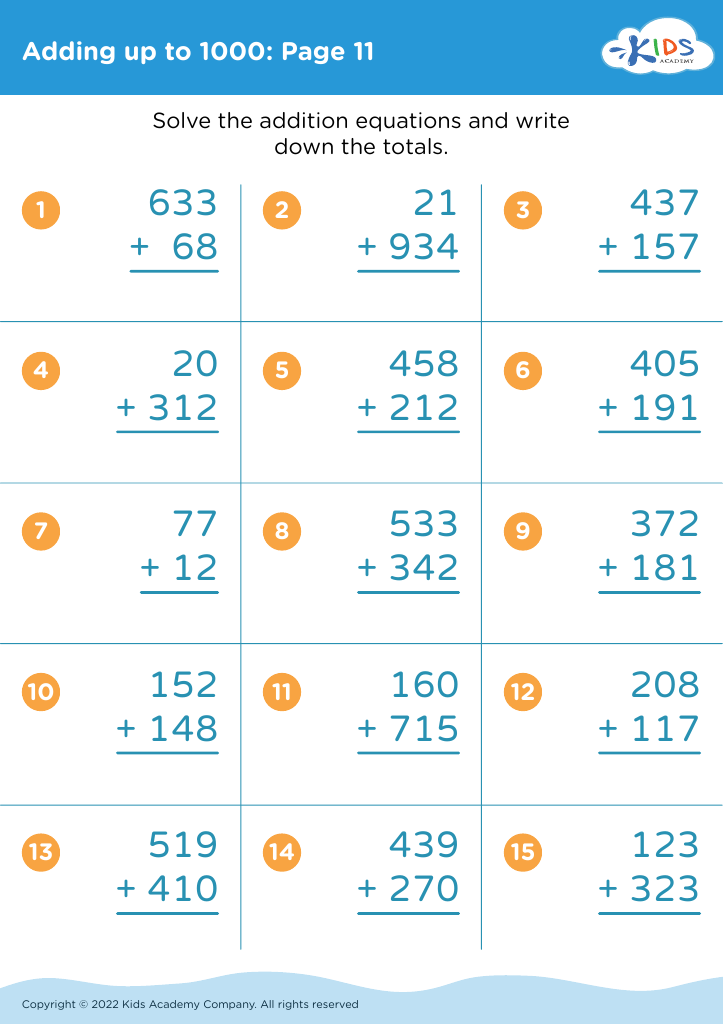
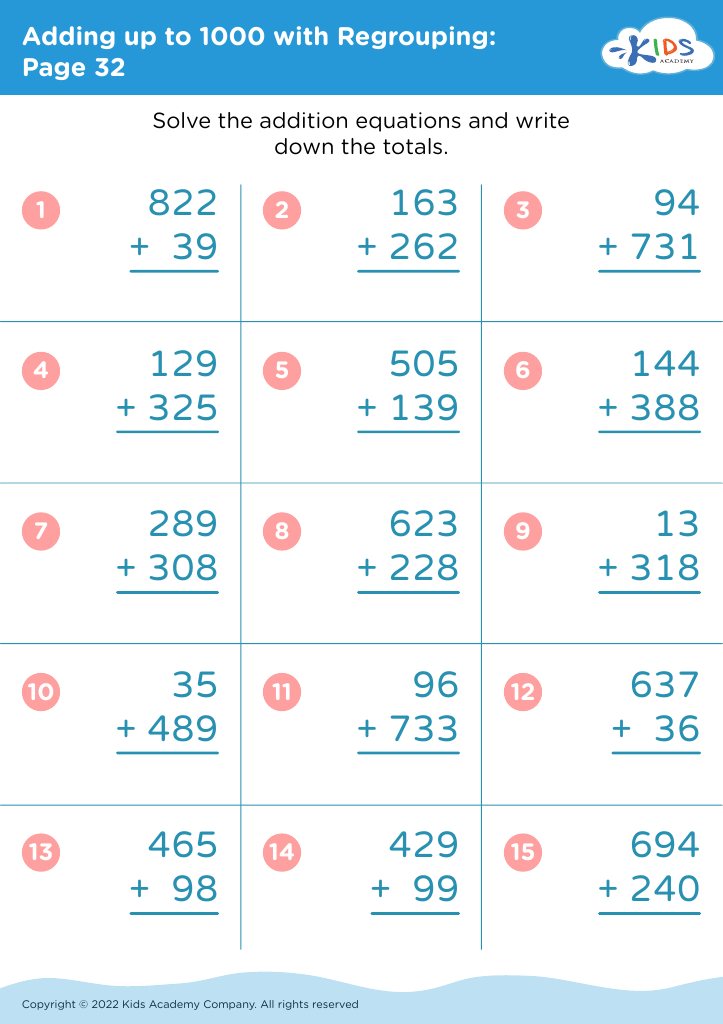
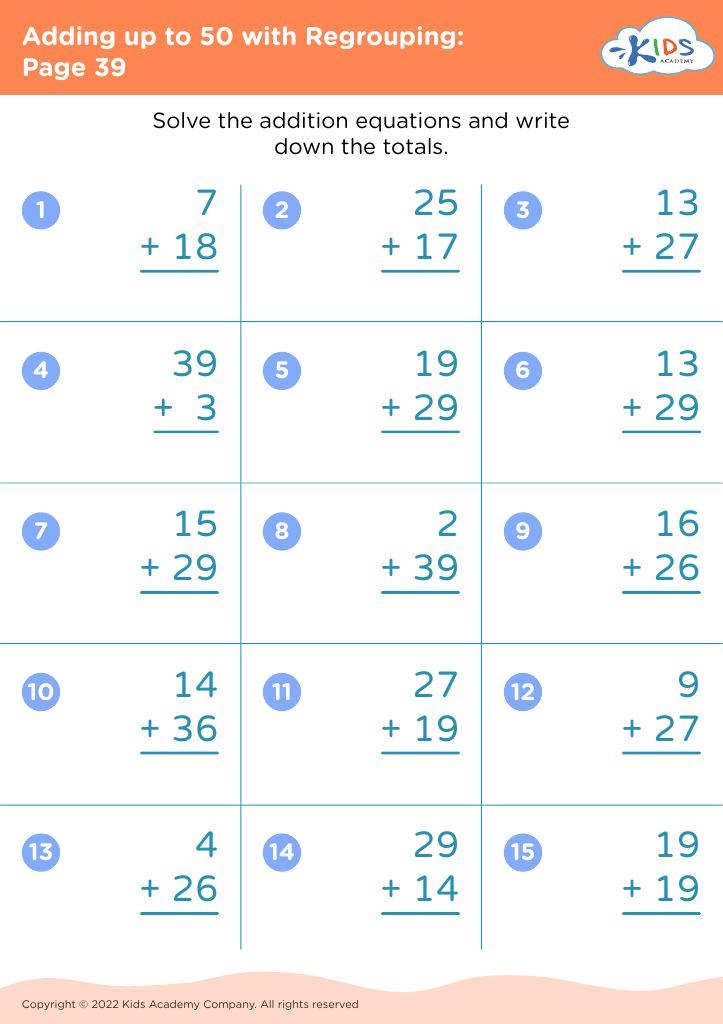
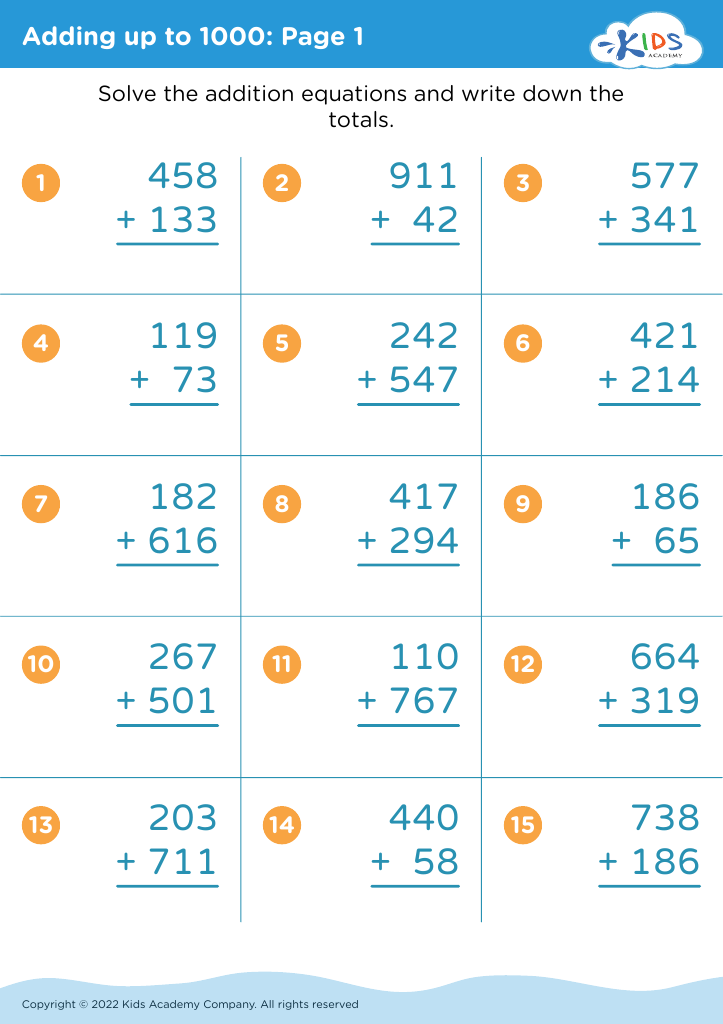
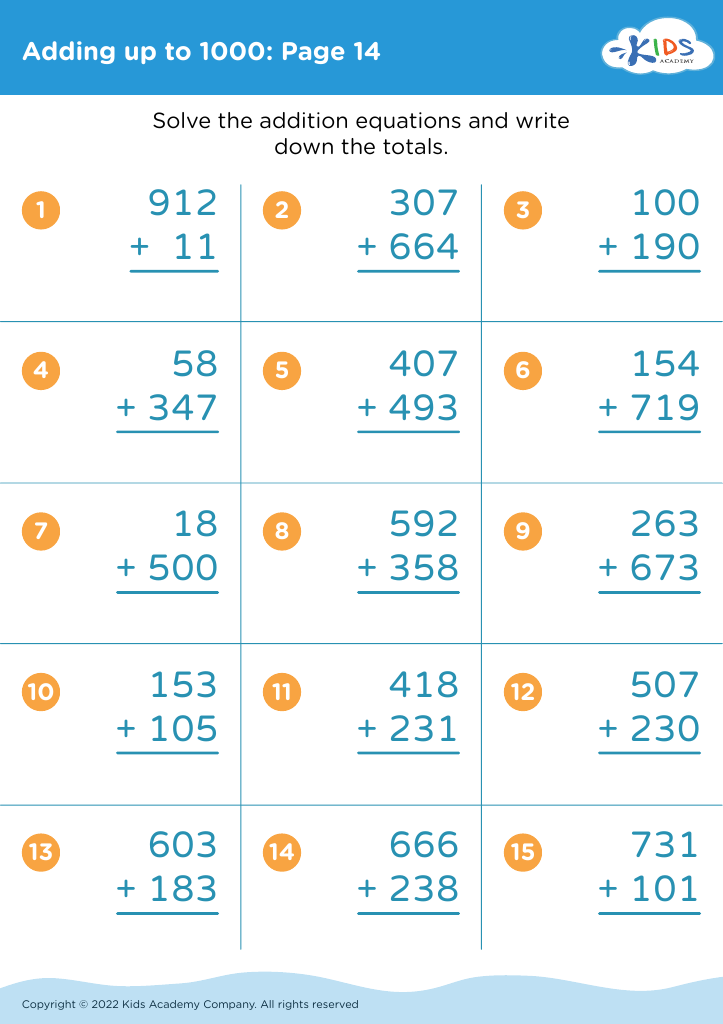
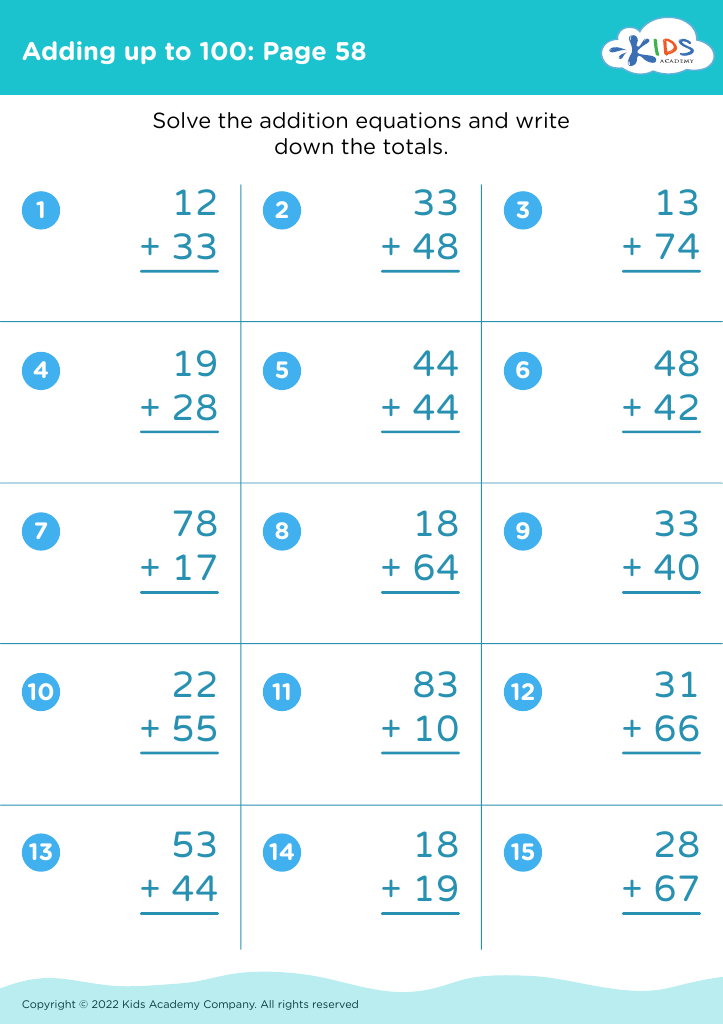
Unlock your child's math potential with our engaging Addition & Subtraction Worksheets, specifically designed for ages 6-7. These printable resources make learning fun and effective by combining vibrant visuals with simple calculations. Perfect for classroom or home use, our worksheets help young learners grasp fundamental math concepts, build confidence, and enhance problem-solving abilities. With a variety of exercises focusing on addition and subtraction, children will experience steady progression in their skills. Empower your child with the tools they need to succeed in math and foster a love for learning from an early age. Start exploring today!
Favorites
With answer key
Interactive
Join Kids Academy for Free
Who is primarily going to use this learning content?








Caring about improving math skills, particularly addition and subtraction, for children aged 6-7 is crucial for several reasons. At this developmental stage, children are building the foundational knowledge that will support all their future mathematical learning. Mastering addition and subtraction not only contributes to their arithmetic skills but also enhances their overall cognitive development, including problem-solving, logical reasoning, and critical thinking.
These basic math skills are also vital for everyday tasks, such as understanding time, money, and measurements, which foster independence and practical life skills. Proficiency in addition and subtraction builds confidence in young learners, encouraging a positive attitude toward math and making them more willing to tackle complex problems as they grow.
Moreover, early competency in math is often linked to better academic achievement in later years. Studies show that children who excel in early math are more likely to perform well in a range of subjects throughout their schooling. Therefore, parents and teachers play a critical role in supporting math skill development through engaging, hands-on activities, and providing a stress-free learning environment that encourages curiosity and experimentation, ultimately laying the groundwork for future educational success.








