Reading analog clocks Addition & Subtraction Worksheets for Ages 6-7
4 filtered results
-
From - To
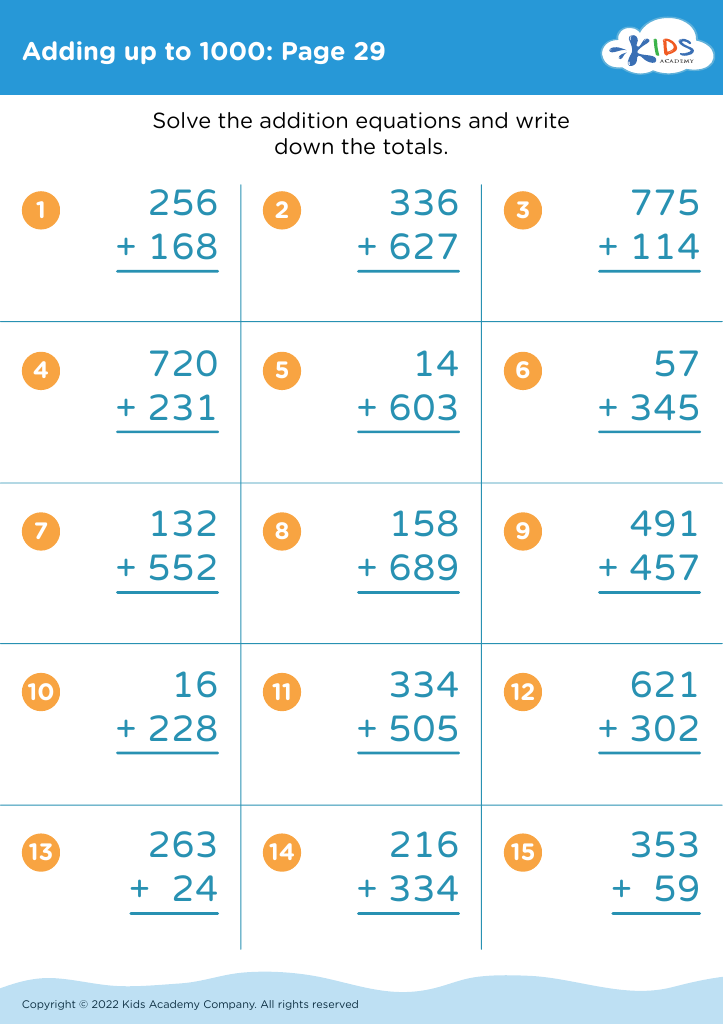
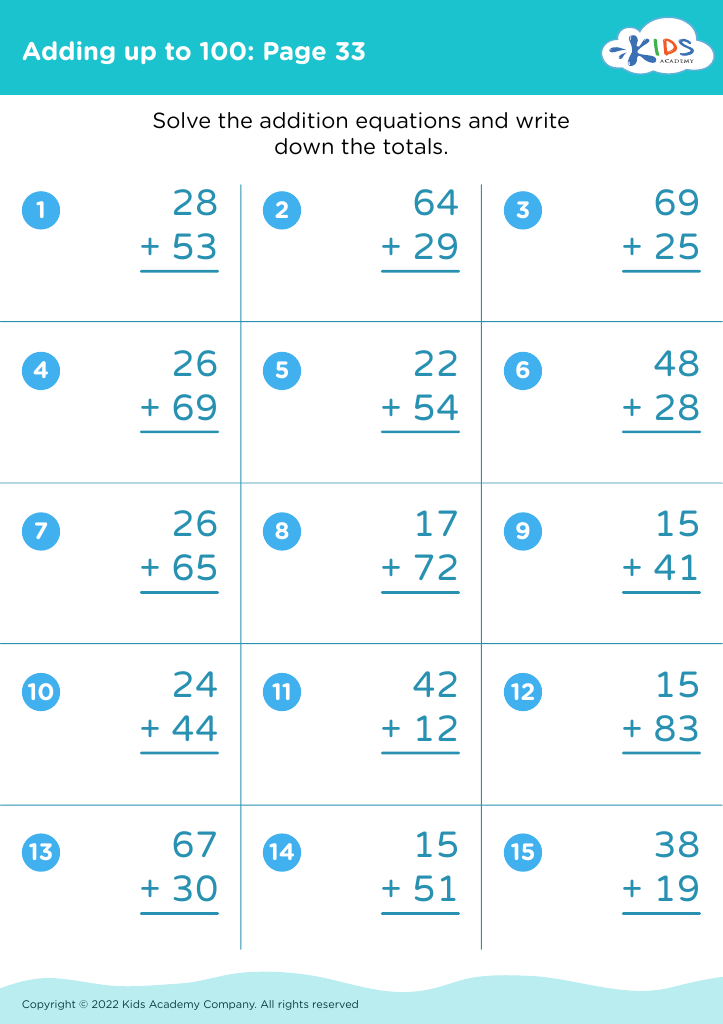
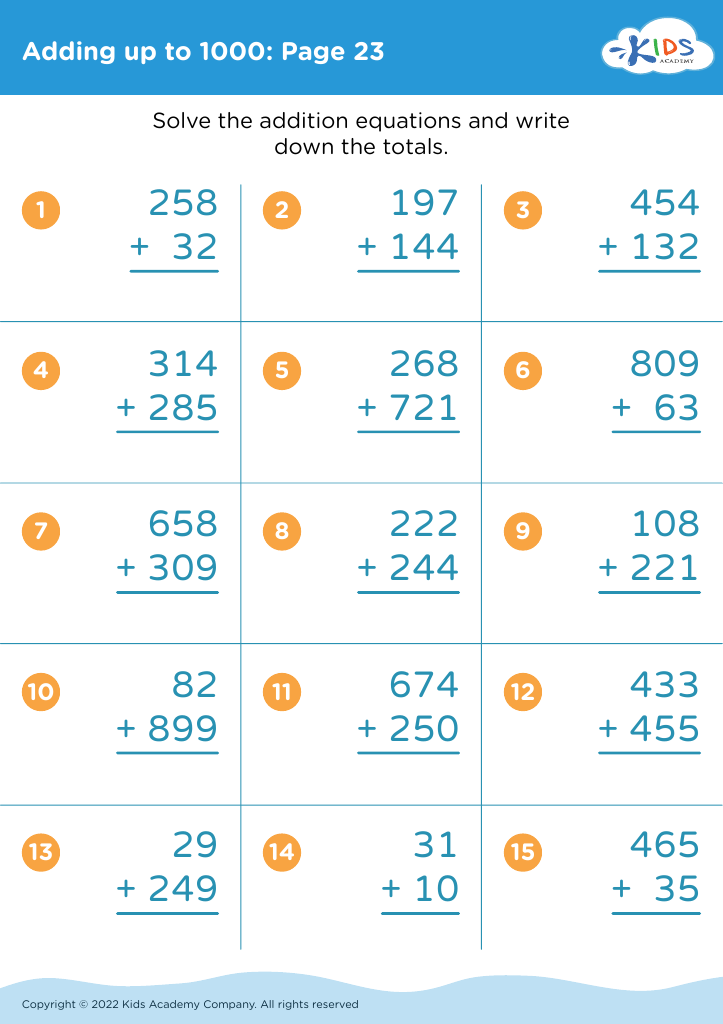
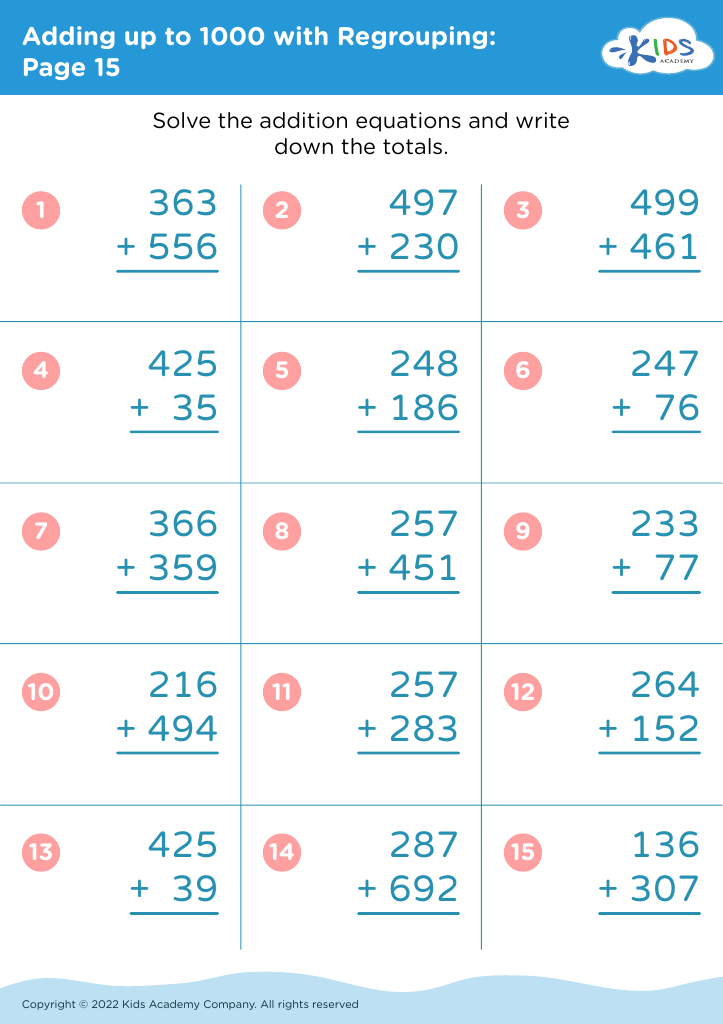
Boost your child's time-telling skills with our "Reading Analog Clocks Addition & Subtraction Worksheets for Ages 6-7." Designed to engage and educate young learners, these worksheets seamlessly combine math practice with the essential skill of reading analog clocks. Kids will enjoy fun, interactive exercises that challenge them to add and subtract hours and minutes, enhancing their understanding of time while sharpening arithmetic skills. Perfect for at-home practice or classroom reinforcement, these printables offer an effective, enjoyable way to build a strong foundation in math and time-telling. Start your child's journey to mastering analog clocks today!








Parents and teachers should place a strong emphasis on teaching children ages 6-7 key skills such as reading analog clocks and performing basic addition and subtraction due to the integral role these abilities play in everyday life and cognitive development.
Reading analog clocks helps children understand the passage of time, fosters punctuality, and introduces them to early concepts of fractions and arithmetic since they need to discern and interpret the positions of the hour and minute hands, understanding quantities like quarters and halves. This form of time-telling links seamlessly to daily routines, thus enhancing their organizational and time-management skills, making them more disciplined and aware of the world's temporal structure.
In addition, early mastery of basic addition and subtraction builds a strong mathematical foundation crucial for future academic success. These operations encourage critical thinking, problem-solving, and logical reasoning. Understanding simple arithmetic operations enables children to manage daily tasks that require numerical assessment, such as counting money or distributing items evenly among peers.
Combined, proficiency in these skills contributes to a child’s self-confidence and independence. They foster a curious and analytical mindset indispensable for learning and achieving milestones in various subjects. Therefore, prioritizing these areas sets the stage for lifelong educational and personal benefits.








