Compare fractions Addition Worksheets for Ages 6-7
5 filtered results
-
From - To
Explore our engaging Compare Fractions Addition Worksheets designed specifically for children aged 6-7. These worksheets provide a fun and interactive way for young learners to develop their understanding of fractions and addition. By comparing fractions with similar and different denominators, students gain confidence in their math skills and enhance their problem-solving abilities. Each worksheet features colorful visuals and relatable scenarios to keep children engaged while they practice. Tailored to align with early education standards, these resources will empower kids to grasp essential concepts effectively. Download your free worksheets today and watch your child's fraction knowledge soar!
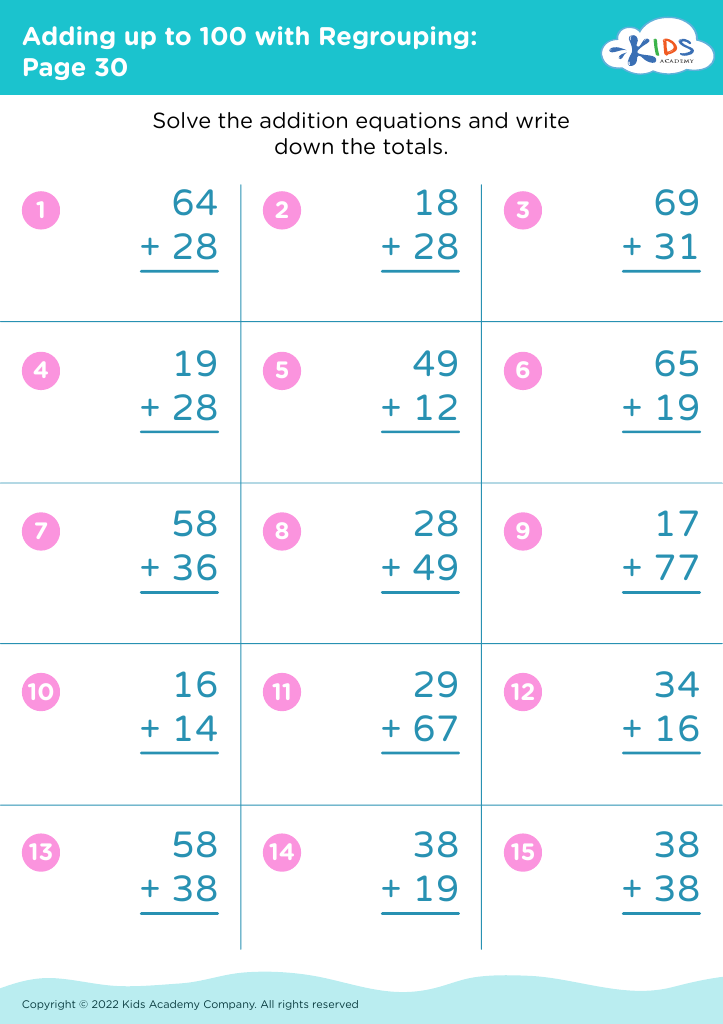
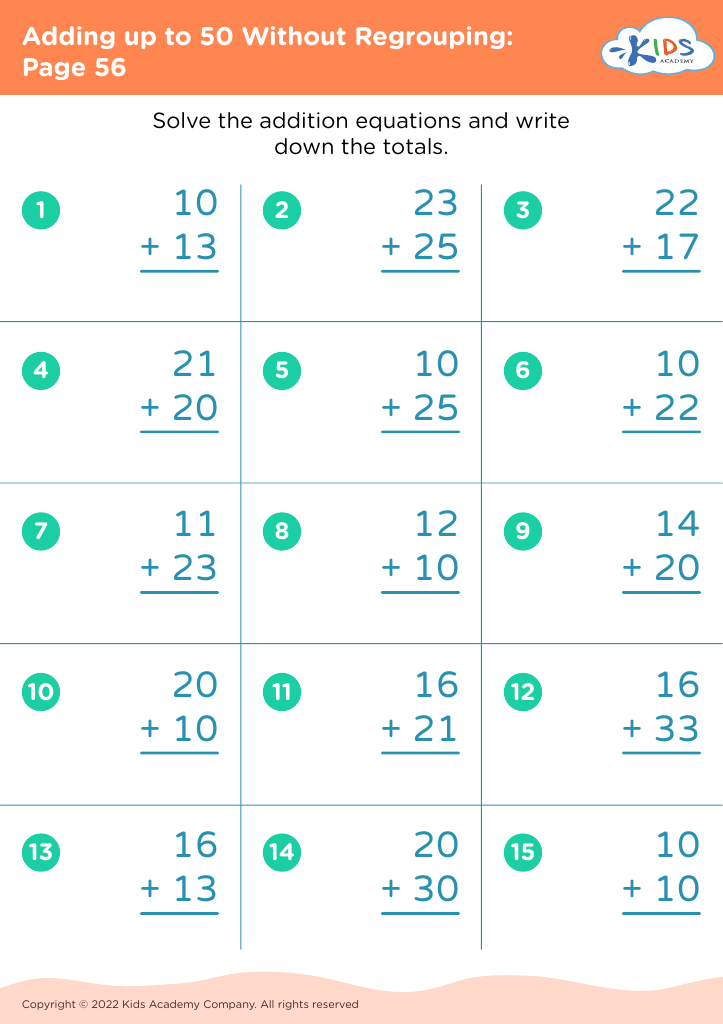
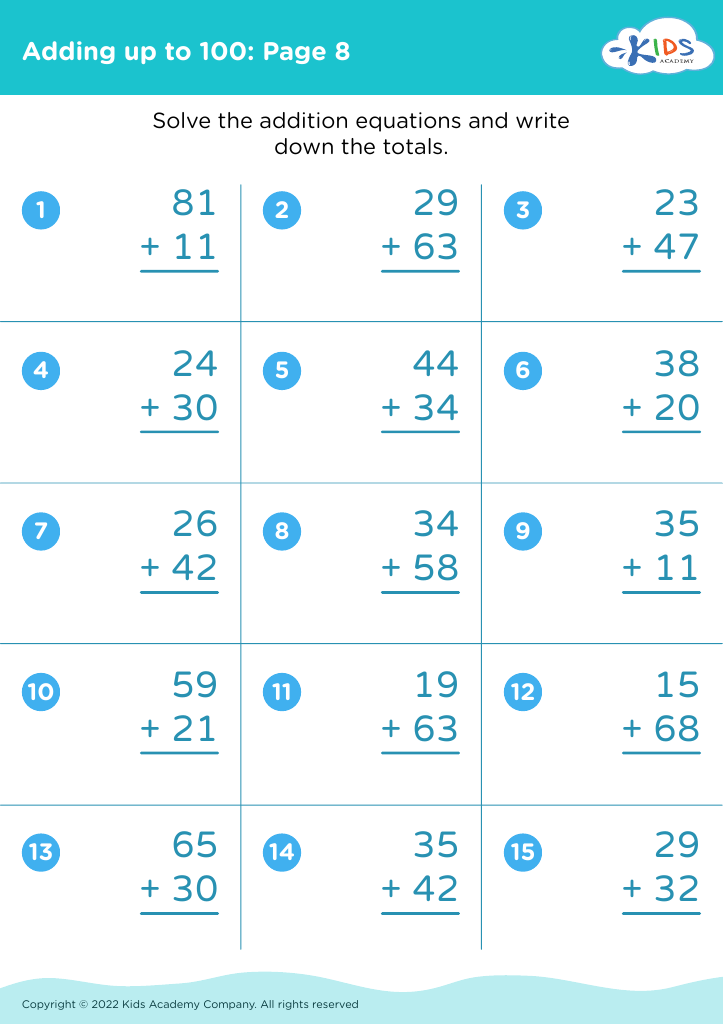
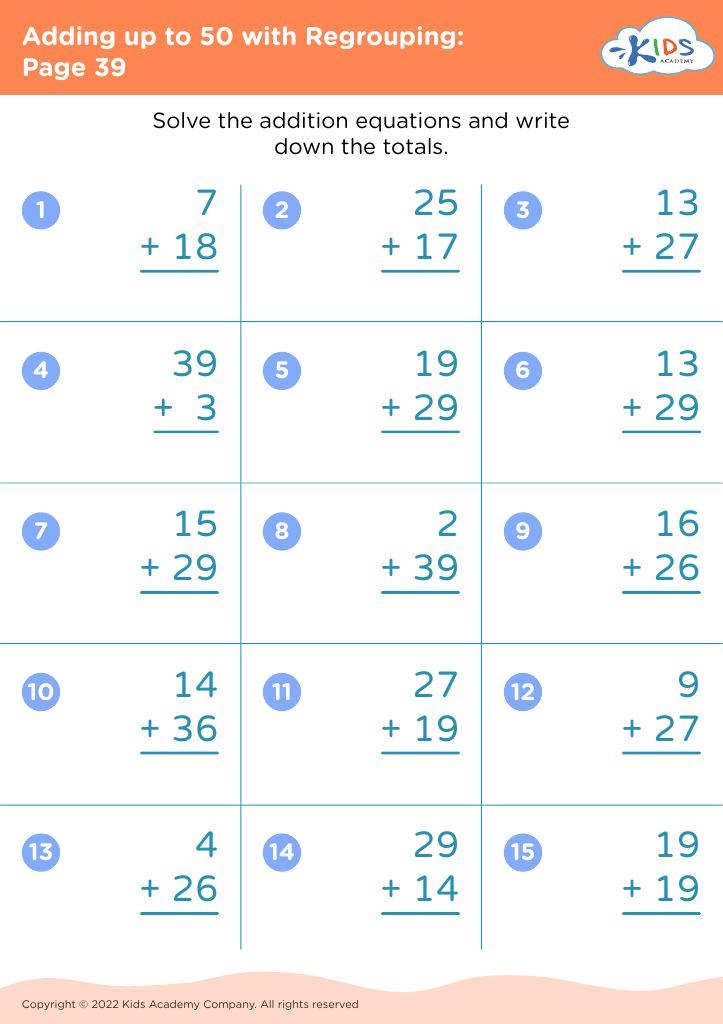


.jpg)





Understanding how to compare and add fractions is crucial for children ages 6-7 as it lays the foundation for their mathematical development. At this age, children are beginning to grasp the concept of parts of a whole, which is fundamental to understanding fractions. By learning to compare fractions, children develop critical thinking skills as they analyze relationships between numbers, identify greater or lesser values, and reinforce their understanding of division and multiplication in a practical context.
Moreover, dedicated practice in adding fractions helps solidify their arithmetic skills and prepares them for more complex mathematical concepts in subsequent grades. When parents and teachers emphasize this area of learning, they not only enhance a child's numeracy skills but also encourage confidence in their mathematical abilities.
Involving children in simple, real-world scenarios involving fractions—like dividing food or measuring ingredients—makes learning relevant and engaging. This hands-on approach fosters a positive attitude toward math, which can persist throughout their educational journey. Ultimately, by prioritizing activities that involve comparing and adding fractions, parents and teachers can cultivate a strong mathematical mindset and problem-solving skills that are essential for academic success and everyday life.








