Fine Motor Skills Addition Worksheets for Ages 6-7 - Page 2
40 filtered results
-
From - To
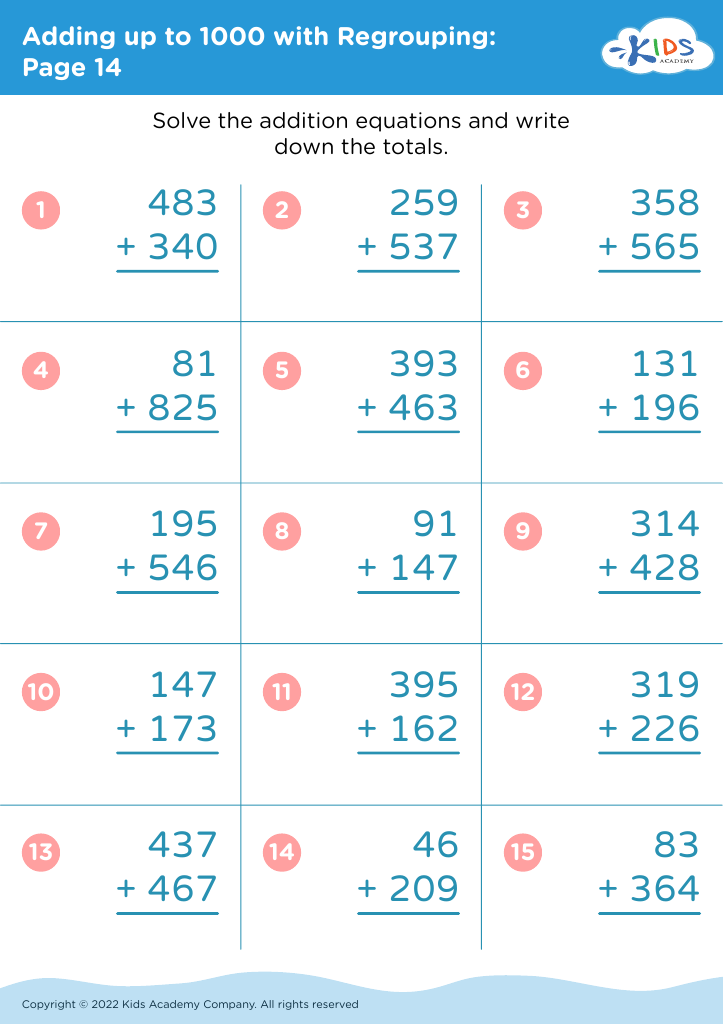
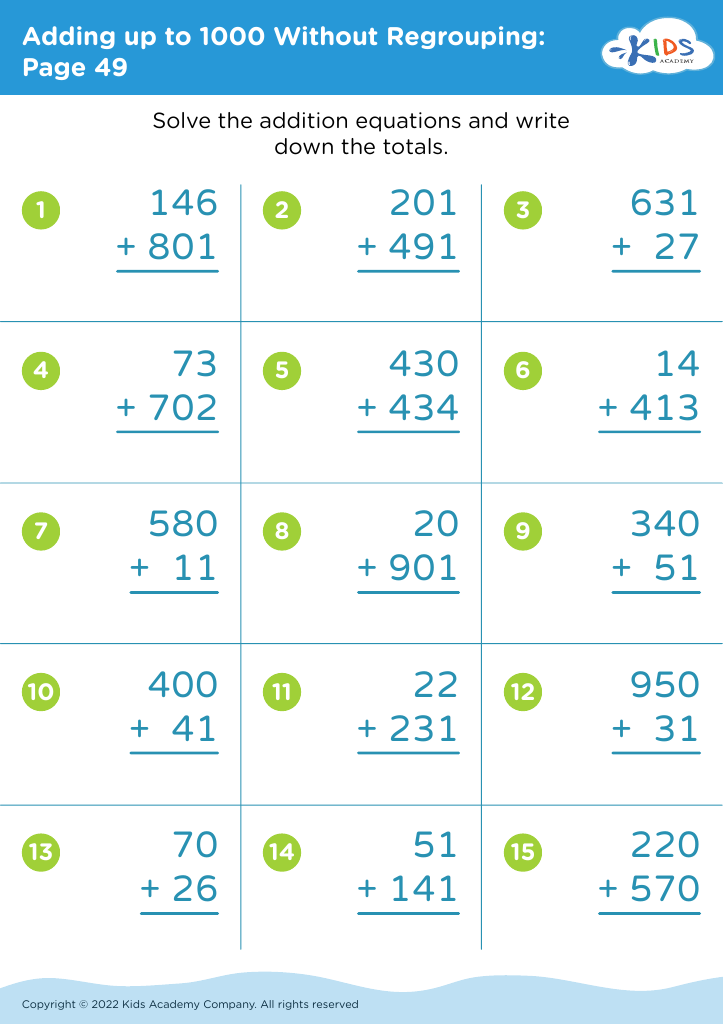
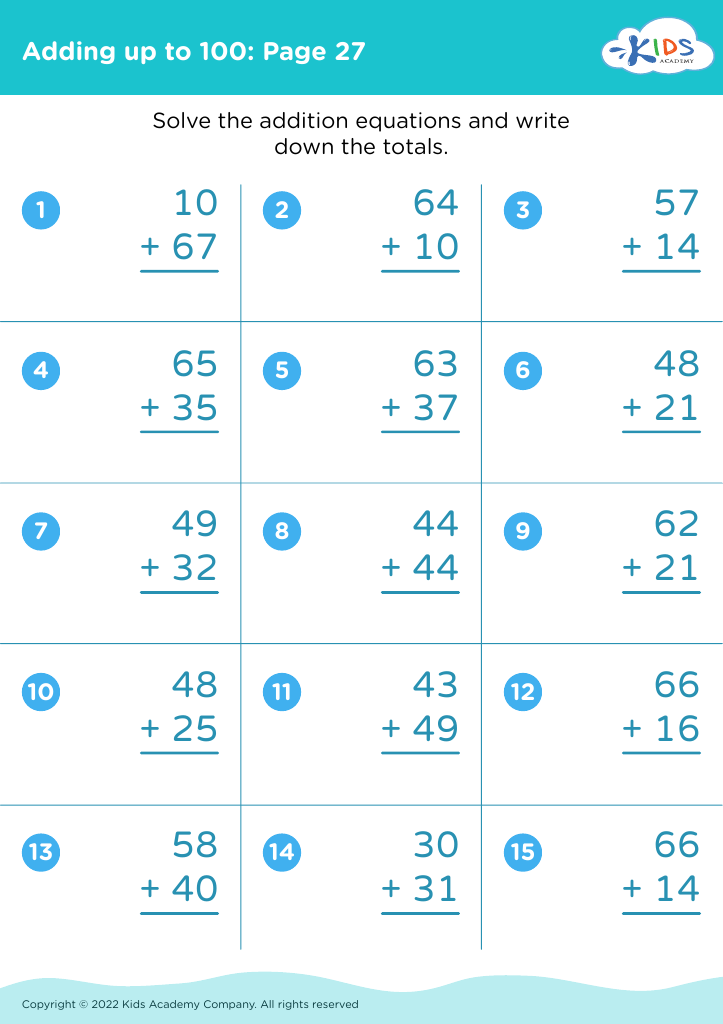
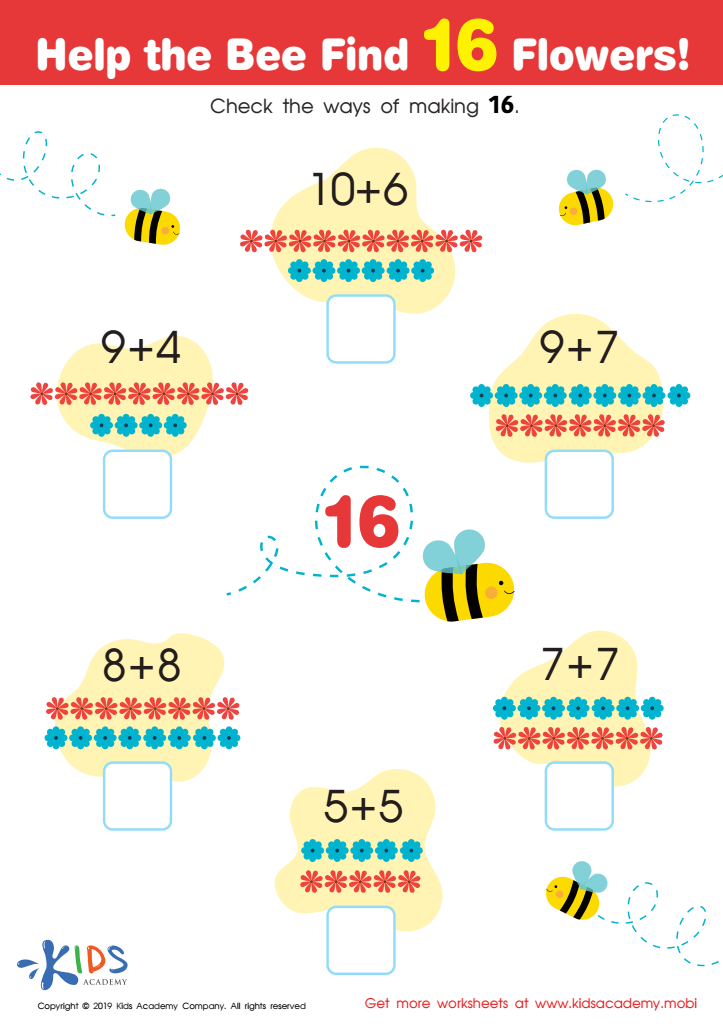
Help the Bee Find 16 Flowers Worksheet
 Assign to My Students
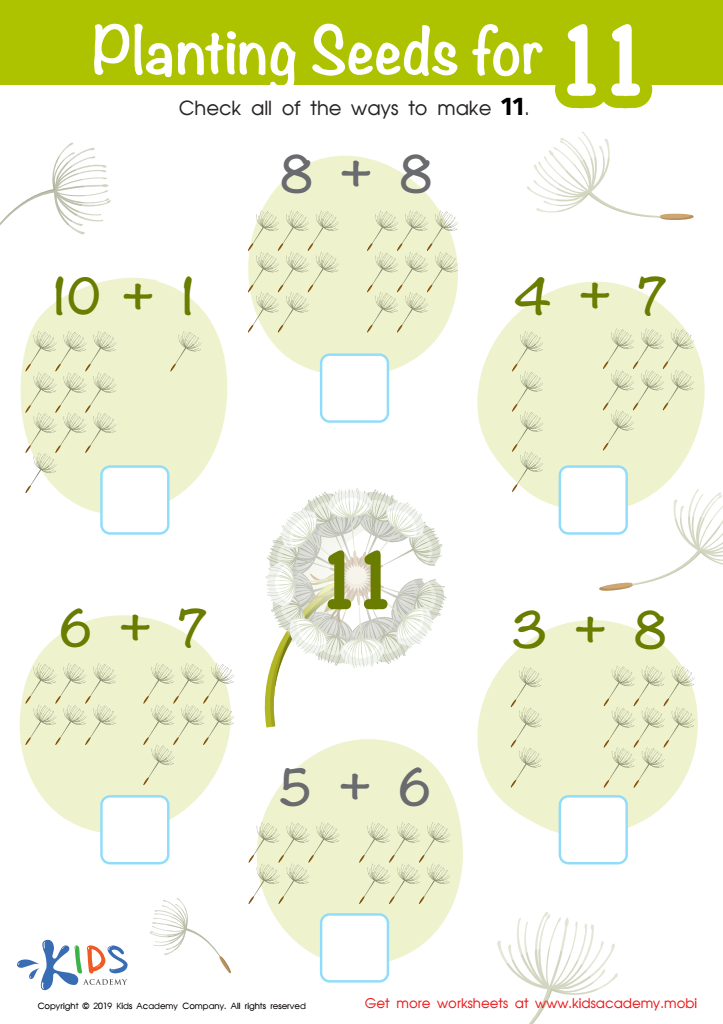
Planting Seeds for 11 Worksheet
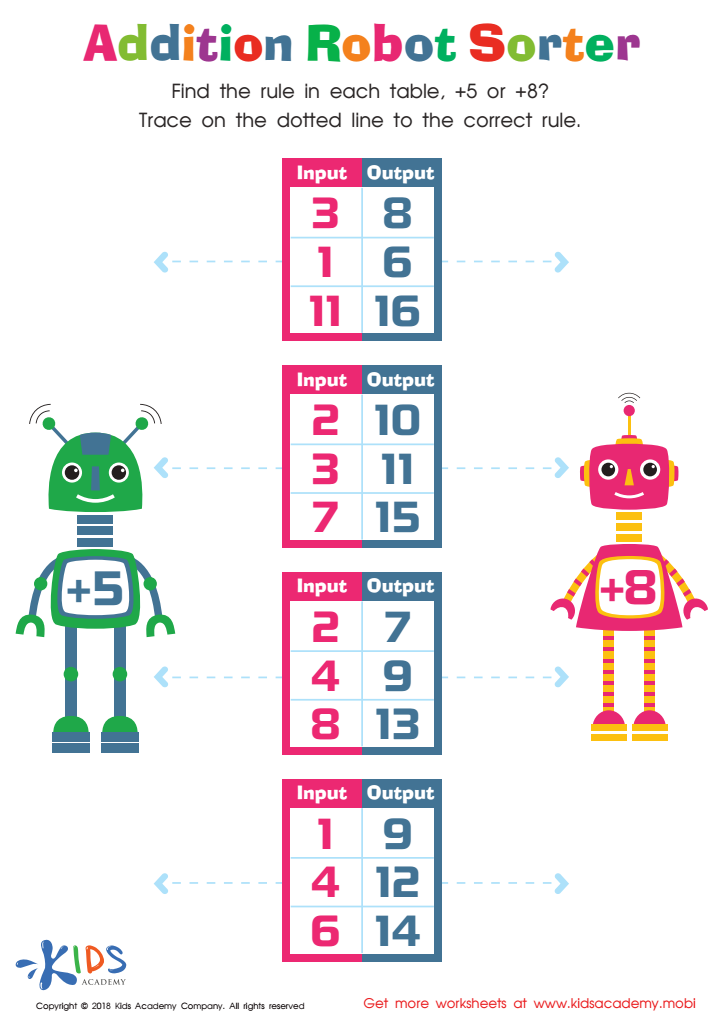
Addition Robot Sorter Worksheet








Fine motor skills are crucial for children aged 6-7 as they significantly impact a child's development and daily activities. At this age, children refine their ability to manipulate small objects, which forms the foundation for various essential skills, including writing, cutting, drawing, and self-care tasks, like buttoning clothes or tying shoelaces. Developing fine motor skills enhances hand-eye coordination and dexterity, facilitating better control in both academic and recreational settings.
When parents and teachers prioritize the enhancement of fine motor skills, they support overall cognitive and social-emotional development. These skills encourage independence in children, boosting their confidence as they master new tasks. They also play a vital role in a child's ability to express themselves through writing and art, fostering creativity.
Moreover, fine motor activities such as crafts, puzzles, and games promote critical thinking and problem-solving abilities, crucial components of early education. By focusing on fine motor development, parents and teachers build a strong foundation for future learning, leading to better academic outcomes and social interactions. Thus, encouraging fine motor skills is not just beneficial; it is essential for fostering well-rounded, capable, and confident young learners.








