Handwriting Skills Math Worksheets for Ages 6-7
6 filtered results
-
From - To
Enhance your child's handwriting skills with our engaging Math Worksheets designed for ages 6-7! Our printable resources seamlessly integrate math concepts with handwriting practice, helping young learners improve their letter formation and writing fluency while mastering essential math skills. Each worksheet features fun and colorful activities that capture children's attention, ensuring a productive learning experience. From tracing numbers to solving simple equations, these worksheets support early math mastery and promote confident writing. Perfect for use at home or in the classroom, our Handwriting Skills Math Worksheets make learning enjoyable and effective. Download today to boost your child's writing and mathematical abilities!
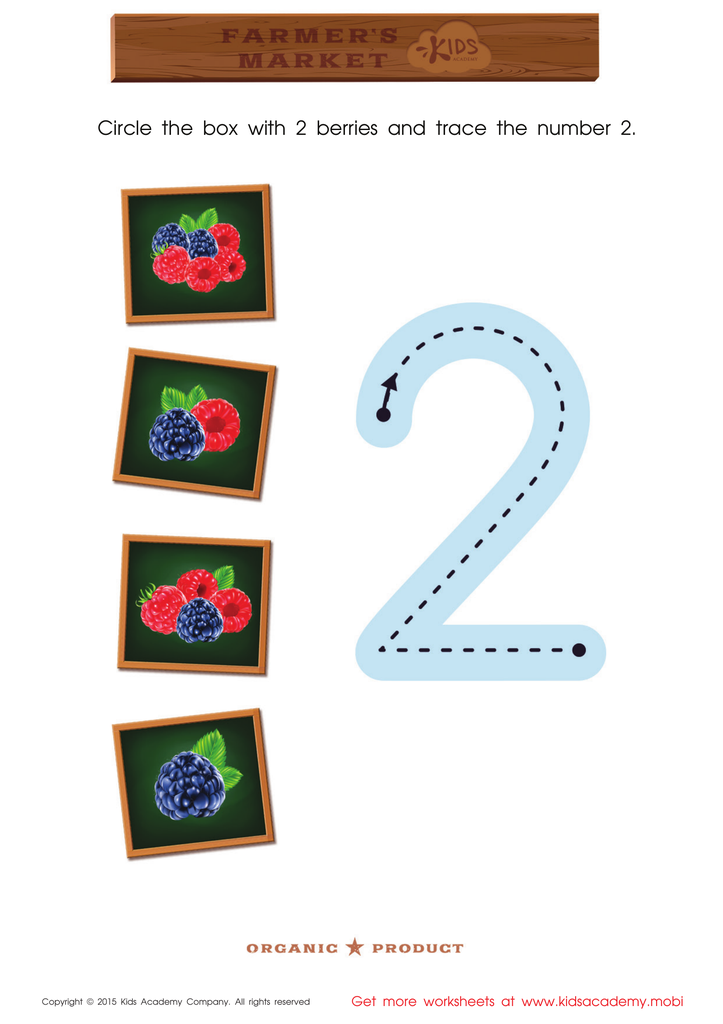
Count the Berries and Trace the Number 2 Printable
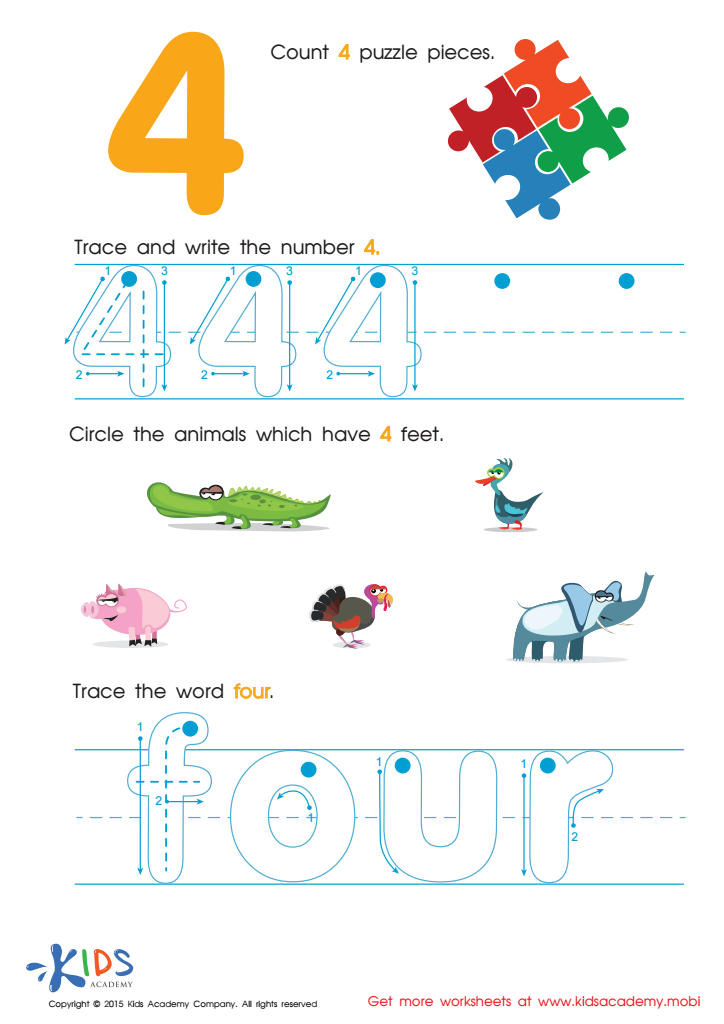
Teaching Children to Write Number 4 Worksheet
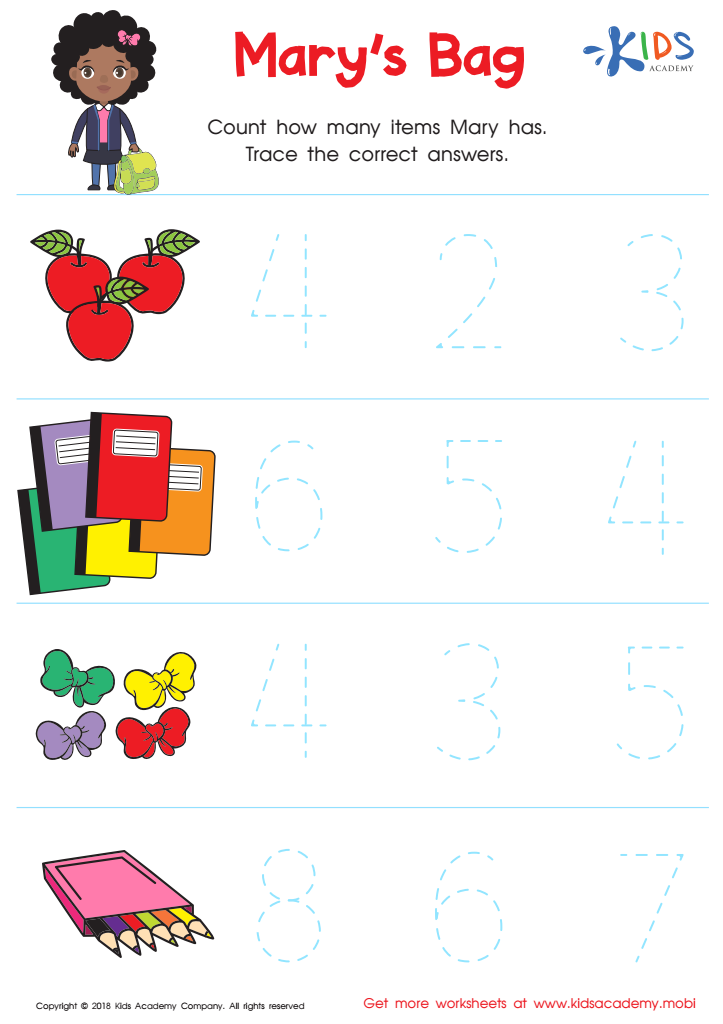
Kindergarten Number Tracing: Mary's Bag Worksheet
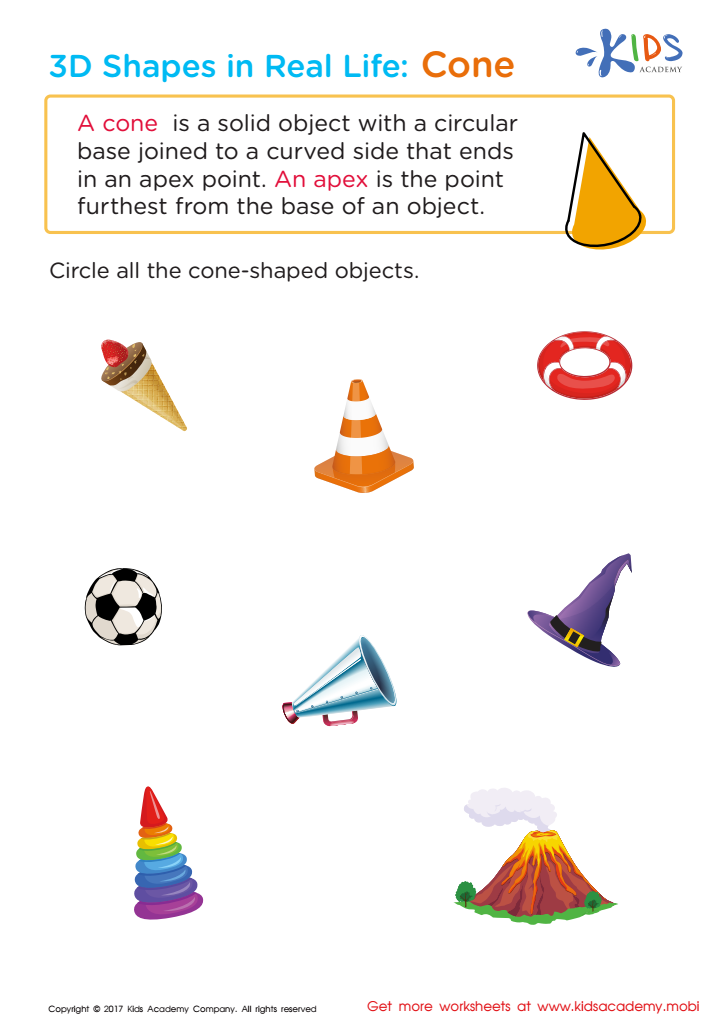
Shapes in Real Life: Cone Worksheet
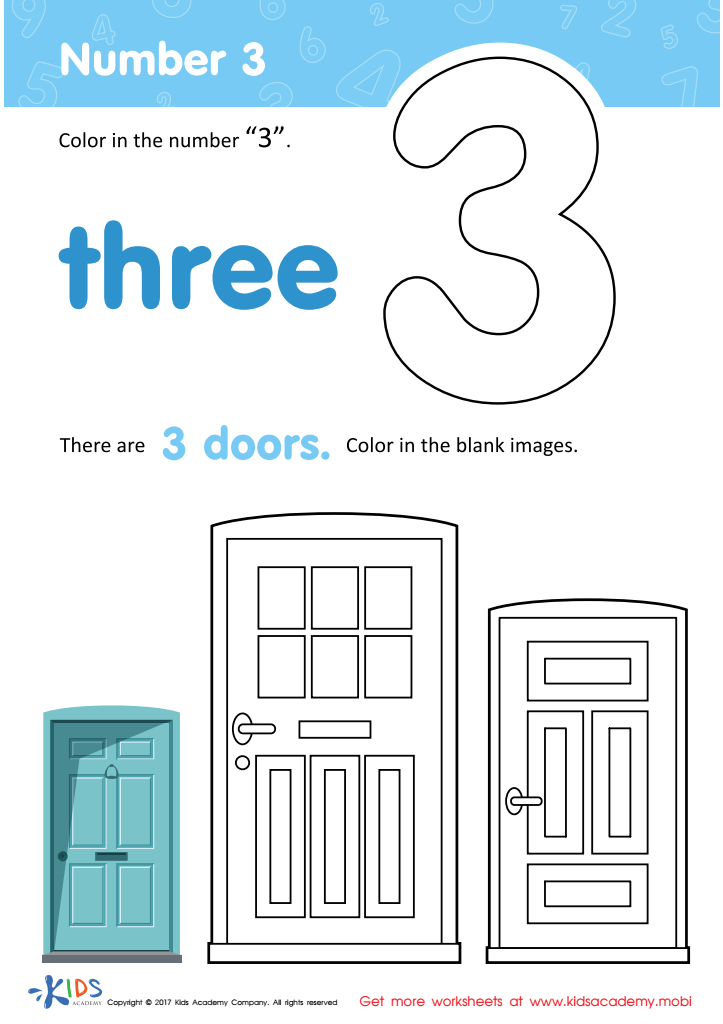
Number 3 Worksheet
 Assign to My Students
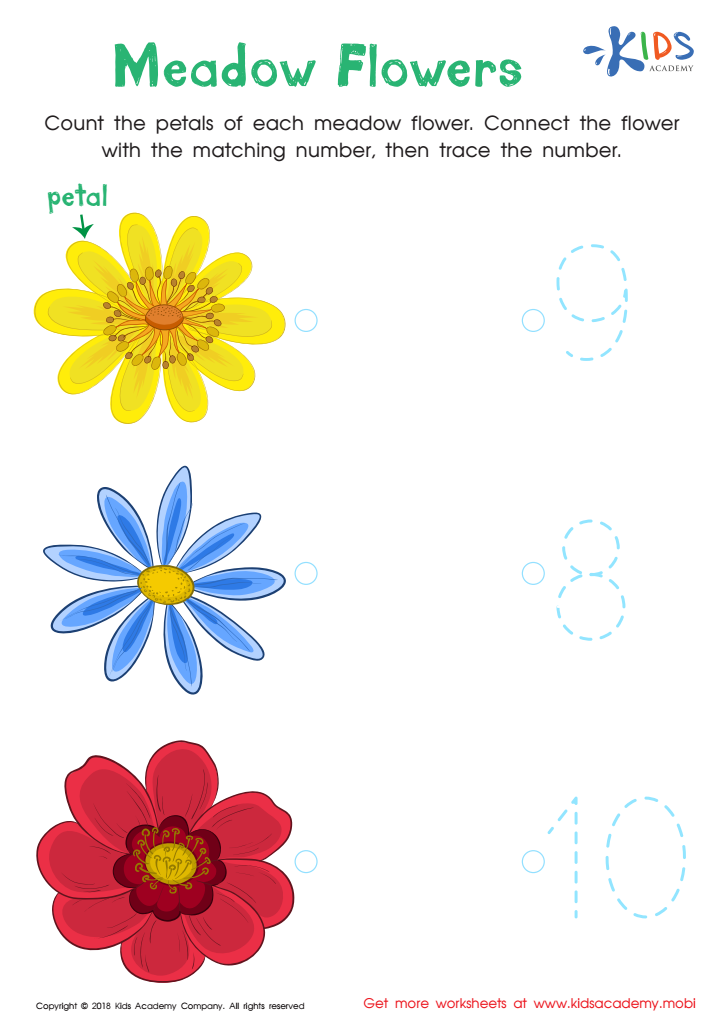
Kindergarten Number Tracing: Medow Flowers Worksheet








Handwriting skills are essential for children aged 6-7, not only as a foundational academic skill but particularly when it comes to mathematical understanding. At this stage, children are beginning to solidify their grasp of numbers, problem-solving, and other math concepts. Good handwriting facilitates clarity in expressing these ideas on paper, allowing students to communicate their reasoning effectively and minimizing the risk of misinterpretation due to unclear numbers or symbols.
Additionally, developing fine motor skills through handwriting practice can enhance a child's overall cognitive development, improving hand-eye coordination and concentration. These skills are directly linked to math success, as precise manipulation and transfer of ideas are crucial in solving problems and working on exercises.
Moreover, a neat and organized written representation of math work encourages students to present their thought processes methodically. It fosters good study habits, enabling students to revisit their work for corrections or improvements—supporting greater learning outcomes. By prioritizing handwriting skills alongside mathematical concepts, parents and teachers lay the groundwork for a child's academic future, promoting commitment to learning and enhancing self-esteem as students take pride in their written expressions. Investing in these skills today can cultivate a well-rounded learner for tomorrow.








