
Identify numbers Math Worksheets for Ages 6-7
3 filtered results
Difficulty Level
Grade
Age
-
From - To
Subject
Activity
Standards
Introduce your child to the world of numbers with our "Identify Numbers Math Worksheets for Ages 6-7." Designed specifically for young learners, these engaging worksheets help your child recognize, trace, and understand numbers. Featuring fun activities and vibrant illustrations, they reinforce numeral recognition and build foundational math skills. From connecting dots to finding and coloring numbers, each worksheet offers interactive ways to make learning enjoyable. Perfect for both classroom and home practice, our worksheets support early math proficiency and boost confidence in your child's numerical abilities. Make math fun and effortless with Kids Academy!
Favorites
With answer key
Interactive
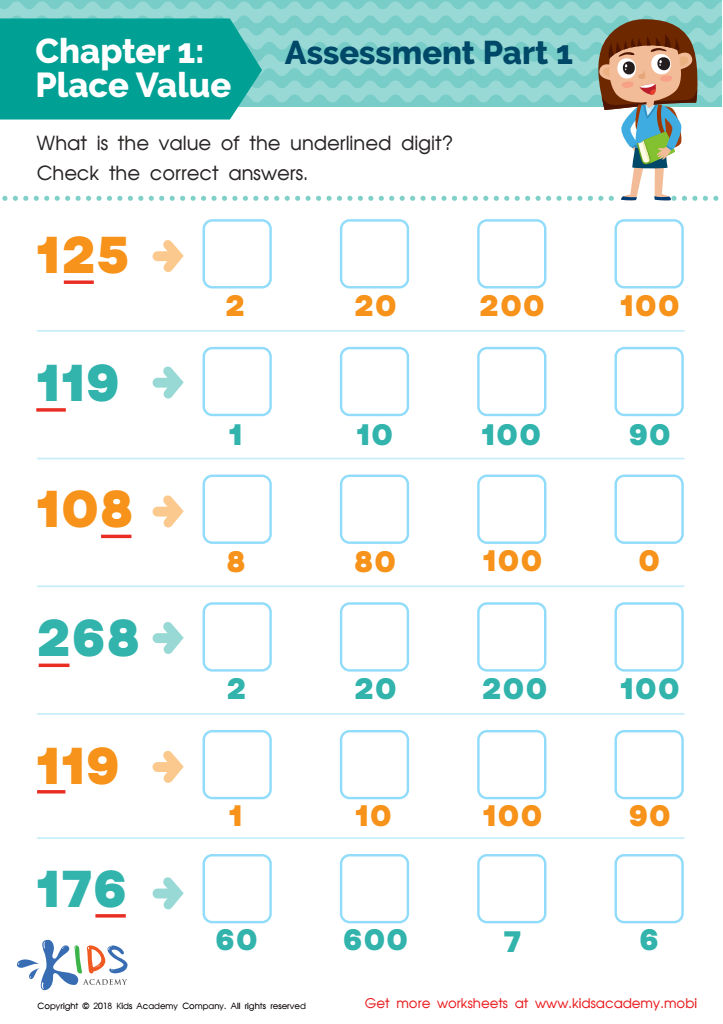
Place Value: Chapter 1 Worksheet
Check your kid's place value understanding with this assessment worksheet. It features 6 questions with one digit underlined for your child to determine the correct value of. Get the download and see if they can correctly choose the answer from the options given. It's a great way to test progress and keep their minds sharp!
 Assign to My Students
Place Value: Chapter 1 Worksheet
Worksheet
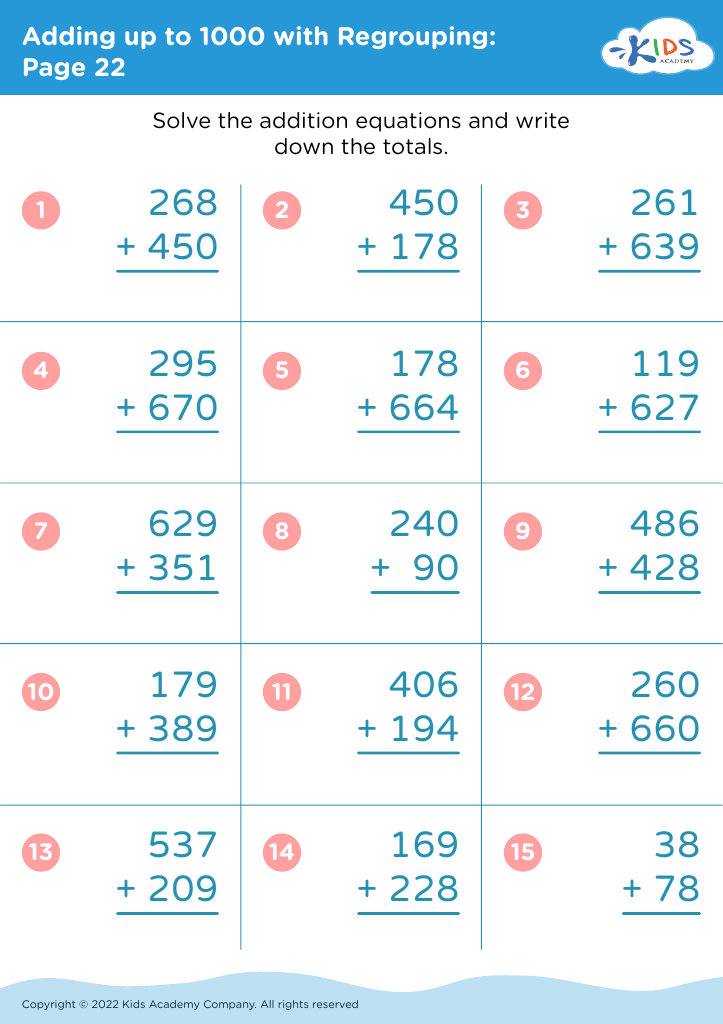
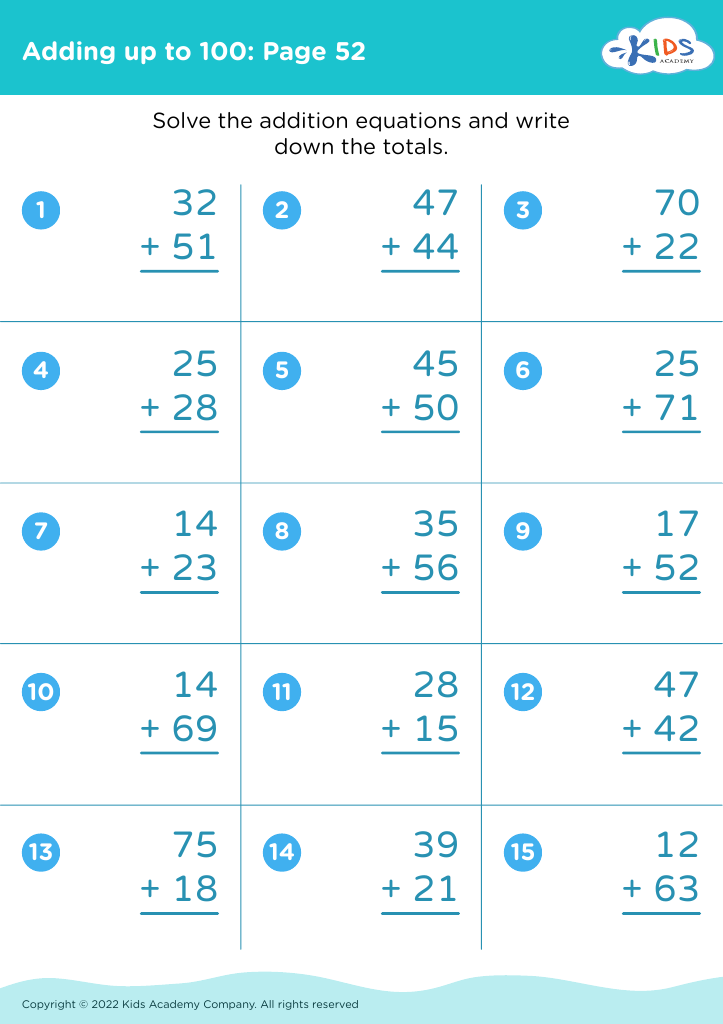
Join Kids Academy for Free
Who is primarily going to use this learning content?







.jpg)
Parents and teachers should prioritize helping children ages 6-7 identify numbers because it forms the foundation for their mathematical learning and everyday life skills. At this stage, children develop their understanding of basic mathematical concepts that will underpin more complex problem-solving abilities in future. Knowing how to identify numbers aids in ordering, comparing, and understanding quantities, which are crucial for mathematical operations like addition, subtraction, multiplication, and division.
Numbers are also omnipresent in daily life, from telling time and handling money to following recipes and dividing resources among friends. Being proficient with numbers boosts a child’s confidence and independence in these tasks. This early mastery fosters positive attitudes towards math, counteracting any fear or anxiety they might otherwise develop.
Moreover, identifying numbers strengthens cognitive abilities, such as memory and logical thinking. It encourages pattern recognition, which is a key skill in both math and scientific reasoning. Equipping children with solid numerical skills early on is crucial for their academic success across subjects. Given the pivotal role of numbers in both scholastic and practical contexts, it is evident that parents and teachers should invest time and resources to ensure children grasp these fundamental concepts thoroughly.








