
Improve problem-solving Math Worksheets for Ages 6-7
4 filtered results
Difficulty Level
Grade
Age
-
From - To
Subject
Activity
Standards
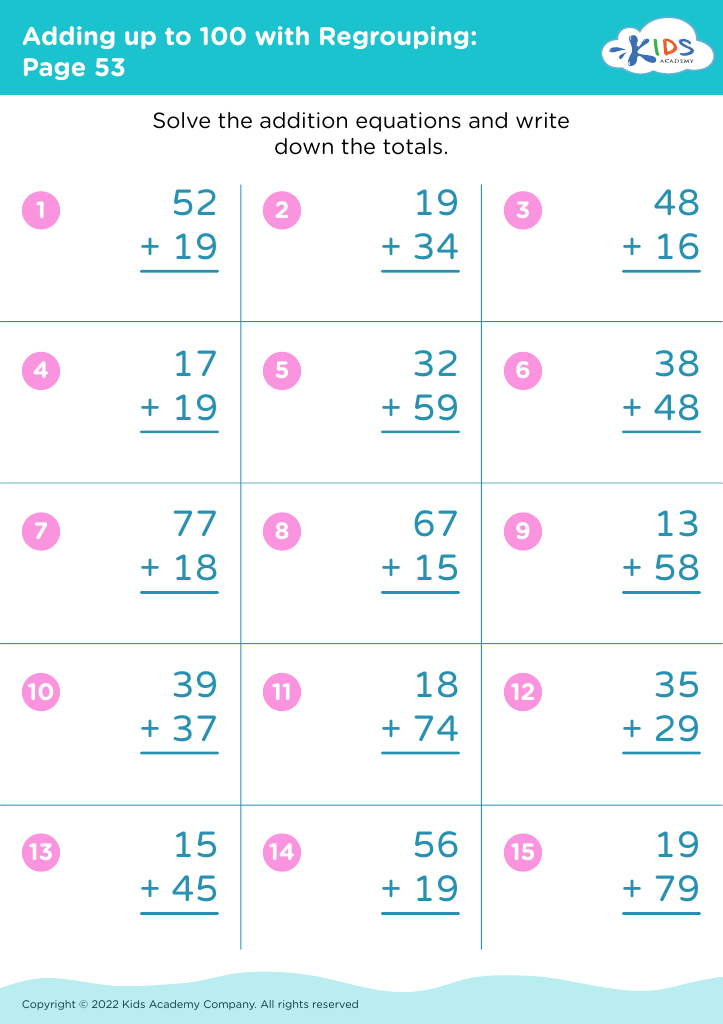
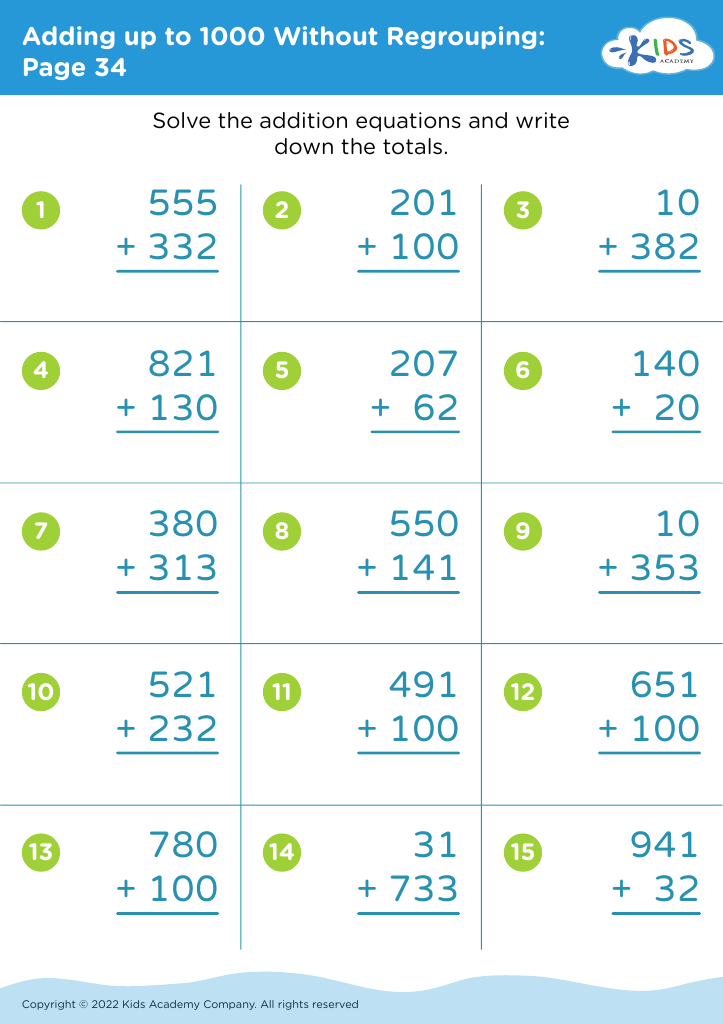
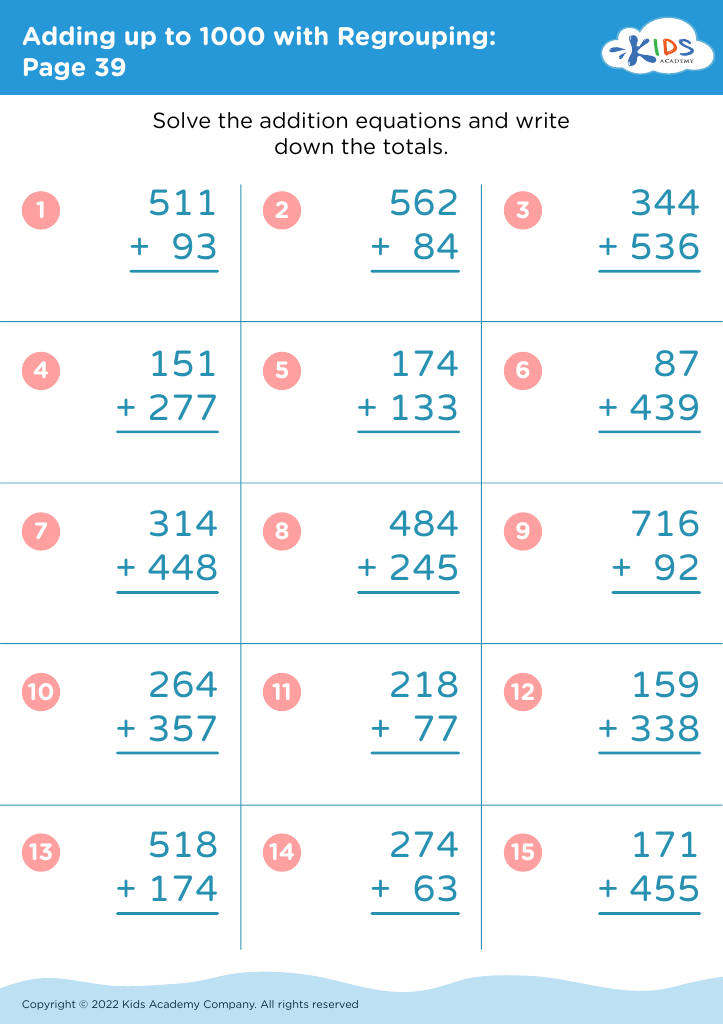
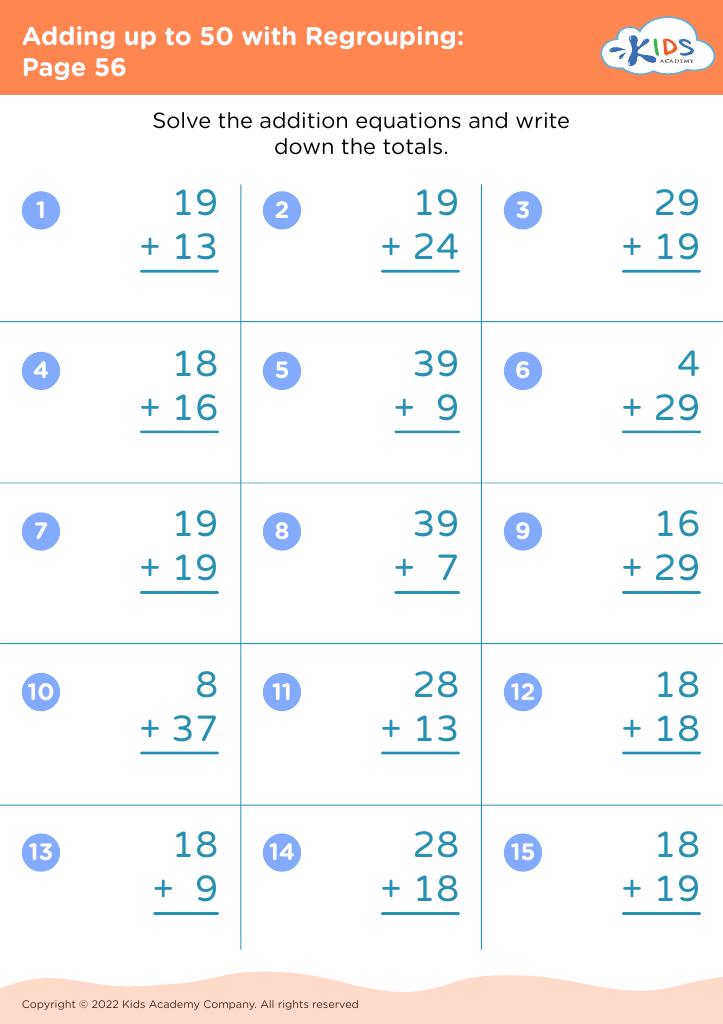
Unlock your child’s potential with our "Improve Problem-Solving Math Worksheets for Ages 6-7." Designed by educators, these engaging, printable worksheets help young learners build critical thinking and problem-solving skills through fun, age-appropriate math challenges. Our carefully curated activities cover various topics, including addition, subtraction, patterns, and shapes, making math both enjoyable and educational. Perfect for both classroom and home use, these worksheets support diverse learning styles, ensuring every child can succeed. Foster a lifelong love for math and boost your child's confidence with these essential resources from Kids Academy today!
Favorites
With answer key
Interactive
Join Kids Academy for Free
Who is primarily going to use this learning content?








Improving problem-solving skills in math for ages 6-7 is essential for several reasons, and parents and teachers should prioritize it. At this formative stage, children are not just learning to add and subtract; they are developing critical thinking skills through engaging with mathematical concepts. Problem-solving in math helps young learners build logical reasoning by understanding how to analyze a problem, develop a strategy, and work towards a solution. These skills are foundational for future academic success and are transferable across all subjects.
Encouraging problem-solving in math also fosters resilience and a growth mindset. When children tackle challenging problems and gradually succeed, they learn that persistence and effort can lead to success. This positive experience can bolster their confidence and willingness to tackle difficult situations in other areas of life.
Moreover, early practice in math problem-solving enhances cognitive development. It sharpens memory, improves attention to detail, and aids in the development of both short-term and long-term memory. Math activities that focus on problem-solving also promote cooperation and teamwork when done in a group setting, helping children to learn from one another and understand diverse problem-solving approaches.
In summary, focusing on math problem-solving for young children equips them with necessary life skills, supports cognitive growth, and builds a strong foundation for future learning.








