Understanding directions Math Worksheets for Ages 6-7
7 filtered results
-
From - To
Enhance your child's math skills with our "Understanding Directions" worksheets, designed specifically for ages 6-7. These engaging, interactive resources help young learners develop critical thinking and comprehension by understanding various mathematical directions and instructions. With clear, colorful visuals and age-appropriate activities, your child will learn to follow directions accurately while building foundational math skills. Each worksheet promotes active engagement, making learning fun and rewarding. Perfect for home practice or supplemental classroom activities, our worksheets are easily accessible and printable, ensuring a seamless experience for parents and teachers alike. Equip your child with the tools they need to succeed in their mathematical journey!
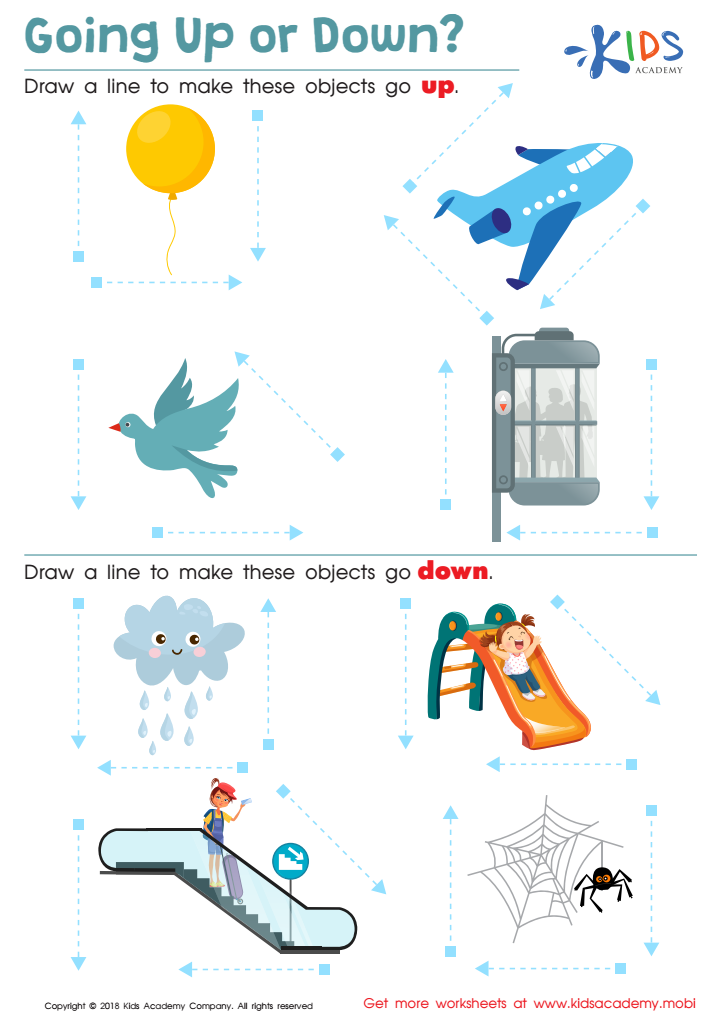
Going up or Down? Worksheet
 Assign to My Students
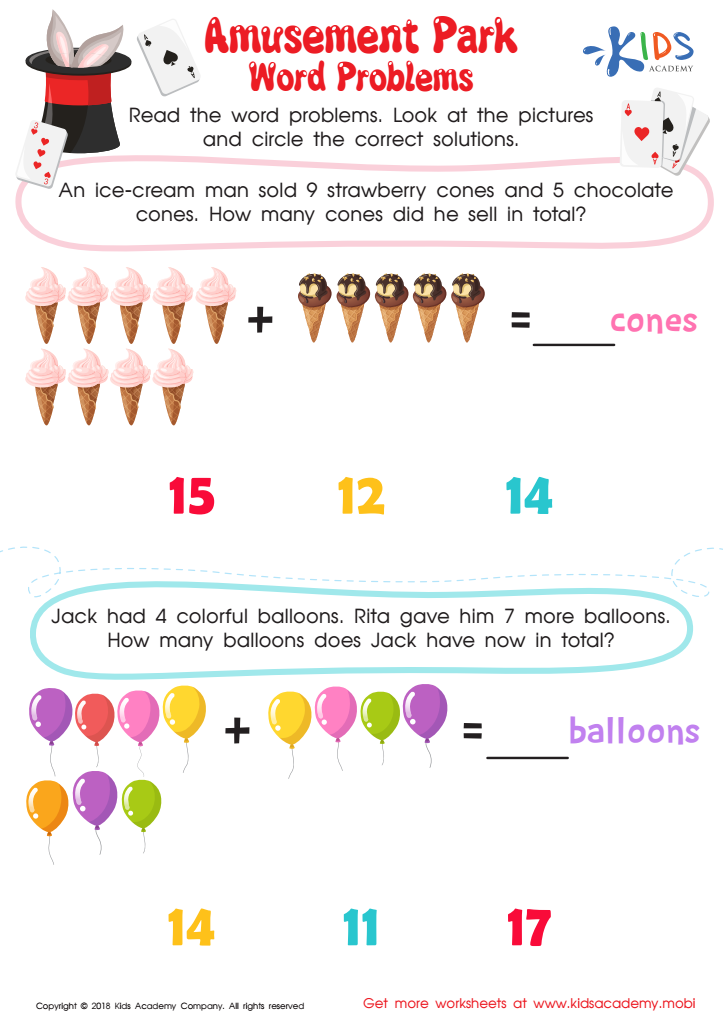
Amusement Park Word Problems Worksheet
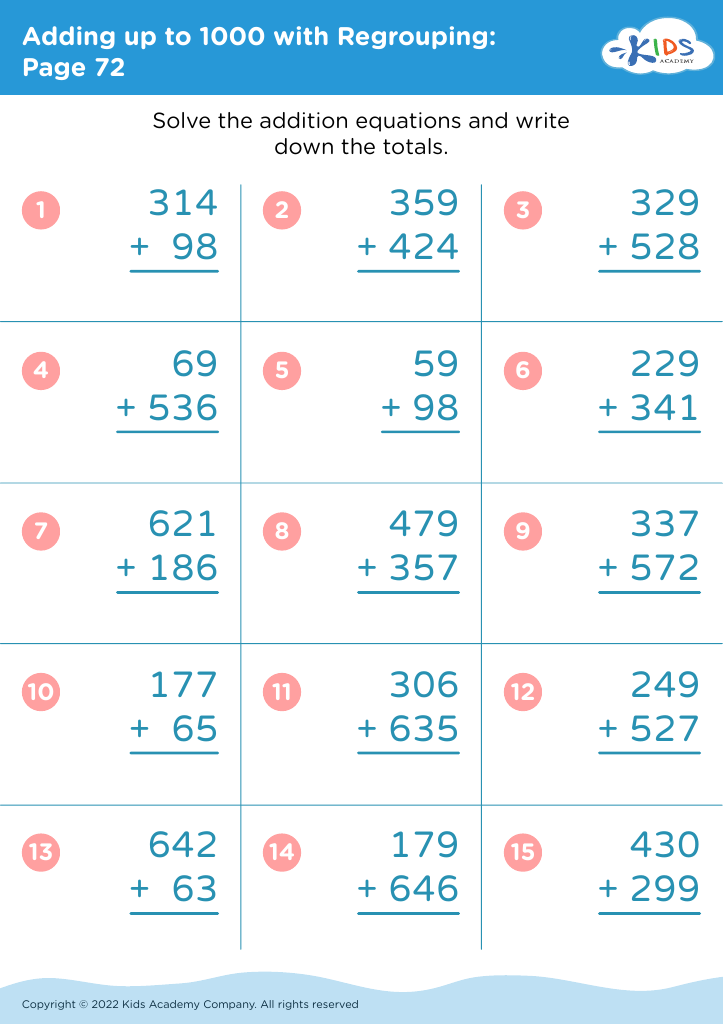
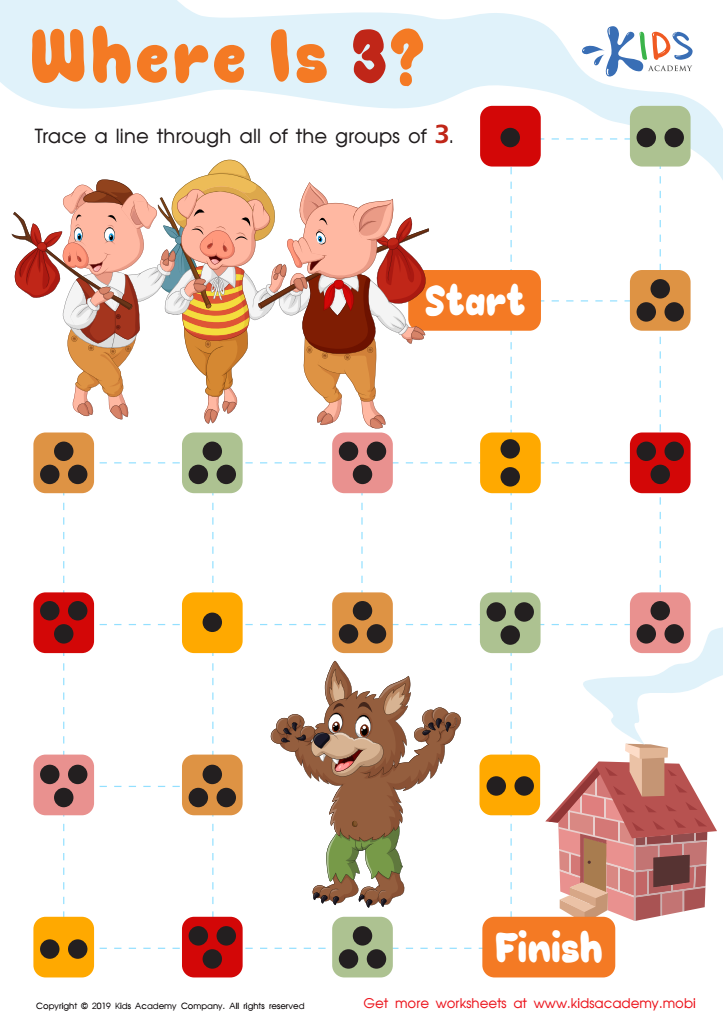
Where Is 3? Worksheet
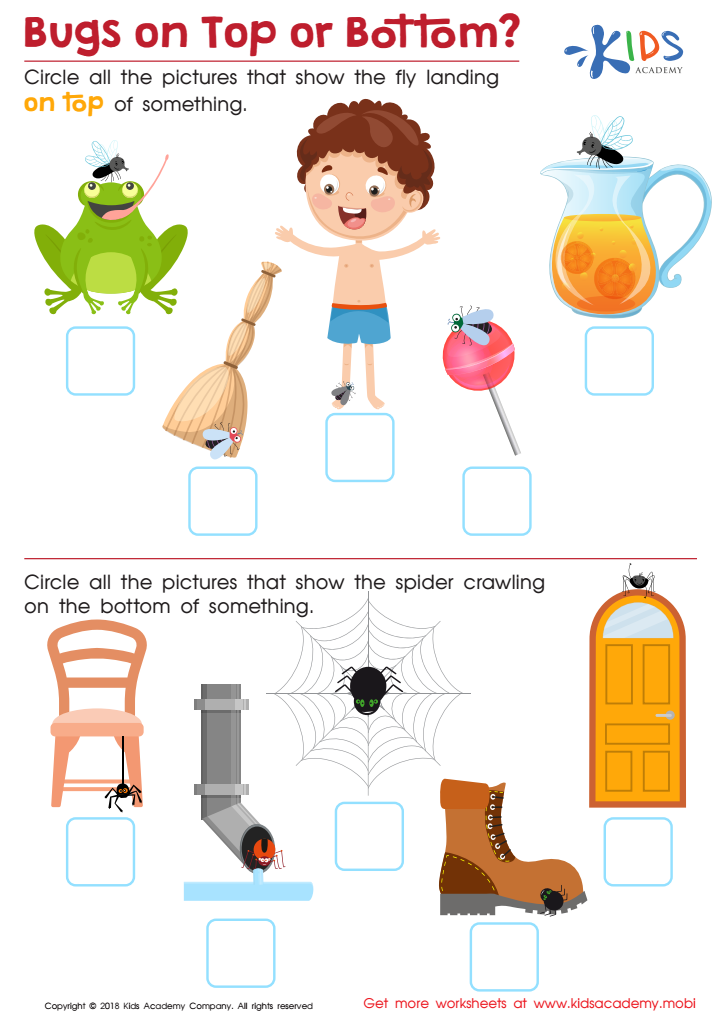
Bugs on Top or Bottom? Worksheet







Understanding directions in math is crucial for children aged 6 to 7, as it lays the foundation for their overall academic development. At this stage, children are not only learning basic mathematical concepts like adding and subtracting but are also acquiring essential skills for interpreting and following directions. Mastering this ability helps them to comprehend various instructions related to problem-solving, which is essential for more complex mathematical operations they will encounter later.
When parents or teachers emphasize understanding directions in math, they foster critical thinking and enhance cognitive skills. Children learn to process information, analyze steps, and develop a systematic approach to tasks. This also boosts their confidence as they work through instructions, promoting a growth mindset.
Moreover, these skills extend beyond mathematics. Following directions is a key element in reading comprehension, classroom activities, and everyday life. As children learn to decode language and execute specific tasks, they become more independent learners, capable of navigating challenges effectively.
Ultimately, by prioritizing the understanding of directions, parents and teachers are equipping young learners with fundamental skills that empower them throughout their educational journey and everyday experiences.








