Improve reading comprehension Reading Non-Fiction Worksheets for Ages 6-7
4 filtered results
-
From - To
Enhance your child's reading comprehension skills with our carefully designed Reading Non-Fiction Worksheets for ages 6-7. These engaging resources focus uniquely on non-fiction texts, offering the perfect blend of education and fun. Each worksheet helps young readers build crucial skills such as identifying main ideas, understanding details, and drawing conclusions from factual content. Created by educational experts, these exercises encourage curiosity and critical thinking, providing a strong foundation for future reading success. Upgrade your at-home learning experience and watch your child's confidence soar with our age-appropriate, captivating worksheets. Start your journey to improved reading comprehension today!
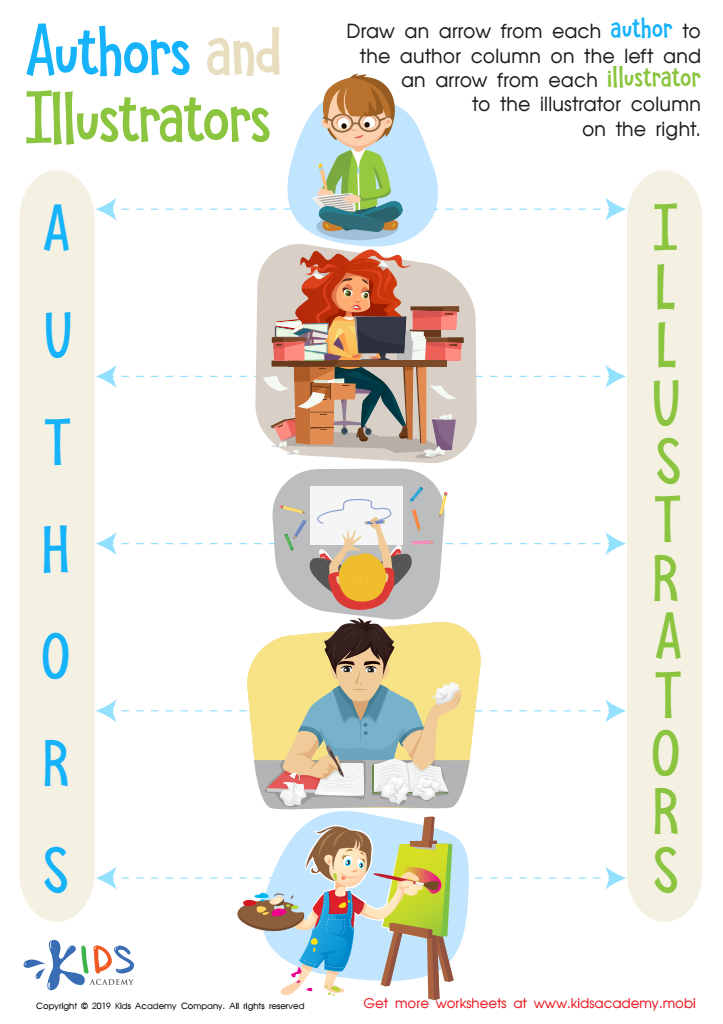
Authors and Illustrators Worksheet
 Assign to My Students
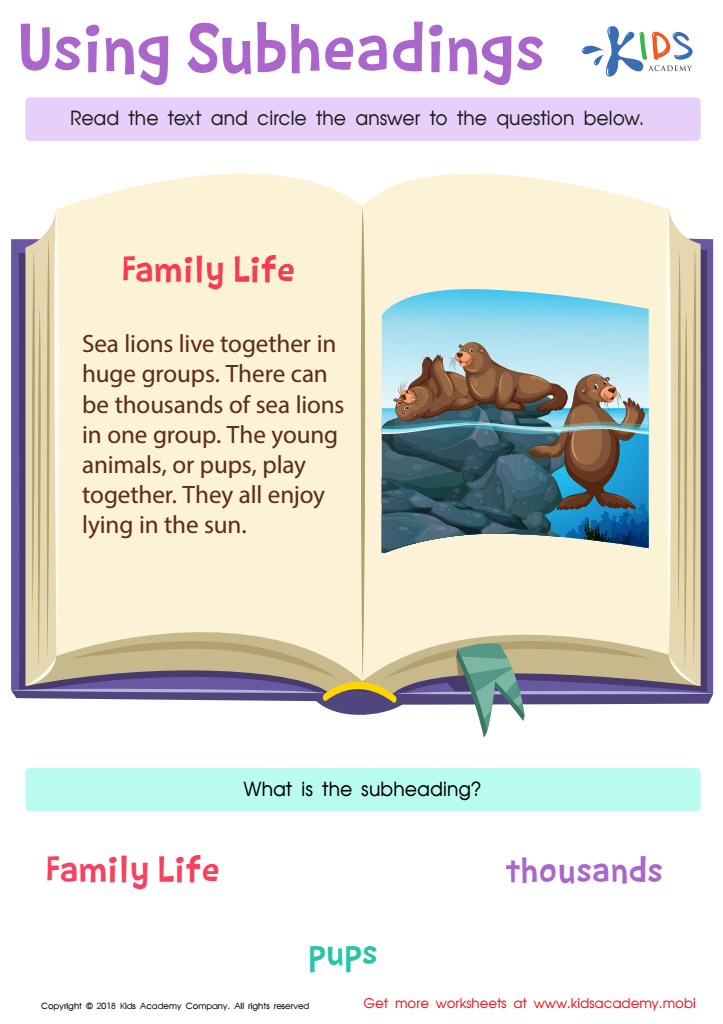
Using Subheadings Worksheet
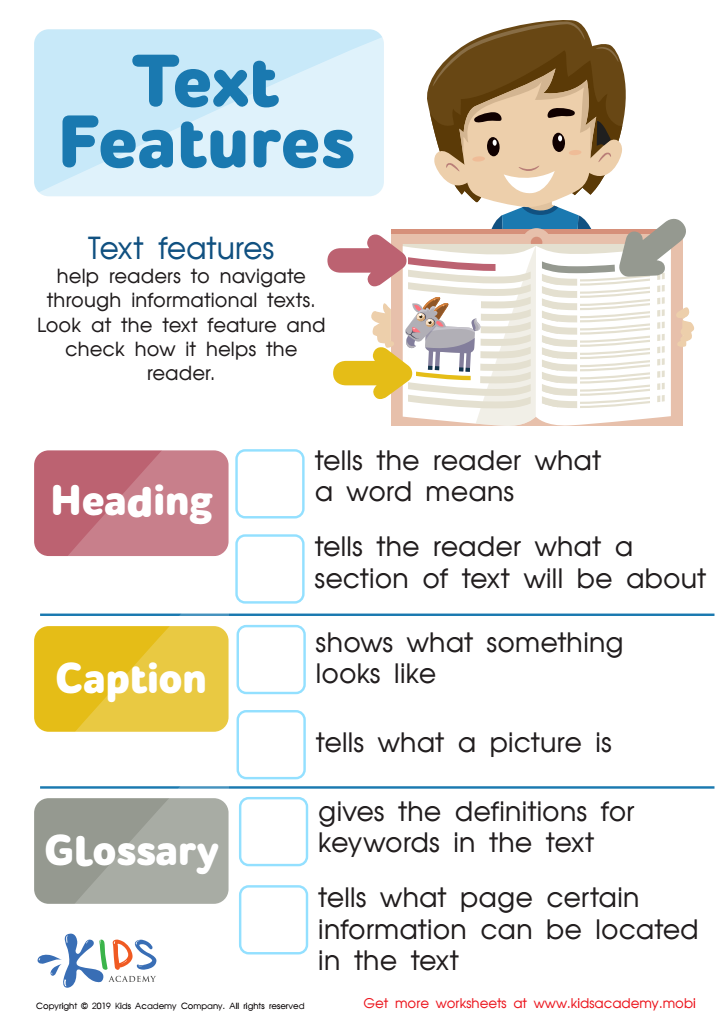
Text Features Worksheet
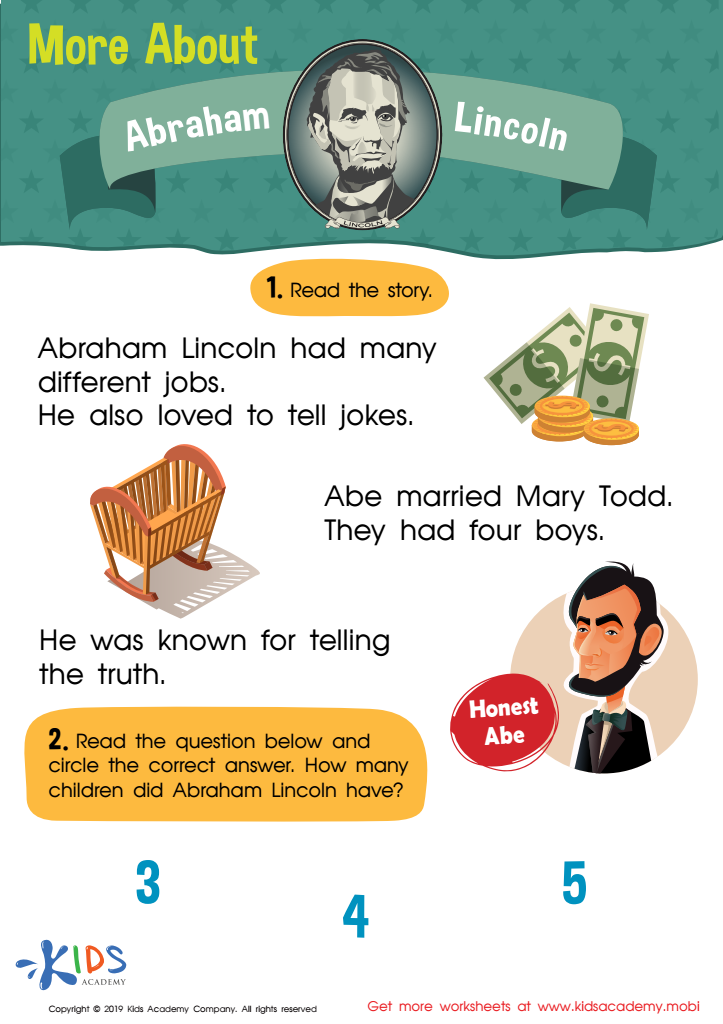
More About Abraham Lincoln Worksheet








Improving reading comprehension skills in children aged 6-7, particularly when reading non-fiction, is crucial for several reasons. At this age, children are developing foundational literacy skills that will support their academic success in subsequent years. Engaging with non-fiction texts helps young learners build vocabulary and understand complex sentence structures, both of which are essential for reading comprehension.
Non-fiction books introduce children to real-world concepts and facts, expanding their knowledge beyond their immediate surroundings. This exposure fosters curiosity and encourages lifelong learning. Additionally, reading non-fiction at an early age helps students to develop critical thinking skills. They learn to ask questions, make connections, and assess the accuracy of information—a skillset that is increasingly important in our information-rich society.
A strong basis in reading comprehension also enhances a child’s performance across other subjects. For example, understanding written problem statements in mathematics or instructions in science experiments directly influences their academic achievement. From a social-emotional perspective, successful reading experiences can build a child’s confidence and encourage a positive attitude towards learning.
For parents and teachers, emphasizing non-fiction reading helps create a well-rounded educational experience, making children more adaptive and knowledgeable. Investing in these skills early on lays the groundwork for more advanced literacy and empowers children to become informed, critical thinkers.








