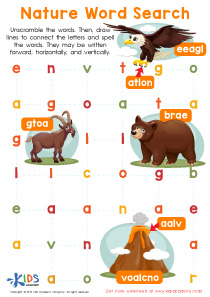
Color recognition Sight Words Worksheets for Ages 6-7
3 filtered results
Difficulty Level
Grade
Age
-
From - To
Subject
Activity
Standards
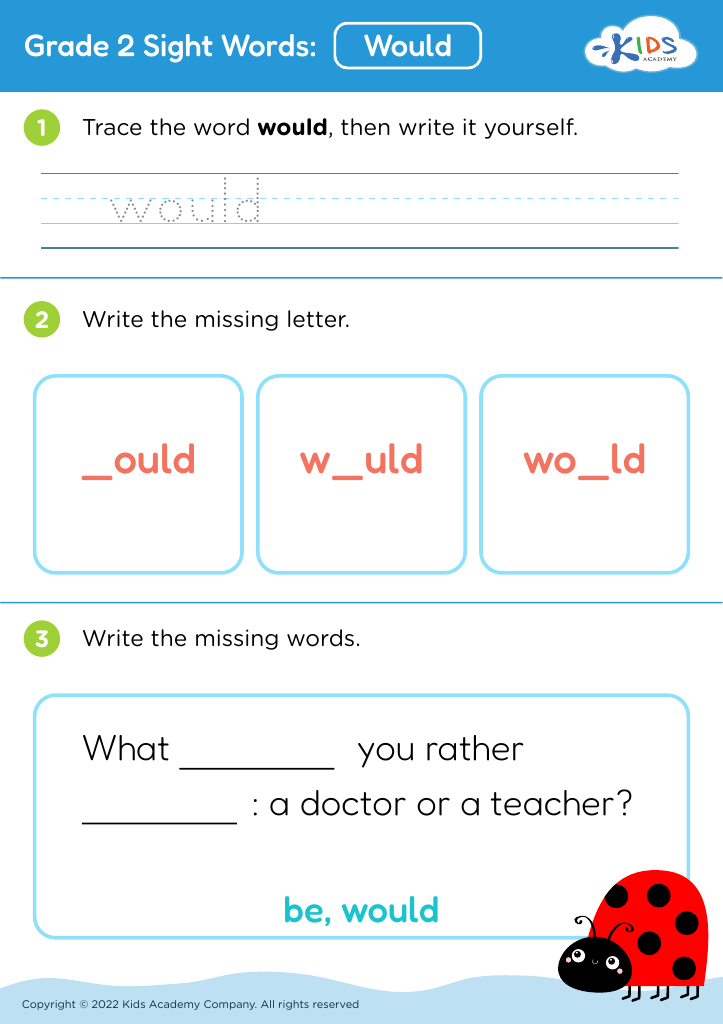
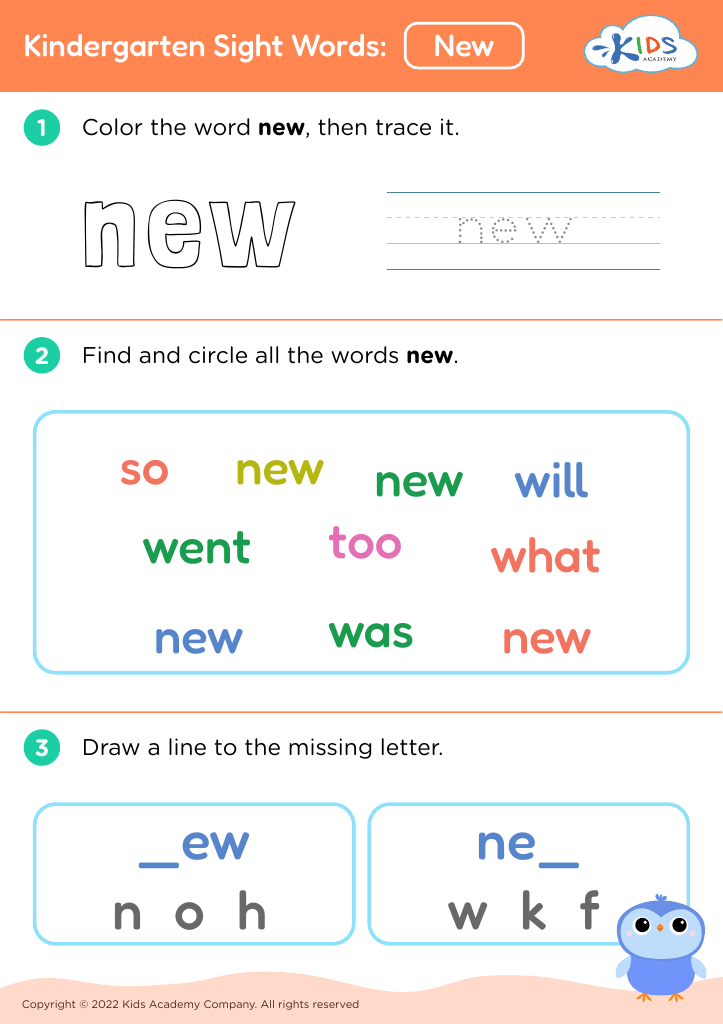
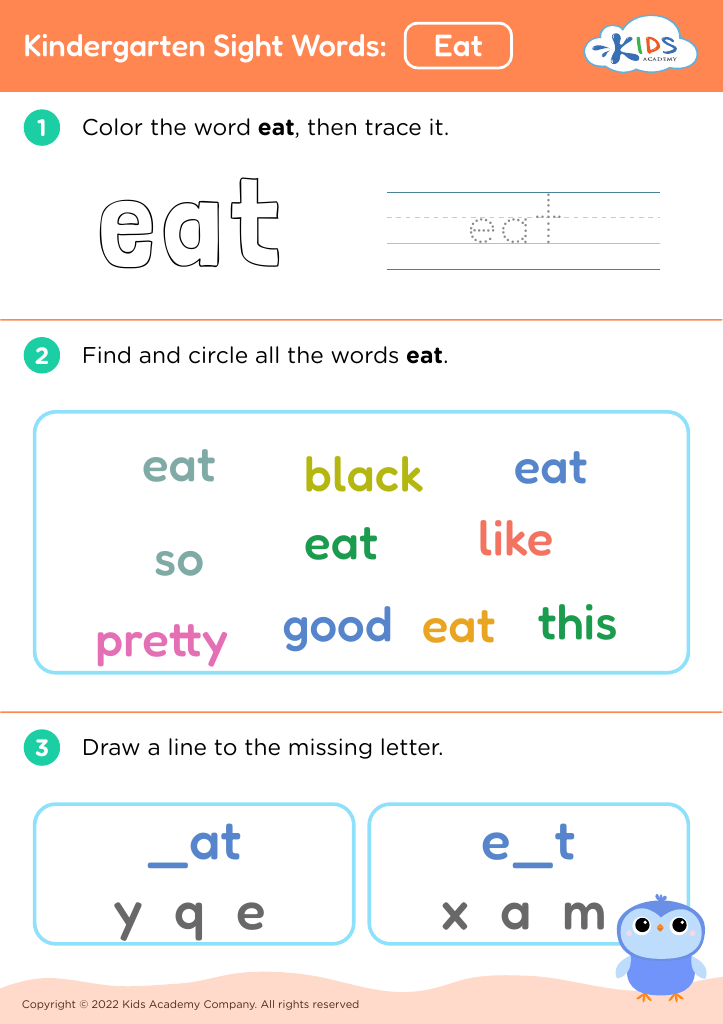
Enhance your child's learning experience with our engaging Color Recognition Sight Words Worksheets for ages 6-7! These expertly designed worksheets combine color recognition with essential sight word practice, making learning enjoyable and effective. Each activity encourages children to identify colors and associate them with corresponding sight words, reinforcing vocabulary development in a fun way. Perfect for homeschooling or supplementary learning, our resources help kids build confidence in their reading skills while enjoying creative visual elements. Download now and watch your child brighten their literacy skills as they explore the vibrant world of colors and words!
Favorites
With answer key
Interactive







Join Kids Academy for Free
Who is primarily going to use this learning content?








Color recognition and sight words are crucial elements in early literacy for children aged 6-7. Understanding color recognition enhances a child’s ability to express themselves and categorize the world around them. For example, knowing basic colors aids in art, reading, and even in social situations where they describe items or feelings.
Sight words, on the other hand, are foundational words that children often encounter in text. Mastering sight words is essential for developing reading fluency as these words appear frequently in children’s books. By recognizing sight words, children can read more smoothly, boosting their overall comprehension and confidence. When children can recognize colors and sight words, they utilize language more effectively, regardless of the context in which they are communicating.
Parents and teachers play a key role in facilitating this learning. They can incorporate activities such as colorful storytelling and word games to make the learning process engaging. Moreover, strengthening color and sight word recognition can motivate children to move forward with reading, setting the stage for future academic success. Encouraging these skills cultivates both cognitive development and social awareness, making them vital components of early education that shouldn't be overlooked.