Comparing Fractions Sight Words Worksheets for Ages 6-7 - Page 2
25 filtered results
-
From - To



.jpg)

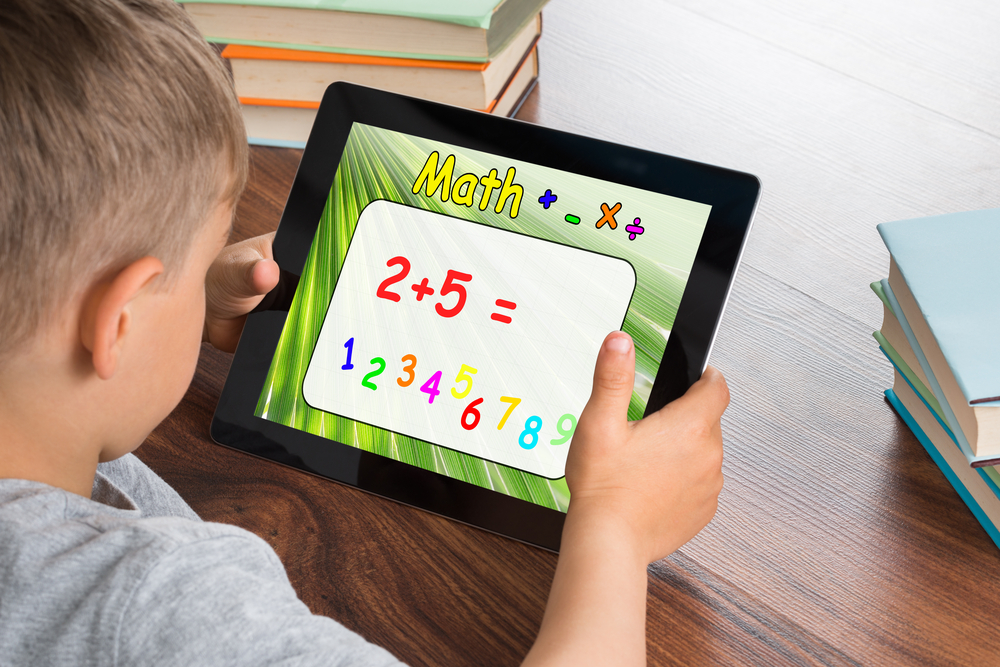



Comparing fractions is a fundamental mathematical skill that lays the groundwork for more complex concepts in later grades. For children ages 6-7, learning to compare fractions is not merely about numbers; it is about developing critical thinking, reasoning, and problem-solving skills. Parents and teachers should care about this topic for several reasons.
Firstly, understanding how to compare fractions helps students make sense of the world around them. Whether it’s sharing a pizza or dividing a chocolate bar, fractions are everywhere in real-life scenarios. This skill encourages intuitive thinking as children learn to visualize parts of a whole.
Secondly, mastering fraction comparison enhances literacy in mathematics. It supports cognitive connections, enabling children to comprehend decimals and percentages in the future. Sight words related to fractions, such as "greater than" and "less than," further enrich their mathematical vocabulary, promoting better communication of ideas.
Additionally, consistent practice comparing fractions can boost a child’s confidence in math, setting them up for success in their academic journey. In a nurturing environment—whether at home or in school—students are more likely to engage, ask questions, and cultivate a love for learning. Ultimately, fostering these skills in young learners paves the way for future mathematical proficiency and confidence.