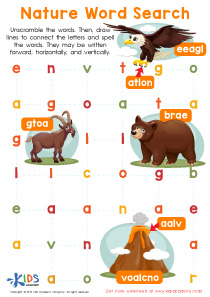
Sight word recognition Sight Words Worksheets for Ages 6-7
5 filtered results
-
From - To
Boost your child’s reading skills with our engaging "Sight Word Recognition Worksheets" designed specifically for ages 6-7. These printable worksheets offer a fun and effective way for young learners to master essential sight words, enhancing their reading fluency and confidence. Through a variety of interactive activities, including tracing, matching, and fill-in-the-blank exercises, children will reinforce their vocabulary and comprehension. Our worksheets are aligned with educational standards, making them a perfect resource for both teachers and parents looking to support early literacy development. Instill a love for reading in your child while equipping them with critical skills they will use for years to come!
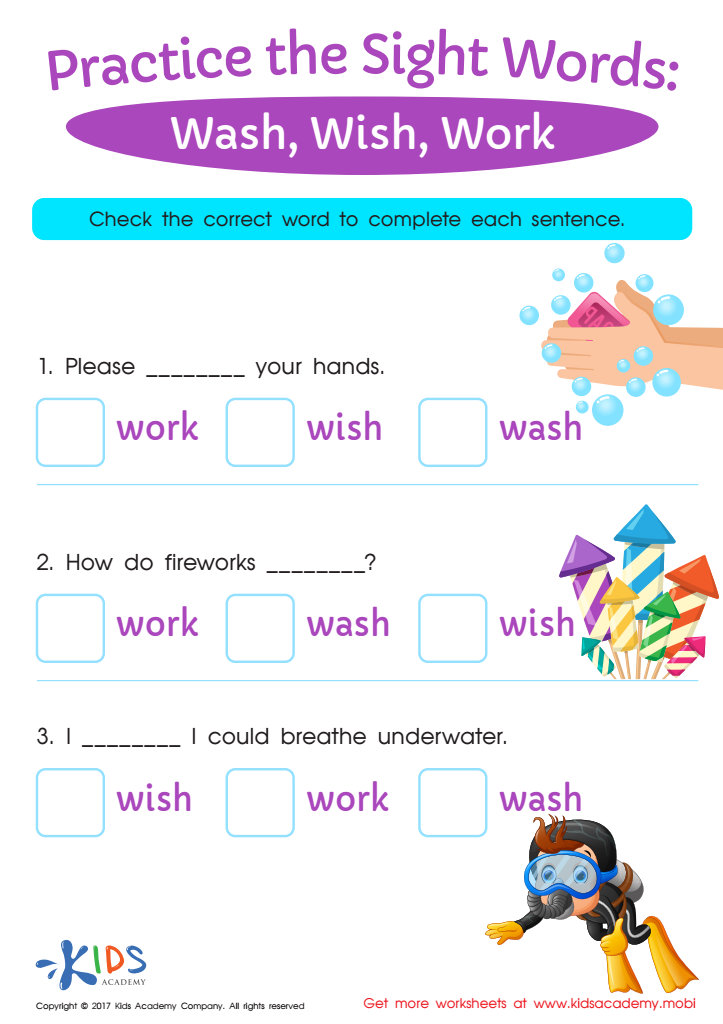
Wash, Wish, Work Sight Words Worksheet
 Assign to My Students
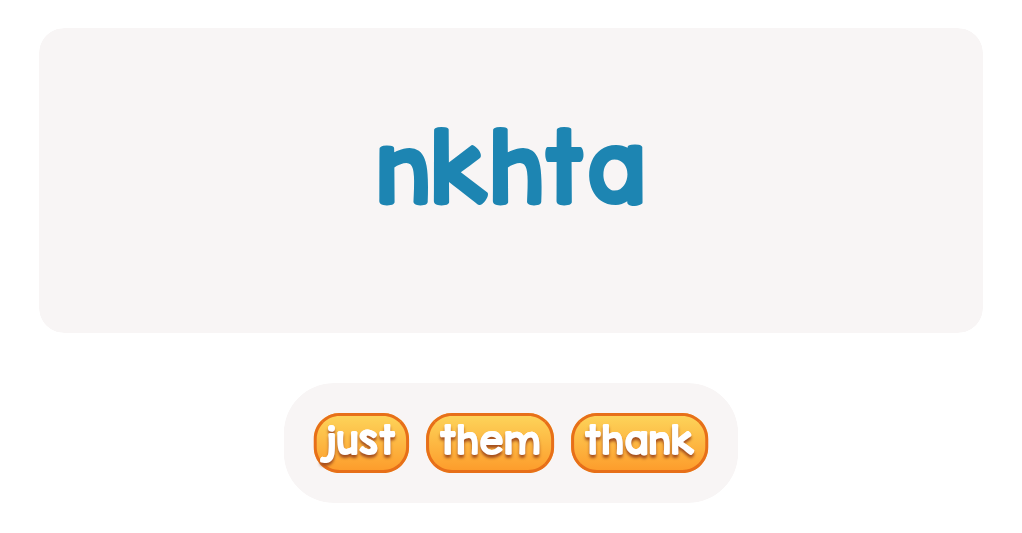







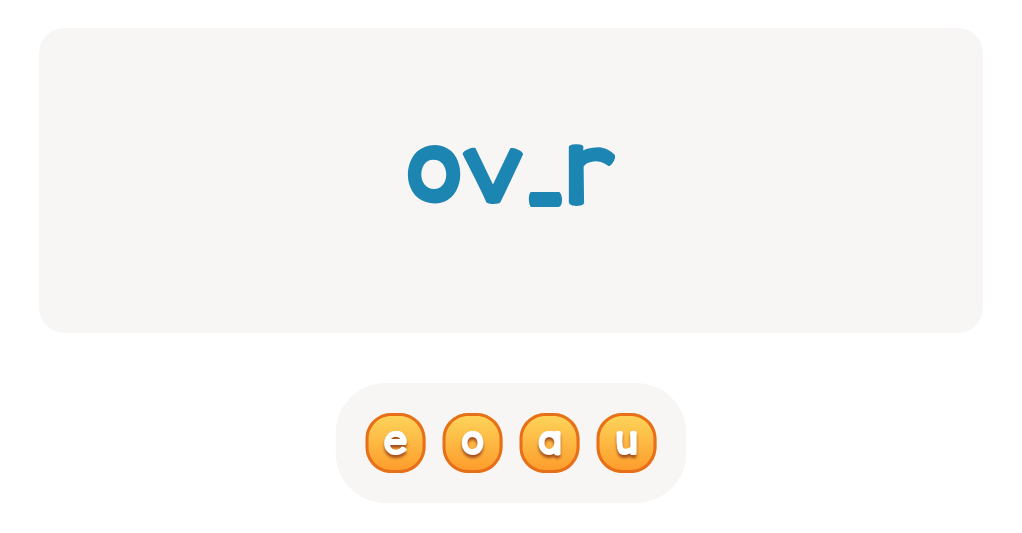
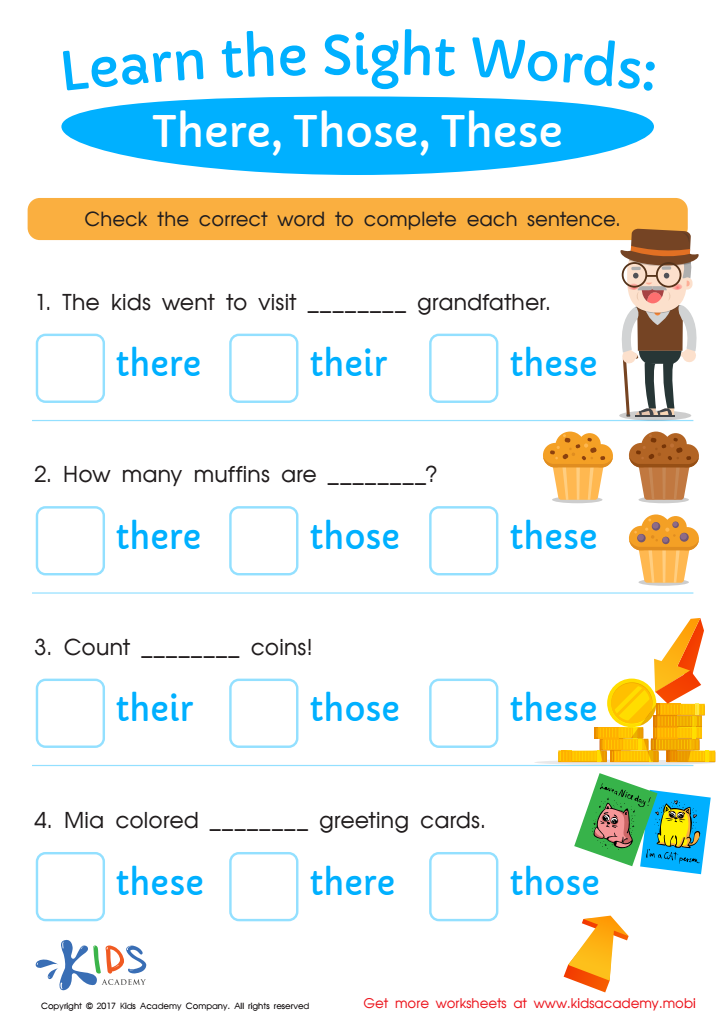
There, Those and These Sight Words Worksheet
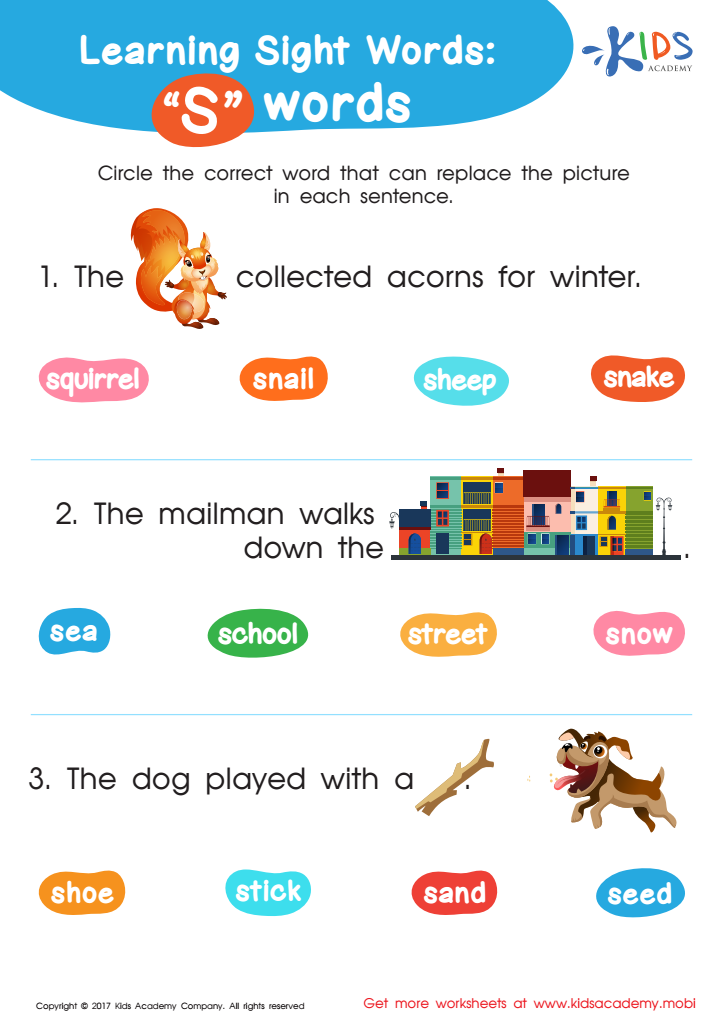
S Words Sight Words Worksheet
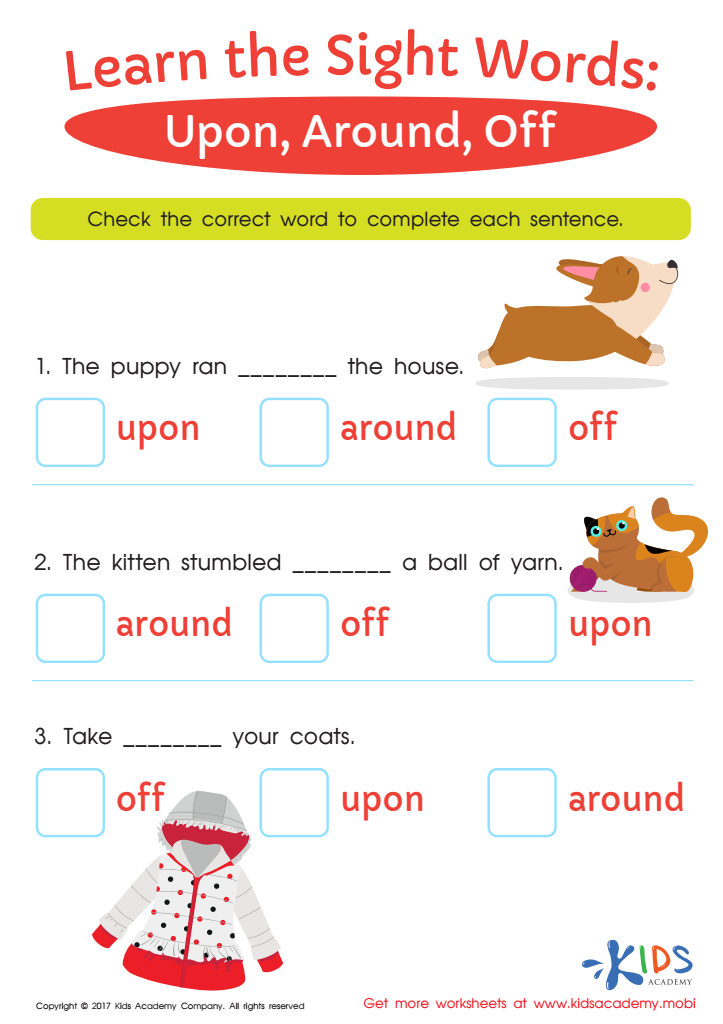
Upon, Around, Off Sight Words Worksheet
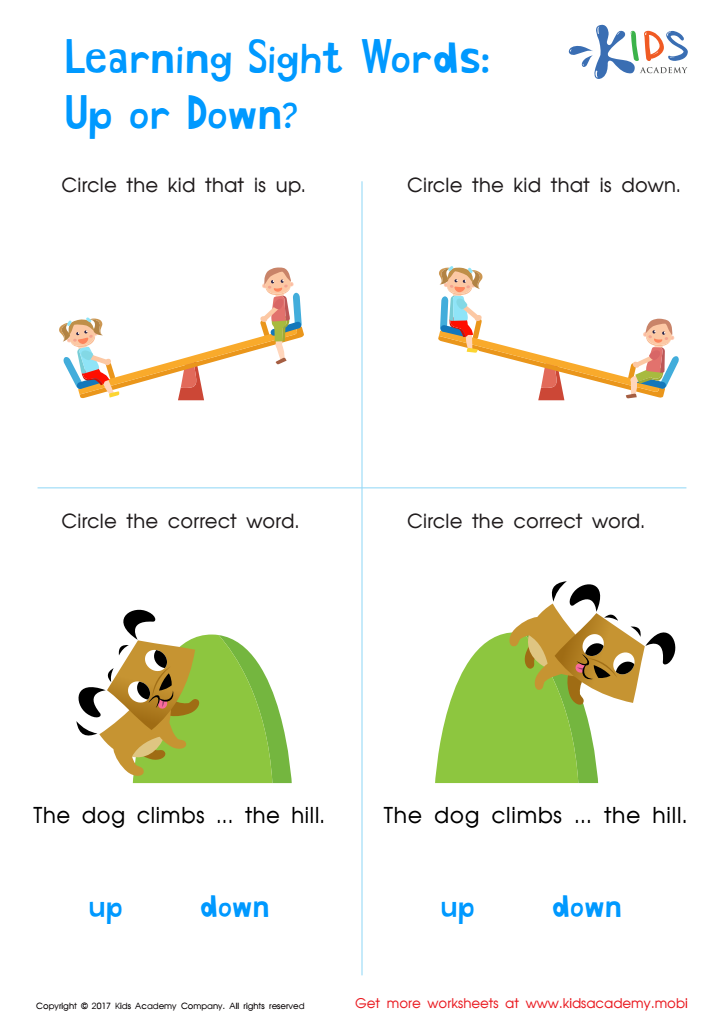
Up or Down Printable Sight Words Worksheet



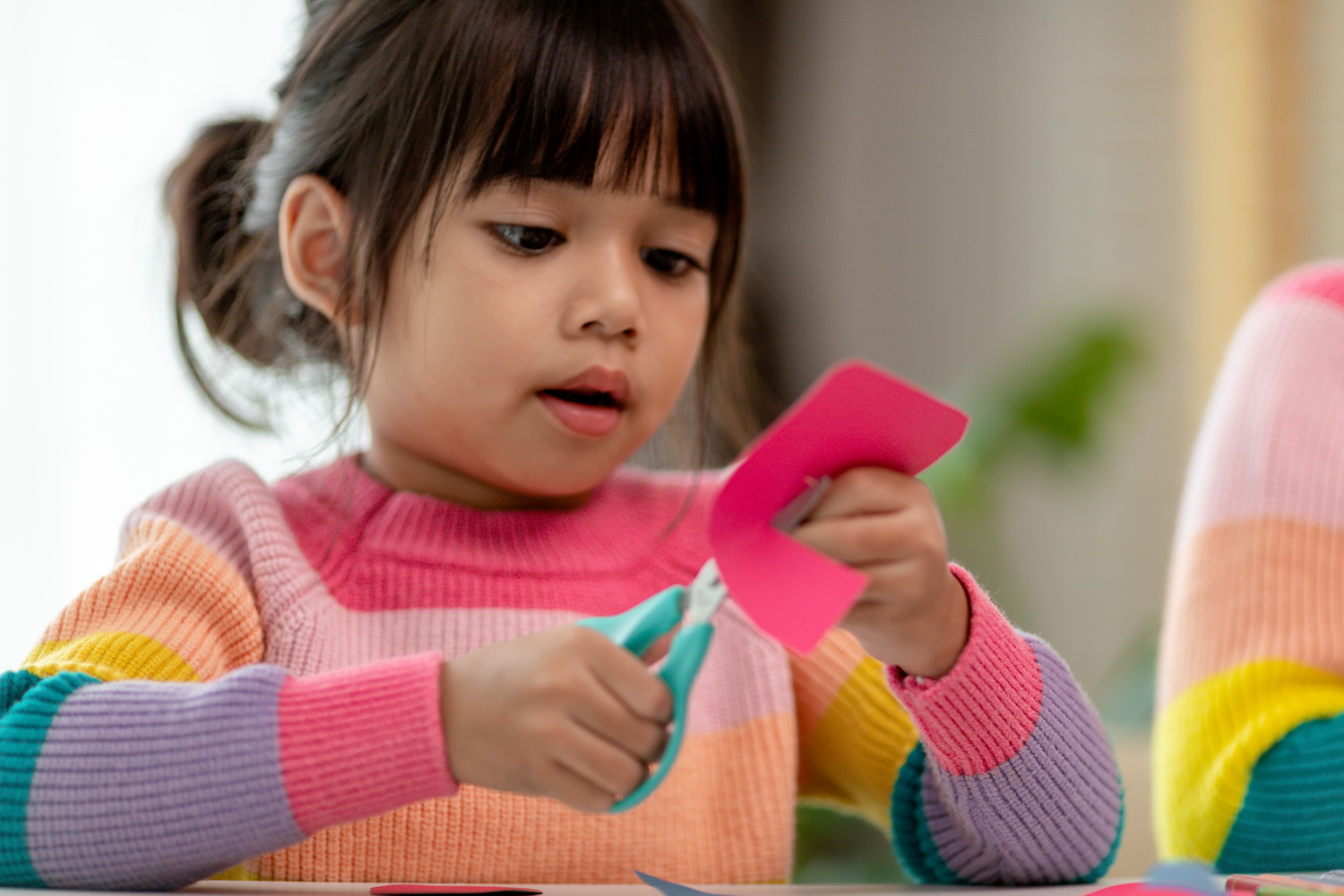




Sight word recognition is a crucial skill for children ages 6-7 as it lays the foundation for fluent reading, enhancing overall literacy development. Sight words are common words that children are encouraged to recognize automatically without needing to sound them out. When children can quickly identify these words, they can focus on comprehension and meaning rather than decoding, fostering a greater love for reading.
For parents and teachers, promoting sight word recognition is vital for several reasons. Firstly, it boosts children's confidence, providing them with the necessary tools to tackle more complex texts. This immediate recognition leads to improved reading fluency, as children can read smoothly without frequent interruptions. Furthermore, sight words often appear in books and daily communication, meaning mastery enables children to access a wider range of literacy materials.
Moreover, regular engagement with sight words can bolster vocabulary and grammatical understanding, essential components of effective communication. Lastly, early mastery of sight words contributes positively to academic achievement; children who read proficiently tend to explore better educational opportunities in the long run. By prioritizing sight word recognition, parents and teachers are supporting a critical aspect of children's language development, setting them on a path toward lifelong reading success.