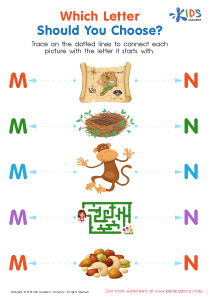
Alphabet sequencing Lowercase/Small Letters Worksheets for Ages 6-8
3 filtered results
-
From - To
Explore our engaging “Alphabet Sequencing Lowercase/Small Letters Worksheets” designed for children aged 6-8! These worksheets offer a fun and effective way to help young learners master the sequence of the alphabet through hands-on activities. With a variety of colorful and interactive exercises, children will strengthen their letter recognition skills while enhancing their ability to arrange lowercase letters in order. Perfect for classroom use or at-home learning, our worksheets cater to diverse learning styles and paces. Ignite your child’s love for language and boost their confidence as they embark on their literacy journey with our thoughtful and engaging resources!
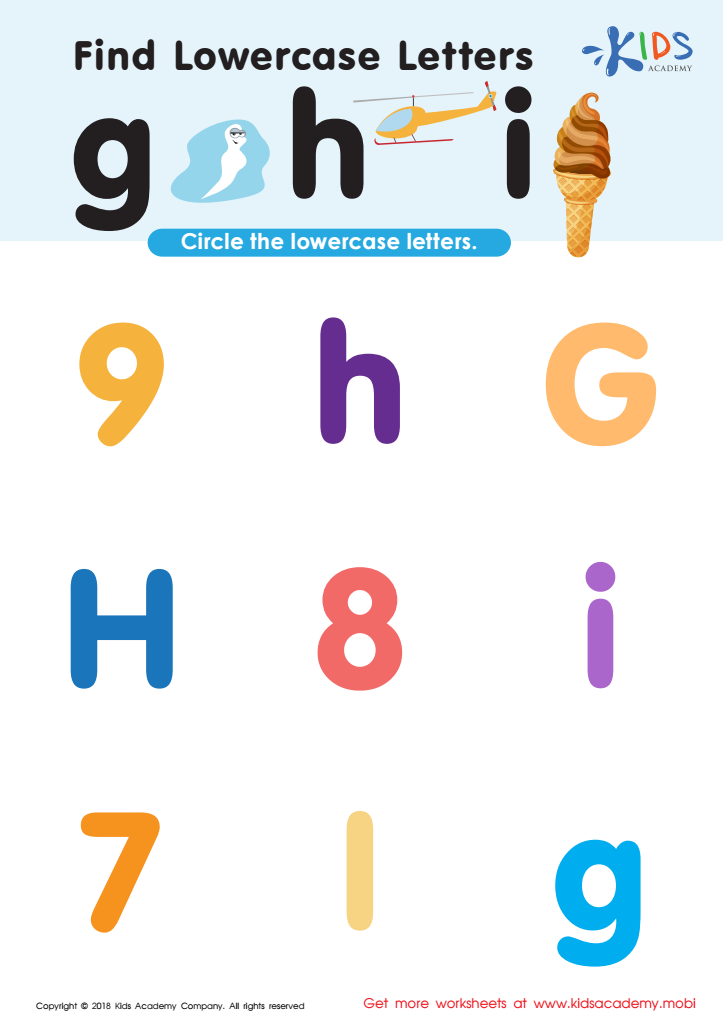
Find Lowercase Letters g h i Worksheet
 Assign to My Students
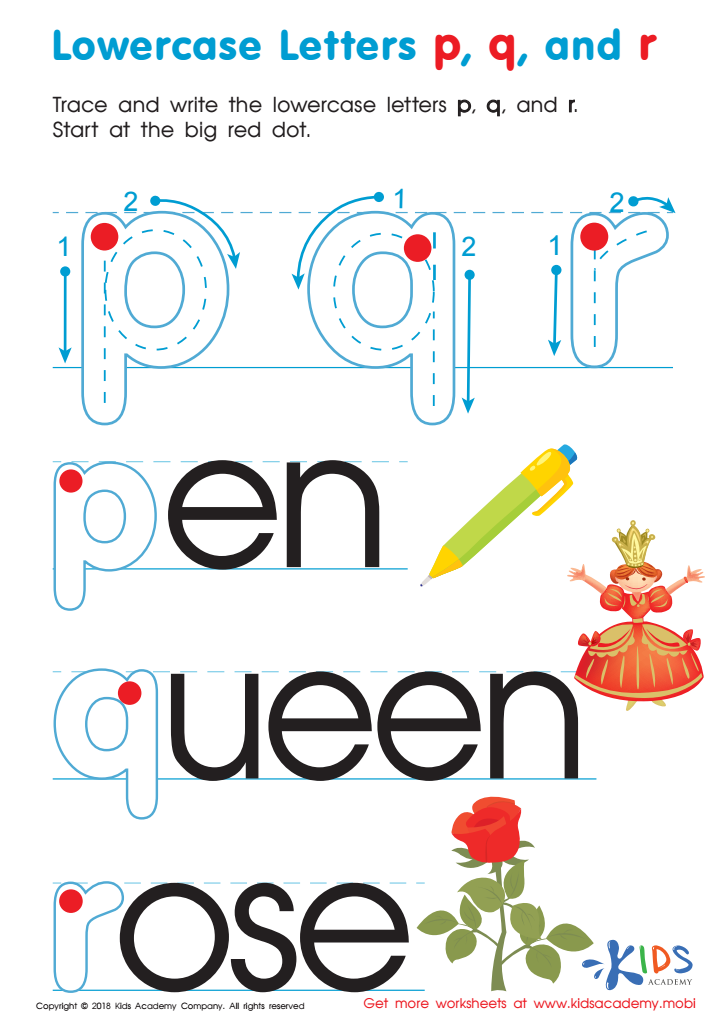
Lowercase Letters p q r Worksheet
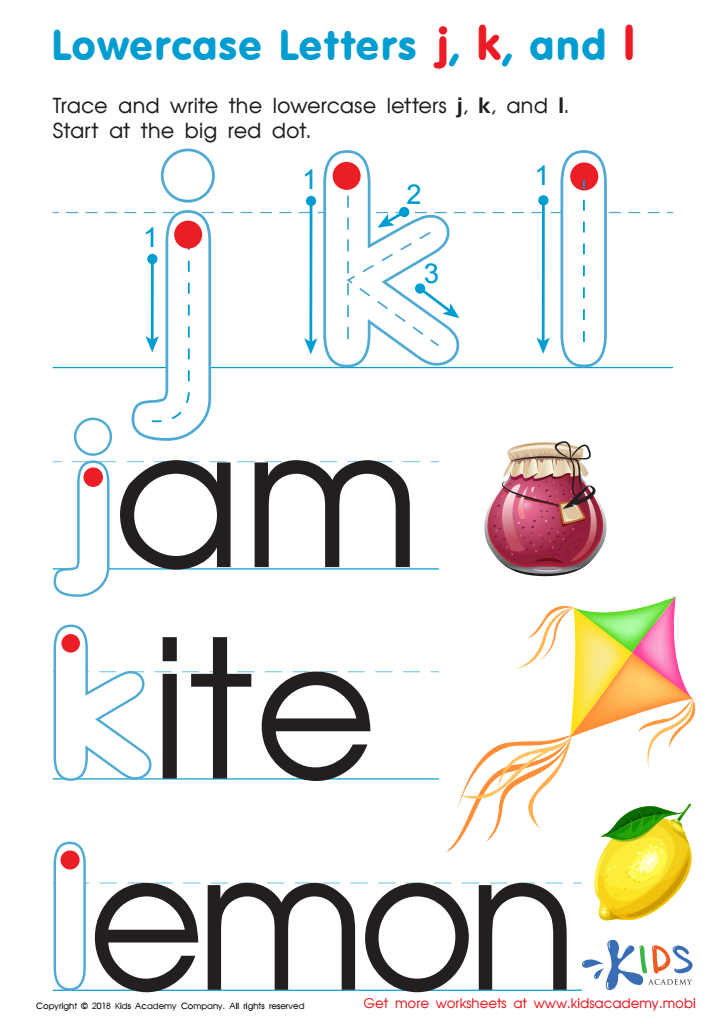
Lowercase Letters j k l Worksheet


Alphabet sequencing, particularly in lowercase, is crucial for children aged 6-8 as they lay the foundation for literacy skills. At this age, children are transitioning from learning to read to reading to learn. Understanding the correct order of lowercase letters helps them recognize, write, and spell words accurately. This skill reinforces phonemic awareness, which is vital for effective reading comprehension and aids in vocabulary development.
Moreover, sequential knowledge of lowercase letters promotes handwriting skills, helping children develop fluency in writing. This fluency not only boosts their confidence in expressing ideas but also enhances their overall communication skills. Additionally, mastering alphabet sequencing aids in cognitive development by improving memory and reasoning abilities.
For teachers and parents, fostering this skill encourages a love for reading and writing, making literacy an enjoyable experience rather than a chore. Engaging activities, such as alphabet games or songs, can make learning more interactive. The habit of understanding before acting is nurtured, supporting lifelong learning habits. Ultimately, caring about lowercase alphabet sequencing equips children with essential tools for educational success, confidence in their abilities, and a smoother transition into more complex language arts concepts.