Sight word recognition Three Letter Words Phonics Worksheets for Ages 6-8
3 filtered results
-
From - To
Discover our engaging “Sight Word Recognition Three Letter Words Phonics Worksheets” designed for children aged 6-8. These worksheets enhance early reading skills by focusing on three-letter sight words, facilitating both phonics and recognition practice. Each activity is tailored to boost vocabulary and reading fluency while fostering independent learning. Visual aids and fun activities make learning enjoyable and interactive, ensuring that students stay motivated and interested. Ideal for both classroom and home use, our worksheets provide a solid foundation in sight word recognition, helping young learners develop the confidence they need to become proficient readers. Start your child’s reading journey today!
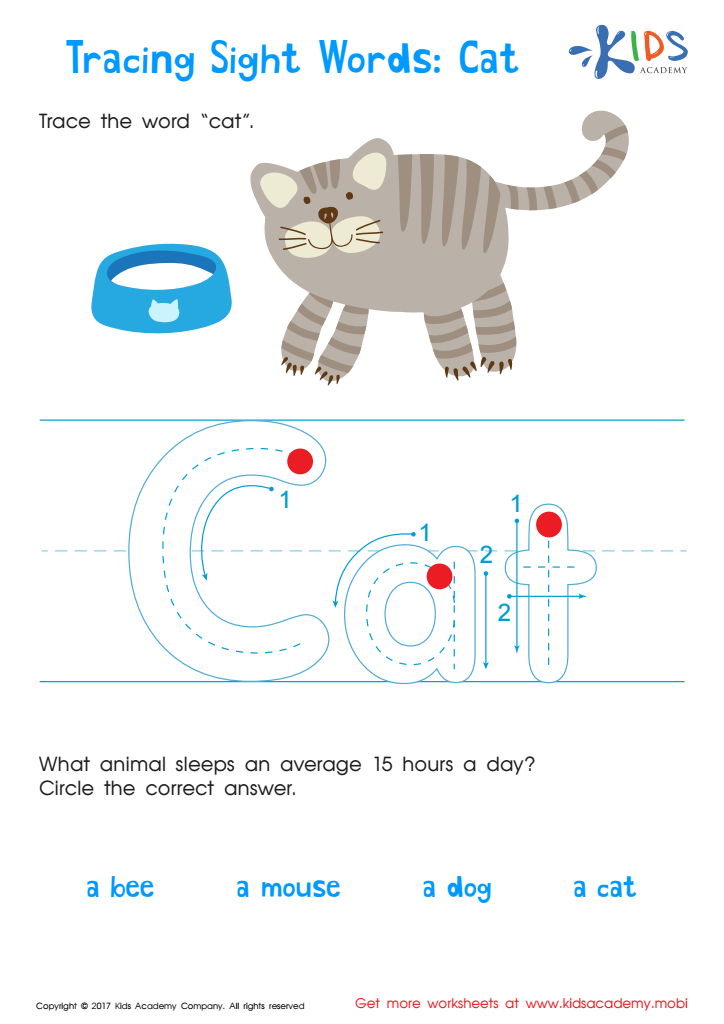
Cat Printable Sight Words Worksheet
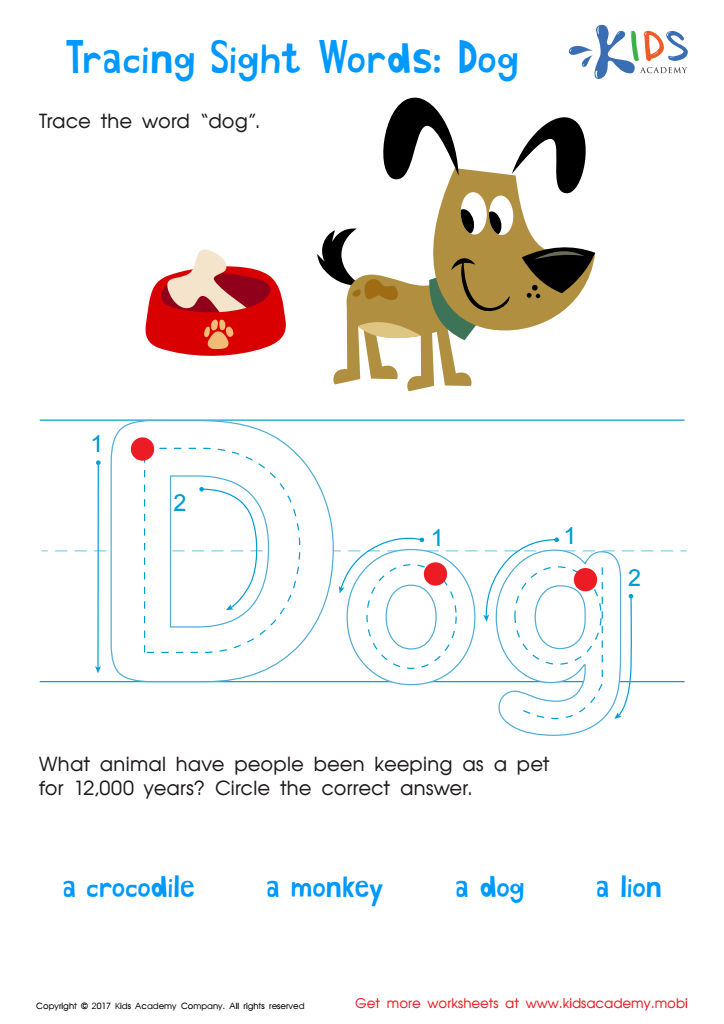
Dog Worksheet Sight Words Worksheet
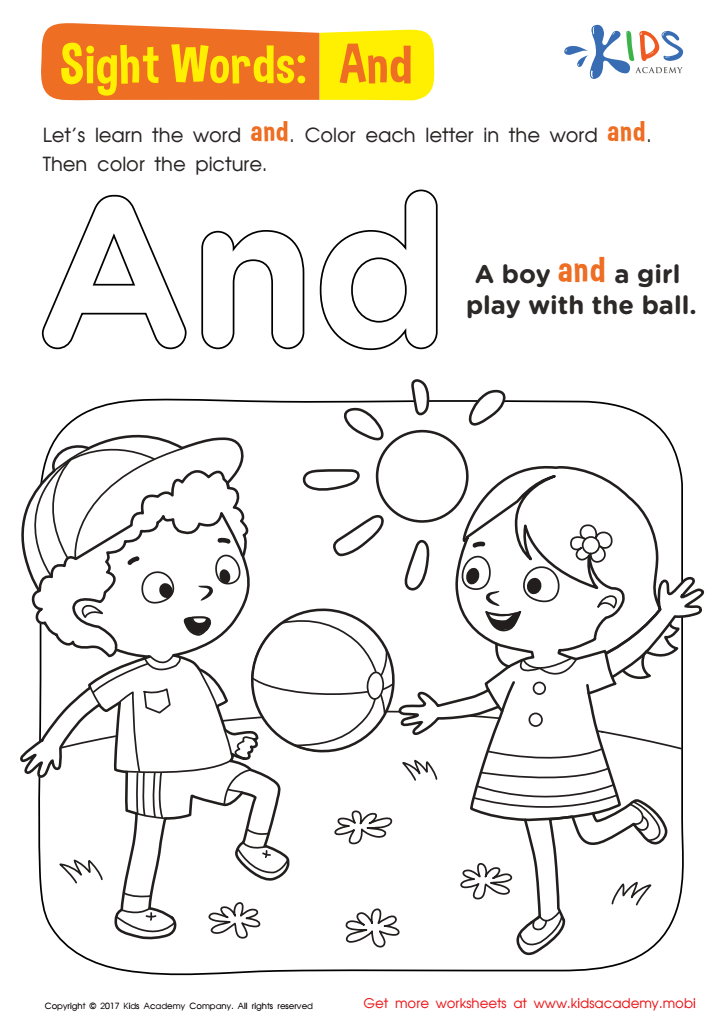
And Worksheet Sight Words Worksheet
 Assign to My Students




Sight word recognition and phonics, particularly focusing on three-letter words, are crucial for children aged 6-8 as they lay the foundation for reading proficiency and overall literacy development. At this age, children experience significant growth in their reading skills, and mastering three-letter words—often encountered in early readers and decodable texts—helps them build confidence and fluency.
Sight words are frequently occurring words that don’t always follow standard phonetic patterns, making their recognition essential for reading efficiency. By integrating sight word practice, teachers and parents can help children navigate texts more smoothly, reducing frustrations commonly felt during reading.
Phonics instruction, on the other hand, offers children the tools to decode new words. Understanding sound-letter relationships empowers them to sound out unfamiliar three-letter words, fostering independence in reading. This combination of sight word recognition and phonics forms a comprehensive approach to literacy instruction.
Lastly, promoting these skills can enhance vocabulary acquisition and comprehension, as children gain the ability to tackle more complex texts. This foundational stage significantly influences future academic success and a lifelong love for reading, making it essential for parents and teachers to prioritize these elements in early literacy education.







